By Adrian Wu
Dmitri Shostakovich remains one of the most enigmatic figures of the 20th century, a composer whose life and work were inexorably bound to the volatility of Soviet history. His symphonies serve not merely as musical scores, but as historical artifacts, documenting the trauma, fear, and resilience of a nation caught in the iron grip of totalitarianism. Among these, Symphony No. 11 in G Minor, Op. 103, "The Year 1905," stands as a monumental, if often misunderstood, testament to the human spirit.
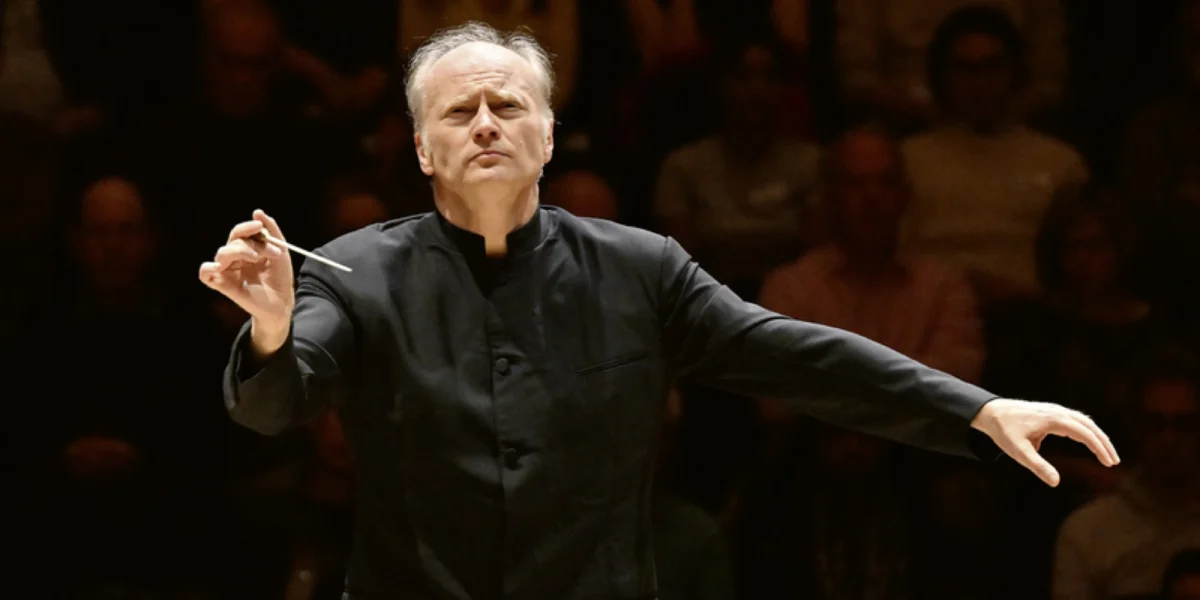
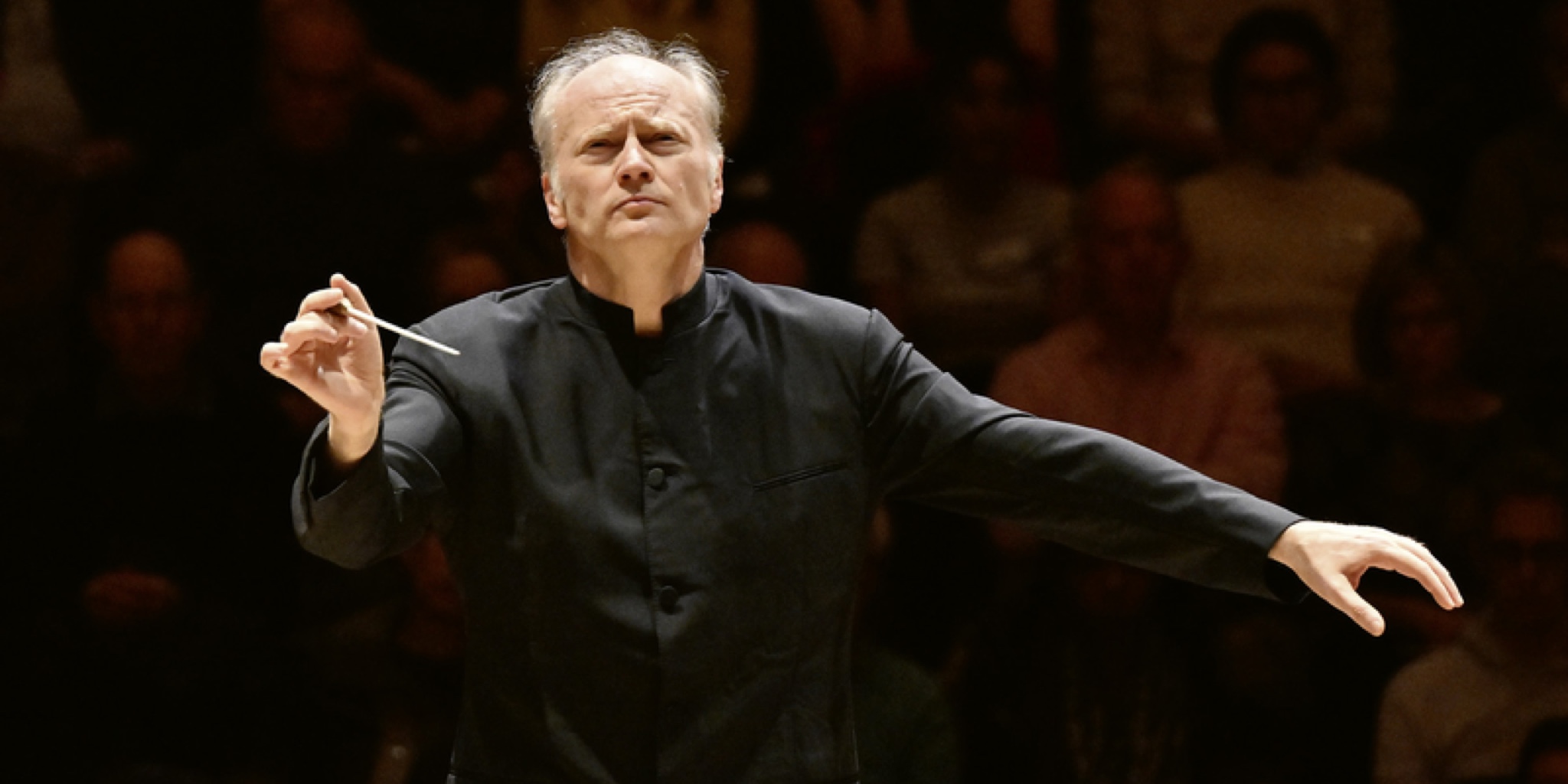
A recent high-resolution release from the London Symphony Orchestra (LSO) and conductor Gianandrea Noseda, captured in DSD 128, invites a fresh appraisal of this work. By juxtaposing this modern, technologically superior recording against the storied analogue benchmarks of the past, we gain not only a deeper appreciation for Shostakovich’s craftsmanship but also a clearer understanding of how the digital age is redefining our interaction with the orchestral canon.
The Context: A Symphony Born of Blood and Bureaucracy
To understand Symphony No. 11, one must peer into the shadows of the Stalinist era. Composed in 1957 to commemorate the 40th anniversary of the October Revolution, the symphony was initially dismissed by many Western critics as "Soviet propaganda" or a glorified film score. Such labels, however, ignore the subtext of Shostakovich’s life.
Having survived the purges of the 1930s and the suffocating artistic censorship that claimed the lives of peers like Prokofiev, Shostakovich mastered the art of the "double-speak" composition. Much like a merchant disguising restricted goods to bypass trade sanctions, Shostakovich encoded his music with subversive meanings that appeared superficial to the censors but resonated with profound grief for the Soviet people.
The symphony depicts the "Bloody Sunday" of January 9, 1905, in St. Petersburg, where peaceful petitioners gathered before the Winter Palace seeking relief from government corruption and poverty. The Tsar’s response—an order for troops to open fire on his own subjects—marked a turning point in Russian history. Shostakovich’s score maps the sequence of these events, from the eerie stillness of the square to the visceral violence of the massacre.
Chronology of a Masterpiece: From Analog Tape to DSD 256
For many audiophiles, the benchmark for this work has long been the 1980 EMI recording featuring the Bournemouth Symphony Orchestra under Paavo Berglund. For decades, this LP has been lauded as a "demonstration-quality" record, capable of taxing even the most sophisticated systems.
Reflecting on a recent re-listening session, after a thorough cleaning of the vinyl, the Berglund performance remains a raw, visceral experience. It captures a specific "Soviet" aesthetic—an unpolished, desperate tension that reflects the urgency of the music.
In contrast, the new LSO Live recording, captured at the Barbican Hall in 2022, represents the apex of modern capture technology. Recorded in DSD 256 and presented here in DSD 128, the production marks a shift in how orchestral music is disseminated. The LSO Live label has become a shrewd business model, allowing the orchestra to monetize its subscription concerts while simultaneously broadening its global footprint. While not a "pure" DSD recording due to the realities of modern post-production and digital editing (PCM conversion), the resulting sound quality is nothing short of breathtaking.
Comparative Analysis: Noseda vs. Berglund
Listening to these two recordings side-by-side reveals the evolution of orchestral interpretation.
The Atmosphere of Foreboding
In the first movement, Berglund sets a tone of existential dread. However, Noseda’s approach is arguably more ominous. The LSO’s technical prowess allows for a sustained, dark menace that is far more refined than the Bournemouth strings. The "non-existent" background noise of the DSD format is a revelation here; whereas the inevitable surface noise of an LP can distract from the delicate, haunting silence of the opening, the digital medium provides a pristine canvas for the LSO’s woodwinds to emerge from the void.
Tension and Polish
Where Berglund succeeds is in his willingness to flirt with chaos. His second and fourth movements possess a flexible, almost volatile tempo that feels inherently dangerous. The Bournemouth players, perhaps less "perfect" than the LSO, deliver a performance that feels as though it might spin out of control at any second—a quality that suits Shostakovich’s turbulent emotional landscape.
Noseda and the LSO, conversely, offer a masterclass in total control. They bring a level of technical precision that turns the symphony into a highly dynamic, cinematic experience. While one might argue that Shostakovich’s music benefits from "rough edges," Noseda avoids the trap of making the music sound "bland," a criticism often leveled at conductors like Karajan. Instead, Noseda finds a middle ground, providing high-octane excitement and a dynamic range that pushes modern audio hardware to its limits.
Supporting Data: Technical Fidelity and Acoustic Depth
The sonic profile of the LSO Live recording is characterized by its remarkable depth. The solo woodwinds are placed with pinpoint accuracy within the soundstage, appearing out of the dark, silent recesses of the Barbican’s acoustic.
However, the recording is not without its limitations. When compared to the legendary acoustics of Kingsway Hall or Boston Symphony Hall, the Barbican’s acoustic signature is slightly dry. Yet, this dryness allows for a transparency that reveals the internal lines of the orchestration with startling clarity.
For the audiophile, this release is a mandatory addition to the library. The string sections are never shrill, even at high volumes, and the tympani strikes possess an explosive, tactile solidity. To fully appreciate the engineering of this DSD master, listeners should prepare their systems for a true full-range experience. This is not background music; it is a sonic event that requires a wide dynamic range—and, perhaps, a set of very tolerant neighbors.
Official Stance and Implications
The LSO’s move to produce this recording is emblematic of a broader shift in the classical music industry. By taking control of their own recording destiny, the LSO is effectively bypassing the traditional label gatekeepers. This ensures that the revenue generated from these high-resolution streams and downloads is returned directly to the musicians and the conductor.
The implications for the listener are equally significant. We have reached a point where the "LP vs. Digital" debate is effectively settled in favor of the latter, at least regarding the faithful reproduction of large-scale orchestral works. The ability to capture the nuance of a live performance in a venue like the Barbican, and to preserve that fidelity through to the listener’s home system, represents a triumph of modern engineering.
Conclusion: A New Standard
Gianandrea Noseda’s interpretation of Shostakovich’s Symphony No. 11 is a profound achievement. While purists may still cling to the raw, analog intensity of historical recordings like Berglund’s, Noseda offers a modern, authoritative voice that balances technical perfection with the emotional volatility the music demands.
Shostakovich wrote music to survive. He wrote to communicate truth through a veil of state-sanctioned lies. In Noseda’s hands, that truth is laid bare with clinical precision and symphonic power. For anyone looking to understand why Shostakovich remains the most vital of 20th-century symphonists, this recording is not just a collection of data; it is an essential historical document for the digital age.
Reviewer Note: To fully appreciate the depth and dynamic range of this recording, a high-end audio setup, preferably utilizing horn-loaded speakers or high-excursion monitors, is highly recommended.