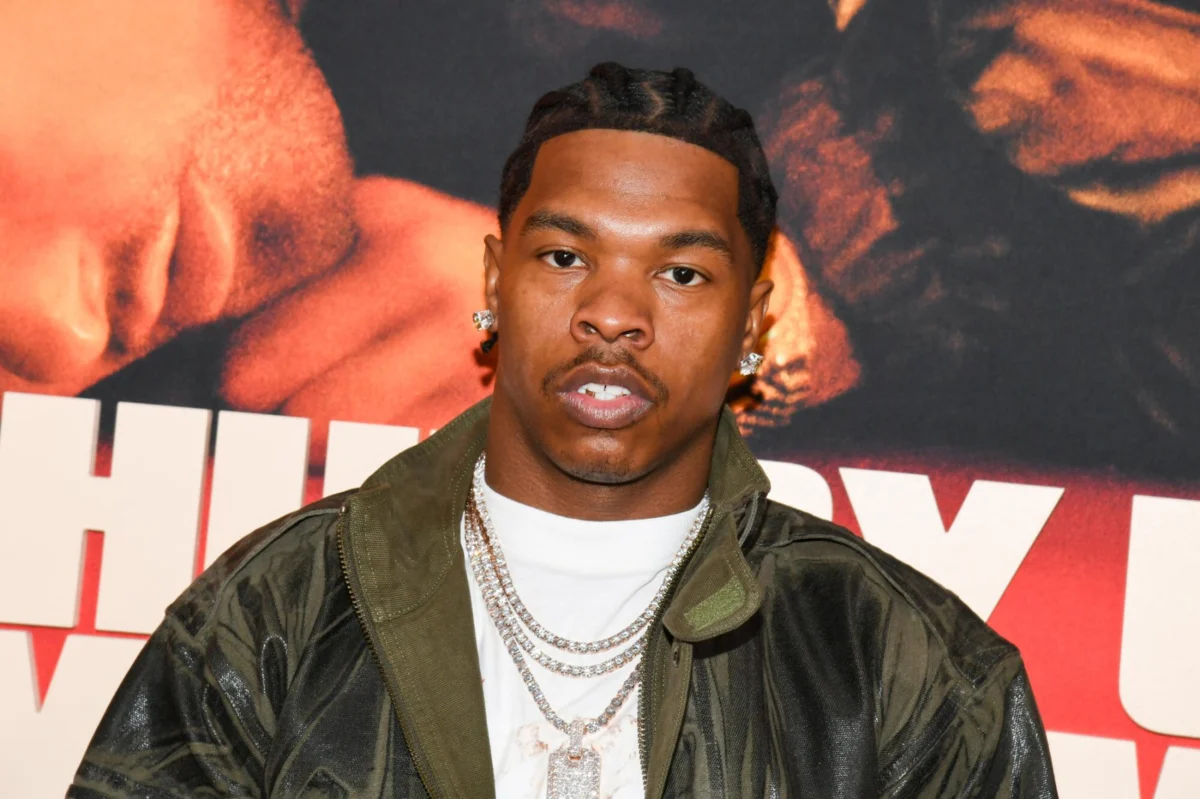
The intersection of celebrity branding and the rapidly evolving hemp industry has hit a turbulent impasse. What began as a high-profile business partnership between superstar rapper Lil Baby and the Florida-based cannabis company Bay Smokes has devolved into a bitter legal confrontation that has now spilled into federal court. With allegations ranging from the distribution of contaminated products to the breach of strictly enforced non-disparagement agreements, the conflict highlights the growing pains of a nascent industry struggling with regulatory oversight and corporate accountability.
The Genesis of a High-Stakes Partnership
In 2024, the landscape of legal cannabis was shifted by the entry of Dominique Jones, known globally as the Grammy-winning artist Lil Baby. Through his business entity, The Holding Co., the rapper entered into a joint venture with Bay Smokes to launch "WHAM," a line of hemp-derived products marketed under the banner of his own moniker.
At the time, the venture was hailed as a savvy move into the burgeoning wellness and alternative-consumption space. The brand was positioned to leverage Lil Baby’s immense cultural cachet, promising consumers high-quality, federally compliant hemp products. The momentum of the brand was further accelerated by the 2025 release of the rapper’s chart-topping album, WHAM, which solidified the brand’s presence in the public consciousness and debuted at No. 1 on the Billboard 200. However, beneath the veneer of commercial success, the operational foundation of the joint venture was beginning to crack.
Chronology of a Corporate Breakdown
The breakdown of the partnership did not happen in a vacuum; it followed a series of internal disputes regarding product integrity and brand management.
- 2024: The Holding Co. and Bay Smokes formalize their joint venture to manufacture and distribute the WHAM line of hemp products.
- April 2026: The situation reaches a boiling point when The Holding Co. initiates a lawsuit against Bay Smokes. The complaint alleges that the partner company failed to maintain the quality standards expected of the brand.
- Late April 2026: Bay Smokes issues a public statement denying all allegations of contamination and asserting the legality of its manufacturing processes.
- June 11, 2026: Bay Smokes escalates the conflict by filing a formal countersuit, alleging that The Holding Co. violated confidentiality and non-disparagement clauses, and specifically citing an October 2025 certificate of analysis to refute the rapper’s testing claims.
The Core Allegations: Contamination and Compliance
The primary grievance brought forth by The Holding Co. in April remains the centerpiece of this legal battle. The rapper’s team alleges that the products distributed under the WHAM brand were significantly different from the promised low-THC, hemp-derived goods.
According to the initial complaint, internal testing conducted by The Holding Co. revealed alarming data. They claim the products contained THC levels reaching 22%—a figure that dwarfs the federal limit of 0.3% established by the 2018 Farm Bill. Furthermore, the suit alleges the presence of harmful biological contaminants, including E. coli, various yeasts, and molds. The Holding Co. argued that such gross negligence did not only violate their contractual agreements but actively tarnished the rapper’s reputation by associating his trademarks with "unauthorized illegal cannabis sales" and "contaminated products."

Furthermore, the initial filing expressed deep dissatisfaction with the marketing strategies employed by the Bay Smokes team. The Holding Co. accused the company of using "erotic videos" to promote the WHAM line, a move they argue was inappropriate and damaging to the brand’s image.
Bay Smokes’ Defense and Counter-Attack
Bay Smokes has mounted a robust defense, characterizing the allegations made by The Holding Co. as not only false but as a strategic attempt to circumvent financial obligations. In their June 11 countersuit, the company vehemently disputes the testing results presented by the rapper’s business entity.
"The complaint filed by plaintiff in this action publishes false allegations of product contamination that are directly contradicted by Bay Smokes’ contemporaneous October 10, 2025, certificate of analysis for the ‘THCA Flower Gelato 45’ batch that plaintiff purports to have independently tested," the court documents state.
Beyond refuting the technical claims of contamination, the countersuit introduces a new dimension to the case: breach of contract. Bay Smokes alleges that the principal of The Holding Co., Eric Anderson, has engaged in a campaign to disparage the company to vendors and customers at various industry trade shows. The company claims that Anderson has been actively steering business away from the joint venture toward competitors in which he holds undisclosed personal financial interests.
Financial Discrepancies and Damages
The legal battle has also become a matter of significant financial reconciliation. Bay Smokes is seeking extensive damages, including the recovery of legal fees incurred during the litigation. Perhaps most notably, the company claims that The Holding Co. has been overpaid by more than $206,000, which Bay Smokes identifies as an excess share of the joint venture’s profits.
This pivot to financial restitution suggests that the relationship has moved beyond simple quality control disputes into a complex accounting war. With both sides accusing the other of bad-faith conduct and financial impropriety, the court will likely be tasked with a forensic audit of the joint venture’s books to determine who, if anyone, was unjustly enriched during the partnership.

Implications for the Cannabis Industry
The fallout between Lil Baby and Bay Smokes serves as a cautionary tale for the burgeoning celebrity-hemp industry. As more A-list entertainers look to capitalize on the legalization movement, the necessity for rigorous quality assurance and transparent contractual agreements becomes paramount.
1. The Quality Control Crisis
The allegation of 22% THC levels in products marketed as legal hemp is a significant concern for regulators. If true, it suggests that the "hemp" industry—which operates under less stringent oversight than the state-regulated marijuana market—is being used as a loophole for high-potency product distribution. This case could invite increased scrutiny from the FDA and the DEA regarding how hemp products are tested and labeled.
2. Reputation Management
For an artist like Lil Baby, brand equity is a primary asset. The lawsuit highlights the risk that celebrity figures take when outsourcing production to third-party manufacturers. When a brand is tied to a name, the public holds the celebrity accountable for every facet of the business, including supply chain integrity and marketing choices.
3. The Enforceability of Non-Disparagement
The countersuit filed by Bay Smokes highlights the critical role of non-disparagement and confidentiality clauses. In the high-stakes world of influencer-led business, these clauses are often the only things protecting a company from being publicly maligned by a celebrity partner who may have more leverage in the court of public opinion.
Conclusion: A Long Road to Resolution
As of mid-June 2026, representatives for Lil Baby and The Holding Co. have remained largely silent, failing to return requests for comment. With the case now firmly entrenched in the court system, the path to resolution will likely be protracted. Both parties appear committed to their narratives: one emphasizing the protection of the consumer and the artist’s legacy, and the other emphasizing the integrity of its manufacturing and the breach of contractual loyalty.
Whether this dispute is settled through arbitration or proceeds to a public trial, the outcome will undoubtedly set a precedent for how future celebrity-cannabis ventures are structured. In an industry where trust is the most valuable currency, both parties find themselves in a precarious position, waiting for the legal system to sift through the data and determine the truth behind the WHAM venture’s collapse.