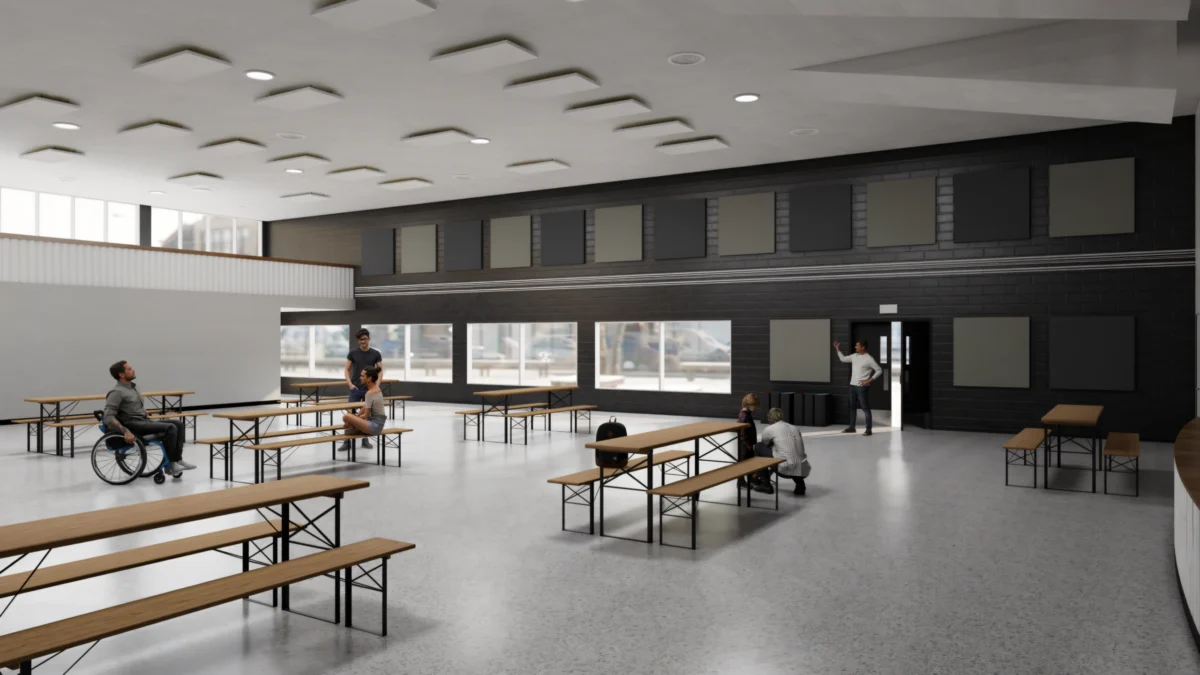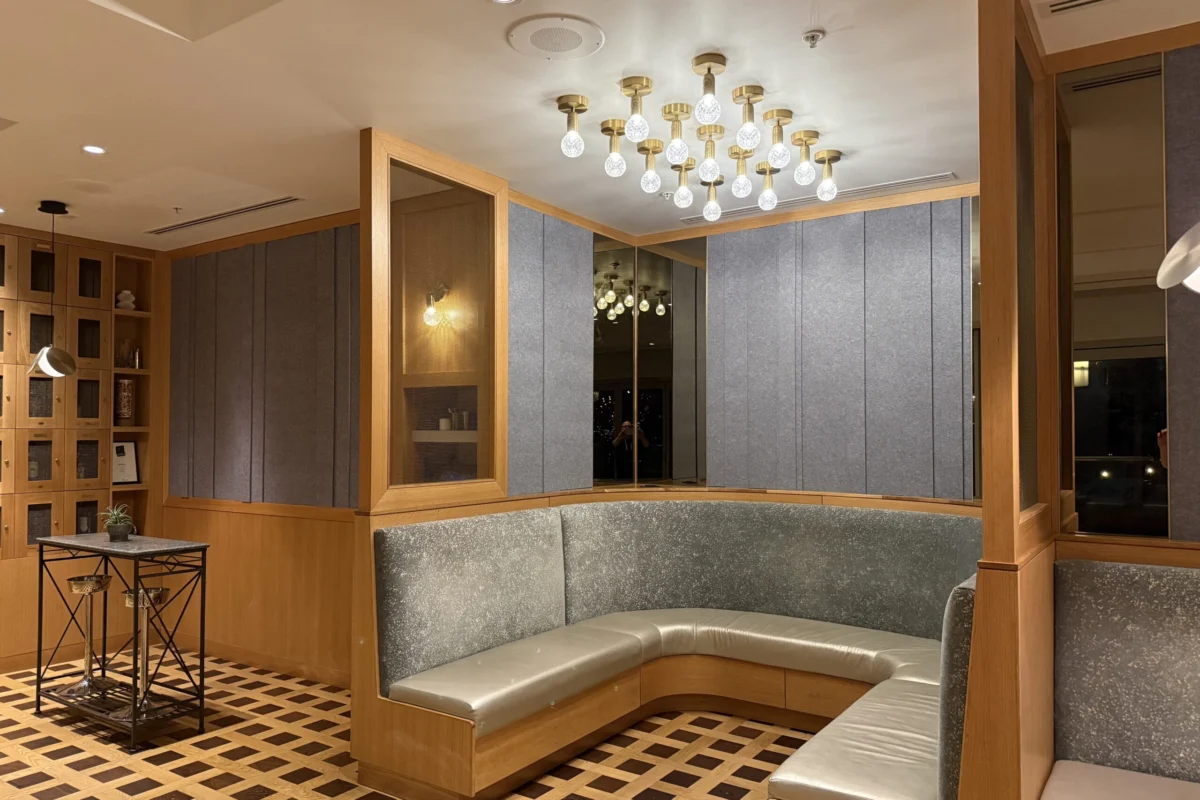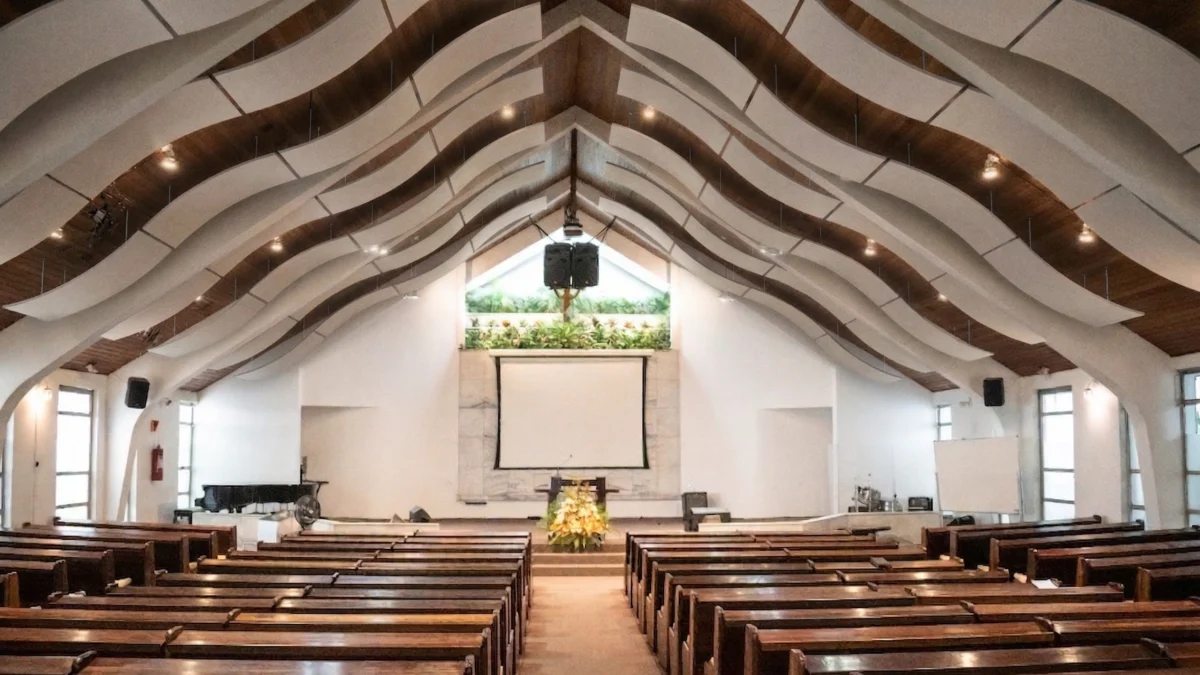
In the world of interior design and architecture, the most pervasive myth is that acoustic management is a "one-size-fits-all" commodity. Many assume that a standardized panel applied to a wall will solve the echoes of a bustling restaurant just as effectively as it would the reverberations of a high-end recording studio or a cavernous house of worship. However, the reality of physics—and aesthetics—tells a different story.
No two spaces are identical. Every environment carries its own unique DNA, defined by its architectural geometry, construction materials, intended usage, and the emotional atmosphere it is designed to cultivate. To treat a space effectively, the industry is shifting away from off-the-shelf solutions toward a philosophy of flexible, tailored acoustic integration.
The Myth of Universal Solutions: Why Flexibility Matters
When architects and designers approach a new project, they are often faced with a tug-of-war between technical performance and aesthetic integrity. Standardized acoustic treatments often force a compromise; they might be highly effective at sound absorption but visually intrusive, clashing with carefully curated color palettes or architectural lines.

The danger of rigid, "one-size-fits-all" approaches is that they stifle creative problem-solving. When a product cannot adapt to a room’s quirks—such as exposed ductwork, slanted ceilings, or irregular floor plans—designers are often forced to install treatments that feel like an afterthought.
True versatility in acoustic design is defined by the ability to scale from simple, functional installations to complex, artful integrations. Whether a space is intended to be sombre and reflective, or lively and high-energy, the acoustic system must be as dynamic as the environment it serves. It must be able to evolve as the room’s usage changes, ensuring that the initial investment remains relevant for years to come.
EcoScapes: A Paradigm Shift in Acoustic Materiality
At the forefront of this shift is Primacoustic’s EcoScapes line, a system engineered to prove that high-performance sound control does not have to sacrifice design freedom. At its core, EcoScapes utilizes high-density PET plastic—a sustainable material sourced from recycled plastic bottles—that provides consistent acoustic performance across an entire suite of product formats.
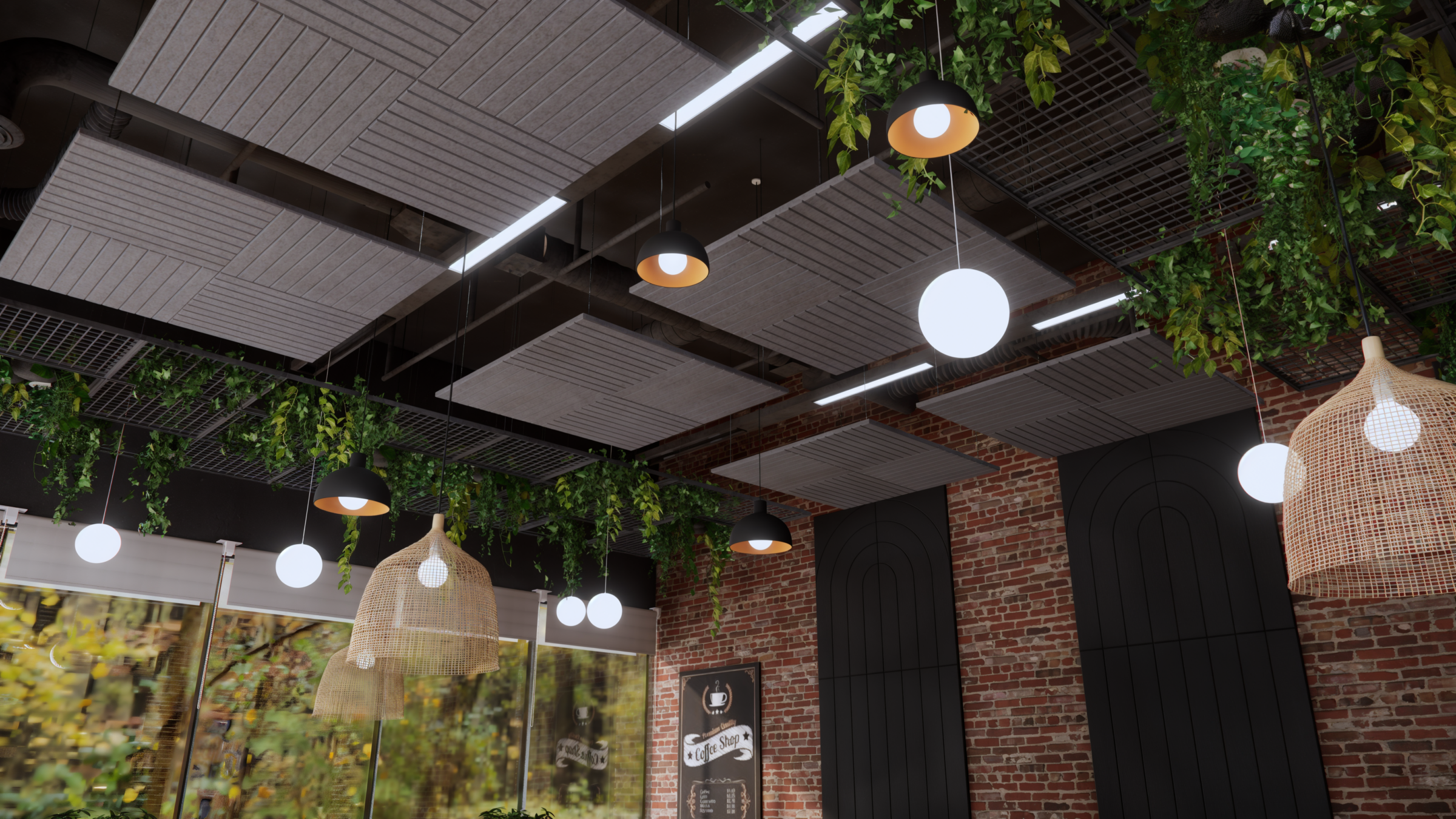
The EcoScapes ecosystem is vast, spanning from standard wall panels and ceiling clouds to more specialized architectural elements like Blades and Dimensional Baffles. What separates this system from traditional offerings is its radical customizability.
Chronology of Innovation: From Basic Panels to Architectural Features
The evolution of acoustic design has moved rapidly over the last decade. Historically, acoustic treatments were bulky, foam-based, and strictly utilitarian. Today, the focus has shifted toward "stealth acoustics"—where the treatment is integrated into the architecture itself.
- The Early Era: Focused strictly on density and absorption, often resulting in "egg-crate" style foam panels that were aesthetically limited.
- The Transitional Phase: The introduction of fabric-wrapped rigid fiberglass, which offered a cleaner look but remained limited by standard sizing and rigid rectangular shapes.
- The Current Standard: Modern systems like EcoScapes represent a leap forward. By utilizing CNC-precision cutting and versatile PET substrates, modern treatments can be carved, painted, printed, or shaped to mimic existing architectural features, essentially disappearing into the design while maintaining peak acoustic performance.
Supporting Data: Why "Custom" is the New Baseline
In the professional acoustic industry, the term "custom" is no longer a premium, once-in-a-while request; it is a fundamental requirement. Data from architectural firms suggest that over 80% of modern commercial builds involve non-standard ceiling heights or non-orthogonal wall layouts.

When a space has these unique variables, traditional rectangular panels often leave "acoustic gaps" or require awkward trimming that compromises the material’s structural integrity. The EcoScapes system bypasses this through its ability to be precision-cut on-site or factory-carved via CNC to exact specifications. This allows the integrator to treat the acoustic material as a building block rather than a finishing accessory.
The Role of Advanced Components: Blades, Baffles, and Contour
To address the diverse challenges of modern construction, Primacoustic has expanded the EcoScapes line to include components designed for specific spatial needs:
- EcoScapes Blades: These are designed for ceiling-mounted applications, leveraging the most significant untapped reflective surface in most buildings. They can be arrayed in patterns that add visual texture while effectively breaking up sound waves before they reach the floor.
- Dimensional Baffles: These offer a 3D solution to common problems. They are frequently used to hide unsightly infrastructure—like pipes or HVAC conduits—while simultaneously providing acoustic relief. Their geometry can be designed to complement exposed rafters or beams, turning a visual obstacle into a design focal point.
- Contour Carved Panels: Perhaps the most artistic of the range, these panels allow for the creation of murals, logos, or geometric textures. By using CNC-carved patterns, the panel itself becomes a piece of wall art. This is a critical advantage for branding-conscious clients, such as corporate headquarters or high-end retail spaces.
Official Perspectives and Industry Feedback
Industry professionals are finding that the "solution-first" approach taken by manufacturers like Primacoustic is changing the client-integrator relationship.

Marty Nightingale of Paramount Automation notes, "With both Paramount and Primacoustic, it’s like, ‘this is a challenge, not a problem; let’s figure it out.’" This collaborative spirit is essential when dealing with historic renovations or high-tech event spaces where standard calculators often fail to predict how sound will behave in a room with irregular geometry.
Iain Fletcher, Director of Club Outlets at the Terminal City Club, shared a poignant example of the power of modern acoustic design: "Terminal City Club had won several design awards, so we wanted people to hear the difference, but not see the difference." The result was an installation where the acoustic treatment was so seamlessly integrated into the existing design that visitors were left wondering why the room suddenly sounded so much better without being able to identify the panels. This "invisible" performance is the gold standard of modern acoustic architecture.
Implications for the Future: A "Solution-First" Workflow
The future of acoustic design lies in the integration of technology and manufacturing. Dealers and architects no longer just order a product; they engage in a digital workflow that allows for the pre-visualization of the acoustic environment.

Primacoustic provides online tools that allow integrators to input room dimensions, material types, and usage requirements to generate a predictive model. This capability transforms the sales process. As Tracey Cochrane of Points West Audio Visual and Acoustics explains: "Instead of me simply saying, ‘Here’s my proposed solution,’ I can actually give [the client] a clear picture of the installation."
This level of transparency removes the "guesswork" from the project, providing clients with the confidence that the solution will work before a single panel is installed. It effectively bridges the gap between the aesthetic vision of the designer and the technical requirements of the audio engineer.
Conclusion: Elevating the Standards of Modern Spaces
As we look toward the next generation of building design, the expectation for high-fidelity environments will only increase. Whether in a high-tech golf simulator where durability is paramount, or a restaurant where conversation must be crisp and intelligible, the acoustic treatment is the silent partner to every successful design.
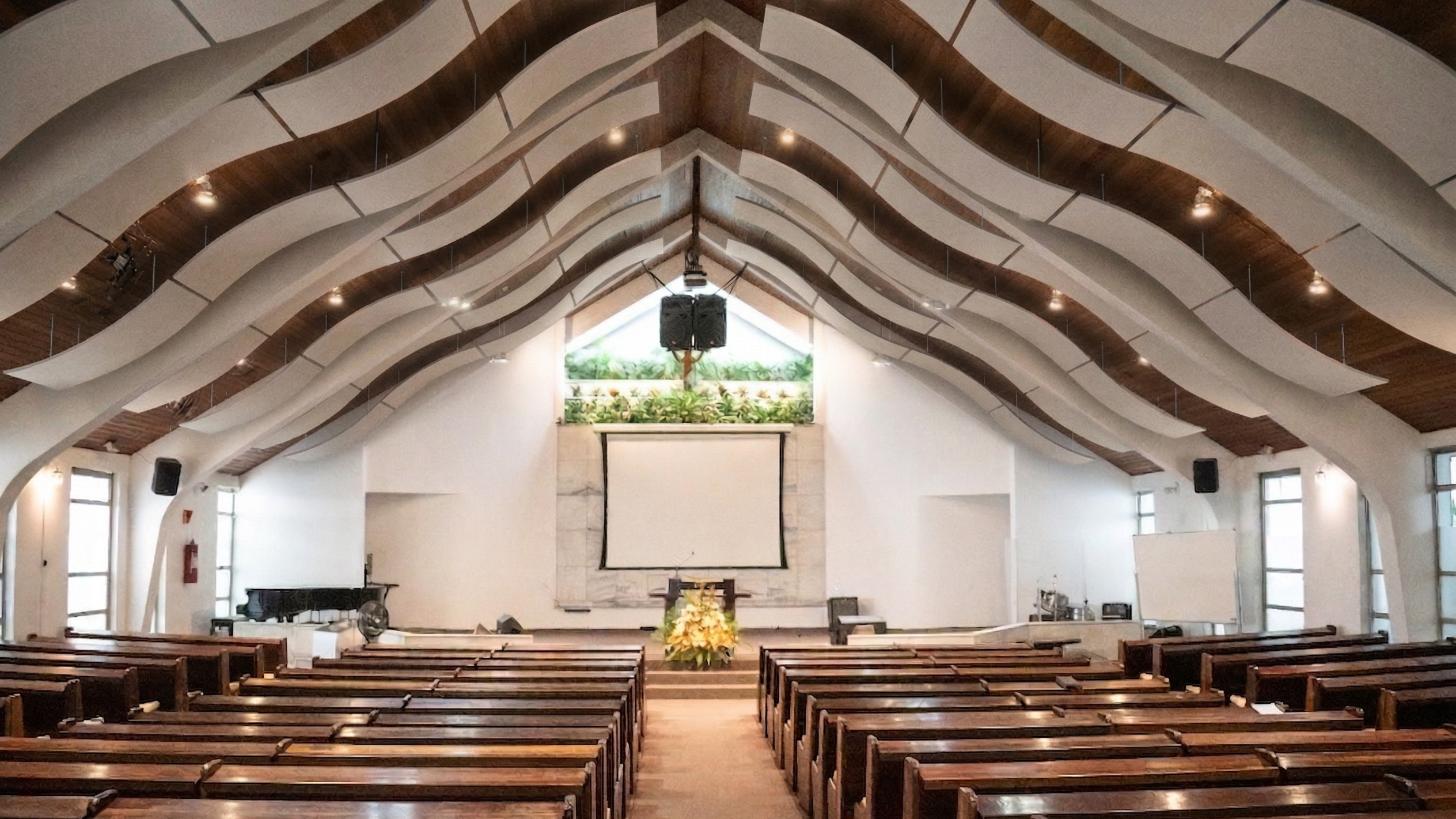
The flexibility provided by systems like EcoScapes ensures that no space is too complex, no ceiling too high, and no brand aesthetic too specific to be accommodated. By prioritizing a "solution-first" partnership, manufacturers and integrators are proving that the most effective acoustic treatments are the ones that work in perfect harmony with the architecture they occupy.
For architects, designers, and project managers, the message is clear: when you stop treating acoustic panels as a list of parts and start treating them as a flexible, sculptural system, you open the door to environments that are as balanced in sound as they are in sight.
For those looking to transform their next project, explore the full potential of the EcoScapes range by visiting Primacoustic.com. Whether you require a personal consultation or want to utilize our suite of online planning tools, we are here to ensure your vision is heard exactly as intended.