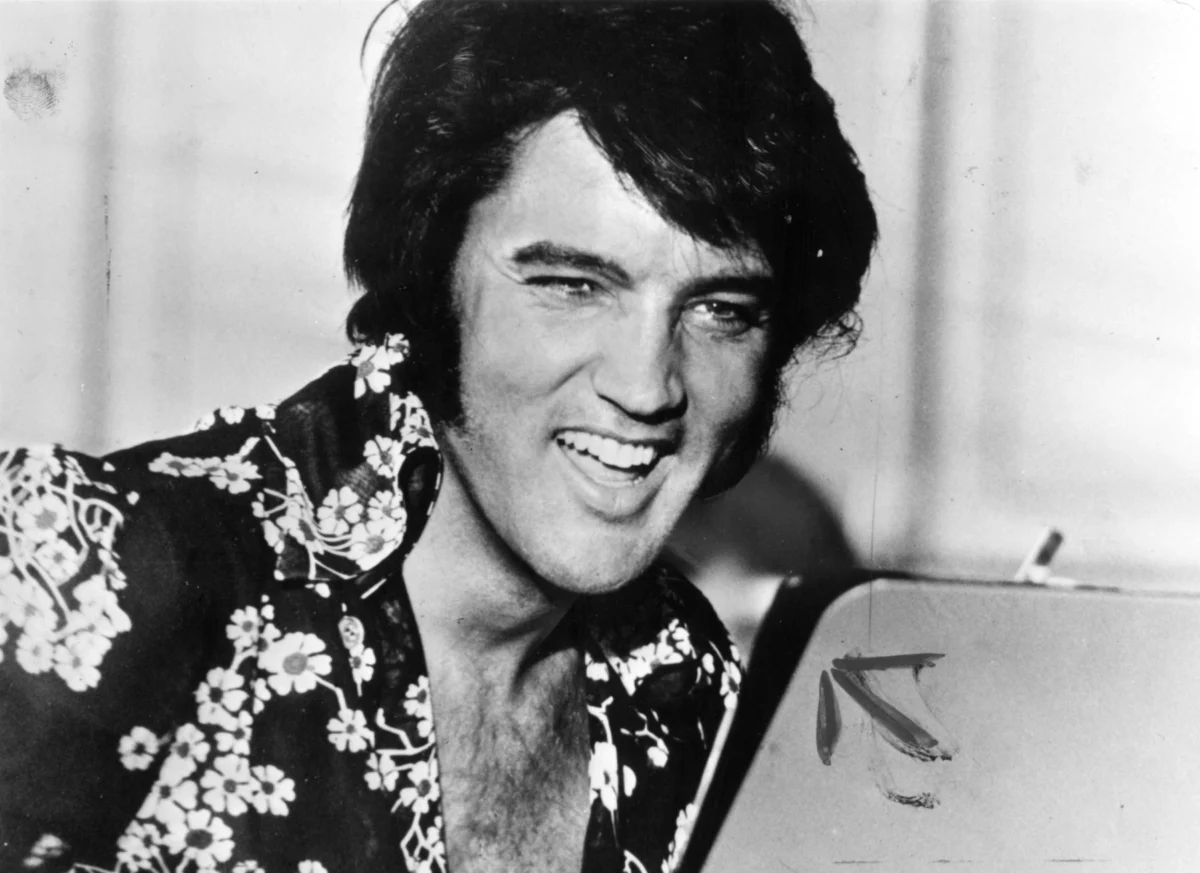
The intersection of artificial intelligence and intellectual property law has reached a fever pitch, moving from abstract debates to the courtroom of federal law. This week, the legal landscape shifted significantly as the estate of Elvis Presley—the undisputed “King of Rock ’n’ Roll”—launched a high-stakes lawsuit against Anthropic, one of the world’s leading artificial intelligence companies.
The litigation, which alleges that the tech giant unlawfully trained its large language models (LLMs) on hundreds of the icon’s copyrighted recordings, marks the most significant escalation in the music industry’s ongoing struggle to protect creative assets in the age of generative AI.
The Main Facts: A Battle Over Intellectual Property
The lawsuit, filed by the owners of the Elvis Presley estate, alleges that Anthropic utilized over 270 of the singer’s most iconic tracks to train its proprietary AI models without authorization or compensation. Among the specific works cited are global standards such as "Can’t Help Falling in Love," "A Little Less Conversation," and "Don’t Be Cruel."
At the heart of the complaint is the fundamental tension between technological innovation and copyright protection. The estate argues that by ingesting vast quantities of copyrighted music to train its models, Anthropic has engaged in massive-scale copyright infringement. The core claim is that these models do not merely "learn" music in a vacuum but reproduce the essence, lyrics, and creative output of artists to generate competing content, thereby devaluing the original work.
For the music industry, this represents a "line in the sand" moment. While labels and publishers have been litigating against AI startups for years, the involvement of the Elvis Presley estate—a cultural institution that oversees one of the most protected and profitable catalogs in history—elevates the case to a level of scrutiny that could set a precedent for all future AI training models.
A Chronology of Conflict: How We Got Here
To understand the gravity of the current situation, one must look at the rapid progression of AI-related legal challenges in the music sector:
- Early 2023: As generative AI tools like Suno and Udio gained public prominence, industry leaders began raising concerns regarding the "data scraping" practices used to build these models.
- Late 2023: Several high-profile copyright lawsuits were initiated by songwriters and publishers, arguing that AI labs were infringing on intellectual property by using protected lyrics and compositions as training data.
- Early 2024: The focus shifted from text-based models to audio-generation models. The industry grew increasingly concerned about "voice cloning" technology, which can mimic the distinct vocal characteristics of famous singers.
- Late 2024 (Pre-Elvis Lawsuit): Reservoir Media filed significant legal actions against both Anthropic and Suno, explicitly naming artists like Madonna, Johnny Cash, and Joni Mitchell as examples of protected works used in training without consent.
- The Current Moment: The Elvis Presley estate’s intervention represents the most aggressive pushback yet. By choosing to sue an industry titan like Anthropic, the estate is signaling that the era of "fair use" as a defense for massive data scraping is nearing its end.
Supporting Data: The Scale of the Infringement
The sheer volume of material at stake is staggering. By alleging that over 270 specific tracks were used, the Elvis estate is highlighting a systematic, rather than incidental, use of their intellectual property.
Industry analysts note that if a model is trained on a "corpus" of data that includes the entire Elvis catalog, the AI essentially develops an intrinsic understanding of his vocal phrasing, lyrical structures, and melodic patterns. The argument put forth by the plaintiffs is that this constitutes a derivative work.
Furthermore, the legal challenge is bolstered by the economic impact of such models. If an AI can generate a song that "sounds like Elvis" or accurately reproduces his lyrics at the prompt of a user, it potentially cannibalizes the market for licensed Elvis recordings, merchandise, and sync licensing opportunities. The loss to the estate is not just in the unauthorized training of the model, but in the long-term dilution of the brand’s exclusivity.
Official Responses and Industry Sentiment
While Anthropic has yet to provide a detailed public rebuttal to the specific claims in the Elvis lawsuit, the company has consistently maintained in past filings that its training processes fall under "fair use" principles. The company argues that AI models are transformative tools that learn patterns in data—much like a human student—rather than engaging in verbatim reproduction.
Legal experts, however, remain skeptical of the "fair use" defense in the context of commercial AI. During recent discussions regarding the broader industry landscape, trademark and copyright lawyers have noted that "this case is the poster child for why the First Amendment and intellectual property rights are currently on a collision course."

The industry is watching closely. Major labels are increasingly coordinating their legal strategies, and the consensus among legal observers is that the Elvis case will likely reach a federal court room that is already burdened with interpreting copyright laws written long before the advent of machine learning.
Implications: The Future of Music and Law
The outcome of the Elvis Presley estate vs. Anthropic will have far-reaching consequences for the entire creative economy.
1. The Death of "Free" Training Data
If the court rules in favor of the estate, AI companies will be forced to secure expensive, court-mandated licenses for every piece of copyrighted music they use in their training sets. This would fundamentally alter the business model of AI labs, shifting them from a "scrape first, ask questions later" approach to a "licensed-content-only" model.
2. Protecting the "Persona"
Beyond just the music, this case highlights the increasing importance of personality rights. As AI gets better at mimicking individual artists, the law must evolve to protect not just the notes on a page, but the very identity of the performer. The Elvis estate is essentially arguing that his "sound" is a property right that cannot be synthesized by an algorithm.
3. A Ripple Effect for Other Industries
While music is at the forefront of this legal battle, the implications extend to literature, film, and visual arts. If it is illegal to train an AI on the lyrics of "Don’t Be Cruel," it will likely be found illegal to train an AI on the novels of Stephen King or the screenplays of major film studios.
4. The Potential for Settlement
Given the astronomical stakes, many analysts expect that this case, like many high-profile intellectual property disputes, may eventually lead to a settlement. However, a settlement would likely involve a historic licensing agreement that sets a standard royalty rate for AI training, effectively creating a new revenue stream for the music industry—or a new barrier for AI startups.
A Broader Legal Context
The Legal Beat has tracked several other developments this week that underscore the litigious nature of the current music industry:
- The My Chemical Romance Trademark Dispute: The band’s run-in with the Dallas Cowboys Cheerleaders serves as a reminder that intellectual property is not just about music; it is about branding, likeness, and the visual identity of icons.
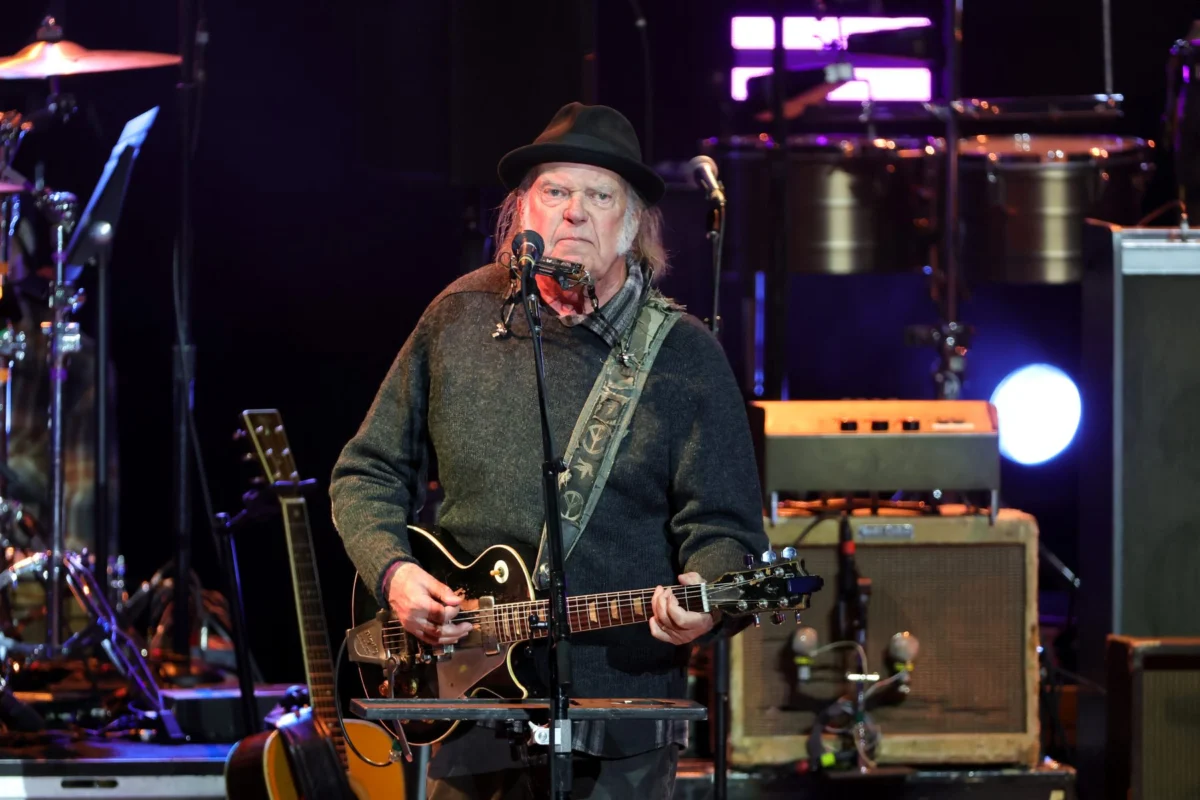
- Neil Young and the Political Stage: Young’s ongoing battle with Donald Trump over the use of his music at rallies highlights the artist’s moral rights—the right to control the context in which their music is used, even when a license might be technically valid.
- Streaming Fraud and Bots: The dismissal of the class-action lawsuit against Spotify regarding "bot streams" indicates that courts are currently hesitant to hold platforms liable for the behavior of third-party bad actors, a stark contrast to the direct liability the industry is trying to pin on AI labs.
Conclusion: The King’s Legacy in the Digital Age
Elvis Presley’s career was defined by his ability to redefine the boundaries of popular music. In his death, his estate is once again pushing the boundaries of what is possible—this time, in the halls of justice.
Whether this lawsuit succeeds in curtailing the unchecked expansion of AI or forces a new, structured framework for digital innovation remains to be seen. What is clear, however, is that the music industry is no longer content to sit on the sidelines. By taking on the most powerful AI companies in the world, the King of Rock ’n’ Roll is once again leading the charge, reminding the world that even in an age of algorithms, human creativity remains a force that demands respect and protection.
As we continue to monitor this case, the industry remains at a crossroads. The promise of generative AI is immense, but the cost—if it requires the wholesale appropriation of our cultural heritage—is one that the creators of that heritage are no longer willing to pay.