The Core Conflict: A $10 Million Legal Challenge
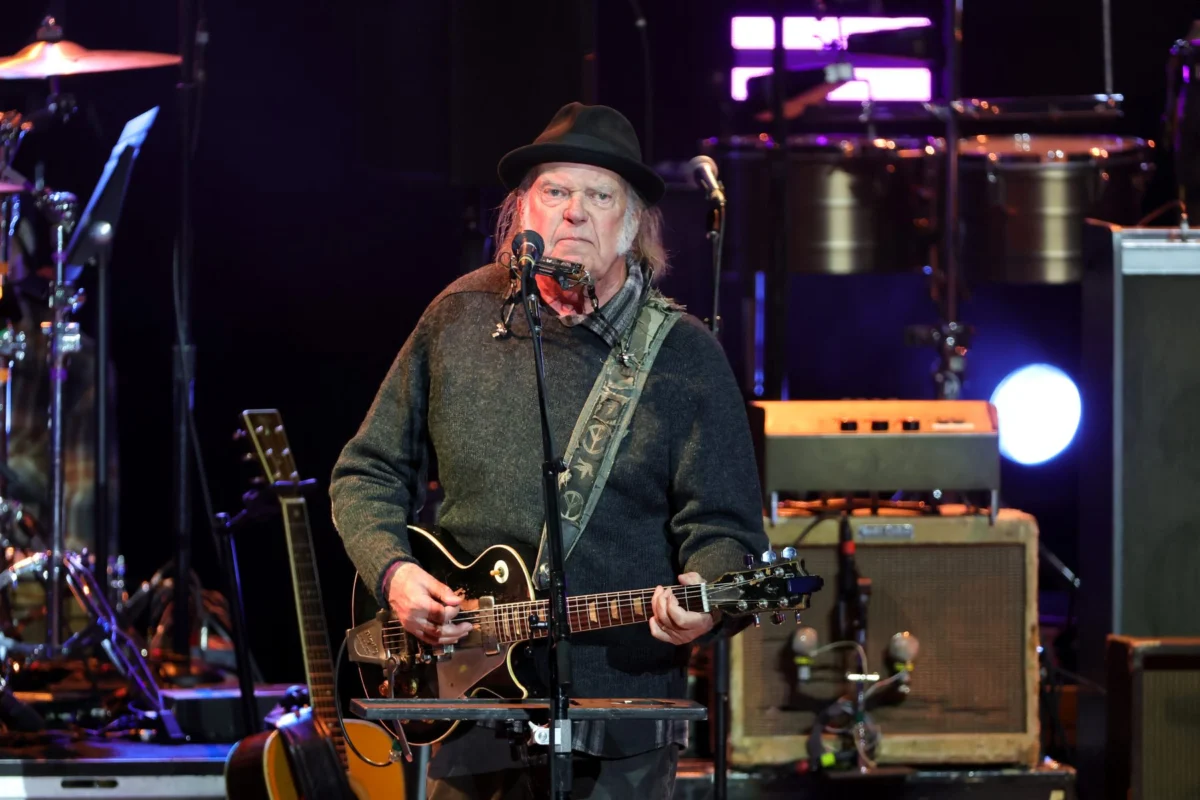
In a move that underscores the ongoing friction between high-profile musicians and political campaigns, rock icon Neil Young has launched a fresh copyright infringement lawsuit against the "Trump 47 Committee Inc." The complaint, filed on Monday, October 26, demands $10 million in damages, alleging that the former president’s political action committee willfully used his seminal 1989 hit, "Rockin’ in the Free World," during a mid-October rally in Youngstown, Ohio.
The lawsuit serves as a defiant reminder that the battle over intellectual property in the digital age has moved from the recording studio to the political dais. For Young, this is not merely a matter of lost licensing fees; it is a fundamental clash of values. His legal team has explicitly stated that the song—a searing critique of the disparities within American society—is "the opposite of everything that Donald J. Trump stands for."
A Chronology of Contention: A Recurring Legal Saga
This litigation is far from a spontaneous reaction; it is the latest chapter in a multi-year saga of legal skirmishes between the legendary singer-songwriter and Donald Trump.
- The 2020 Precedent: During the 2020 presidential campaign, Young filed a similar lawsuit against the Trump campaign for the unauthorized use of the same track. That legal battle concluded with a settlement in which the Trump campaign reportedly pledged to never again utilize Young’s catalog without explicit authorization.
- The October 12 Infraction: According to the recent filing, the Trump 47 Committee allegedly violated that previous agreement by using the song as a walk-up anthem at a rally intended to galvanize voters for the midterm elections.
- The Current Filing: By filing on October 26, Young is signaling that the prior settlement was insufficient to deter the campaign’s practices, prompting his request for both monetary damages and a permanent injunction to prevent further unauthorized usage.
Supporting Data: Decoding the Song’s Intent
Central to Young’s argument is the nature of the song itself. The legal complaint provides a detailed analysis of "Rockin’ in the Free World," arguing that the campaign’s usage constitutes a fundamental misrepresentation of the work.
"‘Rockin’ in the Free World’ is a blistering anthem that contrasts the hollow promises of American political rhetoric with the harsh realities faced by the poor, the homeless, and the forgotten," the lawsuit asserts. The filing highlights the song’s lyrical focus: "The lyrics paint vivid street-level portraits—a mother discarding her baby, addicts lost in despair, garbage piling in the shadows of prosperity—while the repeated chorus delivers a savage irony, celebrating freedom that clearly isn’t shared by all."
By juxtaposing the song’s gritty, observational tone against the upbeat, nationalist messaging of a campaign rally, Young’s legal counsel argues that the campaign has not only stolen the song but has fundamentally altered its cultural meaning, thereby damaging the artist’s brand and reputation.

The Broader Landscape: A Trend of Musical Resistance
Neil Young’s lawsuit is indicative of a broader trend in American politics. Over the past decade, dozens of artists have publicly denounced the use of their music by political campaigns, particularly that of Donald Trump.
Recent Notable Cases
- The White Stripes: In 2024, the rock duo sued the Trump campaign over the use of their global anthem, "Seven Nation Army." While the case was eventually dropped, it drew significant public attention to the ease with which campaigns can access copyrighted music.
- The Estate of Isaac Hayes: The estate of the late soul legend successfully reached a settlement earlier this year regarding the unauthorized use of "Hold On, I’m Coming." This victory set a high-profile precedent for how estates can protect the legacy of artists against political appropriation.
- Digital Policing: The struggle has expanded into the social media sphere. During his second term, the Trump administration has faced scrutiny for using popular tracks by artists such as Sabrina Carpenter, Olivia Rodrigo, and Ariana Grande in official social media content. Much of this friction has stemmed from the use of these songs in videos promoting aggressive immigration and deportation policies, creating an association that many of these artists find deeply objectionable.
Official Responses and Legal Stance
As of the time of this report, the White House and the Trump 47 Committee have remained largely silent. Requests for comment sent on Monday were not immediately addressed. However, the legal burden on the campaign is significant. Under U.S. copyright law, while campaigns may pay for "blanket licenses" from performance rights organizations (PROs) like ASCAP or BMI to play music at venues, artists often have the legal standing to opt-out or object to the use of their music in specific political contexts.
Young’s lawyers are leaning heavily on the concept of "reputational damage." The argument here is that the mere association with the Trump campaign, in the eyes of the public, constitutes a form of forced endorsement. For an artist who has cultivated a specific anti-establishment brand for over fifty years, this association represents a quantifiable injury.
Implications for Political Campaigning
The outcome of this lawsuit could have far-reaching implications for how political campaigns utilize media in the future.
1. Stricter Vetting Processes
If Young wins or secures a high-value settlement, it may force political campaigns to implement more rigorous legal vetting processes for their playlists. Currently, many campaigns rely on the venue’s blanket license, assuming it covers all legal bases. This case highlights that a venue’s license does not necessarily protect a candidate from a claim of "implied endorsement" or specific artist objections.
2. The Future of "Musical Neutrality"
We are entering an era where the concept of a "neutral" campaign song is vanishing. In the past, campaigns could play almost any popular hit without consequence. Now, with artists becoming more litigious, campaigns may be forced to rely on royalty-free stock music or commission original tracks from supporters, potentially changing the auditory landscape of American politics.

3. Strengthening Artist Rights
For the music industry, this represents a pivotal moment for the "Right of Publicity" and moral rights. If artists can consistently win these cases, it creates a powerful deterrent against the weaponization of pop culture for political ends. It empowers creators to curate the context in which their work is experienced, effectively preventing their art from being co-opted by ideologies they oppose.
Conclusion: A Battle for Artistic Sovereignty
Neil Young’s $10 million lawsuit is more than a dispute over a licensing fee; it is a battle for artistic sovereignty. By taking a stand against the Trump 47 Committee, Young is drawing a line in the sand regarding how intellectual property is utilized in the political arena.
As the case progresses, it will likely serve as a litmus test for the power of artists to control their work in an increasingly polarized political environment. Whether the court sides with the campaign’s reliance on standard licensing or with the artist’s right to protect their reputation and the integrity of their message remains to be seen. However, one thing is certain: the era of "playing whatever you want" at political rallies is coming to a swift and expensive end.
The cultural weight of "Rockin’ in the Free World" has always been rooted in its honesty and its unflinching look at the flaws of the American dream. By fighting to keep that song out of the hands of the current political machine, Neil Young is ensuring that the song remains a mirror to society, rather than a soundtrack for a specific candidate’s agenda.