The late months of 2026 are shaping up to be a defining moment for the intersection of Canadian cultural identity and international musical influence. From the hallowed stage of Nashville’s Grand Ole Opry to the roaring stands of Calgary’s McMahon Stadium, the sounds of country music are bridging borders, celebrating anniversaries, and anchoring some of Canada’s most significant national events.
As the Canadian Country Music Association (CCMA) celebrates its 50th anniversary, the industry finds itself at a pivotal crossroads, balancing deep-rooted domestic talent with the growing, global appetite for the “Nashville sound.” Simultaneously, the Canadian Football League (CFL) has leaned into this musical momentum, selecting American country powerhouse Riley Green to headline the 2026 Grey Cup halftime show, sparking fresh discussions about the role of international stars in Canadian national celebrations.
The Grand Ole Opry Honors the CCMA’s Golden Jubilee
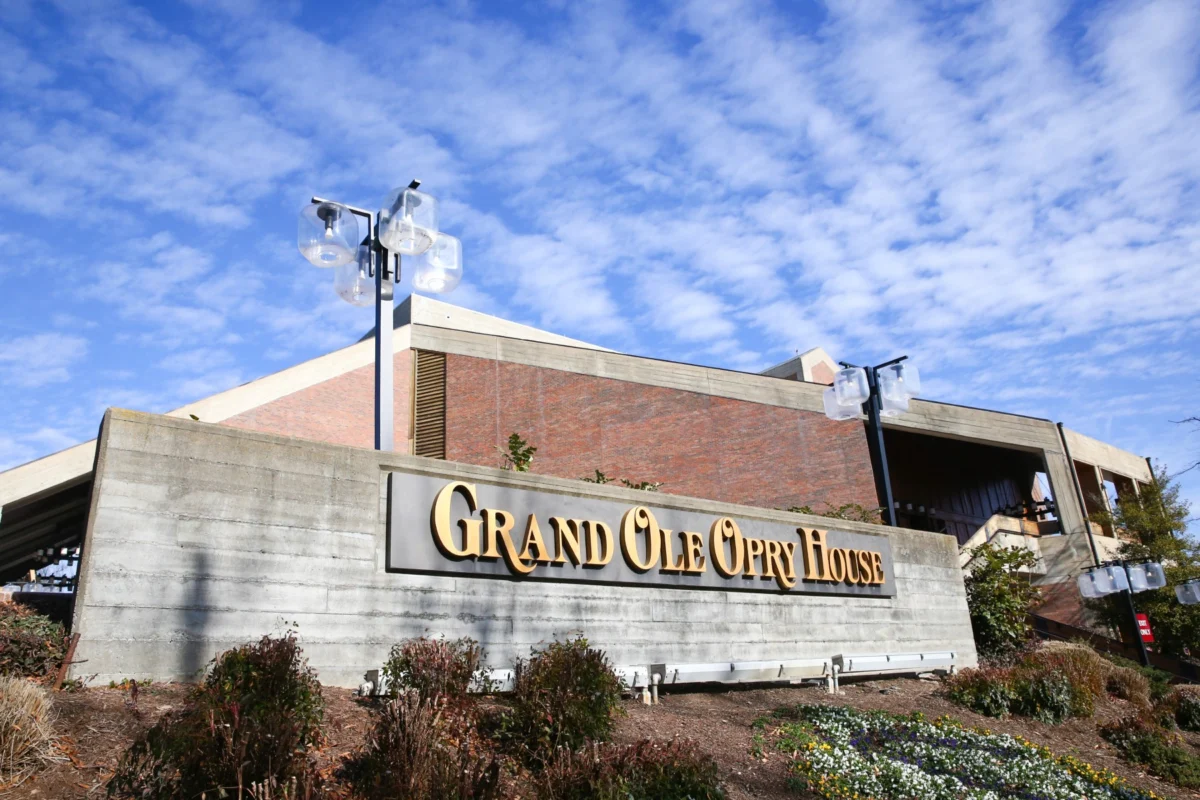
Nashville’s Grand Ole Opry, the world’s longest-running radio show and the spiritual home of country music, has officially turned its attention northward. On October 29, the Opry will host a landmark event titled "Grand Ole Opry: Celebrating 50 Years of the CCMA." This special broadcast, slated to air on iHeartRadio on November 6, serves as a formal recognition of the Canadian Country Music Association’s half-century contribution to the genre.
The event is designed to weave together the fabric of Canadian country music history, featuring a lineup that bridges the gap between the pioneers who established the scene and the modern trailblazers currently dominating the charts.
A Multi-Generational Lineup
The performance roster is a testament to the depth of Canadian talent. Confirmed performers include:
- Terri Clark: An Opry member and a standard-bearer for Canadian country excellence.
- Carolyn Dawn Johnson & Gord Bamford: Veteran voices who have long represented the strength of the Canadian country narrative.
- Paul Brandt & Tami Neilson: Artists celebrated for their distinct styles and dedication to the craft.
- Tenille Arts & Brett Kissel: Representing the new guard, with Kissel recently receiving the prestigious Gary Slaight Humanitarian Award at the 2026 CCMA Awards.
This celebratory broadcast is not merely a concert; it is a strategic acknowledgment of the growing influence of the Canadian market within the global industry.
Chronology of Recognition: Recent Milestones
The inclusion of the CCMA on the Opry stage is the culmination of a series of deliberate, high-profile crossovers that have accelerated throughout 2026.
On September 19, during the CCMA festivities, singer Jess Moskaluke was surprised live on stage with an invitation to make her Grand Ole Opry debut. This moment, captured and shared across social media, served as a poignant reminder of how much the Opry stage remains the ultimate "bucket list" achievement for North American country artists.

This trend of "discovery and invitation" has been consistent. Earlier this year, Kalsey Kulyk was extended an invitation to perform at the Opry following a successful set at the CCMA Legends Showcase. The invitation was delivered via a surprise video message from American superstar Lainey Wilson, underscoring the strong mentorship and collaborative spirit currently linking Nashville and the Canadian industry.
Furthermore, the rising star Stella Lefty has become a focal point of this cultural exchange. Her performance of "Boston"—a track that has enjoyed a multi-week tenure at No. 2 on the Billboard Canadian Hot 100—was recorded for inclusion in the upcoming anniversary broadcast, signaling that the Opry is eager to showcase not just legacy acts, but the current chart-toppers defining the genre today.
Supporting Data: The Rise of Country Music in Canada
The decision to feature country music at the heart of the Grey Cup and on the Opry stage is supported by undeniable commercial data. Country music is no longer a niche genre in Canada; it is a dominant force in the mainstream market.
The "long tail" success of artists like Ella Langley, whose hit "Choosin’ Texas" has secured a position as the third-longest-running No. 1 song in the history of the Billboard Canadian Hot 100, illustrates the appetite of the Canadian public. This, combined with Riley Green’s own string of four Billboard Canada Country chart-toppers—including "There Was This Girl" and "Worst Way"—provides a clear business case for the current programming.
Moreover, the CCMA has been proactive in fostering international cooperation. In August, the organization launched the inaugural "Canada-Australia Country Music Exchange." This pilot project is designed to facilitate market entry for musicians, creating a blueprint for how mid-sized markets can leverage international partnerships to increase the visibility of their domestic artists.
Official Responses and the "Grey Cup Controversy"
The announcement that Riley Green would headline the 2026 Grey Cup halftime show in Calgary has been met with both enthusiasm and a familiar strain of critique. The CFL has historically faced pressure regarding the cultural composition of its halftime entertainment. Following the controversy surrounding the selection of mgk in 2025, which drew criticism from those advocating for a Canadian-centric lineup, the league is once again navigating the delicate balance of international star power versus domestic national identity.
The CFL’s Strategic Stance
The league views the choice of an artist like Riley Green as a reflection of the current "hot moment" for country music in Canada. Green himself expressed excitement about the opportunity: "I’m excited to finally get to experience a Grey Cup and be part of the energy surrounding it. Getting to perform at halftime in front of that crowd is going to be a hell of a time."
While the criticism regarding the lack of a Canadian headliner persists—particularly given the current geopolitical climate and trade tensions—the pre-game festivities are arguably designed to mollify these concerns. The organizers have heavily invested in Canadian talent for the lead-up:

- National Anthem: Halifax-born icon Sarah McLachlan, who recently garnered headlines for her high-profile collaboration with pop star Olivia Rodrigo, will perform the anthem.
- Special Guests: Canadian legends Jim Cuddy and Greg Keelor of Blue Rodeo are slated for a special performance.
- Kickoff Concert: The James Barker Band, who have maintained a blistering pace of high-profile appearances throughout 2026, will play the pre-game concert.
Implications: A New Era of Cultural Integration
The implications of these events are far-reaching. By positioning country music as the centerpiece of the Grey Cup and celebrating the CCMA at the Grand Ole Opry, Canada is effectively cementing its status as a vital component of the international country music ecosystem.
1. Market Validation
The success of Canadian artists on the Billboard charts, coupled with their consistent invitations to the Grand Ole Opry, validates the investment that the CCMA has made in the development of Canadian talent. It signals that the "border" is increasingly permeable for artists who can connect with audiences through authentic songwriting and performance.
2. The Evolution of the "National Event"
The Grey Cup halftime show is evolving. It is no longer just about musical performance; it is a battleground for defining what a "national" celebration should look like. The move toward country music reflects a shift in Canadian demographics and listening habits, suggesting that the "traditional" choices for national halftime shows are being replaced by genres that offer broader, more reliable demographic reach across the country.
3. Diplomatic Cultural Soft Power
The Canada-Australia Country Music Exchange and the collaborative nature of the Opry’s CCMA anniversary celebration suggest that music is being used as a form of cultural diplomacy. By building these institutional bridges, the Canadian industry is ensuring that it is not isolated, but rather integrated into the global infrastructure of the music business.
Conclusion
As the autumn of 2026 progresses, the Canadian music industry finds itself in a state of high visibility. The convergence of the CCMA’s 50th anniversary, the strategic internationalism of the Grey Cup, and the ongoing chart success of both Canadian and American country artists paints a picture of a genre that is healthy, influential, and undeniably central to the North American cultural experience.
Whether the selection of an American artist for the Grey Cup continues to stir debate remains to be seen. However, the data suggests that the move is part of a broader, intentional strategy to lean into the massive popularity of country music across Canada. As these events unfold, they will undoubtedly serve as a case study for how nations balance the celebration of local achievement with the necessity of engaging in the global musical conversation. The stage is set—both in Nashville and in Calgary—for a season that honors the past while aggressively pursuing a globalized future.