In the high-stakes world of professional audio, few figures bridge the gap between vintage analog warmth and the cutting edge of immersive digital sound as effectively as David Kalmusky. A musician, producer, and engineer whose career has spanned global stages and the world’s most prestigious recording facilities, Kalmusky has become a cornerstone of modern production. Whether he is restoring multi-track tapes from the 1990s or calibrating a 7.1.4 Dolby Atmos mix room, his philosophy remains consistent: music is a collaborative, human endeavor that thrives on shared energy.
The Foundation: A Legacy of Collaboration
David Kalmusky’s resume reads like a map of modern music history. His tenure as a professional guitarist took him across the globe, providing him with a "performer’s perspective" that he still applies to every production he oversees. Over the years, he has built an elite discography, contributing his technical and creative expertise to projects involving icons such as Shawn Mendes, Carrie Underwood, John Legend, Joss Stone, Mötley Crüe, Justin Bieber, Mickey Guyton, Journey, Keb Mo, Taj Mahal, Keith Urban, and John Oates.
Despite this extensive history, Kalmusky is not one to rest on his laurels. His current focus is a vibrant mix of new talent and legacy projects, ranging from contemporary artists like Amy Peters, The Protomen, and Meghan Patrick to the rootsy, compelling sounds of Anders Osborne and Dan Marshall. This diversity, he notes, is essential to his creative process. "I signed to Jonas Entertainment Group, and they’ve been sending me lots of amazing artists across many different genres, different eras," Kalmusky explains. "Some days, we make an iPhone work tape and a voice memo. Other days, we jump on the drums and we jump on keys. There’s a single out right now by Dan Marshall, ‘This Is Heaven,’ and that whole track was done in this room with me literally running around—I played drums and steel guitar and electric guitar and piano and synth, all in one afternoon."
A Chronology of Craft
Kalmusky’s trajectory from a touring guitarist to a studio architect was not accidental; it was a methodical evolution defined by an obsession with sonic quality. Early in his career, he focused on mastering the "feel" of live performance—the nuance of a guitar string or the snap of a snare drum. As he transitioned into studio management and production, he brought that tactile sensitivity with him.
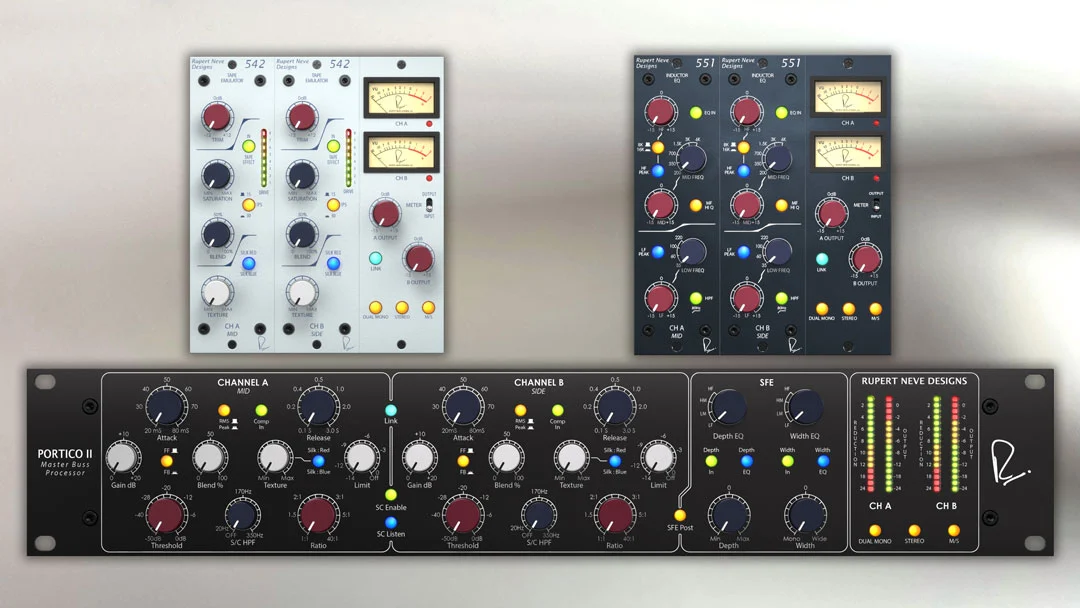
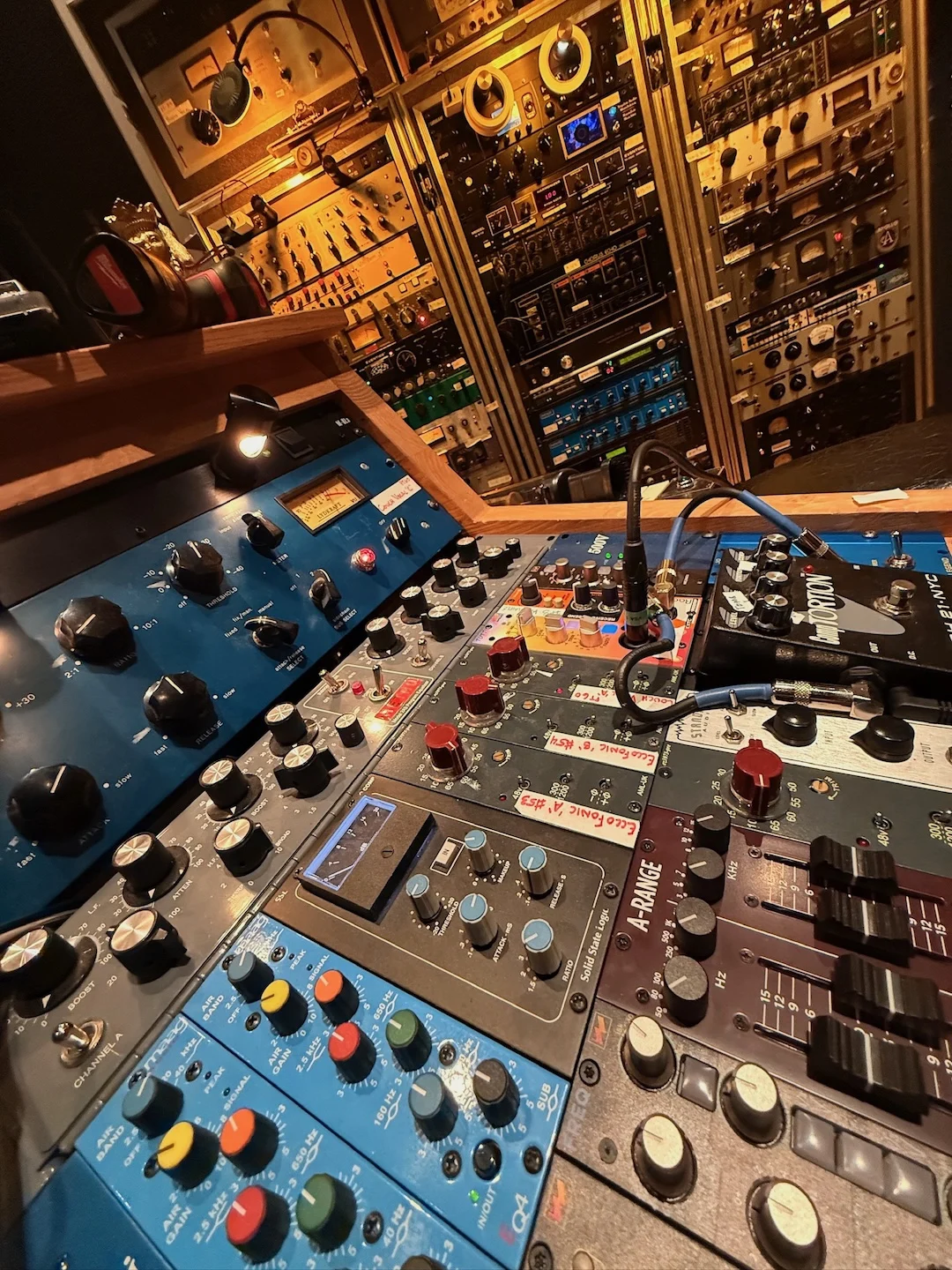
In recent years, his studio environment has become a testament to the "best of both worlds" approach. His facility features a sophisticated Trident TSM console at its heart, flanked by a producer’s desk loaded with industry-standard outboard gear: the TubeTech CL1b, Retro 2A3 Precision Stereo Tube EQ, Maag Air Band, SSL G Comp, and the pristine signal path of Wolff Audio preamps and FREQs.
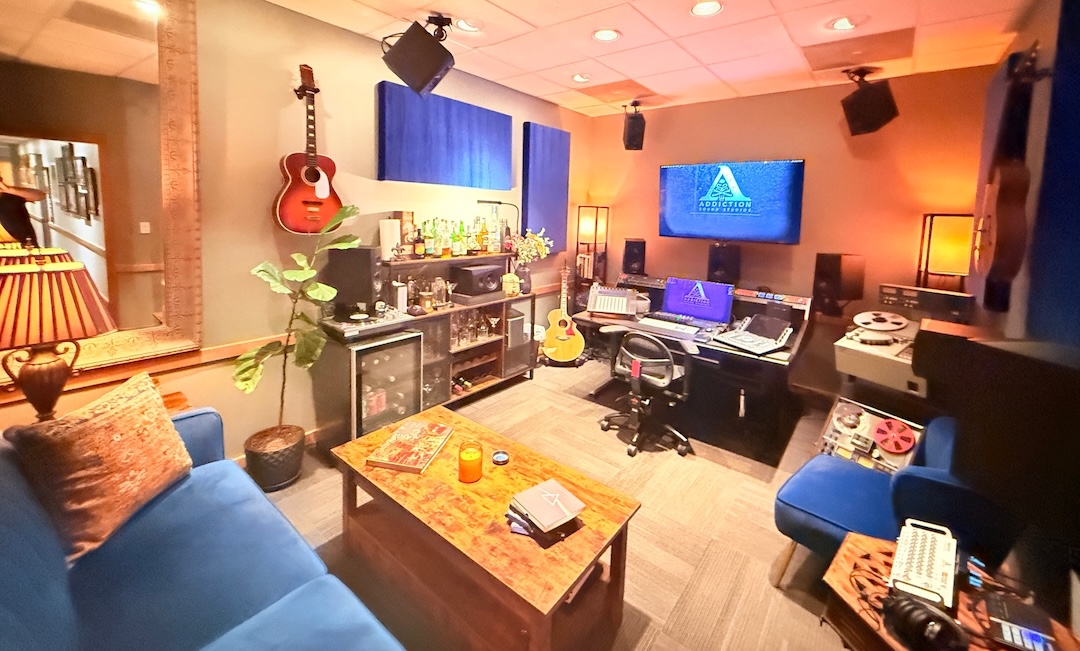
However, the real hallmark of his current setup is the integration of modern immersive audio with classic analog capture. Down the hall from the main recording space, Kalmusky has constructed a 7.1.4 Dolby Atmos mix room. This room is not just a digital workstation; it is a space where a turntable and a ¼-inch tape machine sit alongside state-of-the-art monitoring. This juxtaposition underscores his belief that while technology changes, the soul of a recording remains rooted in the physical properties of sound.
Supporting Data: The Human Capital of the Studio
If Kalmusky is the architect, his staff and alumni are the builders. His commitment to mentoring the next generation of audio engineers is arguably his most significant contribution to the industry. Many of his current team members are graduates of the Blackbird Academy, specifically hand-picked from the top tier of students mentored by the late, great Mark Rubel.
"They don’t stay Blackbird grads for long," Kalmusky says with pride. "They quickly become my engineers and assistant engineers and mix assistants." The roster of talent that has cycled through his studio—including David Shyver, Cam Solen, Ari Phillips, Roland Gnadt, and JD Halstead—forms the backbone of his operational efficiency.
The collaborative nature of his studio was never more evident than during his recent relocation. When it came time to move, the project turned into a "reunion of alumni." Former house engineer Alberto Seawald (now of Gnome Studios) and Bobby Louden (currently with Jay Joyce) returned to lend their expertise, proving that the culture Kalmusky has built is one of long-term loyalty and professional kinship.
Official Insights: The Philosophy of "The Master Class"
In an era where remote, isolated music production is becoming the norm, Kalmusky stands as a vocal advocate for the "in-room" experience. He argues that the magic of a record often happens in the margins—the spontaneous decision made during a session, the shared listening experience of a playback, or the physical interaction between musicians.
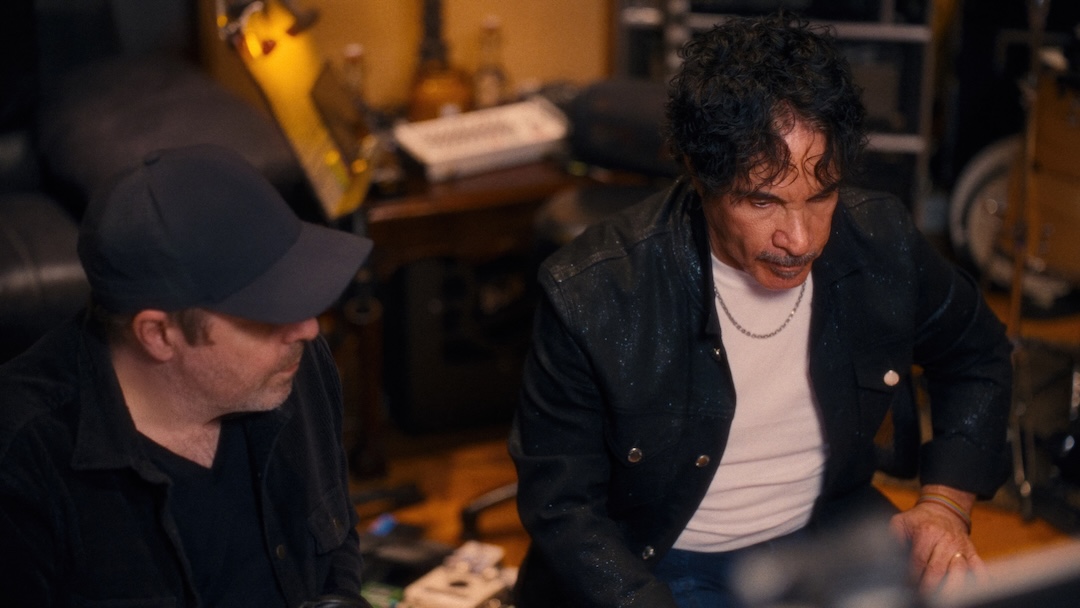
"Music is supposed to be collaborative, not everyone’s ideas being piled on top of everyone else’s ideas in isolation," he states. This sentiment is best exemplified by his recent work with John Oates. Working at the Trident TSM console, the two spent time restoring and mixing a rediscovered multitrack tape vault recording of the track "Goodnight Or Goodbye"—a song captured more than 30 years ago. The process required the delicate touch of an experienced hand, blending decades-old analog recordings with modern production polish.
Kalmusky’s own growth as a professional has been exponential over the last 24 months. "I’ve been making music for a really long time, and over all that time, I think I became a better mix engineer, certainly a better guitar player, a better listener," he reflects. "But in the last two years, I have felt more energized and inspired than I’ve ever been, just by constantly having collaborators in the room with me at every stop along the way, through the entire process. My game has gone up tenfold. It feels like I’ve been living inside a master class just for me."
Implications for the Industry
What does the success of a "Kalmusky-style" studio mean for the future of the audio industry? It suggests that despite the ubiquity of AI and DAW-based automation, there is no replacement for a human-centered, high-end studio environment where gear and talent intersect.
- The Revival of Hybrid Workflows: By maintaining both a top-tier Trident console and a 7.1.4 Atmos room, Kalmusky is signaling to the industry that legacy formats (analog tape, vinyl) and futuristic formats (Atmos, Spatial Audio) are not mutually exclusive. They are complementary.
- Mentorship as Infrastructure: His reliance on a well-trained, cohesive team—and his active role in their professional development—is a blueprint for how boutique studios can survive the pressures of a changing market.
- The Power of the "Room": His insistence on bringing collaborators into the physical space, rather than relying on file-sharing, highlights the "energy" factor that remains the hardest element to replicate in digital production.
As David Kalmusky looks toward the future, his agenda remains full. With new releases from a growing list of artists and a constant stream of technical refinements in his studio, he continues to push the boundaries of what is possible in the recording booth. For Kalmusky, the studio is not just a place of business; it is a living, breathing laboratory where the next great sound is always just one collaborative session away.
For those interested in following his journey or staying updated on the latest in pro audio, Kalmusky’s work serves as a reminder that the best music is made by those who are never done learning, never done listening, and always willing to open the door to the next creative partner.