
Main Facts: The Intersection of High-End Hardware and Reference-Grade Media
As the annual AV Awards testing season reaches its peak, the test rooms of leading home entertainment publications become a crucible of controlled chaos. Amid the constant rotation of cutting-edge Dolby Atmos soundbars, ultra-short-throw (UST) projectors, and state-of-the-art OLED and Mini-LED displays, hardware requires rigorous, uncompromising media to reveal its true performance capabilities.
Achieving a comprehensive assessment of a display’s peak brightness, shadow detail, color accuracy, and motion handling—alongside a sound system’s spatial imaging, bass extension, and dynamic range—demands a curated rotation of cinematic milestones. In this month’s expert curation, reviewers share the specific films and television episodes that serve as the definitive benchmark standards for evaluating modern home cinema engineering. From medieval historical dramas to high-octane blockbusters and gritty spy thrillers, these selections offer the ultimate test for premium AV setups.

Chronology: The Evolution of Audio-Visual Testing Standards
The methodology of home entertainment testing has undergone a radical transformation alongside the evolution of consumer display and audio technologies.
- The Physical Media Era: For decades, testing relied heavily on standard-definition DVDs and early Blu-rays, where visual benchmarks were defined by compression artifacts and basic color fidelity.
- The High-Definition and Surround Sound Boom: The advent of 1080p Blu-ray and 5.1/7.1 lossless audio codecs introduced spatial accuracy and deep black levels as primary metrics for hardware reviews.
- The 4K HDR and Object-Based Audio Revolution: Today, the standard relies on 4K Ultra HD resolution, High Dynamic Range (HDR10, Dolby Vision), and object-based spatial audio formats like Dolby Atmos and DTS:X. This shift has turned modern streaming platforms and ultra-high-bitrate 4K discs into complex stress-tests for local dimming algorithms, peak luminance capabilities, and multi-dimensional speaker arrays.
Supporting Data: Reference Titles Put to the Test
The Last Duel (2021): A Masterclass in Contrast and Color Grading
Directed by Ridley Scott, The Last Duel utilizes a unique triple-perspective narrative to explore 14th-century France. Beyond its dramatic weight, the film serves as an exceptionally demanding test disc for assessing how displays handle complex color palettes and extreme contrast ratios.

- Visual Benchmark: Unlike historical epics that rely on vibrant warmth (such as Scott’s own Gladiator), The Last Duel is bathed in a persistent frosty blue-grey filter.
- Hardware Challenge: This monochromatic, austere aesthetic tests a screen’s ability to render subtle tonal shifts without falling into muddy greys or crushing critical mid-tones. It provides an unforgiving test for modern panels aiming to display bleak realism without losing visual depth.
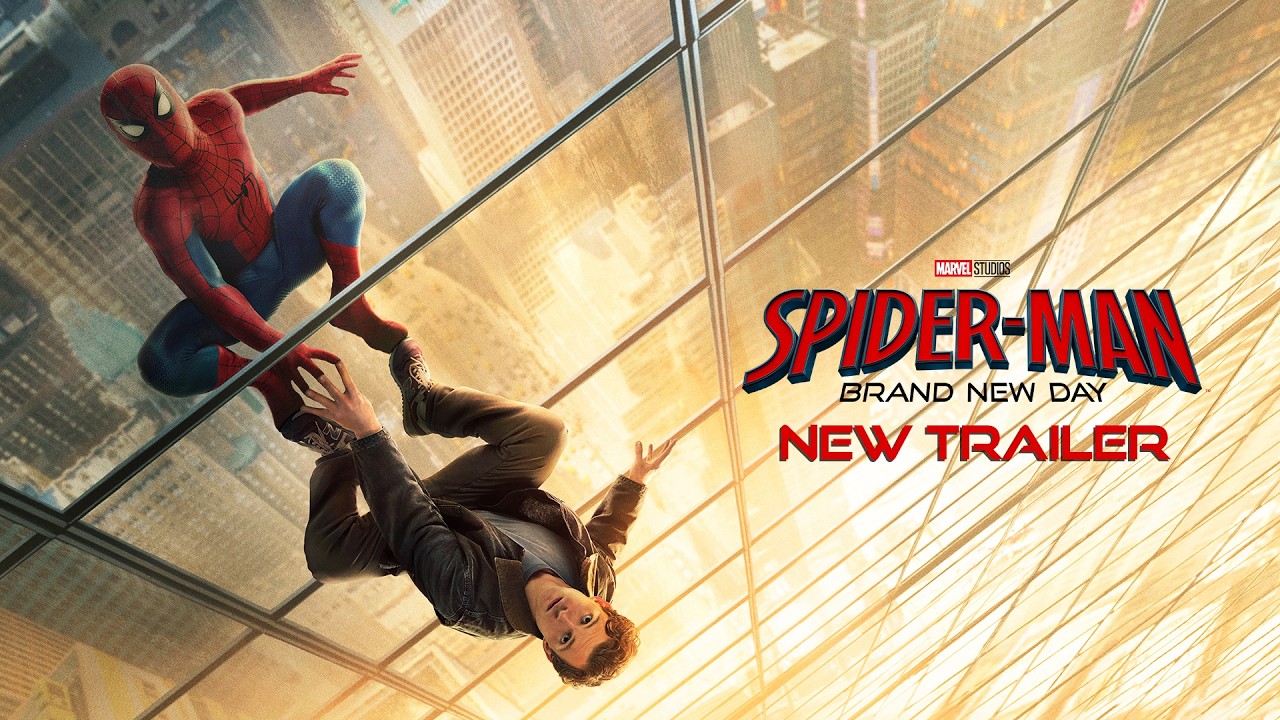
Spider-Man: Brand New Day (2026): Pushing Domestic Box Office and Atmos Boundaries
Dominating the global box office with a staggering $2.45 billion worldwide, Spider-Man: Brand New Day has rewritten domestic box office records in the United States, outperforming historical heavyweights like Avengers: Endgame.
- Audio-Visual Benchmark: Directed by Destin Daniel Cretton, the film pairs a grittier visual palette with a dynamic soundtrack featuring standout needle-drops like Tame Impala’s Loser and Steve Lacy’s Oh Yeah?, underscored by Michael Giacchino’s tight musical composition.
- Hardware Challenge: Reviewers look to this title to evaluate how multi-speaker Dolby Atmos setups handle complex directional soundscapes, ensuring that dialogue remains crisp amidst heavy acoustic layers and explosive action set pieces.
Bumblebee (2018): The Definitive Low-Frequency and Spatial Sound Test
Often hailed as the creative high-water mark of the Transformers franchise, 2018’s Bumblebee blends 1980s nostalgia with high-octane sci-fi action.

- Audio Benchmark: The film’s turbulent opening sequence—where an army training exercise is interrupted by the protagonist crashing onto Earth like a fiery comet—acts as an immediate litmus test for subwoofer performance and low-frequency extension.
- Hardware Challenge: Subwoofers and discrete bass drivers must deliver tightly controlled, earth-shaking impact without bleeding into midrange frequencies. Simultaneously, overhead mixing demands that flying aircraft track accurately across spatial audio layouts from ceiling-mounted or up-firing channels.
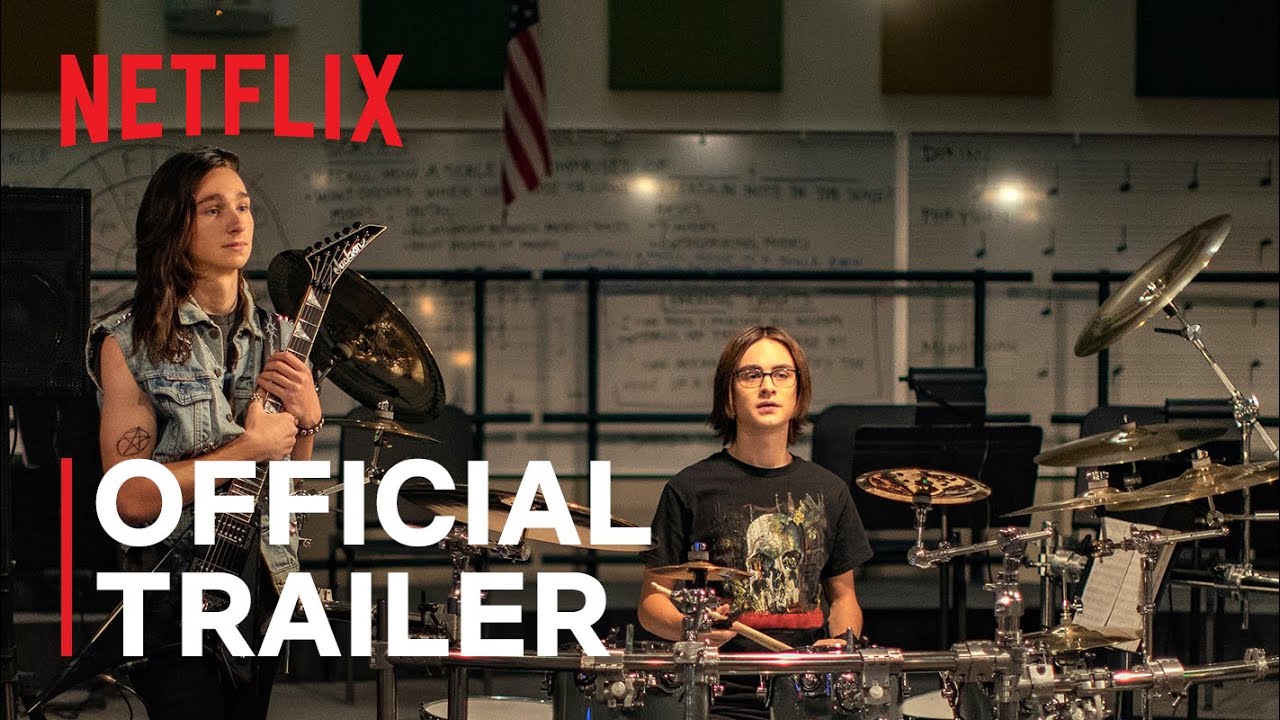
Metal Lords (2022): Capturing Acoustic Passion and Musical Authenticity
Peter Sollett’s heartfelt comedy-drama follows two teenage outcasts attempting to conquer a battle-of-the-band competition with the help of a classical cellist.
- Acoustic Benchmark: While not a traditional technical showcase, the film captures the raw passion of youthful music discovery and features iconic cameos from metal legends including Tom Morello, Scott Ian, Kirk Hammett, and Rob Halford.
- Hardware Challenge: For hi-fi enthusiasts, the film tests a system’s ability to convey the raw texture of electric guitars, vocal grit, and acoustic instrumentation with natural warmth and musicality.
Slow Horses – Season 6 (2026): Stress-Testing Dark Scenes and Spatial Dialogue
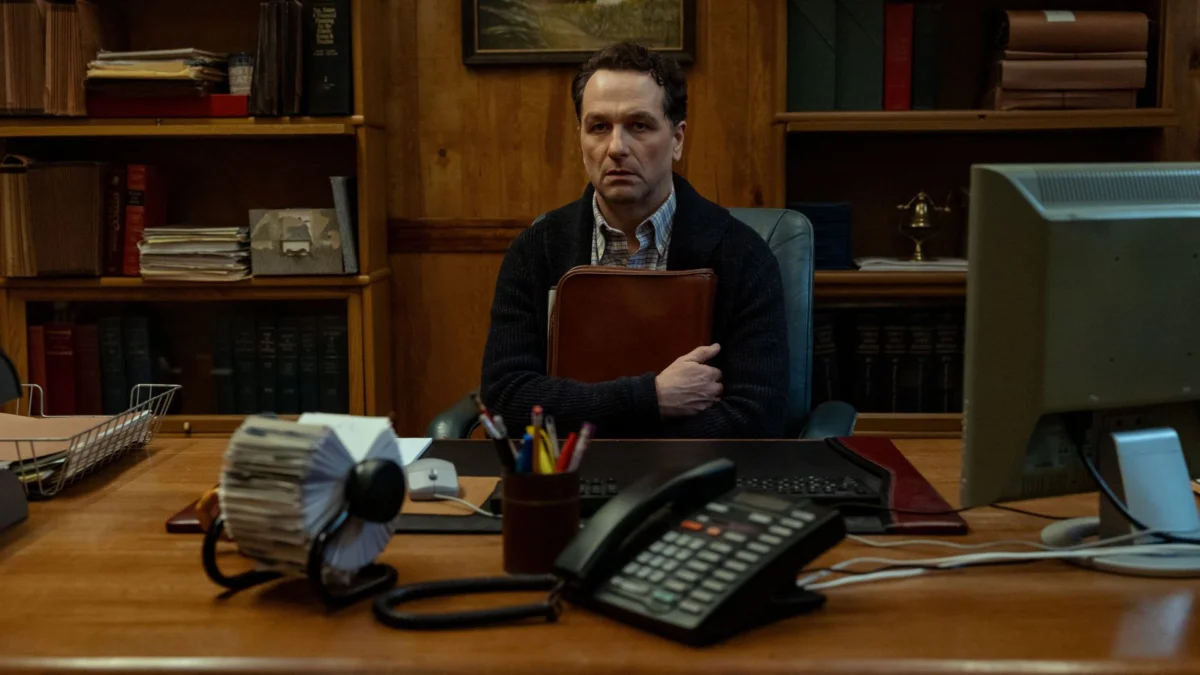
Apple TV+’s critically acclaimed espionage drama returns for its sixth season, maintaining its signature dry wit and high-stakes tension centered around MI5’s rejected agents operating out of Slough House.
- Visual & Audio Benchmark: Episode opening "Circle of Life" leans heavily into dreary, rain-soaked London aesthetics. The narrative frequently places characters creeping through murky, poorly lit environments.
- Hardware Challenge: This season serves as an elite test for display technology. OLED and advanced Mini-LED TVs must maintain deep, inky black levels while preserving intricate shadow detail; otherwise, crucial character interactions risk disappearing into unreadable darkness. On the audio front, the bustling, claustrophobic atmosphere of London streets relies on precise Dolby Atmos spatial placement to anchor ambient city noise.
Official Industry Responses and Expert Commentary
Industry professionals emphasize that the choice of test material directly influences consumer hardware development. As display manufacturers push peak luminance boundaries past 3,000 nits and audio brands refine wireless spatial calibration, content creators are challenged to pack higher dynamic range and lossless audio tracks into both physical media and streaming bitstreams.
Audio-visual engineers regularly collaborate with post-production houses to ensure that reference releases push the envelope of emerging technologies, bridging the gap between cinematic mixing stages and home living environments.
Implications for Consumers and the Future of Home Cinema
The rigorous standards applied during professional product testing carry direct benefits for home theater enthusiasts. By utilizing demanding media like The Last Duel, Slow Horses, and Bumblebee, reviewers can reliably separate marketing hyperbole from genuine hardware performance.
As streaming services adopt higher bitrates and spatial audio formats become standard across entry-level and premium soundbars alike, consumers are increasingly equipped to replicate a theatrical experience at home. However, realizing the full potential of these modern cinematic achievements requires careful matching of display technologies and audio configurations—proving that the synergy between software engineering and hardware capability has never been more critical to the entertainment experience.