Review Date: September 2026
Product: beyerdynamic DT 30 IE Dynamic Driver In-Ear Monitors
Price: $149.99
Rating: 8.4 / 10
Reviewer: Louis (via Headfonics)
Main Facts
The personal audio market is perpetually flooded with consumer-oriented In-Ear Monitors (IEMs) tailored for casual listening, high-resolution streaming, and everyday multimedia consumption. However, true professional-grade gear built to withstand the punishing demands of stage monitoring, field recording, and life on the road occupies a completely separate design paradigm.

Entering this demanding arena is the beyerdynamic DT 30 IE, a newly introduced entry-level dynamic driver IEM priced at $149.99. Designed primarily for musicians, live-sound engineers, and working audio professionals on a budget, the DT 30 IE expands beyerdynamic’s established DT series of professional monitoring solutions.
Key performance and design highlights of the DT 30 IE include:

- Passive Noise Isolation: Up to -39 dB of full-spectrum passive noise attenuation.
- Driver Configuration: Custom-designed, German-engineered 11mm high-performance moving-coil dynamic drivers housed in a slim, closed shell.
- Frequency Response: 5 Hz to 20 kHz.
- Impedance & Sensitivity: 18-ohm impedance with a Sound Pressure Level (SPL) of 111 dB at 1 mW (1 kHz).
- Connectivity & Maintenance: MMCX-type detachable connectors paired with serviceable, replaceable foam cerumen (earwax) filters.
Chronology and Context: The Evolution of the DT Series
To understand where the DT 30 IE fits into the broader audio landscape, it is necessary to examine beyerdynamic’s rich history in professional audio monitoring. Over decades, the German audio giant has built an unshakeable reputation for rugged, studio-standard transducers.
While consumer-focused brands flood the market with musical, consumer-tuned IEMs—such as recent releases from Sivga, Mangird, and FiiO—beyerdynamic’s DT series targets functional specialization. Historically, each model in the professional DT lineup has served a distinct purpose:

- DT 70: Neutral reference monitoring
- DT 71: Optimized specifically for drummers
- DT 72: Geared toward vocalists
- DT 73: Tuned for synthesizer and acoustic instrument monitoring
The introduction of the DT 30 IE at $149.99 marks a strategic shift toward a more versatile, general-use, full-range monitoring tool. Rather than specializing in a single niche, the DT 30 IE aims to deliver rugged, dependable performance for musicians transitioning between studio spaces, transit lines, and live stages. Following rigorous benchmarking over a 50-hour burn-in period, audio critics have positioned the DT 30 IE as a robust contender in the sub-$150 professional tier.
Supporting Data: Engineering, Design, and Acoustics
Driver Architecture and Specifications
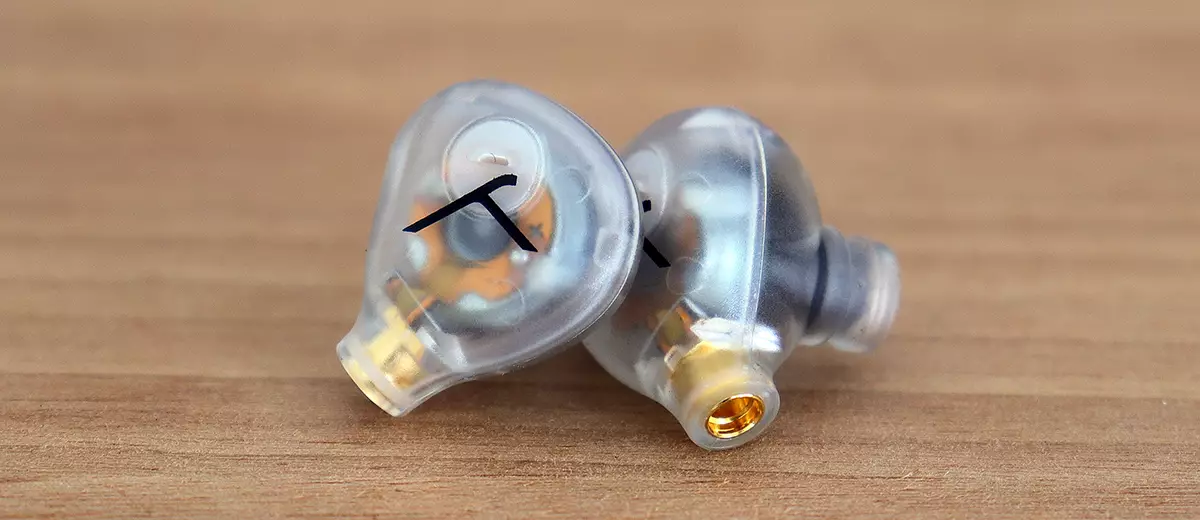
Beneath its frosted, molded plastic exterior lies a specialized 11mm high-performance moving-coil dynamic driver. While beyerdynamic has chosen not to utilize its proprietary high-end Tesla driver technology at this price point, the custom German-designed transducer delivers impressive technical specifications on paper.

With a wide frequency response spanning from 5 Hz to 20 kHz, the DT 30 IE guarantees deep sub-bass extension alongside airy high-frequency delivery. Its low 18-ohm impedance and high 111 dB SPL ensure that the earphones are easily driven by virtually any source—from studio mixing consoles and headphone amplifiers to basic mobile dongles and smartphones.
Physical Design and Ergonomics
One of the most notable physical attributes of the DT 30 IE is its exceptionally thin housing profile. To achieve a low-profile fit that sits flush within the ear, beyerdynamic engineered a notably slim driver unit to match the narrow, closed-back shell.

- Nozzles and Filtration: The output nozzles feature an oval shape with a short stem and integrated cerumen filters. These filters consist of removable foam pieces designed to protect the internal drivers from earwax buildup. beyerdynamic includes an extra set of replacement filters inside the retail packaging.
- Cabling: The IEMs utilize a replaceable silver-plated stock cable wrapped in a transparent rubber insulation layer, reinforced with Kevlar for added durability. It connects via standard MMCX terminations and terminates in a single-ended 3.5mm TRS plug with robust strain relief. Integrated memory wire replaces rigid pre-formed ear hooks, allowing users to customize the shape of the over-ear fit.
- Accessories: The retail package includes a compact laminated square box housing the earbuds, a storage case, a custom plastic mold, the stock cable, replacement cerumen filters, and two complete sets of ear tips (three pairs of color-coded silicone tips and three pairs of memory foam tips).
Isolation Performance
Passive isolation is arguably the defining metric for any stage monitor. The DT 30 IE excels in this domain, boasting an impressive -39 dB of passive noise reduction.
Unlike many consumer IEMs that only manage to block low-frequency rumble or high-frequency hiss, the DT 30 IE provides balanced, full-spectrum attenuation. This makes it an ideal companion not just for stage performers playing in front of high-decibel crowds, but also for urban commuters navigating loud city environments and public transit systems.

Official Performance Breakdown: Sound Impressions
Evaluating the sonic profile of the DT 30 IE reveals a fun, engaging, and energetic presentation that leans slightly toward a U-shaped signature, anchored by a controlled, centered midrange.
1. Bass Response
The low-end performance stands out immediately. Favoring physical impact and tactile rumble over clinical flatness, the 11mm dynamic driver delivers a punchy, warm bass foundation.

- Characteristics: The bass shelf exhibits an elevation starting around 70 Hz, extending smoothly into the lower midrange.
- Application: While it may not satisfy purists searching for a strictly neutral reference bass, modern electronic music, hip-hop, and live rhythm sections benefit immensely from its visceral weight and energy. Despite its warmth, control is maintained well enough to avoid becoming muddy or masking individual notes.
2. Midrange Performance
Dynamic drivers traditionally excel in natural vocal reproduction, and the DT 30 IE continues this trend with a coherent, smooth midrange presentation.
- Vocals: Vocals sound forward, rich, and slightly thick, largely due to the warmth bleeding upward from the lower frequencies.
- Upper Midrange: Upper mids dip slightly in intensity around 1.5 kHz, contributing to the relaxed, non-fatiguing nature of the overall mix. Elements remain clean, distinguishable, and easy to follow within a focused sonic space.
3. Treble Response
The high frequencies offer good clarity, sharpness, and an energetic sparkle without crossing into harshness or piercing sibilance.

- Utility: On stage, the crisp reproduction of high-frequency transients—such as hi-hats, cymbals, and snare snaps—ensures that performers never lose track of timing cues.
4. Soundstage and Imaging
True to its closed-back architecture, the DT 30 IE does not offer an expansive, wide-open soundstage.
- Presentation: The soundstage is intimate, compact, and centered tightly around the listener’s head. Depth is handled notably well, allowing for precise instrument separation and imaging despite the lack of lateral width. This focused presentation keeps the listener immersed squarely in the center of the mix.
Implications for the Market
The launch of the beyerdynamic DT 30 IE at $149.99 carries significant implications for budget-conscious musicians and audio enthusiasts alike:

- Bridging the Consumer-Pro Divide: Many entry-level IEMs prioritize exaggerated consumer V-shaped tunings or overly delicate audiophile detailing that fails under noisy stage conditions. The DT 30 IE successfully bridges the gap, offering stage-ready isolation and robust build quality at an accessible price point.
- Customization and Tip-Rolling Caveats: Due to the unique oval shape and short length of the output nozzles, users must exercise caution when tip-rolling. Selecting longer ear tips can alter the driver-to-ear distance, shifting the acoustic signature away from beyerdynamic’s intended tuning and reducing passive attenuation. Wide-bore alternatives like Tri Clarion tips are recommended for users seeking a slight expansion in soundstage width.
- Ergonomic Considerations: While the memory wire cable offers superior custom-shaping comfort compared to pre-formed ear hooks, microphonic cable noise (when tapped) and stiff rubber chinstraps indicate areas where future iterations could improve.
Final Verdict
Earning a strong 8.4/10 reader rating, the beyerdynamic DT 30 IE proves to be a formidable tool for professionals on the move. By combining exceptional -39 dB passive noise isolation, a comfortable and secure low-profile fit, and an energetic, punchy sonic signature, beyerdynamic has delivered a reliable workhorse monitor that punches well above its $149.99 price tag.