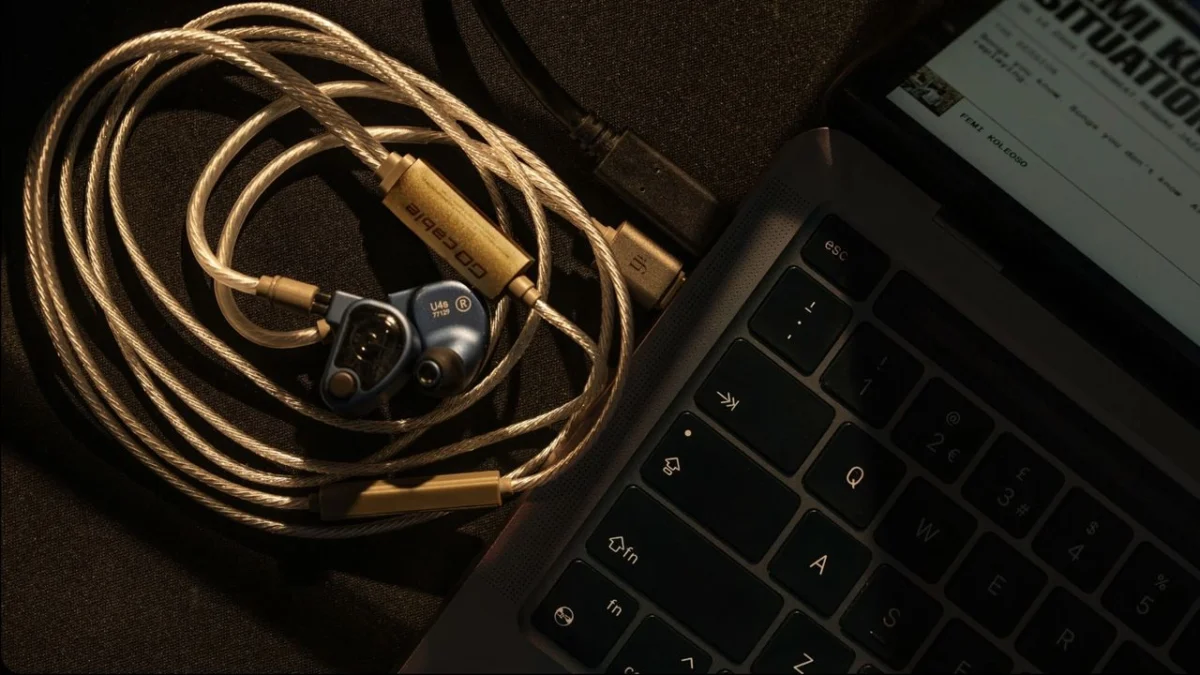
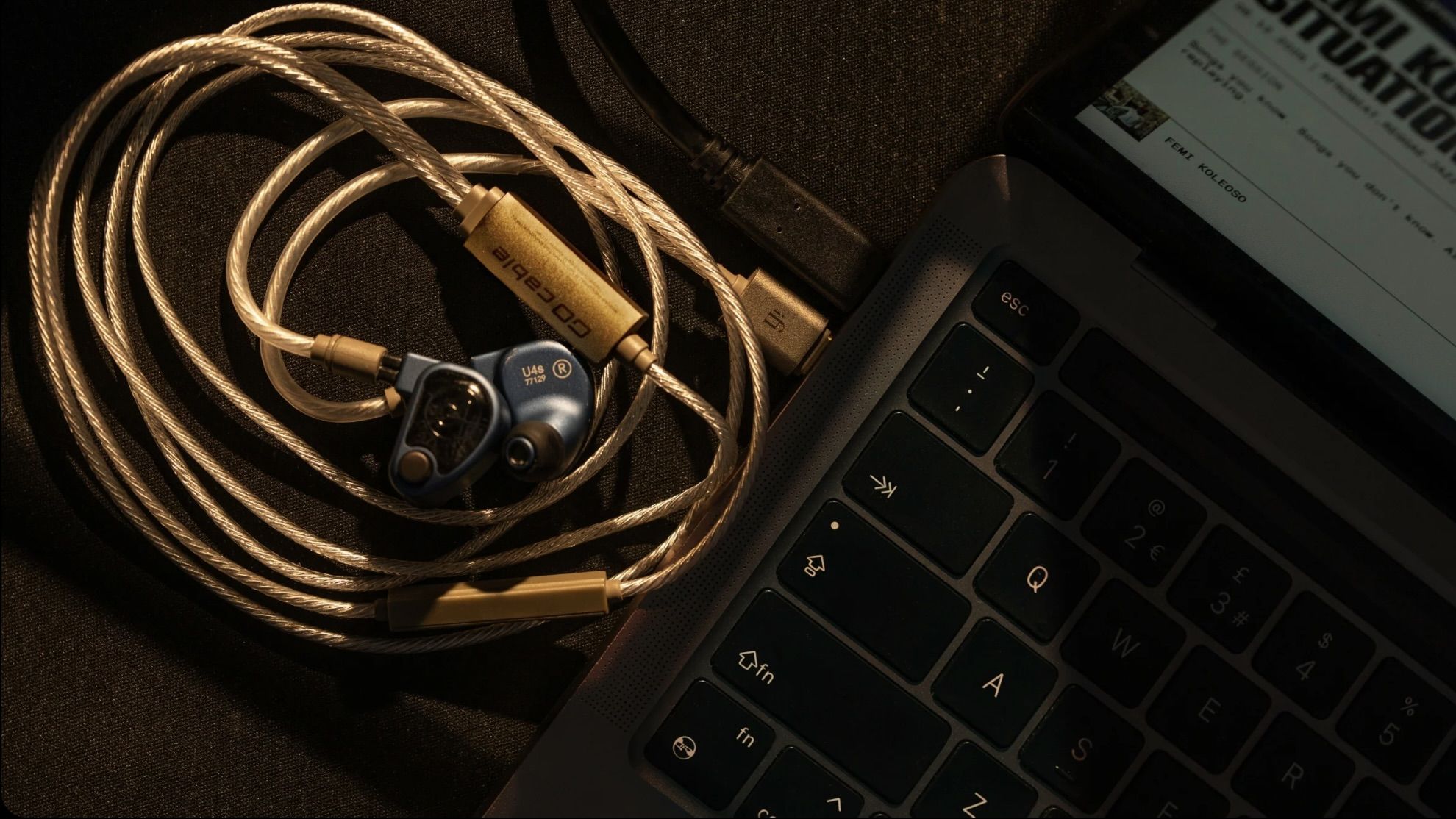
British audio specialist iFi has expanded its portable audio lineup with the introduction of the Go Cable, a remarkably diminutive yet powerful digital-to-analog converter (DAC) and headphone amplifier engineered specifically for in-ear monitor (IEM) users.
Serving as an even more streamlined alternative to the company’s five-star Go Link 2, the Go Cable integrates high-resolution audio processing directly into a USB-C cable. By bypassing a source device’s internal audio architecture entirely, the new hardware promises to unlock unprecedented levels of clarity, dynamics, and sonic detail for listeners on the move.
Main Facts
The iFi Go Cable is designed to bridge the gap between everyday source devices—such as smartphones, tablets, and laptops—and high-end wired in-ear monitors.
- Core Functionality: Combines a high-performance DAC and headphone amplifier directly inside a flexible, silver-plated USB-C audio cable.
- DAC Chipset: Powered by an ESS Sabre DAC architecture capable of supporting high-resolution audio up to PCM 384kHz and DSD256.
- Connectivity: Features a standard USB-C connection on the source end and dual 0.78mm two-pin analog connectors on the output end, tailored to fit the vast majority of universal and custom IEMs.
- Power Output: Delivers an RMS output power of 70mW at 32 ohms, keeping distortion strictly controlled via integrated Total Harmonic Distortion (THD) compensation.
- Extra Features: Includes built-in transport controls, an echo-cancelling microphone for hands-free calling, and specialized compatibility with gaming setups—notably supporting the Nintendo Switch 2’s GameChat feature.
- Pricing & Availability: Available to pre-order now for £79 / $79, with an optional "Go Cable Astra Hi-Res Starter Kit" bundled with AIRO Astra earbuds priced at £99 / $99. Official shipping is slated to commence on September 21st.
Chronology: The Evolution of Portable Audio
The journey toward micro-sized, audiophile-grade portable gear has accelerated rapidly over the last half-decade. Understanding the context of the Go Cable requires looking at how portable DAC/amps have transformed from bulky bricks into subtle cable-based accessories.
The Era of the External Dongle
When smartphone manufacturers began systematically stripping away the traditional 3.5mm headphone jack in the late 2010s, the market was flooded with basic, low-cost adapter dongles. While these solved the immediate connectivity problem, their internal audio processing left much to be desired for critical listeners.
The Rise of Dedicated Mini-DACs
Recognizing a massive gap in the market, boutique audio brands stepped in to elevate the humble dongle. Devices like iFi’s own original Go Link proved that consumers were willing to carry a slightly larger, specialized DAC/amp to dramatically improve sound quality from mobile devices. These devices typically featured a USB connector on one end, a short cable or rigid body, and a standard headphone jack on the other.
The Cable-Integrated Paradigm Shift
With the launch of the Go Cable, iFi has taken the concept to its logical extreme. By integrating the entire DAC, amplifier circuit, and control hardware directly into the physical cabling—and terminating in standard 0.78mm two-pin connections rather than a 3.5mm jack—the company has effectively eliminated the need for secondary adapter cables when using multi-driver IEMs. This streamlined approach minimizes potential points of failure, reduces physical weight, and provides an exceptionally clean signal path.
Supporting Data and Technical Specifications
For portable audio enthusiasts, hardware specifications dictate real-world performance. The Go Cable punches well above its weight class, utilizing premium components usually reserved for larger desktop or pocket-sized units.
Audio Decoding and Formats
At the heart of the Go Cable is a proven ESS Sabre DAC chip. ESS technology is renowned across the hi-fi industry for its ultra-low noise floor and precise transient response. The inclusion of hardware support for PCM up to 384kHz and DSD256 ensures that users can stream or locally playback uncompressed, master-quality tracks without downsampling or degradation.
Signal Integrity and Amplification
- Silver-Plated Cabling: The internal conductors utilize silver-plated copper, chosen for its superior conductivity and ability to preserve high-frequency detail.
- THD Compensation: Total Harmonic Distortion is actively managed through iFi’s proprietary compensation circuits, ensuring that even at higher listening volumes, the output remains clean, transparent, and free of harsh digital artifacts.
- Power Delivery: Pushing 70mW at 32 ohms, the built-in amplifier provides ample headroom for sensitive multi-driver IEMs without introducing audible background hiss—a common pitfall when pairing high-sensitivity monitors with high-output desktop gear.
Official Responses and Manufacturer Insights
In statements accompanying the launch, representatives from iFi emphasized the philosophy behind the Go Cable: bridging the gap between uncompromising sonic performance and absolute everyday convenience.
"Modern smart devices and laptops are marvels of engineering, but their internal audio circuits are invariably compromised by electrical noise, space constraints, and tight manufacturing budgets," noted an iFi product specialist. "The Go Cable bypasses the bottlenecks of your host device entirely. By putting a world-class ESS Sabre DAC and precision amplifier directly in line with your IEM cable, we are unlocking a level of detail, clarity, and dynamic range that your phone or computer simply cannot deliver on its own."
The company also highlighted the versatility introduced by the multi-purpose inline controls and gaming integrations:
"We didn’t just want to build something for the purist sitting in a quiet room; we wanted a tool for the modern digital life. Whether you are taking an urgent work call on the train using the echo-cancelling mic, adjusting your playlist without pulling out your phone, or jumping into a multiplayer session on a next-generation console utilizing the Nintendo Switch 2’s GameChat, the Go Cable adapts seamlessly to your routine."
Implications for the Portable Audio Market
The release of the iFi Go Cable carries significant implications for both casual consumers and hardcore audiophiles alike.
A Boon for In-Ear Monitor Enthusiasts
The 0.78mm two-pin connector is arguably the most ubiquitous standard in the IEM universe, utilized by brands ranging from budget-friendly manufacturers to luxury custom-fit laboratories. By connecting directly to these two-pin sockets, the Go Cable effectively transforms any standard pair of IEMs into a "smart," high-res powered audio system. Users no longer need to buy a separate aftermarket cable and a separate dongle DAC; the Go Cable is both items rolled into one seamless package.
Redefining Mobile Gaming and Communication Audio
Traditionally, high-end audiophile gear has prioritized music reproduction at the expense of microphones, line-in controls, and console compatibility. By incorporating an echo-cancelling microphone and explicit support for features like the Nintendo Switch 2’s GameChat, iFi is making a bold play for the burgeoning mobile and portable gaming demographic. Gamers who demand pinpoint positional audio and crystal-clear voice communication can now leverage audiophile-grade DAC architecture without sacrificing utility.
Value Proposition in a Competitive Landscape
Priced at £79 / $79 standalone—or £99 / $99 bundled with the AIRO Astra starter earbuds—the Go Cable occupies a fiercely competitive segment of the personal audio market. However, by offering a unique form factor that removes cable clutter while elevating technical specifications, iFi has carved out a distinct niche.
As pre-orders roll out ahead of the official September 21st shipping date, the Go Cable stands poised to change how commuters, remote workers, and mobile gamers experience high-resolution sound on the go.