Main Facts
In the high-end audio world, the pursuit of sonic purity is often an unceasing battle against invisible adversaries. Among the most pervasive and frustrating enemies of pristine sound reproduction is system noise—specifically, ground loops, hums, and AC line anomalies. These unwanted artifacts can veil detail, compress dynamic range, and introduce a persistent low-level hash that ruins the listening experience.
Enter Vera-Fi Audio, a company known for smart engineering and value-driven audio accessories. Their latest release, The Ground Floor, is a dedicated grounding and noise-abatement device designed to eradicate ground-borne interference. Priced at an accessible introductory rate of $199, the Ground Floor targets a market segment traditionally dominated by ultra-expensive, boutique grounding boxes that often cost as much as a high-end power amplifier or digital-to-analog converter (DAC).
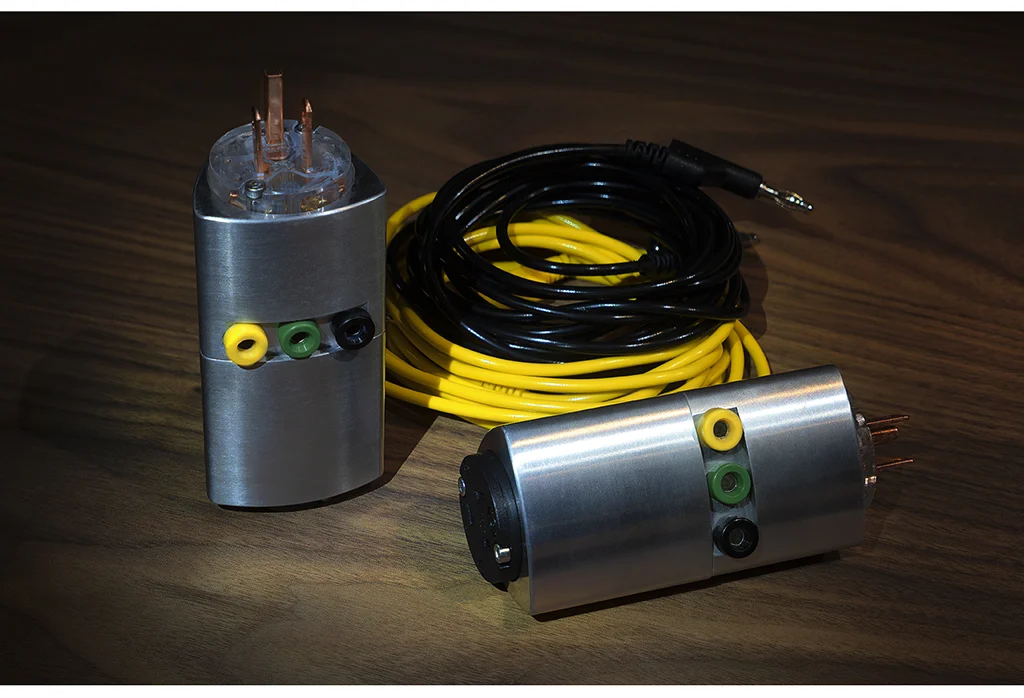
Unlike wholesale power conditioners that may or may not address specific grounding topologies, the Ground Floor is a compact, modular, and highly versatile device. It comes equipped with proprietary cabling options that allow it to be configured in three distinct ways: floating the ground on a single problematic device, establishing a comprehensive system-wide star ground, or telescoping grounds between AC outlets.
While full reviews from the publication’s evaluation team—including audio journalists Chris Harr and his colleagues—are still forthcoming as they test the unit across multiple complex system scenarios, initial impressions suggest that Vera-Fi has delivered a high-value, problem-solving tool that could democratize clean system grounding.
Chronology
The Evolution of Audiophile Grounding Concerns
The issue of grounding in high-performance audio systems is as old as electronics itself. However, the nature of the problem has evolved over the decades:
- The Vintage Era: In the mid-to-late 20th century, mixing and matching vintage vacuum tube components, unpolarized two-prong plugs, and early solid-state gear frequently resulted in persistent 60Hz hums. Audiophiles relied on rudimentary cheater plugs or DIY chassis grounding wires to tame the noise.
- The Digital Revolution: As digital audio components (CD players, streamers, and DACs) entered the chain alongside analog gear, high-frequency digital noise began leaking back into the AC ground lines, polluting preamplifiers and amplifiers.
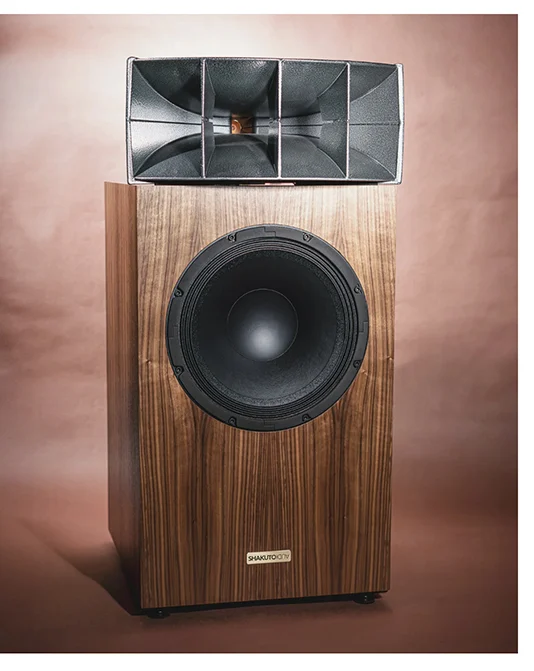
- The Rise of High-Sensitivity Systems: Concurrently, a renaissance in Single-Ended Triode (SET) tube amplifiers paired with ultra-sensitive horn loudspeakers (often exceeding 100 dB efficiency) exposed even the most minute noise floors. Owners of these exotic systems found themselves plagued by background hisses and hums that were completely inaudible on standard dynamic loudspeakers.
- The Boutique Grounding Craze (2010s–Present): Over the past decade, high-end cable and accessory manufacturers introduced dedicated passive and active grounding boxes filled with proprietary mineral compounds, crystals, and precious metals. While effective, these solutions frequently carried price tags ranging from $1,000 to well over $5,000, placing them out of reach for the average enthusiast.
- The Vera-Fi Intervention (2026): Recognizing a gap in the market for an effective, modular, and reasonably priced grounding intervention, Vera-Fi Audio developed the Ground Floor. Debuting at an introductory price of $199, the device represents a shift toward democratization in noise-abatement technology, arriving on the market to address both vintage integration challenges and modern high-sensitivity system demands.
Supporting Data
To fully appreciate the impact of a device like the Ground Floor, one must examine the technical realities of grounding architectures within domestic listening environments.
The Physics of Ground Loops and Noise
A ground loop occurs when two or more audio components are connected to electrical ground via different paths. When these paths have slight electrical resistance differences, a small voltage potential develops between the chassis of the components. This voltage drives a current through the interconnect shields, manifesting as an audible 50Hz or 60Hz hum (along with its harmonic overtones).
Beyond traditional ground loops, modern domestic listening rooms are saturated with electromagnetic interference (EMI) and radio frequency interference (RFI) from Wi-Fi routers, smart home devices, LED lighting, and switching power supplies. This ambient noise rides the safety ground wire of the AC mains, directly entering the sensitive signal reference grounds of audio electronics.
Comparative Cost Analysis of Grounding Solutions
| Solution Type | Typical Price Range | Scalability | Installation Complexity | Target Audience |
|---|---|---|---|---|
| Standard "Cheater" Plugs | $2 – $10 | Low (Risks safety) | Plug-and-play | Budget hobbyists (Not recommended for safety) |
| High-End Power Conditioners | $500 – $5,000+ | Fixed (Whole system) | Moderate | Mainstream to ultra-high-end systems |
| Boutique Grounding Boxes | $1,000 – $6,000+ | High (Requires extra cables) | Complex | High-end audiophiles |
| Vera-Fi Ground Floor | $199 (Introductory) | High (Modular/Scalable) | Versatile (3 distinct modes) | Vintage collectors, horn system owners, general audiophiles |
Technical Versatility: The Three Configuration Modes
The true technical merit of the Ground Floor lies in its adaptability. According to preliminary product specifications, the unit can be deployed using the supplied cabling in three distinct configurations:
- Single-Device Isolation (Floating the Ground): Ideal for an isolated trouble spot—such as a humming turntable motor or a misbehaving DAC. The user can deploy a single Ground Floor unit to break the ground loop for that specific component without altering the rest of the system.
- System-Wide Star Ground: For setups suffering from cumulative low-level noise across multiple sources, the Ground Floor can serve as a central hub, establishing a unified reference ground (star grounding topology) that minimizes ground-path resistance differentials between components.
- Telescoped Grounds Between Outlets: A more advanced configuration that manages ground potential differences across different AC wall outlets or power distribution strips, preventing inter-chassis currents from bleeding into the interconnects.
Official Responses
While a comprehensive, benchmarked product review is still being prepared by the editorial staff at Tone Publications—spearheaded by reviewers Chris Harr and his colleagues—early statements from the evaluation team highlight the psychological and practical impact of the device:
"If you’ve ever suffered the aggravation of a ground loop you can’t break, you know what we mean. But there are a few different ground issues that can add noise to your system and rob you of dynamic range. It’s not always about getting louder… Once that noise is gone, it’s a new world."
— Tone Publications Evaluation Team
Furthermore, the publication emphasized the scalability of the device as a major design victory for consumers:
"What we like most about the Ground Floor is that it is scalable. If you only have an issue with a turntable, or another single component, you only need a single unit to solve the problem. Intro price on these is $199 and if you’re struggling with noise, it’s priceless."
While official technical whitepapers or direct quotes from Vera-Fi Audio’s lead design engineers are slated to accompany the full formal review, company representatives have indicated that the unit was engineered specifically to bridge the performance gap between ineffective budget fixes and prohibitively expensive audiophile grounding accessories.
Implications
The introduction of the Vera-Fi Ground Floor carries significant implications for the broader high-end audio market, touching upon consumer economics, system matching, and the philosophy of high-fidelity playback.
1. Democratization of High-End Noise Abatement
For decades, effective noise reduction and grounding accessories have been luxury items. By pricing the Ground Floor at an introductory $199, Vera-Fi lowers the barrier to entry for everyday music lovers. This challenges boutique manufacturers to justify multi-thousand-dollar price tags for passive grounding blocks and encourages a broader segment of the audiophile community to tackle persistent background noise issues that they previously lived with simply out of financial resignation.
2. A Boon for Vintage and High-Sensitivity Enthusiasts
The renaissance of vinyl playback, vintage tube gear, and high-efficiency horn loudspeakers has created a demographic of listeners who are disproportionately affected by ground noise. Vintage gear often lacks modern three-prong grounding safety standards or features degraded internal shielding, while horn systems act like magnifying glasses for electronic hiss and hum. The flexibility of the Ground Floor—particularly its ability to float grounds or establish targeted star-ground networks—offers a tailored remedy for these specific niches.
3. Psychological and Sonic Impact: Beyond Dynamic Range
In audio journalism, equipment reviews often focus on frequency extension, soundstage width, and bass slam. However, reducing the noise floor achieves something more profound: it alters the listener’s perception of time and space in recorded music.
- The "Blacker" Background: When low-level AC hash and ground-loop hum are removed, micro-details—such as room acoustics, subtle vocal inflections, and the natural decay of a piano note—emerge from a truly silent background.
- Reduced Listening Fatigue: Even when a hum is not consciously noticed during loud musical passages, the brain expends energy filtering out continuous background noise. Eliminating this ambient grunge results in a more relaxing, immersive, and emotionally resonant listening experience.
4. Future Outlook for Accessory Design
As domestic listening environments become increasingly polluted with digital and wireless interference, accessories that manage power cleanliness, grounding, and RFI/EMI mitigation will only grow in importance. The modular, scalable approach demonstrated by Vera-Fi’s Ground Floor may well set a new design benchmark for future audio accessories, proving that complexity and high cost are not prerequisites for solving fundamental electro-acoustic problems.
As Chris Harr and the team at Tone Publications finalize their multi-scenario testing protocols, prospective buyers are encouraged to reach out directly to Vera-Fi Audio via their official website (verafiaudiollc.com) for further availability and purchasing information as official ordering links go live.