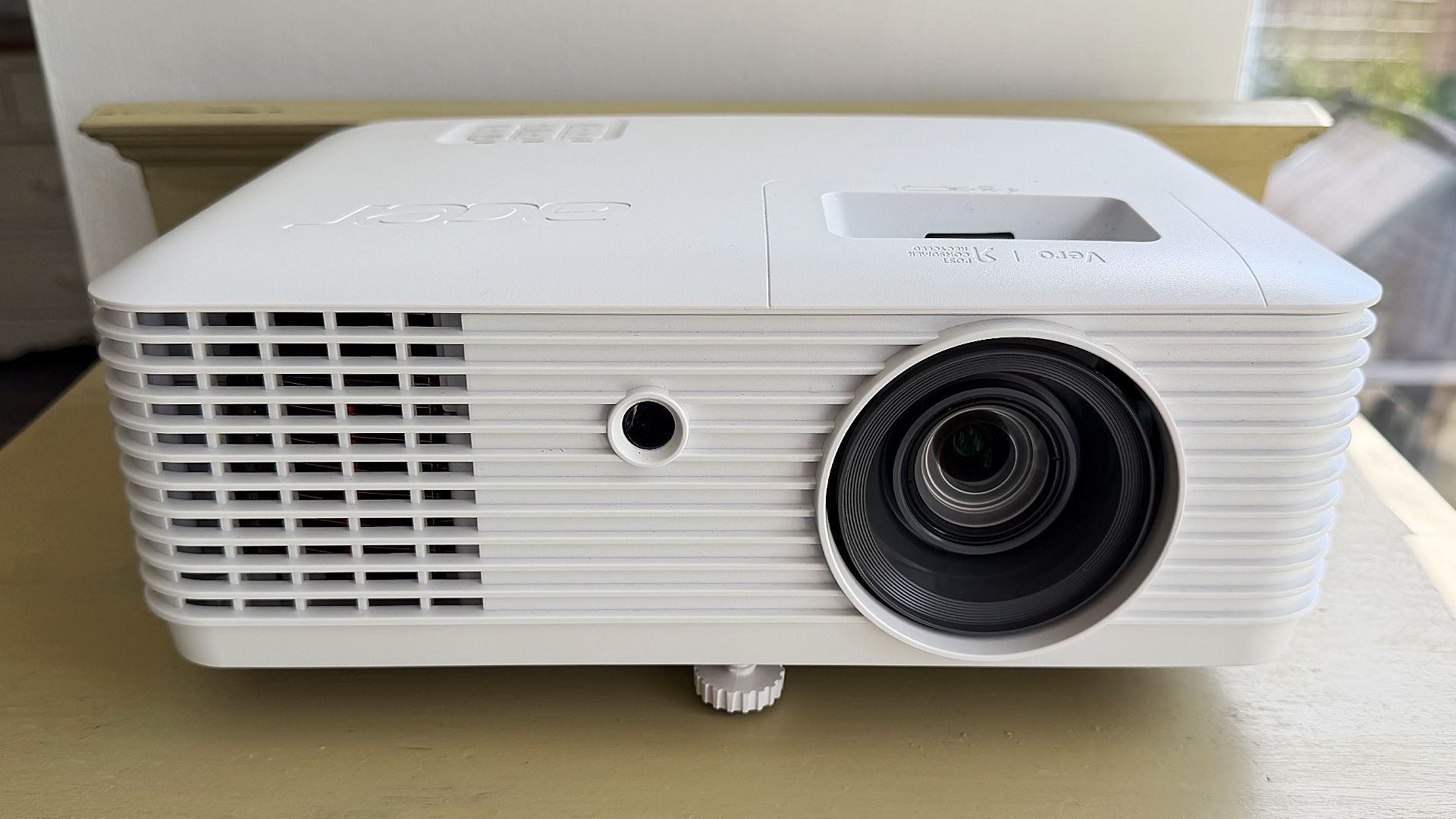
LONDON — In an era where the home projection market is increasingly dominated by sleek, automated "lifestyle" cubes and ultra-short-throw systems designed to blend seamlessly into modern living room decor, Acer has taken a distinctly different path. The newly released Acer Vero HL6810ATV 4K projector arrives with a modest price tag of £1,499 (approximately $2,025 / AU$2,825), positioning itself as an affordable entry point into high-definition projection.
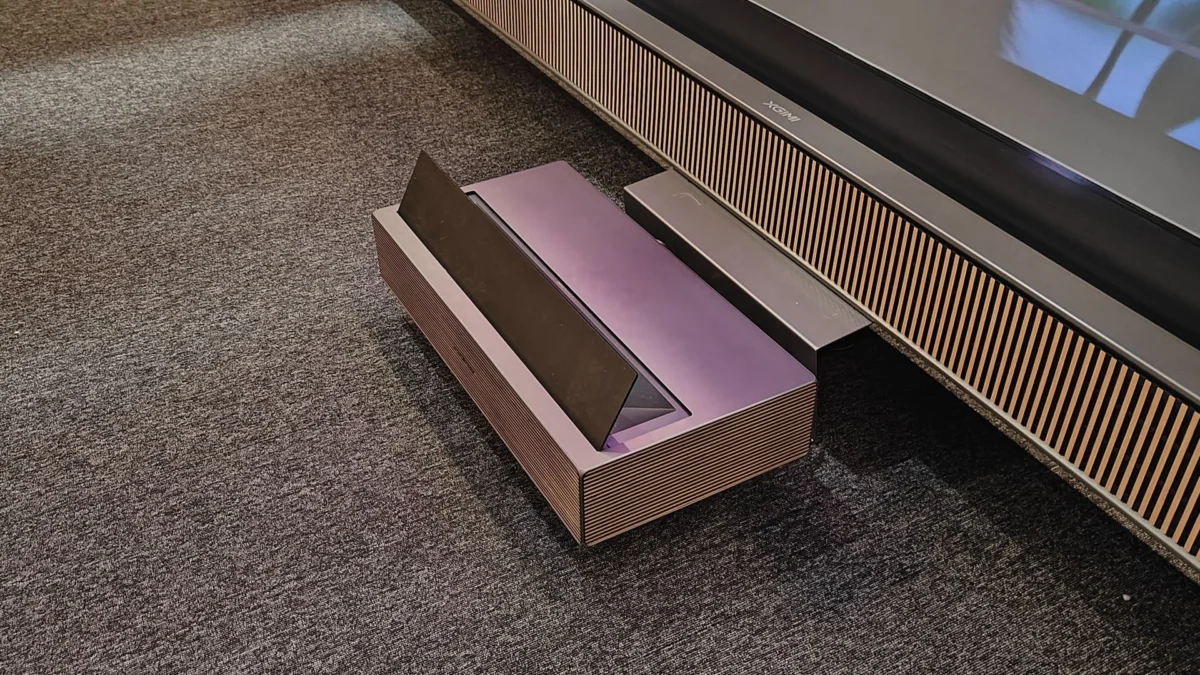
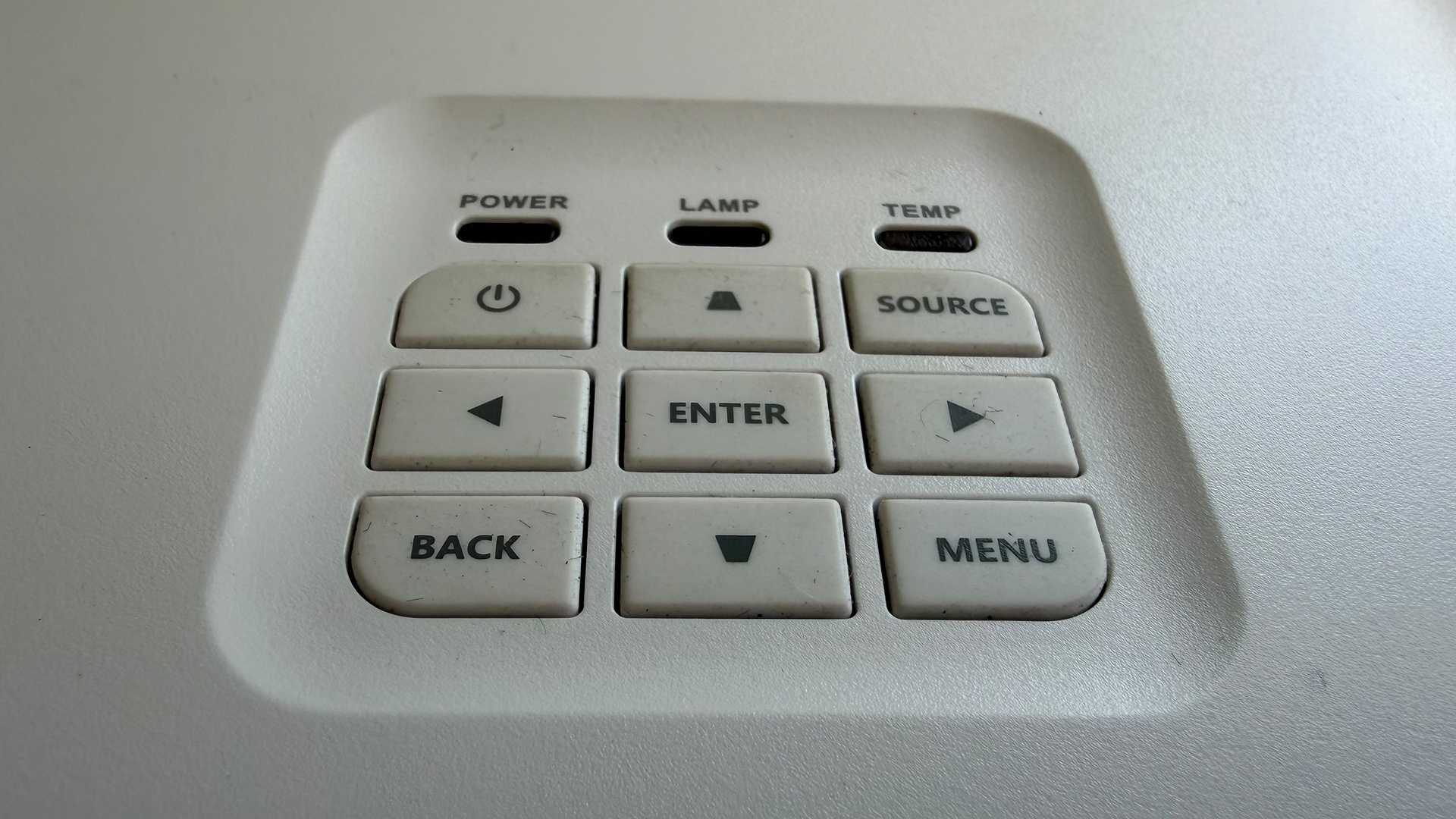
Yet, rather than leaning into the hyper-modern design trends of its competitors—such as Hisense or Xgimi—Acer has opted for a throwback aesthetic. Featuring a compact rectangular chassis finished in crisp white, manual physical controls, and a hybrid laser/LED light source constructed from 50 percent recycled plastics, the HL6810ATV feels a bit old-school. While this unpretentious approach brings certain operational compromises, it also delivers a remarkably fuss-free and enjoyable cinematic experience for dedicated dark-room enthusiasts.
Main Facts & Specifications
Priced competitively at the budget-friendly end of the 4K projector spectrum, the Acer Vero HL6810ATV balances a serious set of performance specifications with sustainable manufacturing practices.
- Projector Type: Hybrid laser/LED DLP (Digital Light Processing)
- Native Resolution: 4K UHD via pixel-shifting technology
- Claimed Peak Brightness: 4,000 lumens
- Contrast Ratio: 50,000:1 (claimed)
- Screen Size Range: 30 to 300 inches (claimed)
- HDR Format Support: HDR10, HLG (Hybrid Log-Gamma)
- Refresh Rate Support: Up to 240Hz (with low input lag of 17ms at 60Hz, dropping significantly at higher refresh rates)
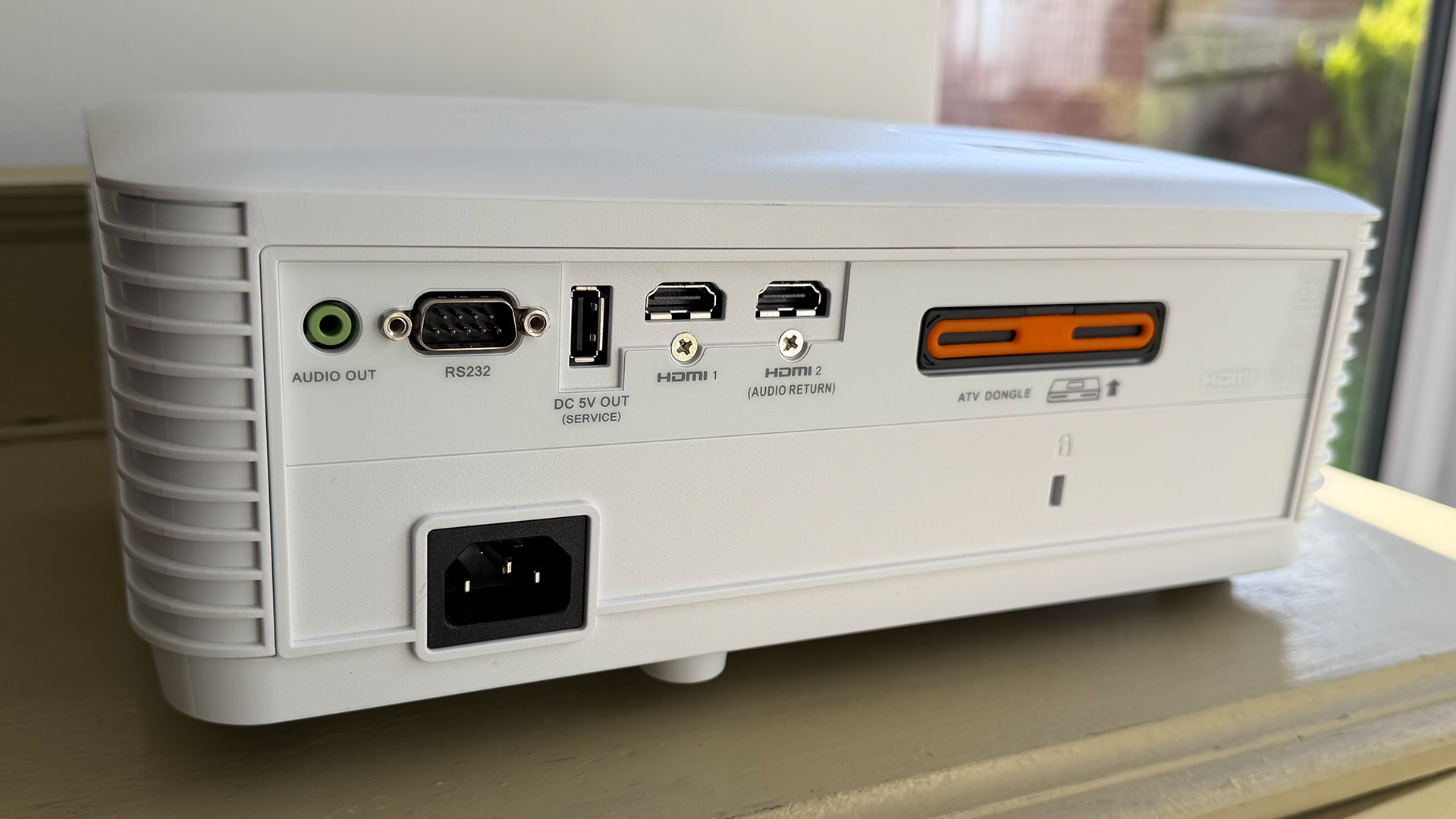
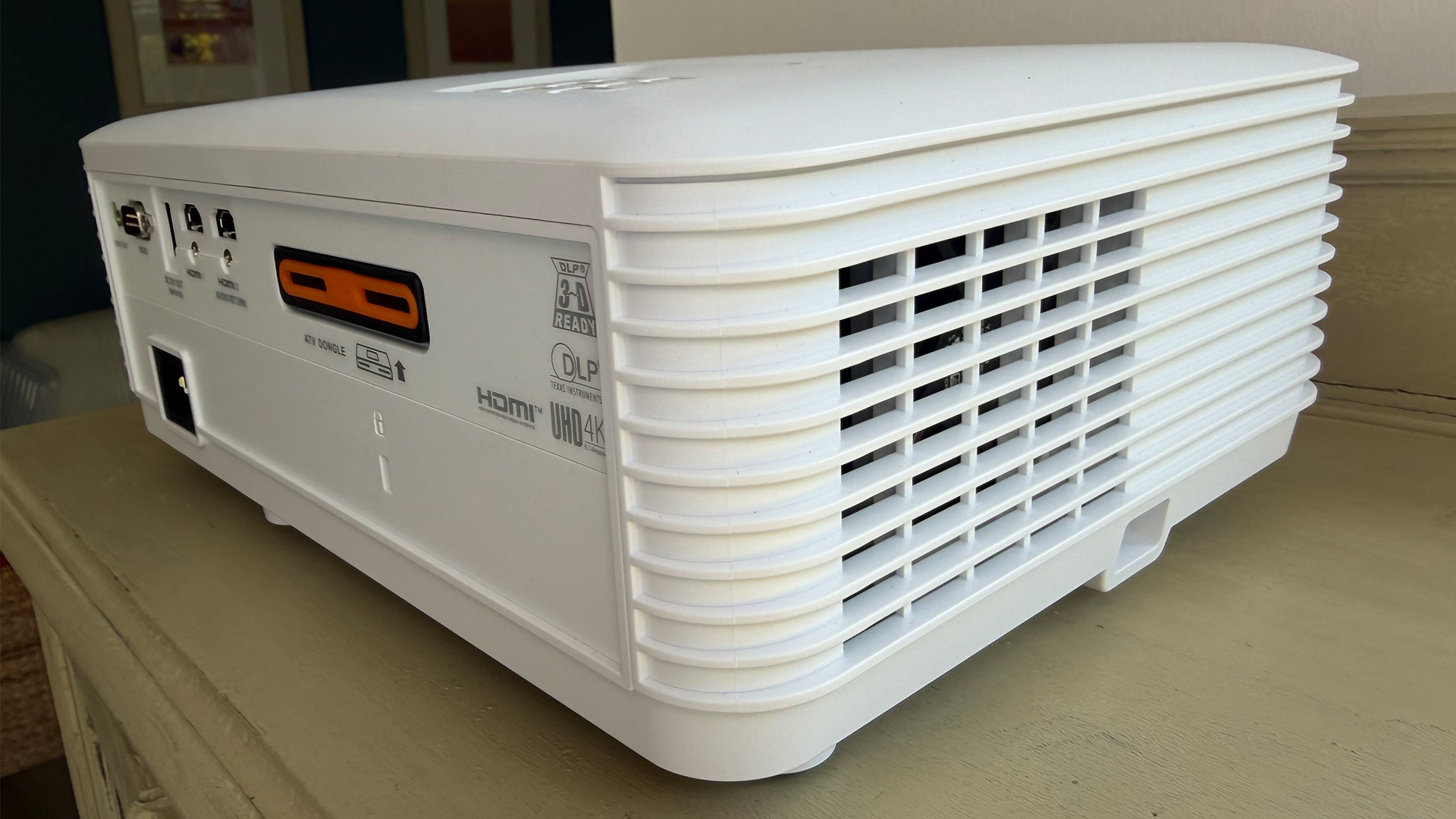
- Smart Platform: Android TV (via an integrated dongle)
- Physical Dimensions (HWD): 12 x 30 x 23 cm
- Weight: 3 kg
- Connectivity: 2x HDMI 2.0b ports, 3.5mm mini-jack audio output, RS-232 control port, and a 5V USB port (service-only).
Chronology of Development & Market Positioning
Acer’s development of the HL6810ATV represents a strategic effort to capture the burgeoning domestic home-theatre market without abandoning eco-conscious engineering. Over recent years, Acer’s "Vero" line has successfully championed sustainability by integrating post-consumer recycled (PCR) plastics into computing hardware. Bringing this philosophy to the home cinema projector market marks a notable milestone.
The project began with a clear mandate: build an energy-efficient, long-lasting light source capable of true 4K pixel-shifting while keeping consumer costs down. By adopting a hybrid laser and LED optical engine, Acer managed to secure a claimed light-source lifespan of up to 30,000 hours when operating in Eco mode.
Upon hitting test benches, the unit was benchmarked against major market alternatives, including ultra-short-throw devices like the Hisense PT1 and coffee-table lifestyle models like the award-winning Hisense M2 Pro. While those competitors emphasize automated alignment and automated setup, Acer chose to retain hands-on manual controls, positioning the HL6810ATV as a portable, reliable workhorse for cinephiles who prefer direct manipulation over software wizardry.
Supporting Data & Performance Analysis
Design and Physical Build
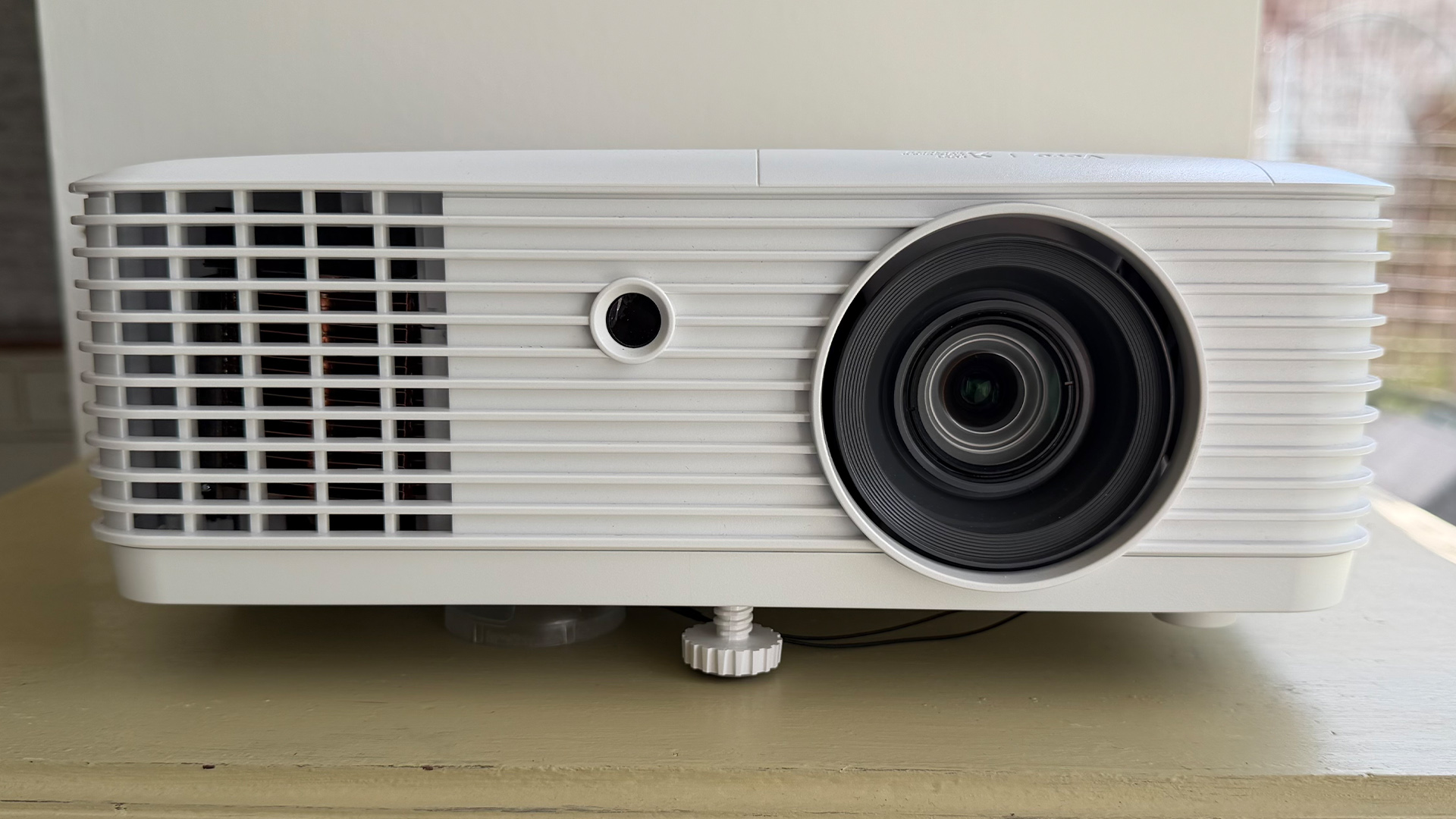
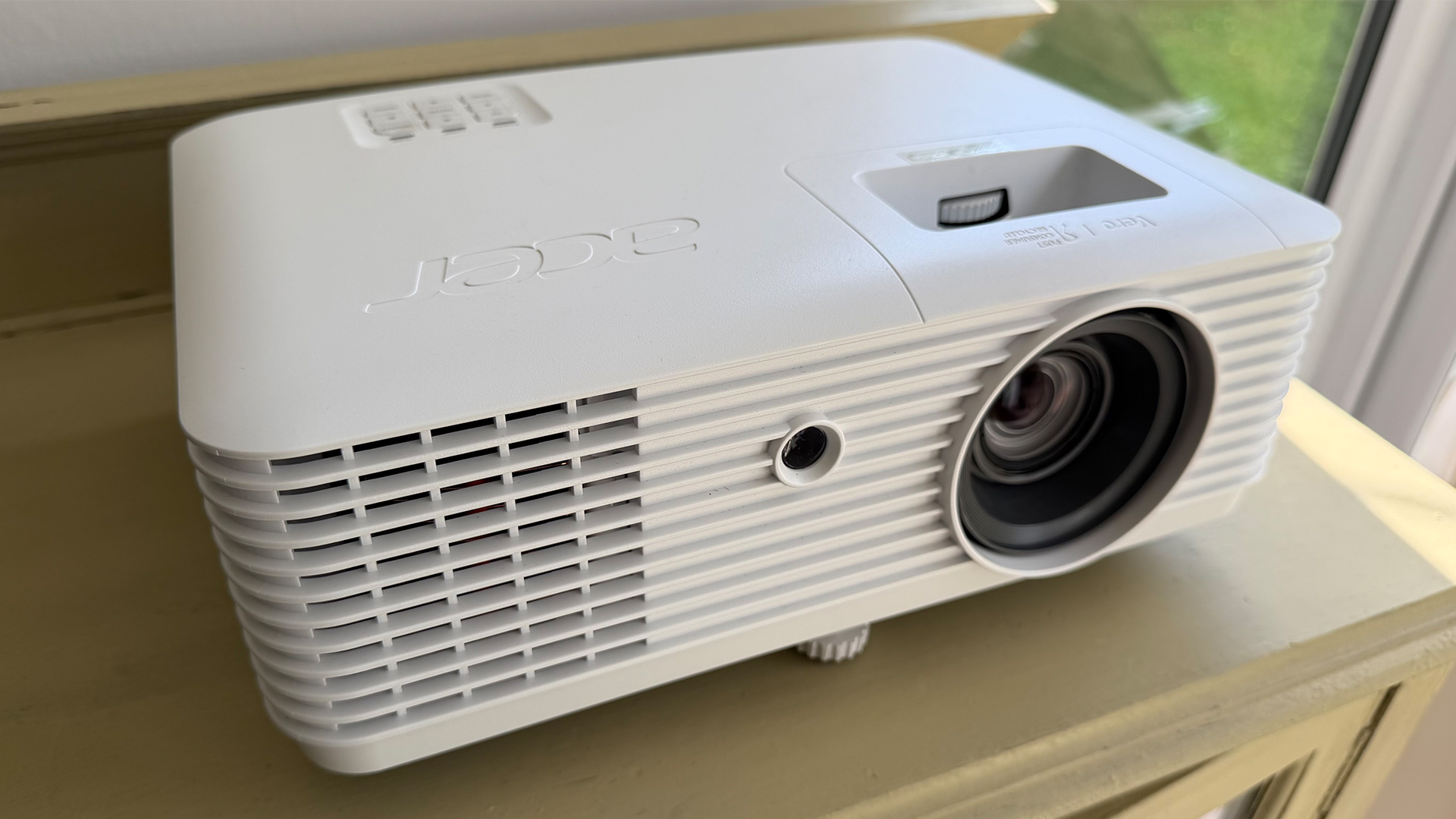
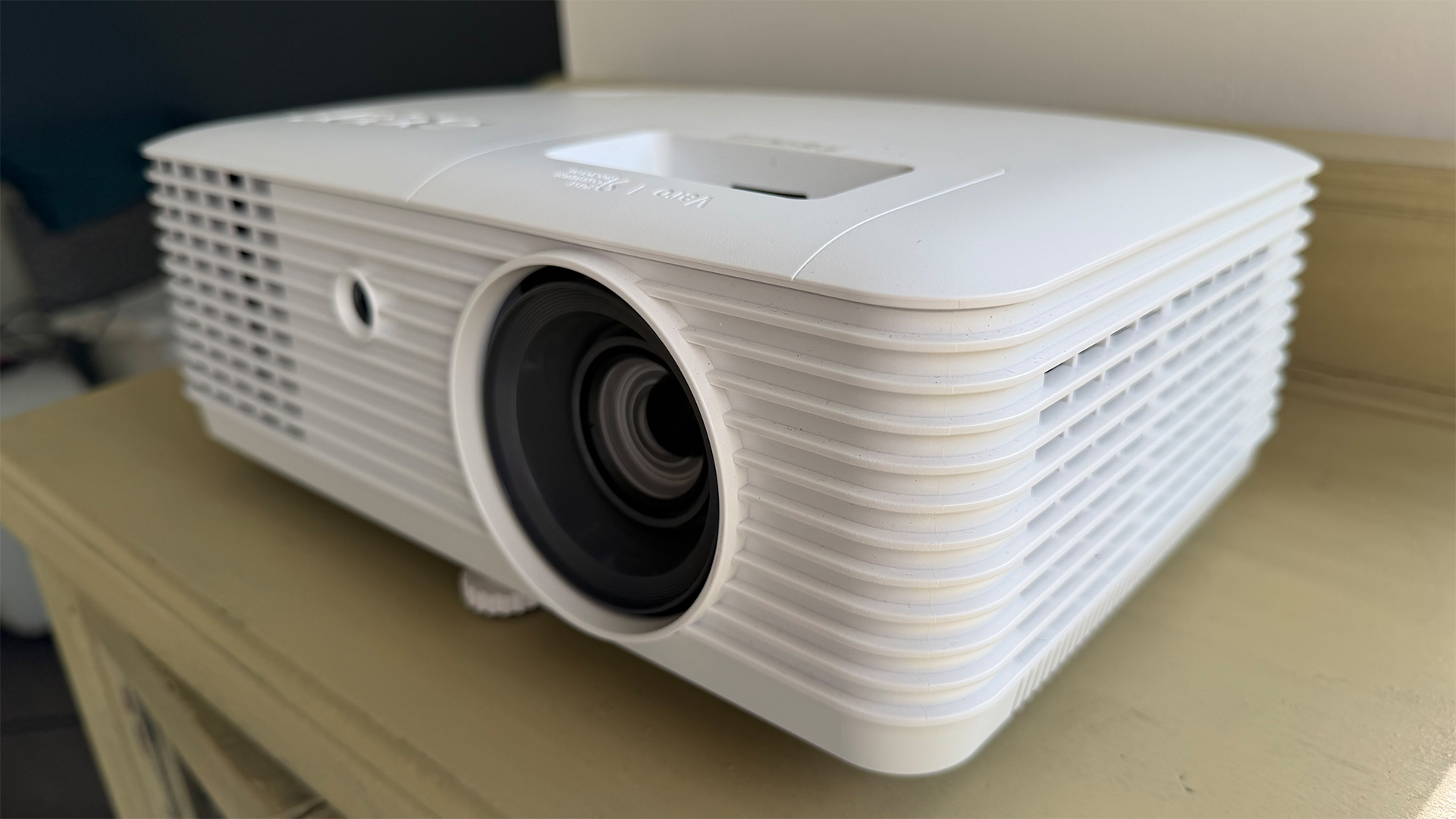
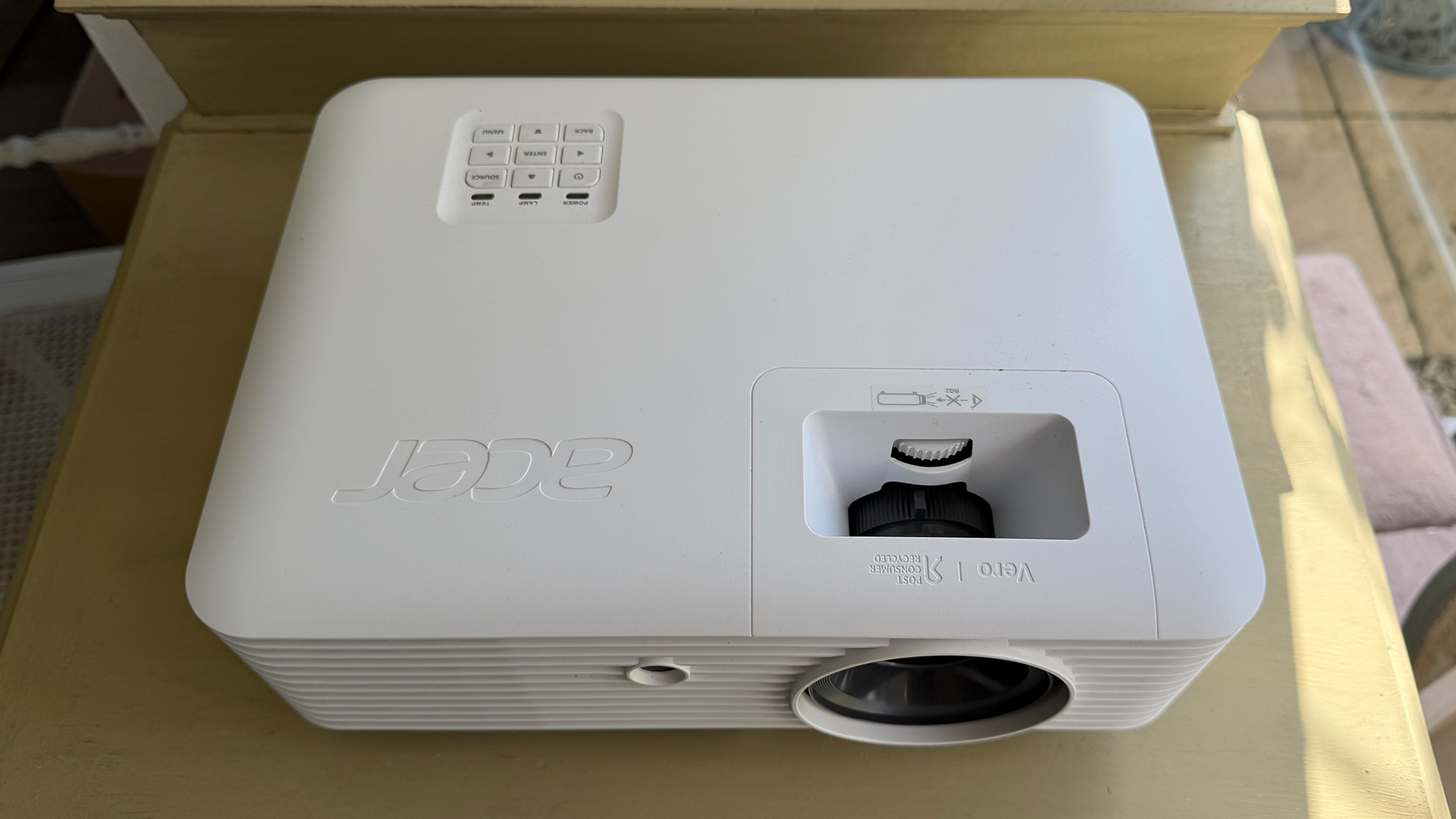
The HL6810ATV sports a compact footprint that easily avoids dominating a room’s aesthetic. Its rounded corners soften its appearance, and the inclusion of a matching white remote control demonstrates attention to detail.
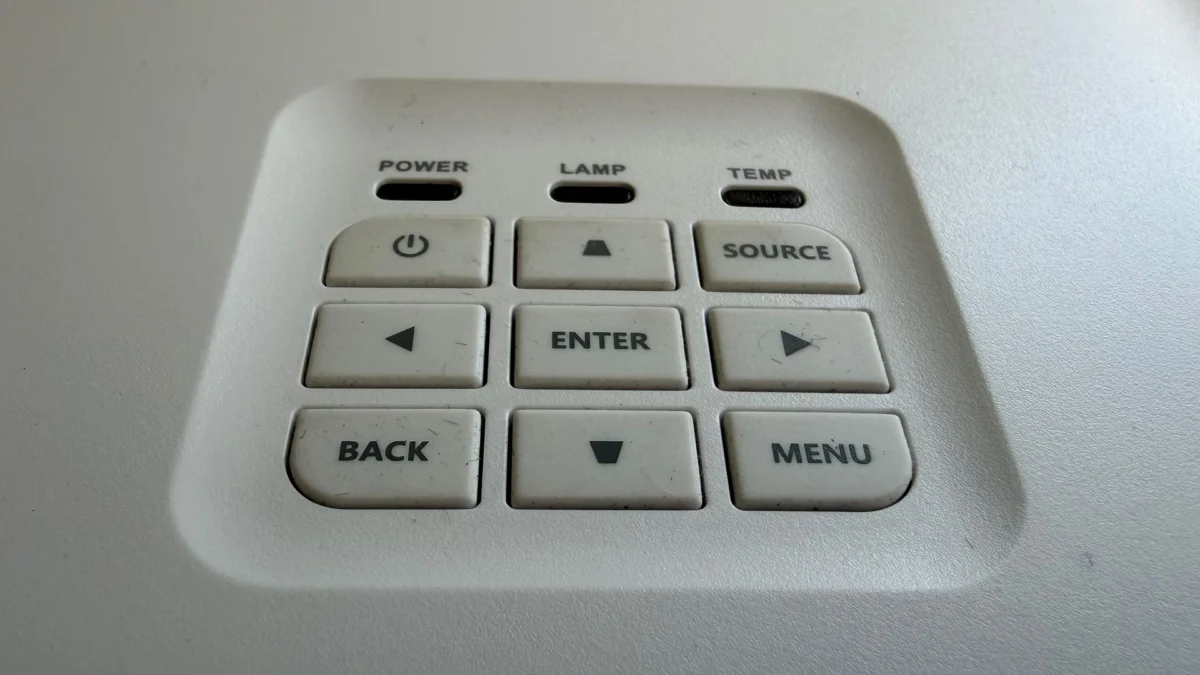
Instead of relying heavily on software auto-correction, the top edge of the chassis features a cut-out window providing direct access to manual adjustment rings for zoom, focus, and vertical optical image shifting. Combined with screw-down feet on the bottom edge and a 1.3x optical zoom range, setting up the projector is an entirely tactile, hands-on experience. A bundled carry bag further reinforces its credentials as a portable unit capable of moving effortlessly between rooms or secondary residences.
Picture Performance: The Dark Room Advantage
Out of the box, the HL6810ATV presents a curious dichotomy regarding its brightness. Acer claims a peak output of 4,000 lumens, but in practical testing, the projector struggles significantly in ambient light. Whether viewing SDR or HDR content, ambient room light easily washes out colors, drains black levels, and obscures fine details. Consequently, prospective buyers looking for an all-conditions, bright-room daytime display may want to look elsewhere.
However, move the HL6810ATV into a dedicated dark room, and its performance transforms dramatically.
- Black Levels: The projector punches well above its weight class, delivering deep, convincing blacks and dark scenes—particularly when utilizing the "Mid" or "High" EOTF (Electro-Optical Transfer Function) settings.
- HDR Handling: While it lacks advanced scene-by-scene dynamic tone mapping like Dolby Vision or HDR10+ (omissions typical at this price point), utilizing the High EOTF setting allows HDR sources to gleam with a cinematic intensity that far surpasses standard dynamic range.
- Color Accuracy: Colors remain natural, well-balanced, and remarkably free of digital noise or moiré patterns across both HD and 4K sources. Motion handling is clean, displaying minimal judder with 24p movie material.
Gaming Performance
For gamers, the HL6810ATV is an unexpected powerhouse. It supports refresh rates up to 240Hz and boasts an impressively low input lag of 17ms at 60Hz, which halves progressively as the refresh rate climbs. Interestingly, gaming graphics appear noticeably crisper and less coarse at 1080p/120Hz compared to 4K/60Hz, making high-refresh-rate console and PC gaming the optimal choice on this device.
Audio Limitations
The weakest link in the hardware package is unquestionably the onboard audio. Equipped with a modest 10W internal speaker, the projector struggles to deliver adequate volume or bass depth for immersive cinematic experiences. While dialogue remains surprisingly clear and sound projects slightly forward from the chassis to maintain screen synchronization, action sequences sound thin and uninspiring. Users will almost certainly need to invest in an external soundbar or dedicated surround-sound audio system to match the scale of the visuals.
Official Responses and Ecosystem Integration
Acer’s marketing frames the HL6810ATV as a "4K UHD smart projector," utilizing an Android TV interface delivered via an internal mini-dongle. This decision immediately cements its domestic focus, further evidenced by specialized presets like "Football Mode," which ramps up color saturation for sports broadcasts.
However, the software ecosystem comes with caveats. Reviewers noted that the native Android TV implementation can occasionally feel buggy and outdated, notably lacking catch-up applications for major regional terrestrial broadcasters (such as UK terrestrial players). Furthermore, while SDR viewing offers a wide array of presets, HDR viewing restricts users to a single base preset mode, requiring manual calibration of settings like Dynamic Black and EOTF.
Industry analysts suggest that while these software shortcomings are frustrating, they are easily mitigated by plugging a modern, low-cost HDMI streaming stick—such as a Roku, Amazon Fire Stick, or Google TV device—directly into one of the unit’s two HDMI 2.0b ports.
Implications for the Home Cinema Market
The release of the Acer Vero HL6810ATV highlights a growing rift in the consumer projector market. On one side are lifestyle projectors prioritizing automated setup, flashy app integration, and bright-room performance at the expense of optical precision and long-term eco-efficiency. On the other side sits Acer’s approach: a semi-traditional machine built from recycled materials, featuring a hybrid laser/LED light engine designed for longevity, and optimized strictly for controlled, dark-room environments.
For budget-conscious home theater enthusiasts who possess a dedicated dark room or basement cinema setup, the HL6810ATV represents a compelling, highly engaging option. Its combination of sharp 4K pixel-shifting, exceptional dark-room black levels, low-latency gaming support, and sustainable manufacturing undercuts many flashier rivals.
Ultimately, prospective buyers must weigh its limitations—namely, poor ambient-light rejection, a weak built-in speaker, and a basic smart platform—against its strengths. By pairing the projector with an external audio setup and a dedicated streaming stick, users unlock a deeply satisfying, eco-conscious cinematic window that punches well above its modest price tag.