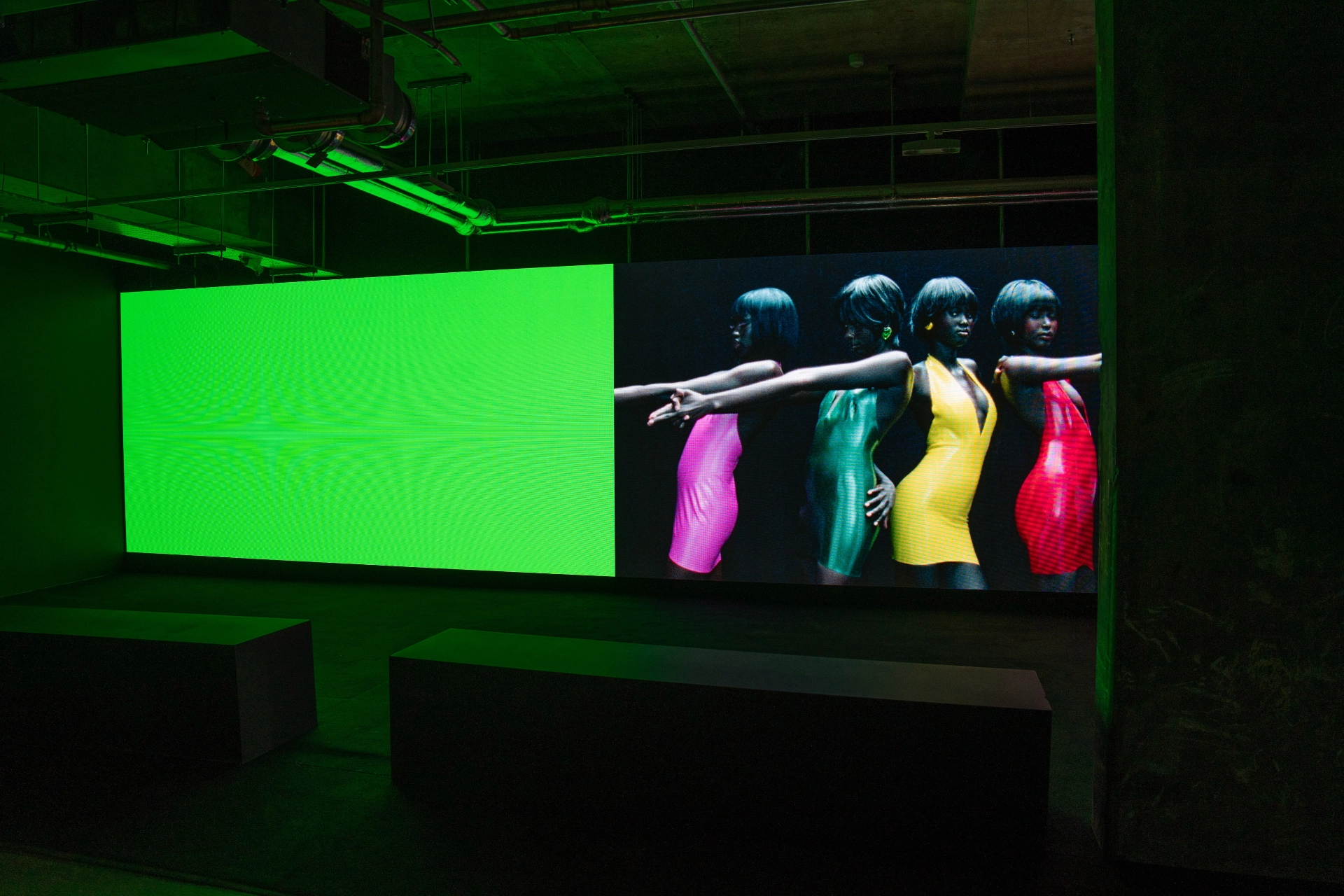
In the ever-evolving landscape of contemporary visual culture, few artists have managed to bridge the gap between high-fashion editorial, raw street photography, and cinematic storytelling as fluidly as Gabriel Moses. The South London-born polymath has become a defining voice of his generation, and his latest exhibition, Selah, currently occupying two expansive floors at London’s 180 Studios, stands as a testament to his meteoric rise.
Following overwhelming public demand, 180 Studios has officially announced the extension of Selah through August 31, 2025. This sprawling retrospective offers more than just a gallery experience; it provides an intimate look into the psyche of an artist who has spent the last decade reshaping the visual language of music, sport, and fashion.
Main Facts: The Scope of Selah
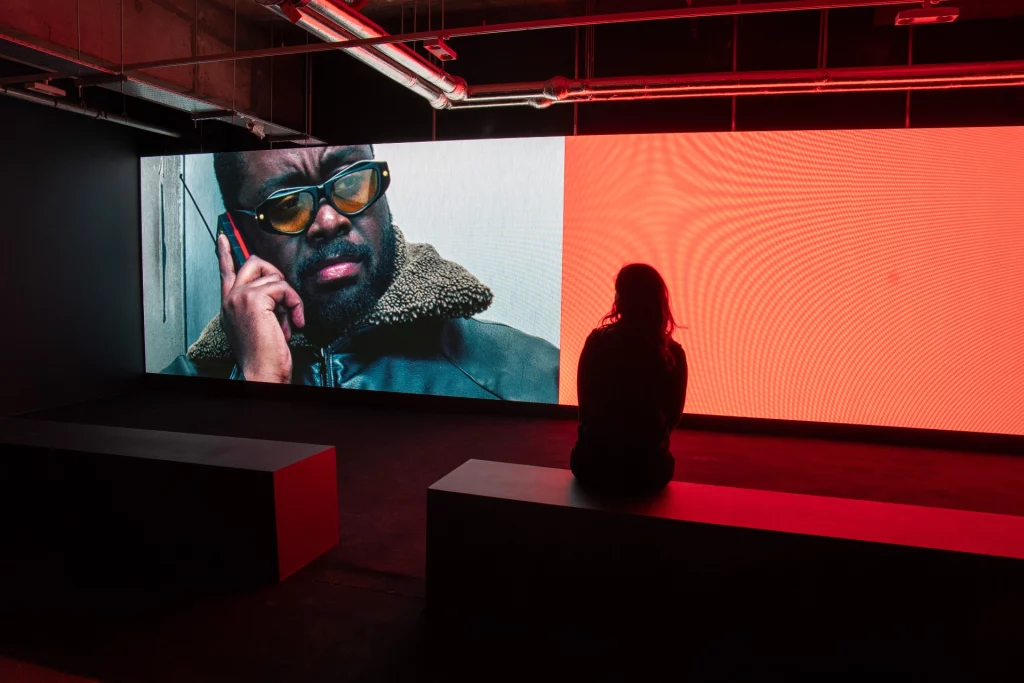
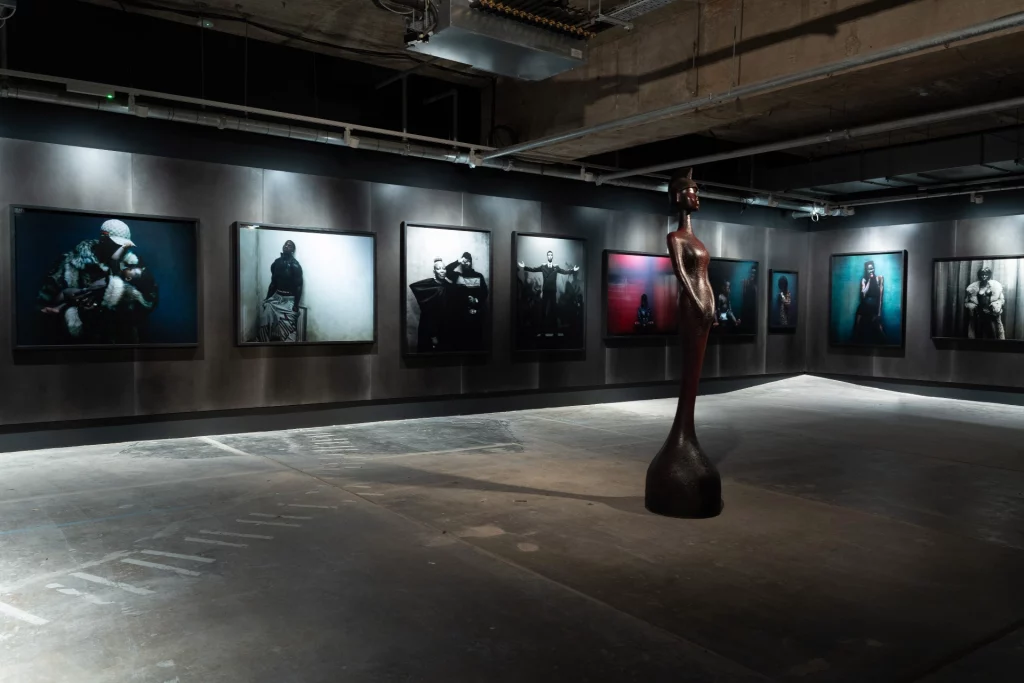
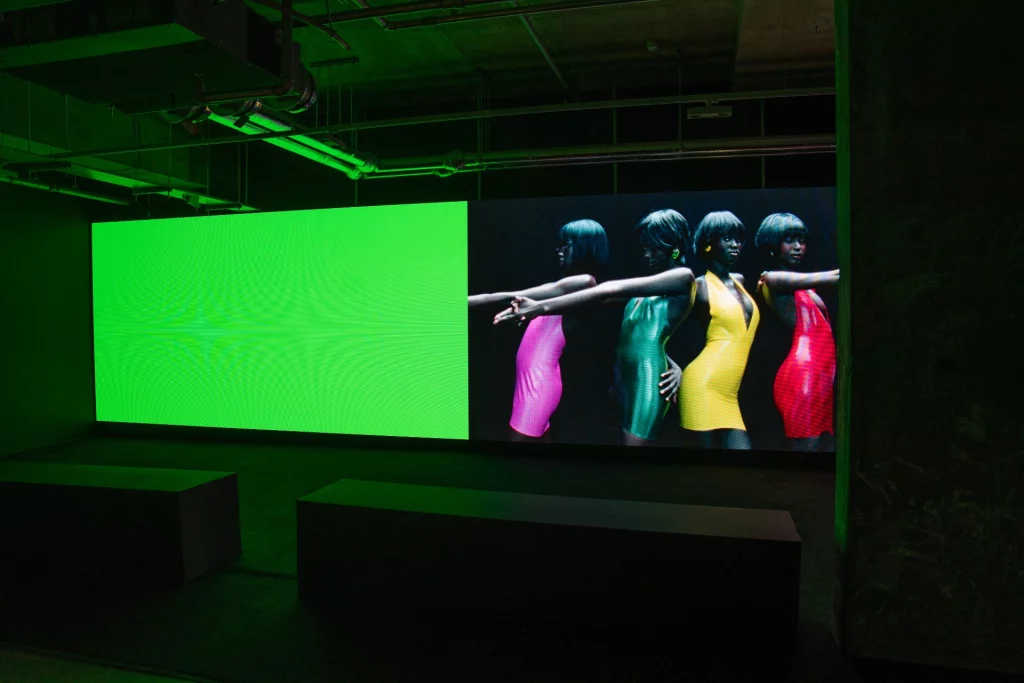
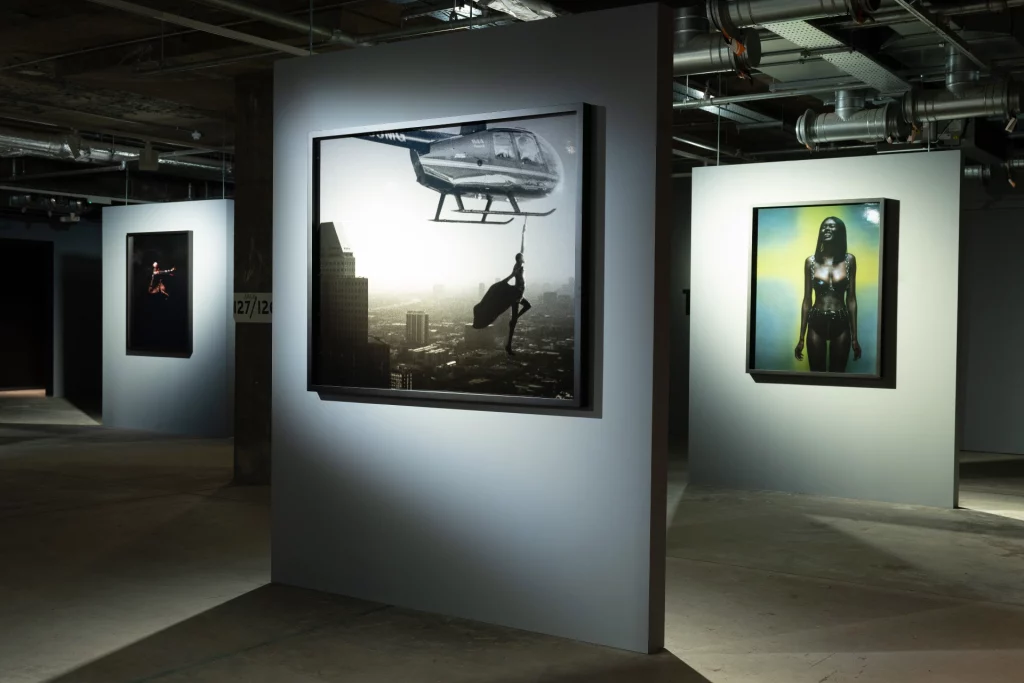
Selah is the most comprehensive survey of Moses’ career to date. The exhibition brings together over 70 carefully curated photographs and 10 short films that trace the artist’s trajectory from his early days to his current status as a global creative force.

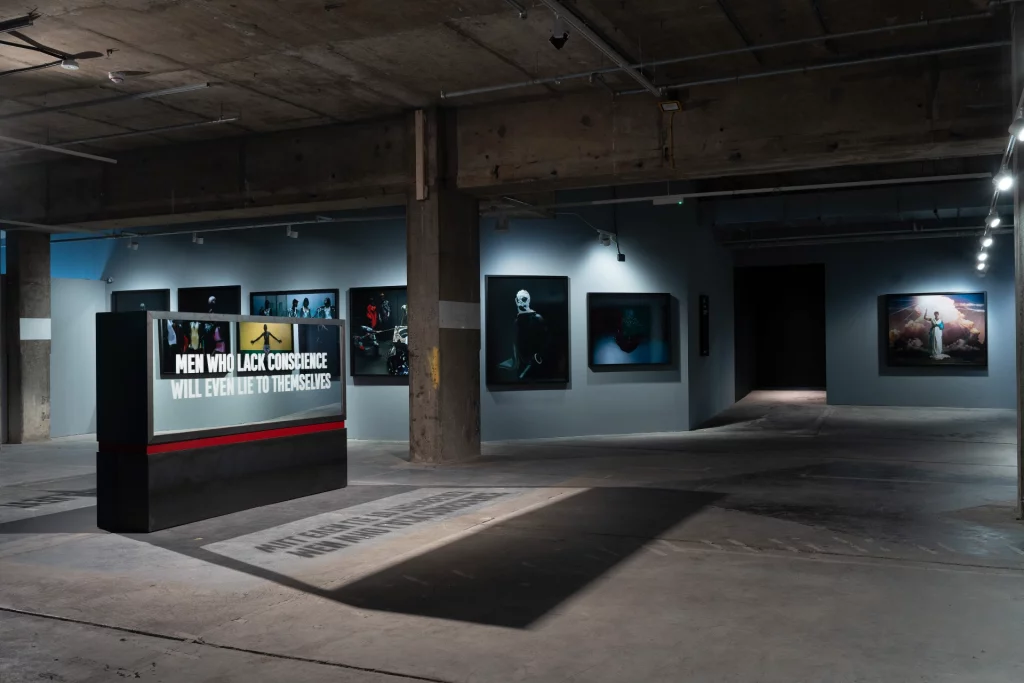
The exhibition is anchored by a blend of iconic past works and bold, new artistic explorations. Visitors are treated to behind-the-scenes glimpses and high-production visual narratives, including music videos for Travis Scott and Playboi Carti’s Fein and Schoolboy Q’s Lost Times. Beyond the music industry, the walls are adorned with striking portraits of cultural icons, including the designer Slawn, rapper Skepta, supermodel Alek Wek, and footballer Jude Bellingham.
A centerpiece of the exhibition is the premiere of The Last Hour, a short film commissioned by 180 Studios and executive produced by Division and Goat. Shot in the evocative landscapes of Atlanta, Georgia, the film serves as a poignant exploration of solitude and the human pursuit of redemption. It marks a significant milestone in Moses’ transition into narrative-driven, long-form filmmaking.
Chronology: A Decade of Creative Evolution
To understand the weight of Selah, one must examine the rapid progression of Gabriel Moses’ career. His journey is one of relentless innovation and cross-disciplinary mastery.
- Early Beginnings: Emerging from the vibrant cultural tapestry of South London, Moses’ early work was deeply influenced by his British-Nigerian heritage. His grandmother, mother, and sister served as his earliest muses, introducing him to the nuances of fashion and the power of storytelling through imagery.
- 2023: The Breakthrough: The year 2023 marked a watershed moment for the artist with his debut solo exhibition at 180 Studios. The acclaim surrounding this show cemented his reputation as a visionary capable of commanding large-scale institutional spaces.
- 2024: Global Recognition: The momentum continued with the publication of his first monograph, Regina, released by Prestel. His influence spread globally, with exhibitions at the Anthony Gallery in Chicago, Spazio Maiocchi in Milan, Permanent in Paris, and Frieze Seoul.
- 2025: The Selah Era: This year has seen Moses reach new heights. Beyond the launch and extension of Selah, he was honored as the designer of the trophy for the 2025 BRIT Awards, further embedding his aesthetic into the bedrock of British popular culture. His work also reached the Luma Foundation in Arles, underscoring his crossover from commercial success to fine art legitimacy.
Supporting Data: The Anatomy of an Aesthetic
What distinguishes Gabriel Moses from his contemporaries is a singular visual signature. His work is characterized by a specific, high-contrast, yet deeply soulful color palette. Often working with minimal contextual detail, Moses strips away the noise to focus on the human subject, allowing the viewer to engage with the emotion of the moment.
The technical breakdown of the exhibition reflects this precision:
- Curation: Led by Katja Horvat in close collaboration with the 180 Studios team.
- Spatial Design: Orchestrated by Emilia Margulies, the layout is designed to guide visitors through a nonlinear narrative of memory, history, and cultural identity.
- Graphic Identity: Developed by Jayda Deans, providing a cohesive visual thread that ties the photography and film segments together.
The breadth of his collaborations is equally impressive, spanning global institutions and brands such as Louis Vuitton, Burberry, Dior, Nike, Vogue, and i-D. By working with figures like Pharrell Williams and Zinedine Zidane, Moses has demonstrated an ability to frame the world’s most recognizable faces through a lens that feels both personal and mythic.
Official Perspectives and Behind the Scenes
The collaboration between 180 Studios and Gabriel Moses is not merely a rental of space; it is a strategic partnership that recognizes the cultural necessity of his work.
“Gabriel has a way of looking at his subjects that feels like he is looking into their history,” says a spokesperson for 180 Studios. “By commissioning The Last Hour, we wanted to give him the canvas to explore that narrative instinct fully. The decision to extend the exhibition was an easy one—the feedback from the public has been transformative.”
The artist himself has spoken of his practice as an homage to his roots. "My work is a dialogue with the women who raised me," Moses has noted in previous interviews regarding his monograph Regina. "It’s about capturing the quiet strength that often goes unnoticed in the hustle of fashion and fame." This sentiment is reflected throughout Selah, where the quiet, meditative portraiture is given equal weight to the high-energy music videos that first brought him to mainstream attention.
Implications: The Legacy of a Modern Visionary
The extension of Selah until August 2025 is a significant signal of the changing nature of gallery culture. It suggests that contemporary audiences are no longer satisfied with static, traditional art displays. Instead, there is a growing hunger for interdisciplinary shows that combine fashion, music, and film in a way that feels "alive."
The Cultural Shift
Moses’ work represents a shift in how British-Nigerian identity is depicted in the arts. He moves away from stereotypical representations, favoring a lens that is nostalgic yet forward-looking. By anchoring his work in themes of memory and familial tribute, he has created a visual language that resonates with a global audience, proving that the local is often the most universal.
Commercial vs. Artistic Merits
Critics have often struggled to categorize artists who work seamlessly across commercial and fine art sectors. However, Selah renders this debate obsolete. By placing a music video for Travis Scott in the same space as his fine-art portraiture, Moses asserts that the quality of the image—its ability to capture "truth"—is what matters, not the medium or the platform.
Future Outlook
As Moses looks beyond 2025, the Selah exhibition acts as a bridge to his future projects. The success of The Last Hour suggests a pivot toward more complex cinematic endeavors. His role as a trophy designer for the BRIT Awards also highlights his growing influence as a tastemaker and industrial designer.
For those who have yet to visit, the extended run of Selah at 180 Studios offers a rare opportunity to witness an artist at the height of his powers. It is a masterclass in how to build a legacy that honors the past while relentlessly pushing the boundaries of what the future of visual media can look like.
Visitor Information
- Exhibition: Gabriel Moses: Selah
- Location: 180 Studios, London
- Dates: 28 March 2025 – 31 August 2025
- Hours: Wednesday – Sunday, 12pm – 7pm
- Tickets: Available via the 180 Studios website
Whether you are a devotee of high-fashion photography or a student of modern film, Selah is an essential pilgrimage. It is a reminder that in the hands of a master, the camera is not just a tool for observation, but an instrument of profound human connection.