In an era where the boundary between professional workflows and personal browsing continues to blur, the Chromebook has evolved from a simple "browser-in-a-box" into a sophisticated, highly efficient computing platform. As we navigate through 2026, the market for ChromeOS devices has matured, offering everything from entry-level machines for students to high-end, AI-accelerated powerhouses for creative professionals.
At PCWorld, we understand that choosing the right hardware is about more than just checking specifications; it is about finding a machine that disappears into your workflow, providing reliability, longevity, and performance exactly when you need it. After rigorous hands-on testing of dozens of models, we have curated the definitive list of the best Chromebooks available today.
The Core Landscape: Why Choose a Chromebook in 2026?
The primary appeal of the Chromebook remains its low-maintenance, high-security architecture. By offloading much of the processing to the cloud and leveraging a sandboxed operating system, these devices remain immune to the typical "Windows rot"—the gradual slowdown that plagues many traditional PCs over time.

In 2026, the definition of a "Chromebook" has expanded. With the advent of Google’s "Chromebook Plus" initiative and the integration of advanced Neural Processing Units (NPUs), these machines are no longer just for basic web navigation. They are increasingly capable of handling complex collaborative projects, light video editing, and advanced AI-assisted multitasking.
Top Picks: The 2026 Performance Hierarchy
1. The All-Rounder: Asus Chromebook Plus CX34
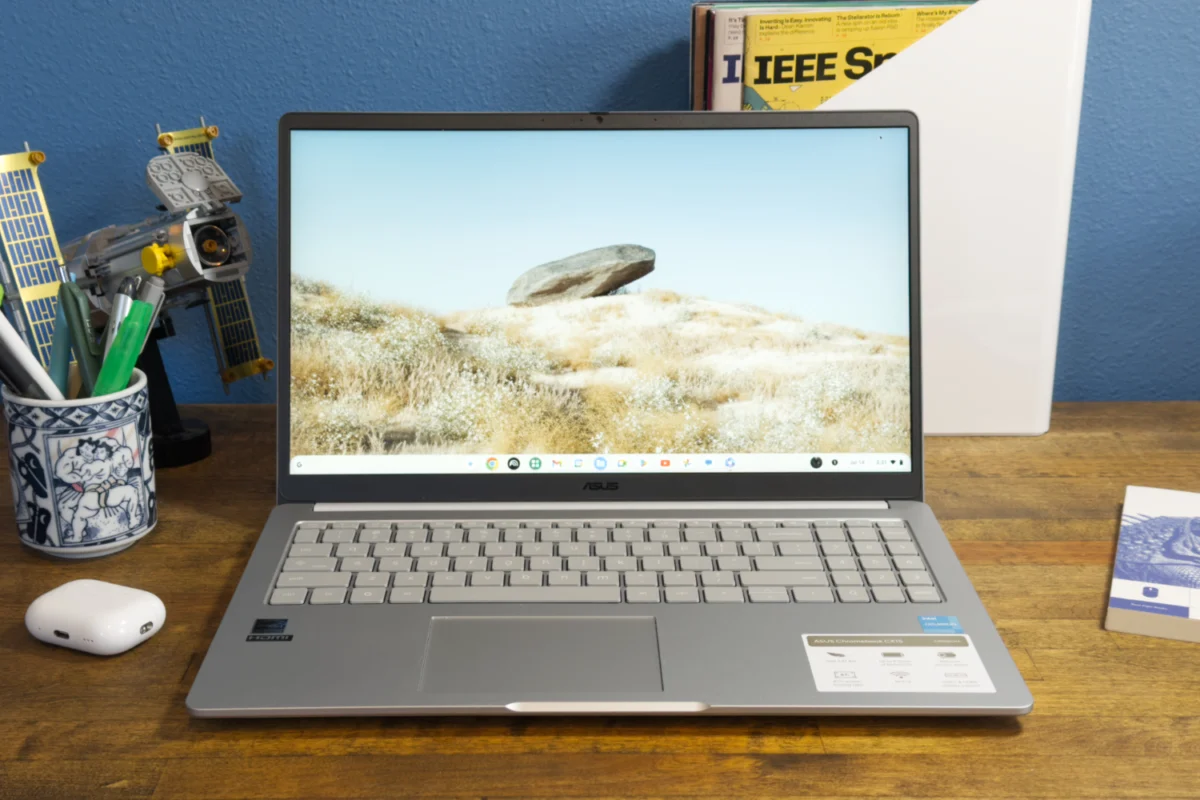
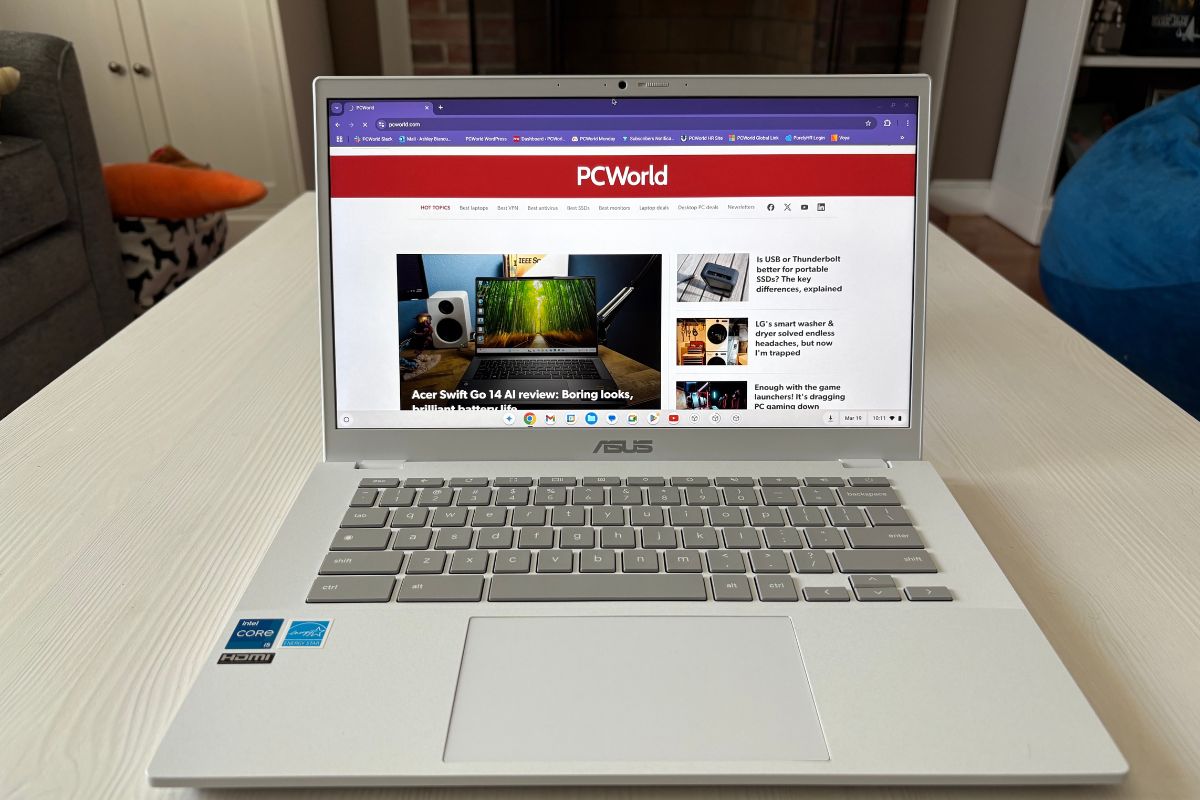
The Asus Chromebook Plus CX34 stands as our top recommendation for the vast majority of users. It strikes the elusive balance between price, build quality, and raw performance.
- Key Specs: Equipped with an Intel Core i5 processor, this machine handles multiple browser tabs, streaming services, and heavy productivity suites without breaking a sweat.
- Why it wins: It offers a comprehensive port selection—including USB-C, USB-A, and HDMI—eliminating the need for cumbersome dongles.
- The Verdict: Whether you are a student pulling an all-nighter or a remote worker managing a complex project, the CX34 provides the necessary power and reliability to get the job done.
2. The Budget Champion: Asus Chromebook CX15
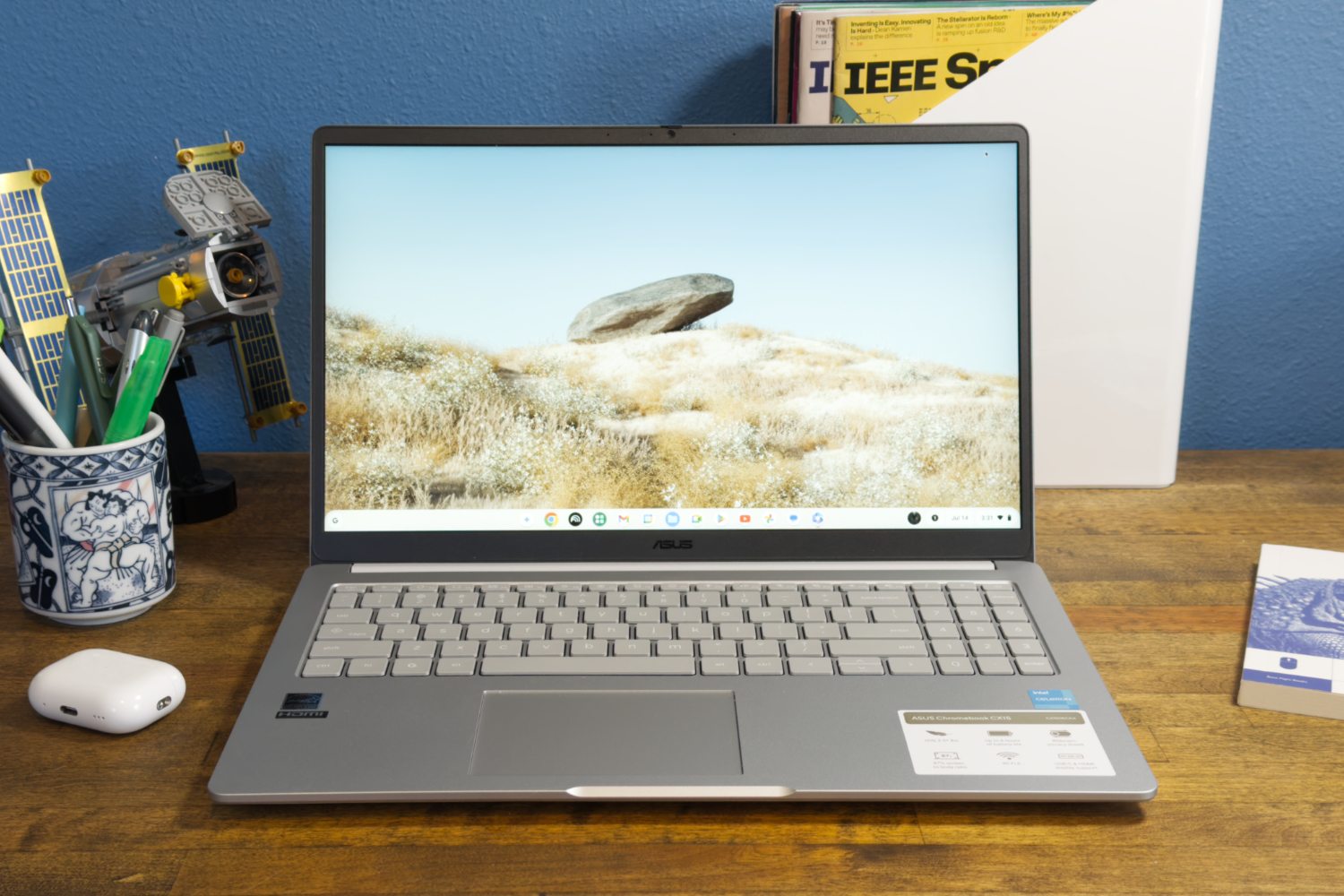
For those who prioritize value without sacrificing the essential experience of a fluid ChromeOS interface, the Asus Chromebook CX15 is our pick.

- Key Specs: A spacious 15.6-inch 1080p display paired with a comfortable, full-sized keyboard.
- Why it wins: It is rare to find a device under $200 that doesn’t feel like a toy. The CX15 offers a premium feel and enough processing overhead from its Intel Celeron N4500 chip to handle daily web-based tasks with ease.
3. The Premium Powerhouse: Lenovo Chromebook Plus 14
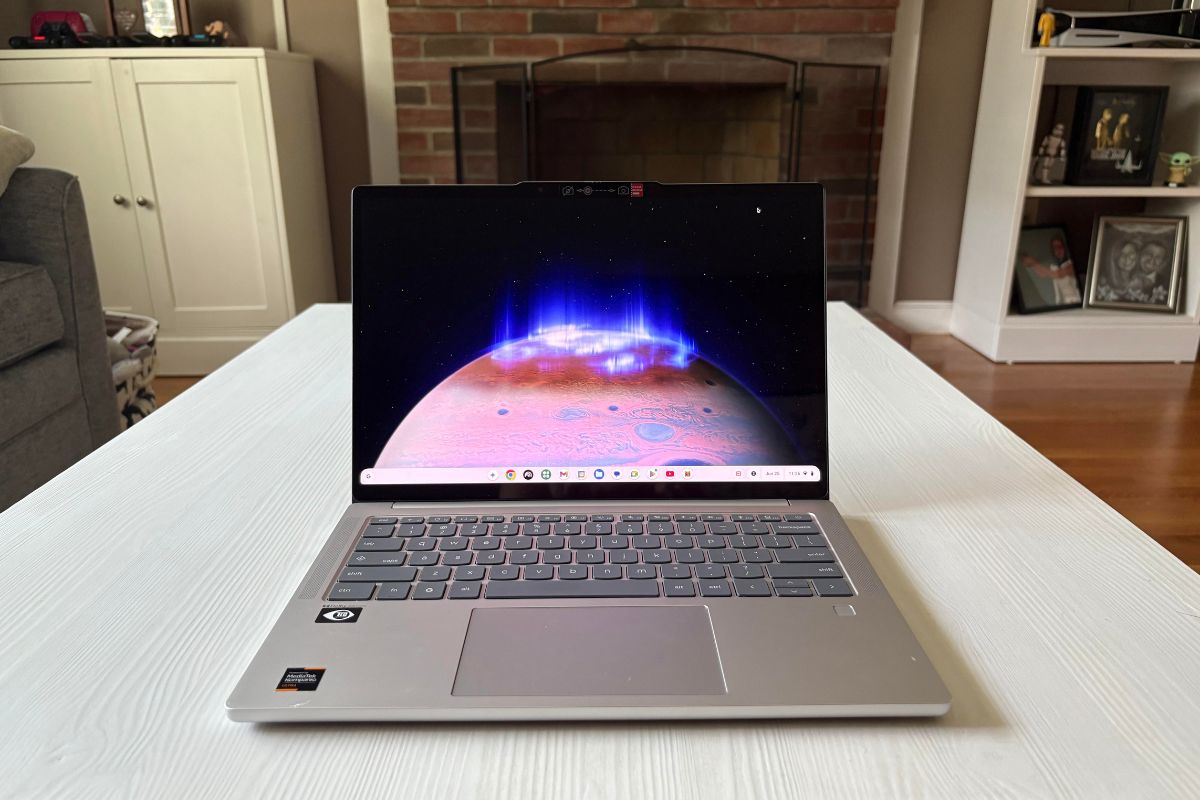
For users who demand a display that inspires and performance that keeps up with a fast-paced creative life, the Lenovo Chromebook Plus 14 is the gold standard.
- Key Specs: A stunning 14-inch 1920×1200 OLED touchscreen, 16GB of RAM, and 256GB of UFS storage.
- Why it wins: With its MediaTek Kompanio Ultra 910 chip, this device is designed for the future of AI. The colors on the OLED panel are vibrant, and the build quality—an aluminum chassis weighing less than 2.8 pounds—is truly portable.
Chronology: The Evolution of ChromeOS
- 2011: The first Chromebooks hit the market, essentially serving as thin-client browser windows.
- 2017: Support for Android apps transforms the ecosystem, allowing Chromebooks to run mobile-first applications.
- 2023-2024: The introduction of the "Chromebook Plus" standard forces manufacturers to meet higher hardware minimums, ensuring a baseline of quality.
- 2025-2026: AI integration becomes the primary differentiator. Dedicated NPUs and Gemini-powered features begin to optimize system performance and user productivity in real-time.
Supporting Data: The Rigor of Testing
At PCWorld, we do not rely on manufacturer spec sheets alone. Our testing methodology involves:
- Benchmarking: We subject each device to intense web-based performance suites that measure CPU load, memory management, and browser responsiveness.
- Usability Standards: We test the keyboard travel, trackpad precision, and screen brightness in various lighting conditions.
- Real-World Battery Simulation: Instead of synthetic drain tests, we use the devices as our daily drivers, tracking the time from 100% to 5% under a workload of 20+ tabs, video calls, and document editing.
Current findings indicate that while budget chips like the Celeron are sufficient for basic users, the "Plus" branded chips are essential for any user who plans on using their laptop for more than three years.
Official Responses and Industry Outlook
Google has positioned the modern Chromebook as a "trojan horse" for its AI ecosystem. By pushing the "Gemini" integration into the OS, Google aims to make these machines more predictive and helpful. Industry analysts suggest that by 2027, every Chromebook sold will likely include some form of generative AI hardware acceleration.
When asked about the future of ChromeOS, Google representatives have emphasized that the goal is "frictionless computing"—a state where the user never has to worry about updates, drivers, or system crashes.
Implications: Making the Right Choice
Choosing a Chromebook in 2026 means acknowledging the shift toward cloud-centric workflows. If your professional life lives in Google Workspace, Slack, Zoom, and web-based CRM tools, a high-end Chromebook will likely outperform a more expensive Windows laptop, simply because it is optimized for the software you actually use.
However, be mindful of the "RAM ceiling." While 4GB was the standard for years, we strongly recommend 8GB as the absolute minimum for 2026. If you are a heavy multitasker, look for the 16GB models, as they will ensure your device remains snappy for years to come.
FAQ: Clearing the Confusion
What is the primary difference between a Chromebook and a Windows PC?
A Windows PC is a general-purpose machine designed to run legacy software, heavy gaming, and offline-first applications. A Chromebook is a streamlined, web-first device that relies on the ChromeOS ecosystem. It is inherently more secure because it runs applications in isolated containers.
Can I play games on a Chromebook?
Yes, but with caveats. You will not be installing heavy AAA titles locally. Instead, the focus is on cloud gaming services like NVIDIA GeForce Now or Xbox Cloud Gaming. If you are a casual gamer, these services provide a console-like experience through your browser.
Is the Asus Chromebook Plus CX34 really the best?
For the price point, yes. It provides the most consistent experience for the most people. However, if your budget is flexible, the Lenovo Chromebook Plus 14 offers a superior display and faster processing, making it a better investment for long-term use.
Conclusion
The landscape of Chromebooks in 2026 is richer than ever. Whether you need a simple, durable tool for basic tasks or a sleek, AI-capable device for demanding professional work, there is a model tailored to your needs. By prioritizing RAM, choosing the right processor tier, and leaning into the benefits of the ChromeOS ecosystem, you can find a device that doesn’t just work—it helps you do your best work.
Remember: Always check for recent firmware updates and ensure your chosen model is still within its Google "Auto Update Expiration" (AUE) window to ensure you get years of security patches and feature drops.