With age comes wisdom, and in the high-fidelity audio industry, it also brings an unmatched legacy of acoustic engineering. Today, some of the most respected names in home audio are not the nimble tech startups of Silicon Valley, but legacy brands that trace their origins back to the dawn of recorded sound.
From the hand-cranked phonographs of the late 19th century to the sophisticated wireless streaming systems of the 21st, these manufacturers have survived bankruptcies, world wars, global shifts in manufacturing, and radical changes in consumer formats.
This comprehensive review explores the "70+ Club" of hi-fi—veteran brands founded before 1955 that remain at the pinnacle of their game today. We examine their core histories, their technological milestones, their corporate transitions, and their enduring impact on how we listen to music.
1. Main Facts: The Resilience of Audio Heritage
The high-fidelity audio market is built on a paradox: consumers constantly demand cutting-edge digital convenience, yet they retain a profound reverence for analog heritage. The brands profiled here represent the foundation of the audio industry. Each has crossed the 70-year threshold, with the oldest, Thorens, boasting over 140 years of continuous operation.
The survival of these brands relies on three core factors:
- Acoustic IP and Patents: Fundamental inventions—such as the moving-coil cartridge, the electrostatic loudspeaker, the horn-loaded cabinet, and the dual-concentric driver—remain the foundation of modern speaker and turntable design.
- Brand Equity and Retro-Futurism: The aesthetic appeal of mid-century industrial design (wood veneers, tactile switches, glowing VU meters) has driven a massive market resurgence.
- Corporate Stewardship: Many of these brands have transitioned from family-owned workshops to key assets within large international audio conglomerates, such as the International Audio Group (IAG), Harman International (a subsidiary of Samsung), and the McIntosh Group (recently acquired by Bose).
2. Chronology of Innovation: The Pioneers of Hi-Fi
To understand the evolution of high-fidelity audio, we must trace the history of these legendary brands chronologically, observing how the innovations of one era laid the groundwork for the next.
[1883] Thorens founded (Switzerland)
  │
[1918] Ortofon founded (Denmark)
  │
[1924] Celestion founded (UK)
  │
[1925] Bang & Olufsen founded (Denmark)
  │
[1926] Tannoy founded (UK)
  │
[1932] Roberts Radio & Wharfedale founded (UK)
  │
[1934] Leak founded (UK)
  │
[1936] Quad founded (UK)
  │
[1938] Pioneer founded (Japan)
  │
[1946] SME (UK), Sony (Japan), Klipsch (USA), JBL (USA) founded
  │
[1949] McIntosh founded (USA)
The Late 19th Century to World War I: The Mechanical Era
Thorens (Founded 1883)
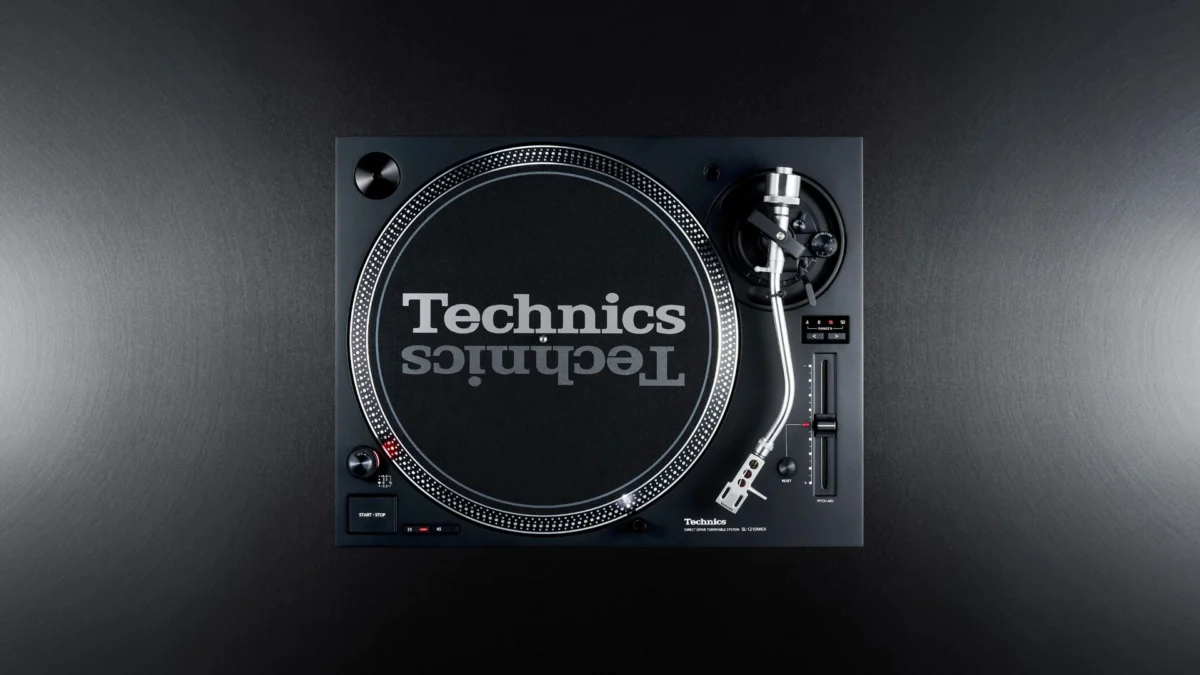
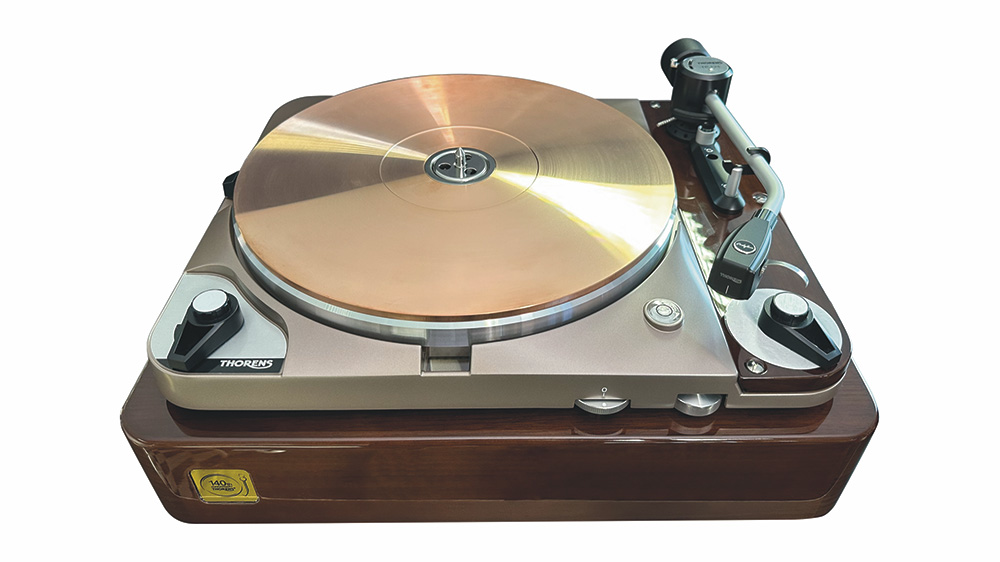
Long before the LP record was invented, Hermann Thorens established a family business in Sainte-Croix, Switzerland, manufacturing musical boxes and clock movements. As technology evolved, Thorens began producing Edison-style phonographs in 1903.
By the late 1920s, the company engineered its first electric-drive turntable, setting the stage for the legendary TD 124 in 1957. The TD 124 became a benchmark for broadcast and audiophile performance, utilizing a unique drive system that combined a belt and an idler wheel to minimize motor rumble.
Ortofon (Founded 1918)
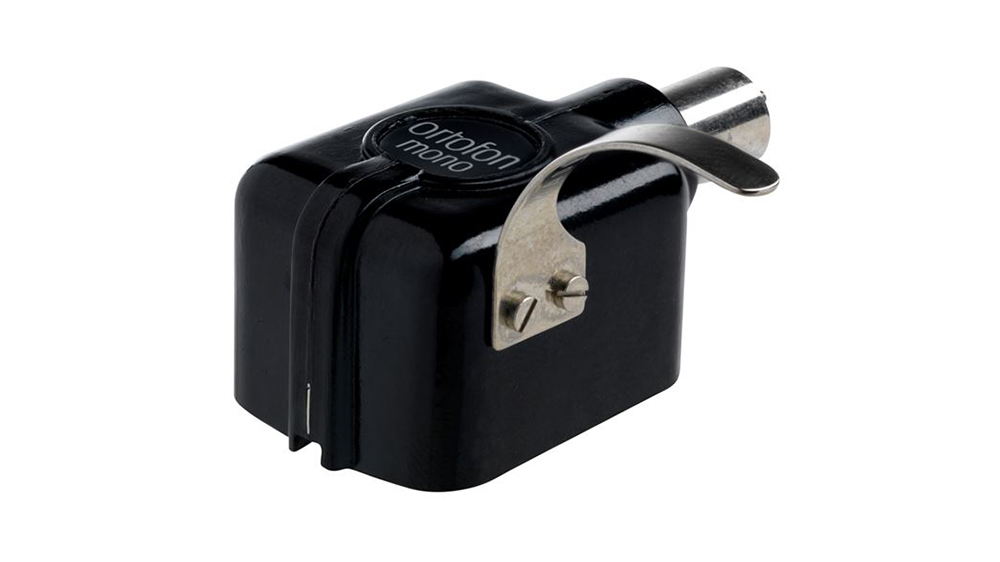
In the closing months of World War I, Danish engineers Axel Petersen and Arnold Poulsen founded the Electrical Fonofilms Company. Their initial goal was to synchronize sound with moving pictures on film—a breakthrough they demonstrated in Copenhagen in 1923.
This film sound technology was later adapted to disk cutting heads for the gramophone industry. By 1948, Ortofon developed its first moving coil (MC) cartridge. Today, the brand is arguably the world’s leading manufacturer of phono cartridges, celebrated for both its entry-level 2M moving magnet series and its ultra-high-end moving coil models.
The Interwar Golden Age (1920s–1930s): The Rise of Broadcast and Loudspeakers
Celestion (Founded 1924)
Founded in Kingston-upon-Thames, England, by Cyril French, Celestion was pioneer in the development of the cone loudspeaker. Utilizing a design by Eric Mackintosh, Celestion’s early "sound radiators" helped bring radio broadcasts into British living rooms.
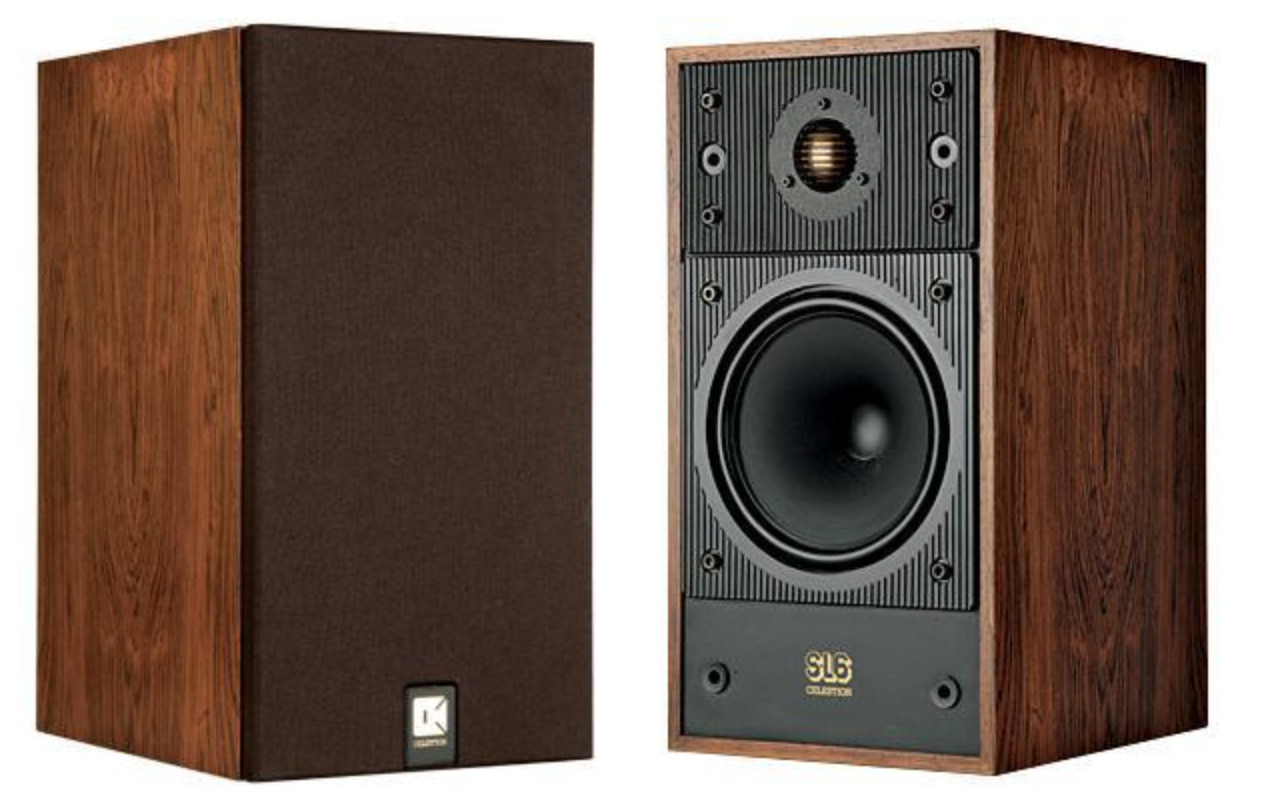
While Celestion eventually became a dominant force in the guitar amplifier speaker market—providing the legendary "Celestion Blue" and "Greenback" drivers that defined the sound of British rock in Marshall and Vox amplifiers—its contributions to domestic hi-fi, including the innovative SL6 copper-dome tweeter speakers of the 1980s, remain highly influential.
Bang & Olufsen (Founded 1925)
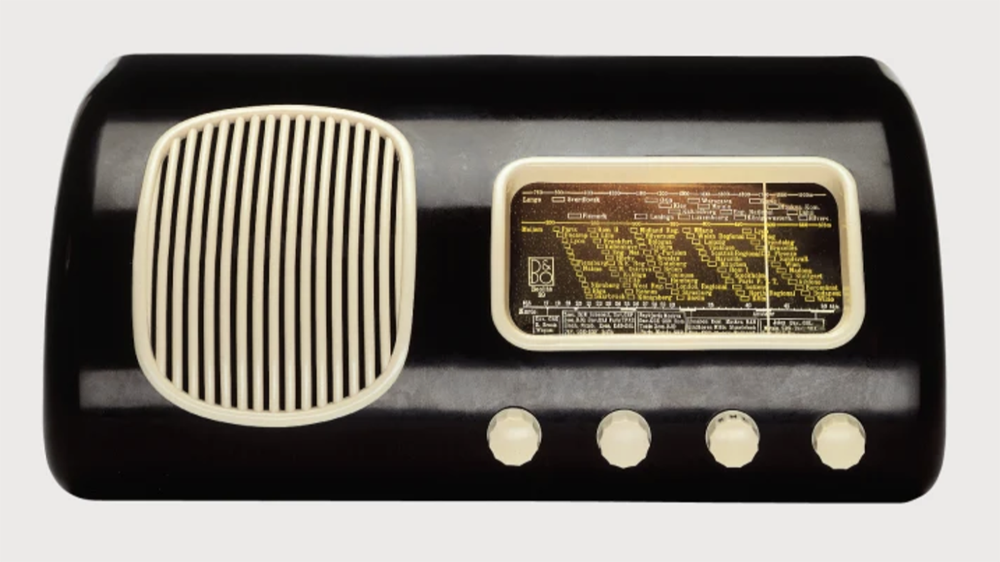
In Struer, Denmark, engineers Peter Bang and Svend Olufsen began experimenting with mains-powered radios in the attic of the Olufsen family estate. Their first major commercial success was the B&O Eliminator (1927), a device that allowed battery-powered radios to be plugged directly into wall outlets.
By the 1930s, B&O was integrating striking architectural aesthetics with premium audio performance. The launch of the Beolit radio in 1939 established the "Beo" prefix and cemented the company’s design philosophy: audio equipment should not only sound exceptional, but it should also serve as a centerpiece of modern home decor.
Tannoy (Founded 1926)
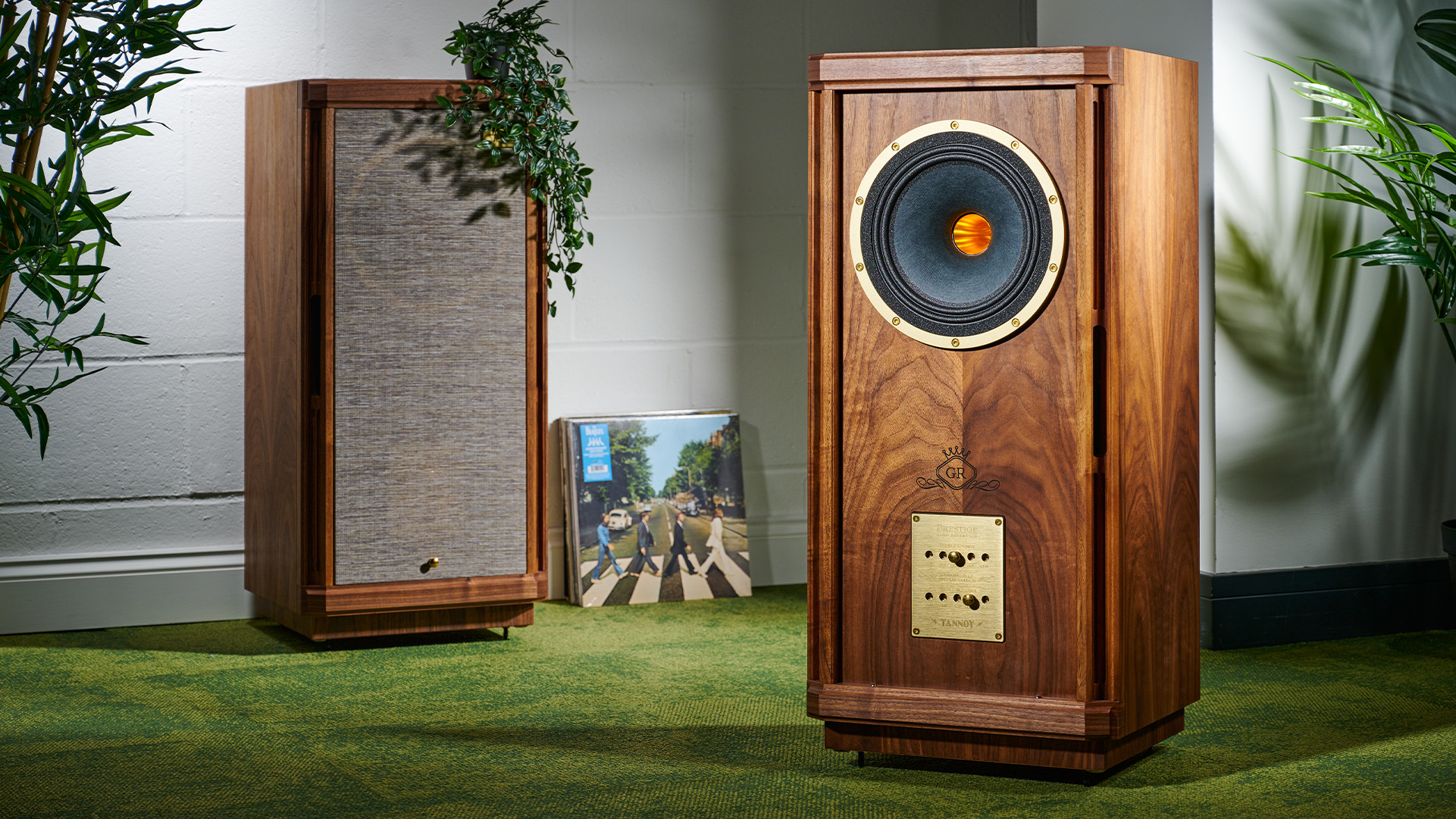
Originally founded as the Tulsemere Manufacturing Company in London by Guy R. Fountain, the brand was renamed Tannoy in 1928—a portmanteau of Tantalum and Lead Alloy, the materials used in Fountain’s home-friendly radio battery chargers.
During World War II, Tannoy supplied public address systems to military airfields and government buildings, to the point where "Tannoy" became a generic trademark in the UK for a PA system. In 1947, the company invented the Dual Concentric driver, placing the high-frequency tweeter directly at the center of the low-frequency woofer. This point-source acoustic design remains the signature technology of Tannoy’s prestigious Prestige speaker series today.
Roberts Radio (Founded 1932)
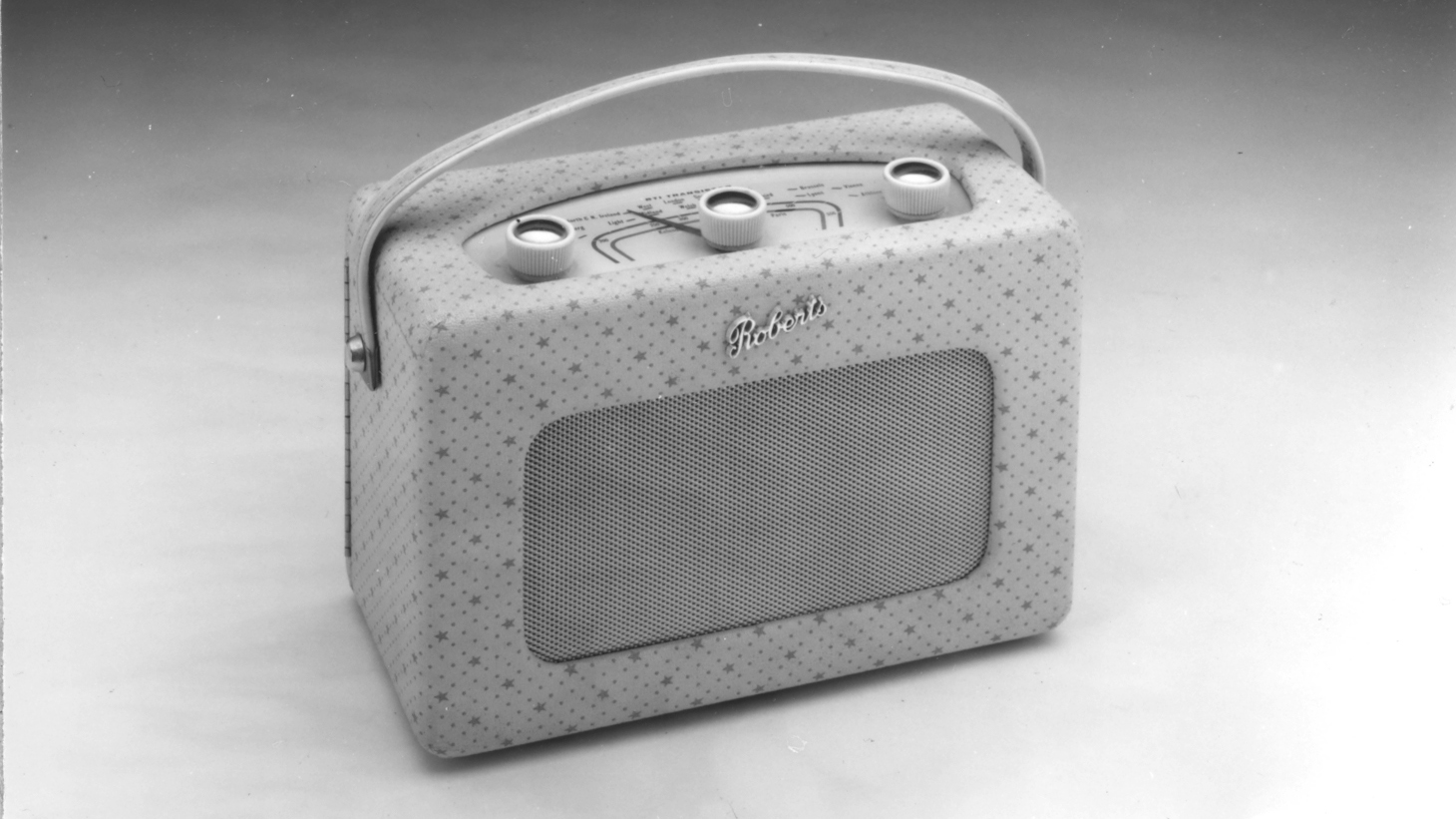
Harry Roberts and Leslie Bidmead founded Roberts Radio in London with a simple ethos: build high-quality portable radios without cutting corners. Bidmead famously sold his motorcycle to fund their first workshop.
The brand’s leatherette-bound, handbag-style portable radios (such as the R66) quickly caught the attention of the British Royal Family. Roberts Radio holds three Royal Warrants and remains a symbol of classic British design, successfully modernizing its product line with internet-connected smart radios and multi-room wireless systems.
Wharfedale (Founded 1932)
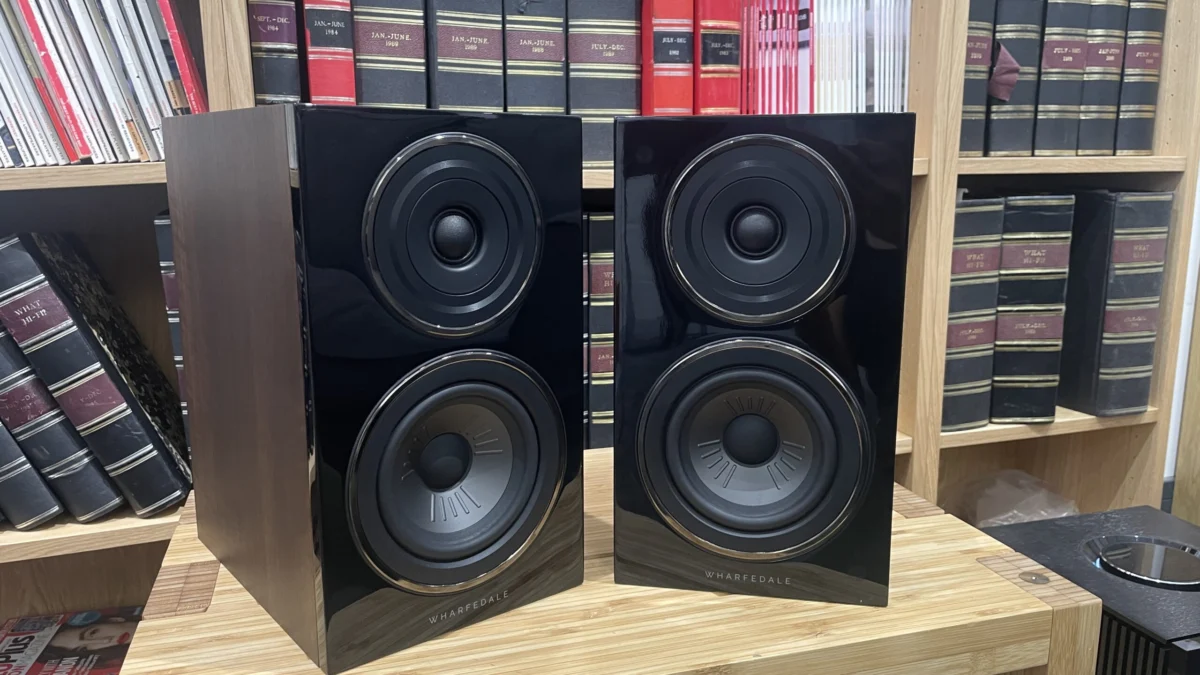
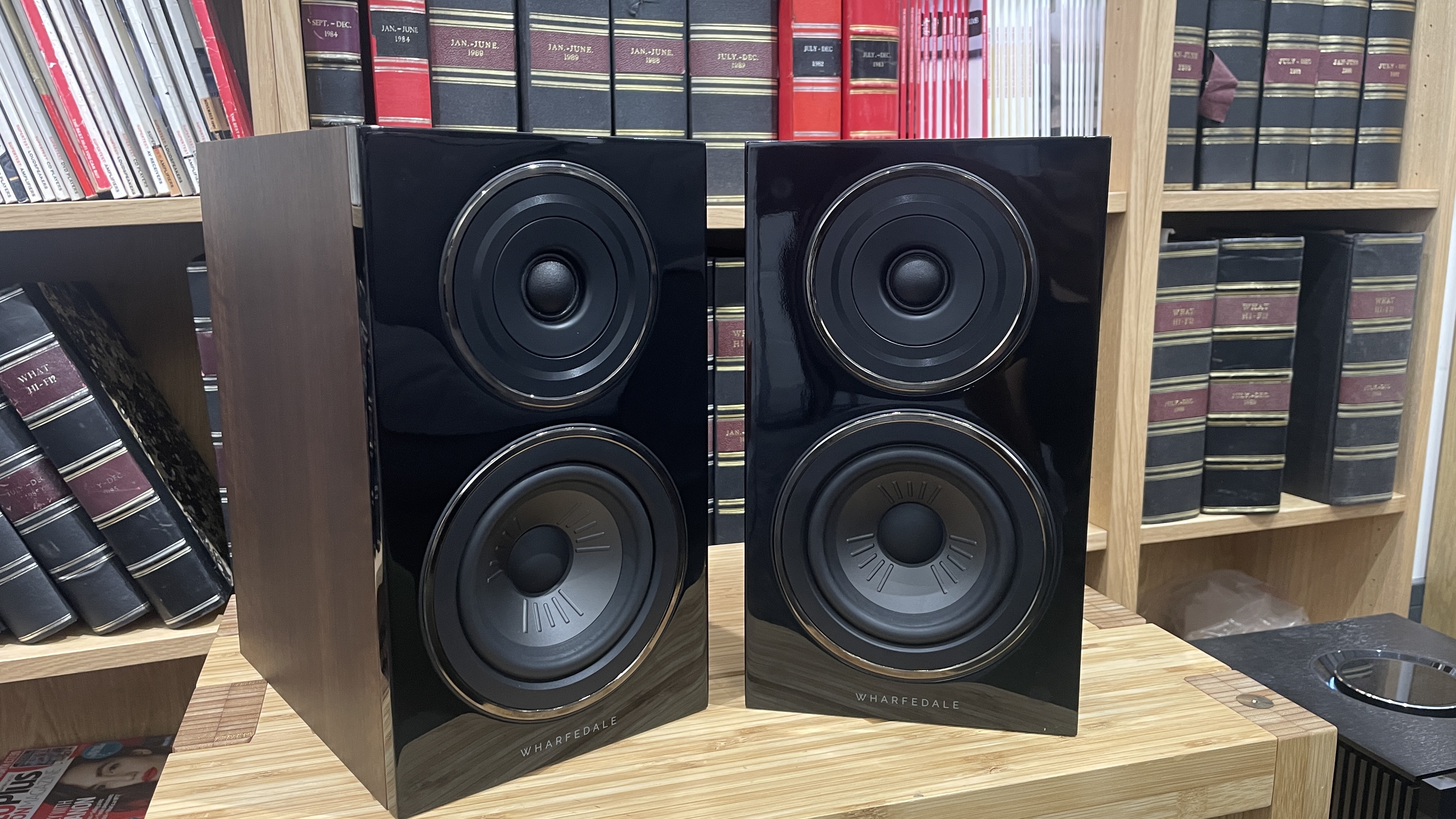
Gilbert Briggs built his very first loudspeaker in the cellar of his home in Ilkley, Yorkshire, located in the valley of the River Wharfe. Briggs was a passionate music lover and a prolific writer, publishing over 20 books on speaker design.
Wharfedale pioneered the two-way loudspeaker system in the 1940s and introduced ceramic magnets to domestic speakers in the 1960s. The brand’s Diamond series, launched in 1982, redefined the budget loudspeaker market, offering genuine high-fidelity sound at an accessible price point—a legacy continued today by the Diamond 12 series.
Leak (Founded 1934)
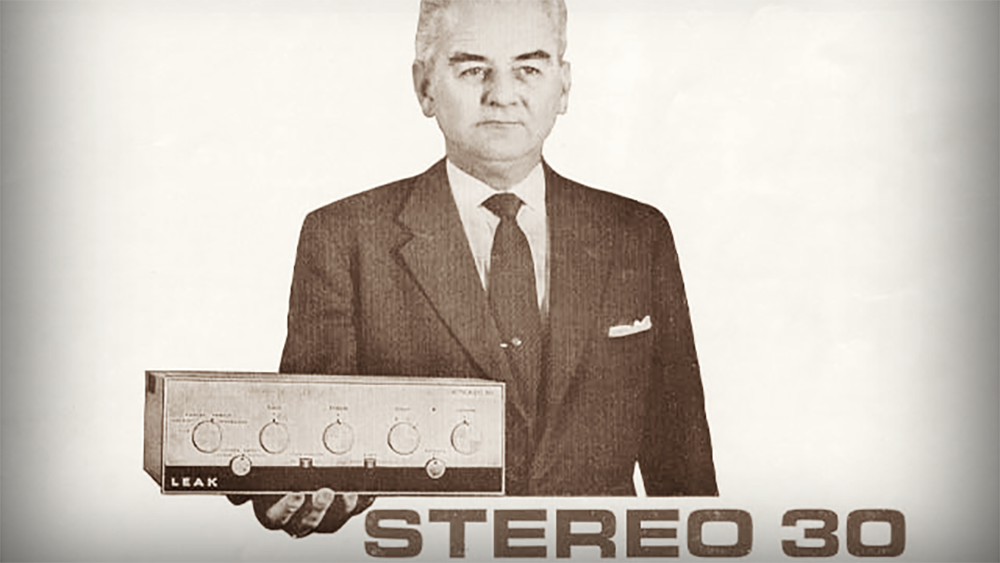
Harold Joseph Leak established H.J. Leak & Co. in London, focusing on high-quality valve amplification. In 1945, Leak introduced the "Point One" amplifier series, so named because it was the first commercial amplifier to achieve a total harmonic distortion (THD) rating of just 0.1%.
Leak followed this with the "Sandwich" loudspeaker in 1961, which used a revolutionary diaphragm made of polystyrene foam sandwiched between skin-thin sheets of aluminum. After a 40-year hiatus, the brand was resurrected in 2020 by IAG, launching the retro-styled Stereo 130 integrated amplifier and CDT transport to critical acclaim.
Quad (Founded 1936)
Peter Walker founded the Acoustical Manufacturing Company in London, which eventually became known as Quad (an acronym for Quality Unit Amplifier Domestic). Quad’s crowning achievement came in 1957 with the launch of the ESL (Electrostatic Loudspeaker), the world’s first full-range electrostatic speaker.
Unlike conventional cone speakers, the ESL used an ultra-thin electrically charged diaphragm suspended between two stator plates. This design produced an incredibly transparent, low-distortion sound that revolutionized the audio industry.
[Conventional Speaker]
Electrical Signal ──> Voice Coil ──> Cone Physical Movement ──> Sound Waves

[Quad Electrostatic (ESL)]
Electrical Signal ──> Stator Plates ──> Ultra-thin Diaphragm ──> Instantaneous Sound Waves
Pioneer (Founded 1938)
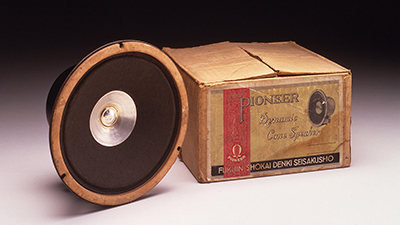
Nozomu Matsumoto founded Fukuin Shokai Denki Seisakusho in Tokyo to manufacture his newly developed A-8 dynamic speaker driver. Renamed Pioneer in 1961, the company went on to drive massive consumer electronics innovations, developing the world’s first component car stereo, pioneering LaserDisc technology in the 1980s, and producing the legendary Kuro plasma televisions in the 2000s.
The Post-WWII Boom (1940s): The Golden Era of Analog Hi-Fi
SME (Founded 1946)
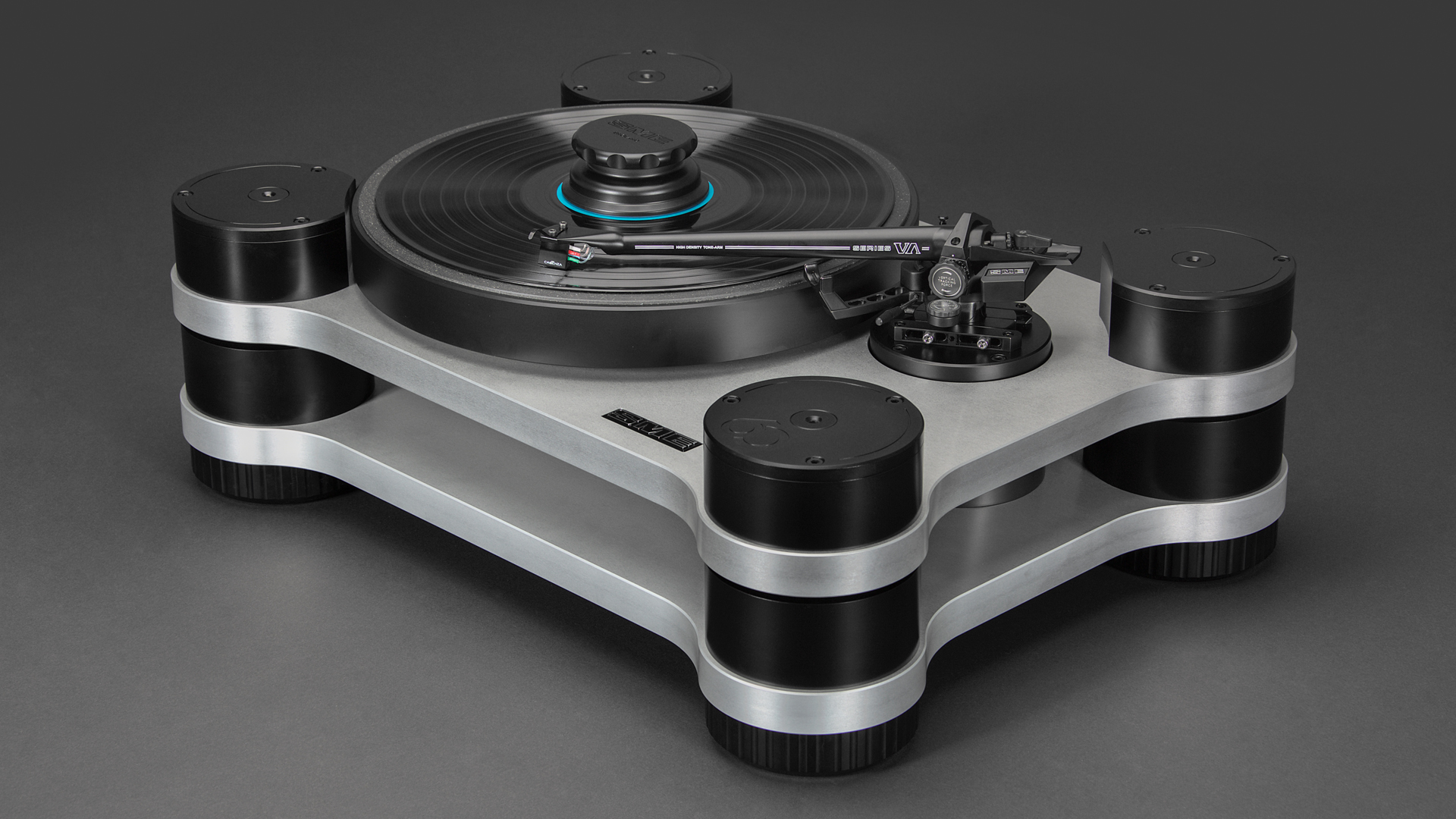
Originally the Scale Model Equipment Company, SME manufactured high-precision scale models and parts for the aviation and engineering industries. In 1959, founder Alastair Robertson-Aikman designed a high-precision pickup arm for his personal use.
The design was so well-received by fellow audiophiles that SME pivoted entirely to audio engineering, creating some of the most famous tonearms in history (such as the SME Series II). Today, SME produces ultra-high-end turntables, including the Model 60, and owns the rights to the classic Garrard audio brand.
Sony (Founded 1946)
Masaru Ibuka and Akio Morita started Tokyo Telecommunications Engineering Corporation in a bombed-out department store building in Tokyo. After building Japan’s first tape recorder, the Type-G, the company renamed itself Sony in 1958.
Sony’s history is a series of industry-defining milestones: the first pocket-sized transistor radio (TR-55), the iconic Walkman portable cassette player (1979), and the co-development of the Compact Disc (CD) format with Philips in 1982.
Klipsch (Founded 1946)
Working out of a tin shed in Hope, Arkansas, Paul W. Klipsch designed, hand-built, and patented the Klipschorn. Designed to be placed in the corner of a room, the Klipschorn utilized horn-loading technology to deliver the high efficiency, wide dynamic range, and low distortion of a live concert hall using only a few watts of amplifier power.
The Klipschorn has been in continuous production for over 75 years, making it the longest-running speaker model in audio history.
JBL (Founded 1946)
James Bullough Lansing, an incredibly talented but troubled audio engineer, founded JBL after previously co-founding Altec Lansing. JBL’s early compression drivers and transducers set new standards for cinema and professional sound reinforcement.
Acquired by the Jervis Corporation (later Harman International) in 1969, JBL successfully crossed over to the consumer market with the L100 Century loudspeaker in 1970, which became the best-selling loudspeaker of the decade.
McIntosh (Founded 1949)
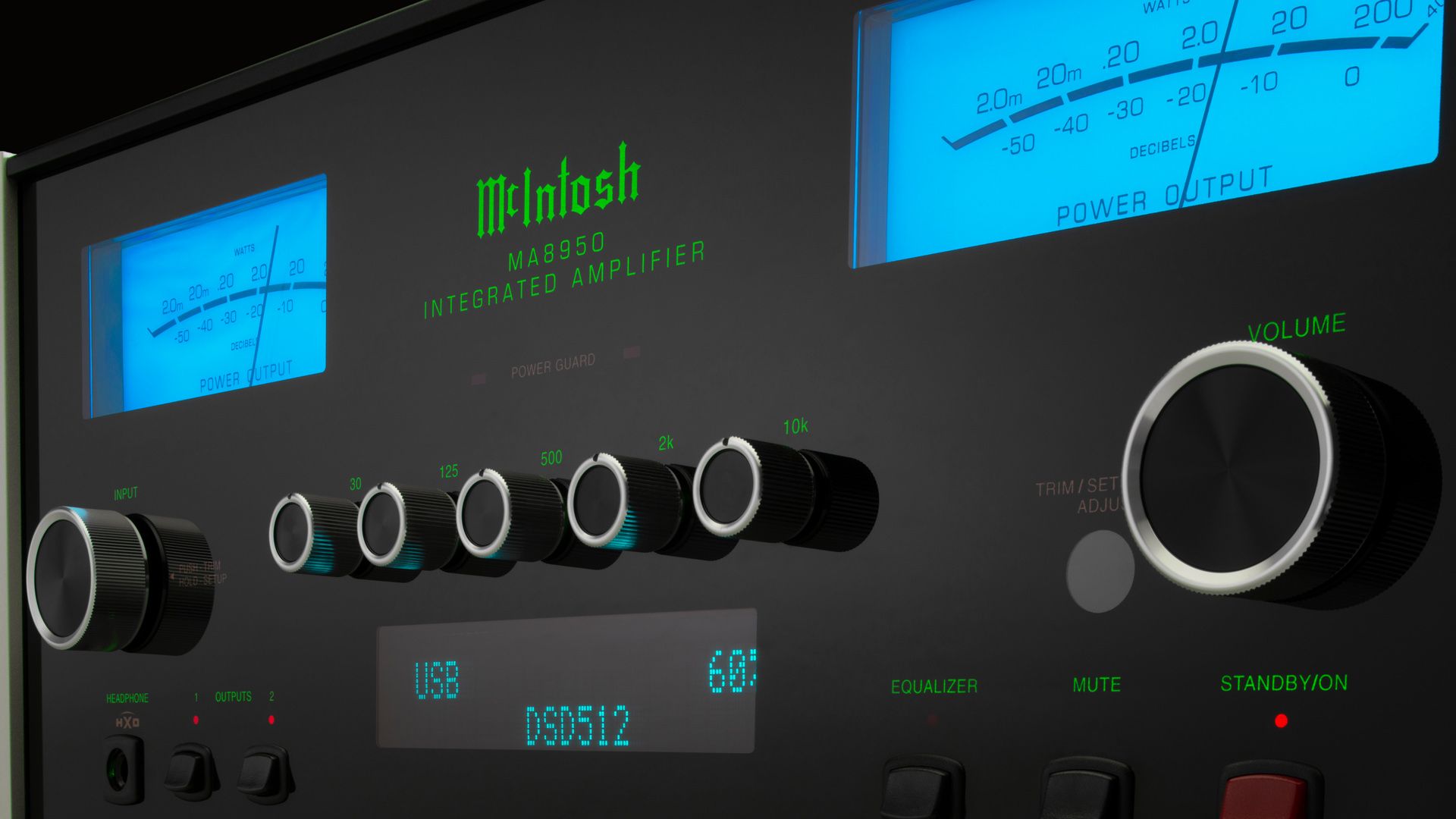
Frank McIntosh founded McIntosh Engineering Laboratory in Silver Spring, Maryland. McIntosh amplifiers became legendary for their high power, low distortion, and tank-like build quality.
The brand’s signature design elements—handcrafted glass front panels, glowing blue VU power meters, and green backlighting—were established in the 1950s and 1960s. McIntosh amplifiers famously powered the Woodstock music festival in 1969 and the Grateful Dead’s legendary "Wall of Sound" PA system in 1974.
3. Supporting Data: Iconic Milestones and Market Longevity
To appreciate the scale of these brands’ contributions to the audio landscape, we can look at their signature historical products alongside their modern direct equivalents:
| Brand | Iconic Historical Product (Launch Year) | Key Innovation | Modern Equivalent / Successor |
|---|---|---|---|
| Thorens | TD 124 (1957) | Split-platter belt/idler drive | TD 1600 / TD 124 DD |
| Ortofon | SPU Mono Cartridge (1948) | Integrated headshell moving coil | 2M Series / MC Century |
| Tannoy | Monitor Black Dual Concentric (1947) | Point-source coaxial driver | Stirling III LZ Special Edition |
| Bang & Olufsen | Beolit 39 (1939) | Bakelite cabinet integration | Beosound A5 / Beolit 20 |
| Quad | ESL-57 (1957) | Full-range electrostatic panel | ESL-2812 / ESL-2912 |
| Klipsch | Klipschorn (1946) | Corner horn-loaded enclosure | Klipschorn AK6 |
| JBL | L100 Century (1970) | Cast-frame transducers, foam grille | L100 Classic MkII |
| Leak | Stereo 30 (1963) | Transistorized domestic amplification | Stereo 130 / Stereo 230 |
| McIntosh | MC275 Valve Amplifier (1961) | Unity Coupled Circuitry | MC275 VI / DS200 Streaming DAC |
4. Corporate Stewardship: Mergers, Acquisitions, and Resurrections
The modern hi-fi market is highly consolidated. Maintaining a legacy brand’s identity while scaling production for the global digital age requires careful corporate management.
The International Audio Group (IAG) Model
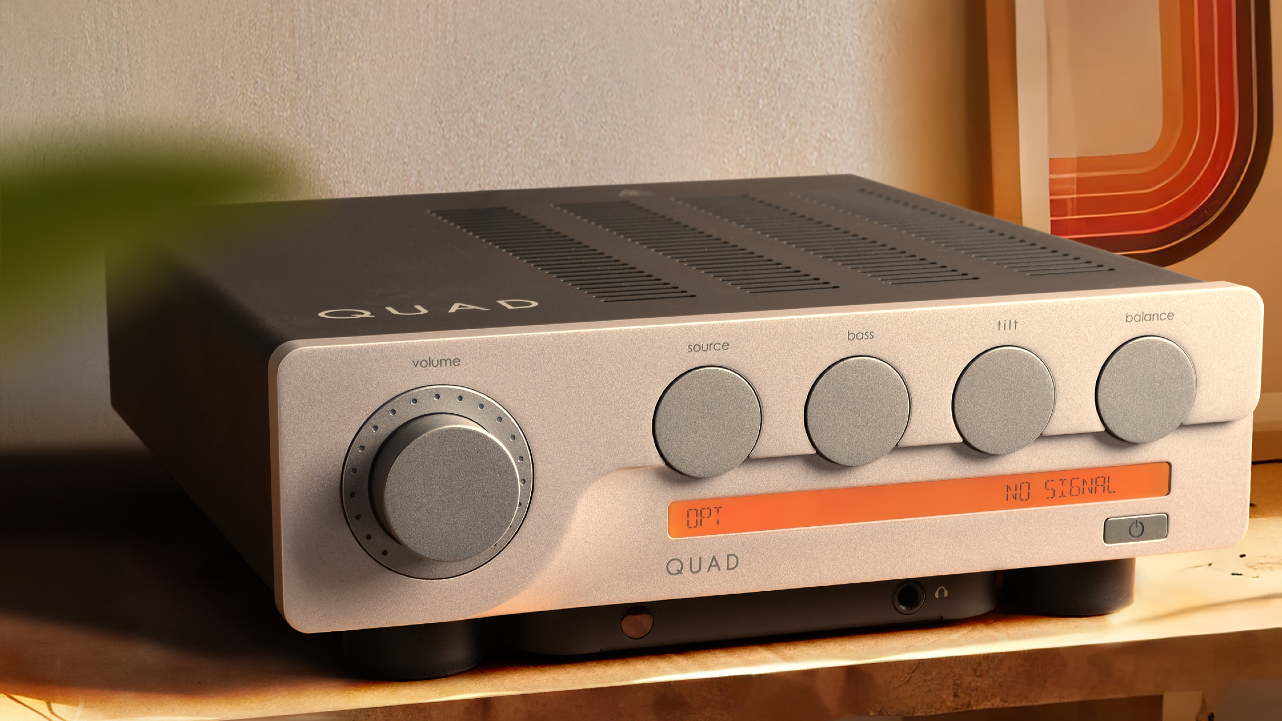
IAG, headquartered in Shenzhen with design facilities in Huntingdon, England, has become a primary custodian of classic British hi-fi. Under its umbrella, brands like Wharfedale, Quad, and Leak have undergone highly successful revivals.
IAG’s strategy involves keeping the original acoustic engineering philosophies in the UK while leveraging high-volume, precision manufacturing in China. The revival of Leak in 2020 after a 40-year absence is a prime example of this model working successfully, offering retro art-deco styling wrapped around modern Class-D amplification, DACs, and Bluetooth connectivity.
The Harman / Samsung Consolidation
JBL’s journey highlights the transition from a specialist engineering firm to a global lifestyle brand. Under Harman International, JBL was divided into "JBL Professional" (which equips cinemas, stadiums, and recording studios) and "JBL Consumer" (which dominates the portable Bluetooth speaker and headphone market).
When Samsung acquired Harman International in 2017 for $8 billion, it secured JBL’s massive mass-market share while continuing to fund high-end heritage projects like the JBL L100 Classic reissue.
The Bose Acquisition of McIntosh Group (2024)
In one of the most significant corporate shakeups in recent hi-fi history, Bose Corporation acquired the McIntosh Group in late 2024. The McIntosh Group includes both McIntosh Laboratory and the premium Italian speaker brand Sonus Faber.
While Bose is traditionally known for mass-market, active noise-canceling headphones and compact smart speakers, this acquisition marks a major move into the ultra-luxury, high-end audiophile space. Bose has committed to keeping McIntosh’s manufacturing facility in Binghamton, New York, while planning to integrate Bose’s digital signal processing (DSP) and automotive audio expertise with McIntosh’s high-end amplification technology.
5. Implications for Modern Audio: The Appeal of Retro-Futurism
The enduring success of these 70-year-old brands is not merely a product of nostalgia; it represents a deliberate shift in modern consumer preferences. This dynamic is driven by several key factors:
The Resurgence of Physical Media and Tactile High-Fidelity
As music consumption has become increasingly digitized and ephemeral through streaming services, consumers have developed a renewed desire for tactile, physical audio experiences. This is reflected in:
- The Vinyl Revival: Turntable sales have reached heights not seen since the 1980s, directly benefiting cartridge specialists like Ortofon and turntable manufacturers like Thorens and SME.
- The Appeal of "Slow Listening": Operating a manual turntable, watching physical VU meters bounce, and sitting in a dedicated listening chair has become a form of mindfulness for many music enthusiasts.
[Digital Streaming] ──> Convenience, Algorithm-driven, Low Engagement
                               VS.
[Analog Hi-Fi]       ──> Tactile, Intentional Listening, High Engagement
The Concept of Retro-Futurism
Modern legacy hi-fi successfully merges vintage aesthetics with state-of-the-art digital architecture. Products like the Leak Stereo 230 or the McIntosh DS200 Streaming DAC look like they were pulled directly from a 1960s living room, but underneath their walnut veneers lie ESS Sabre DACs, high-resolution Wi-Fi streaming chips, and HDMI ARC inputs.
This approach allows music lovers to enjoy the warmth and character of vintage industrial design without sacrificing the convenience of playing music directly from their smartphones.
Sustainability and Heirloom Value
Unlike modern consumer electronics (such as smart speakers and soundbars, which are often obsolete within five to ten years due to software incompatibility), high-end legacy hi-fi is built to last for generations. A pair of Klipschorn speakers or a McIntosh tube amplifier can be serviced, repaired, and passed down as a family heirloom.
In an era of disposable technology, the enduring presence of these veteran audio brands is a testament to the timeless value of exceptional industrial design and uncompromising acoustic engineering.