For nearly half a century, the name Marantz has been synonymous with high-fidelity audio, serving as a cornerstone for audiophiles seeking premium sound without requiring a lottery win. Within their extensive catalog, few components have achieved the legendary status of their entry-level CD players. Specifically, the Marantz CD6007, launched in August 2020, has stood as the undisputed benchmark of budget-to-mid-range digital playback. It was a five-star performer that secured consecutive What Hi-Fi? Awards, lauded for its crisp, open, and punchy presentation.
However, the march of technological progress waits for no component. After a run of more than four years, Marantz has officially announced the retirement of the CD6007, paving the way for its successor: the Marantz CD 70. This transition marks more than just a simple model refresh; it represents a fundamental shift in Marantz’s design language, pricing strategy, and internal engineering philosophy.
Below is an in-depth, professional journalistic analysis of how these two digital-to-analogue heavyweights compare, examining the main facts, chronological history, technical specifications, design philosophies, and the broader implications for the high-fidelity audio market.
Main Facts: The Key Differences at a Glance
The transition from the CD6007 to the CD 70 brings several crucial modifications designed to modernize the listening experience while adapting to current global economic realities.
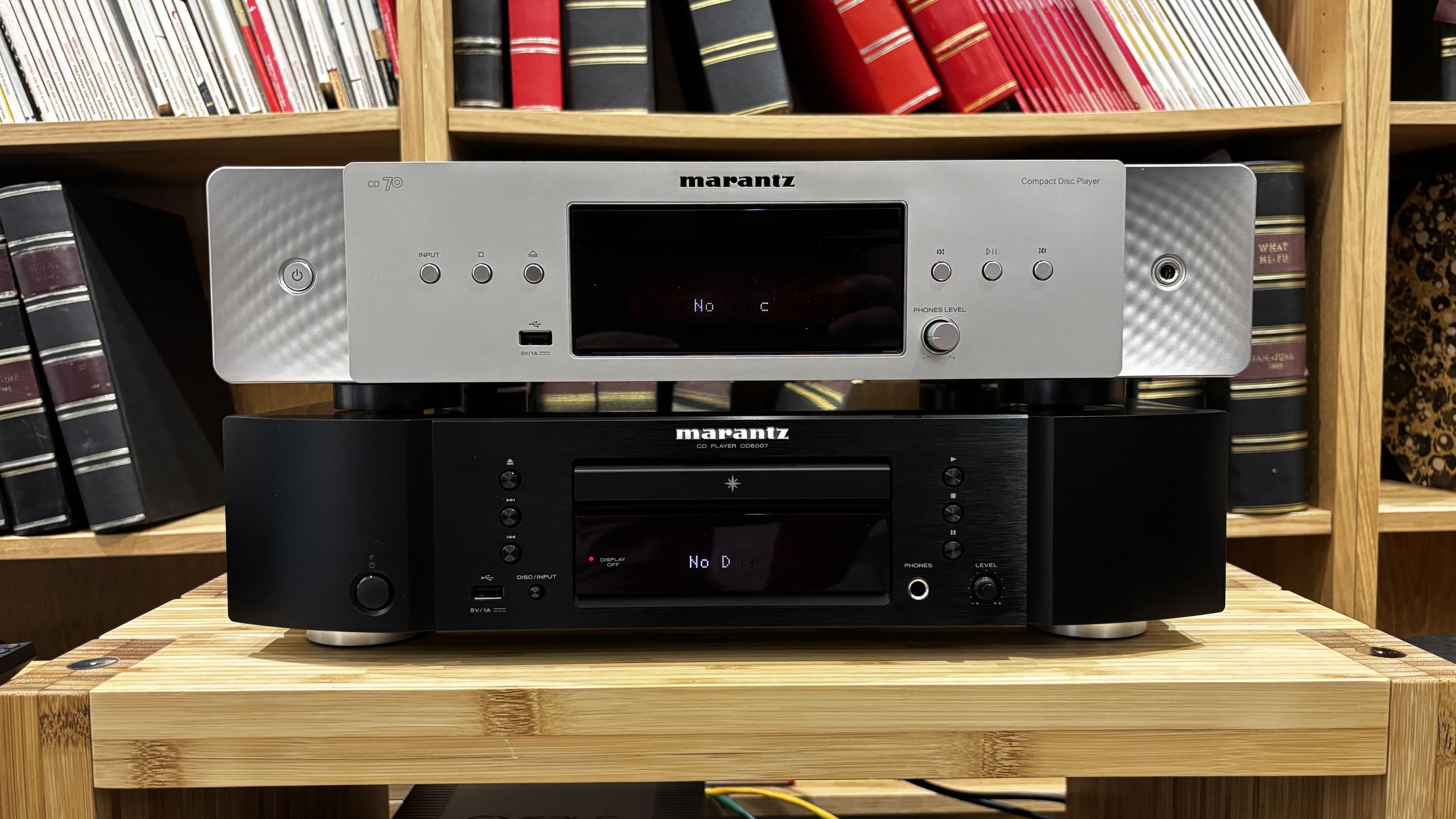
- Pricing Adjustments: The new Marantz CD 70 enters the market at a higher price point than its predecessor. The CD 70 is priced at £499 | €600 | $750 | AU$1000 (excluding VAT). By comparison, the outgoing CD6007 launched at £399 | €449 | $650 | AU$999 and can frequently be found discounted as retailers clear out remaining stock.
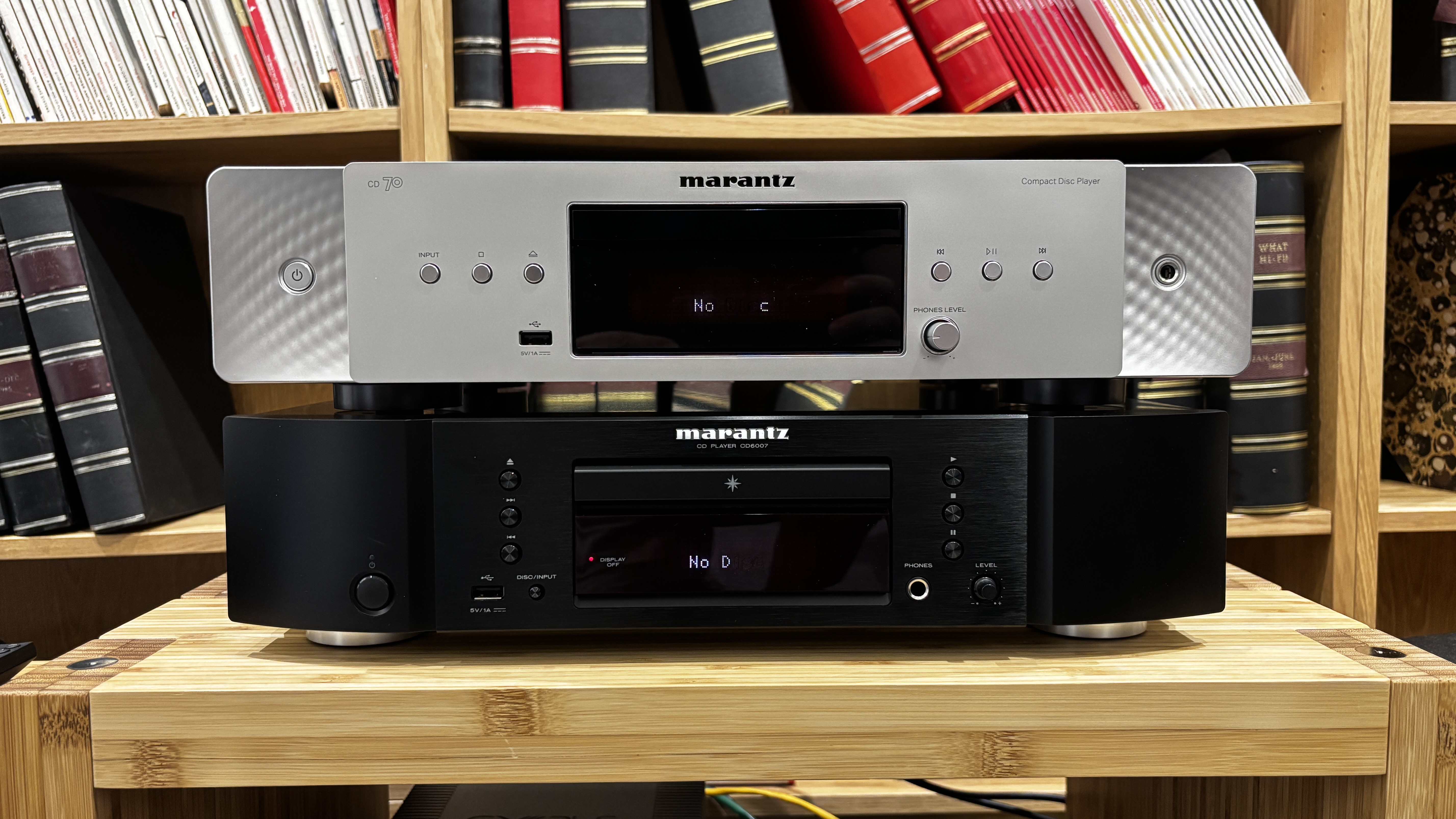
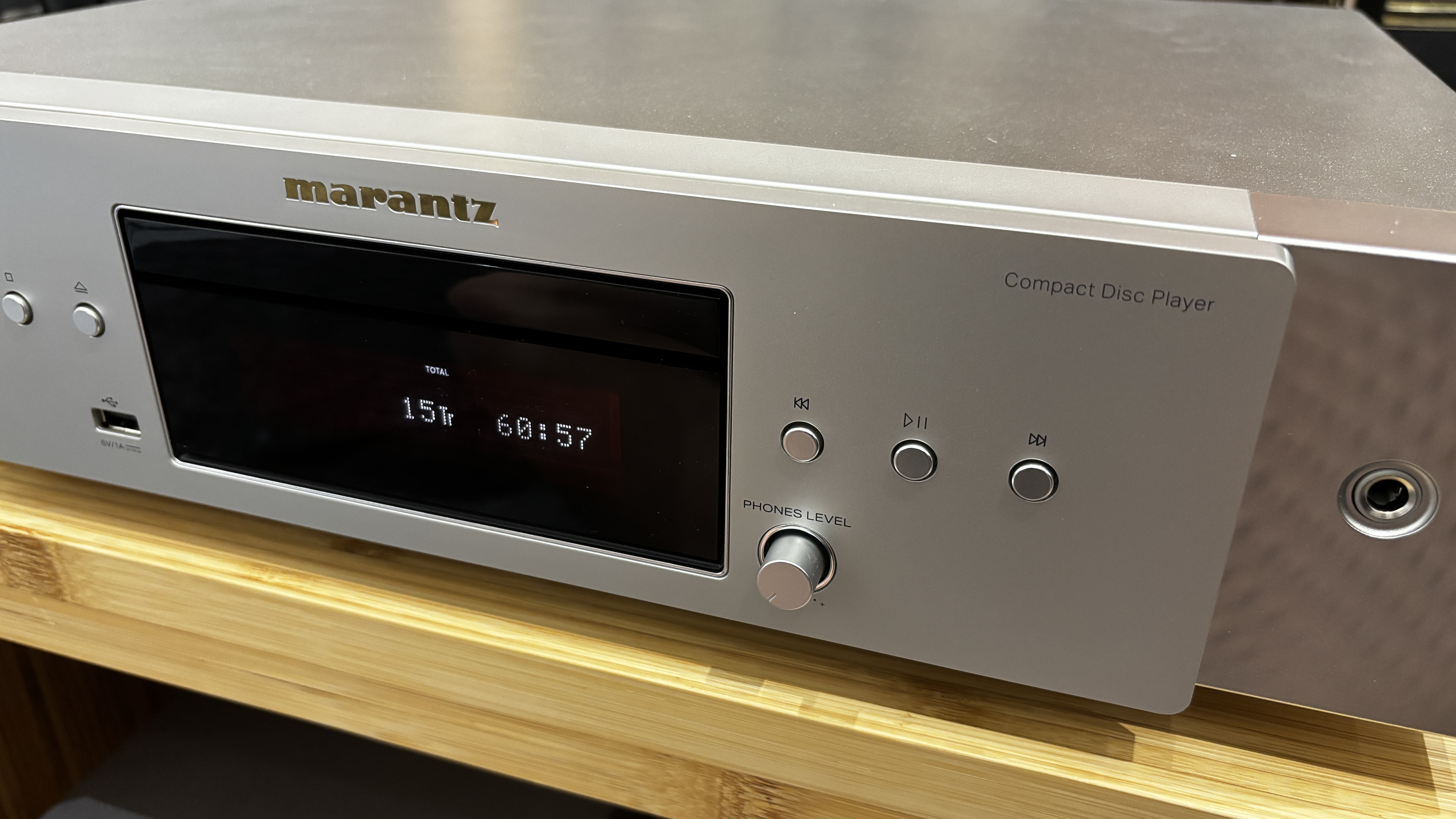
- Aesthetic Overhaul: The CD 70 adopts Marantz’s new "Modern Luxury" industrial design, characterized by a dual-layered, textured faceplate and symmetrical layout, contrasting with the more industrial, utilitarian look of the CD6007.
- Internal Component Upgrades: The CD 70 introduces a newer ESS Sabre ES9020Q DAC chip, replacing the older ES9010K2M found in the CD6007. Additionally, the CD 70 features an upgraded digital master clock designed to minimize timing errors (jitter) and a redesigned, low-noise power supply.
- Physical Footprint: The CD 70 is slightly larger and heavier than the outgoing model, measuring 10.9 x 44.2 x 35.1 cm (HWD) compared to the CD6007’s 10.5 x 44 x 34.1 cm.
- Retirement of a Classic: Marantz has confirmed that once existing retail stocks of the CD6007 are depleted, the model will be permanently discontinued, ending a highly successful four-year production run.
Chronology: The Evolution of Marantz’s Entry-Level Excellence
To understand the significance of the CD 70, one must look at the lineage of Marantz’s 6000-series CD players, which have dominated the budget audiophile sector for over a decade.
[2013: CD6005] ---> [2016: CD6006] ---> [2020: CD6007] ---> [Present: CD 70]- 2013–2016 (The CD6005 Era): Marantz established its dominance in the entry-level market with the CD6005. It combined a highly stable disc mechanism with high-quality digital-to-analogue conversion, proving that physical media still had a massive audience in the early days of the music streaming boom.
- 2016–2020 (The CD6006 and CD6006 UK Edition): Building on the CD6005, the CD6006 refined the headphone amplifier stage and introduced upgraded components. The specialized "UK Edition" further tuned the sound stage, offering improved detail resolution and timing, cementing Marantz as the go-to brand for budget stereo systems.
- August 2020 (The Launch of the CD6007): Arriving during a global pandemic when home audio experienced a massive resurgence, the CD6007 arrived with a shift from AKM to ESS Sabre DAC chips (partially driven by a disastrous fire at the AKM factory in Japan). The CD6007 became an instant classic, winning multiple industry awards for its class-leading dynamics, detail retrieval, and value for money.
- Late 2023–Early 2024 (The Modern Luxury Era): Marantz began phasing out its traditional visual identity across its entire product lineup. Beginning with premium products like the Model 30 and Model 40n, and trickle-down models like the Model 50, Marantz introduced a striking, sculpted front-panel design.
- Present Day (The Unveiling of the CD 70): Alongside the Model 70 integrated amplifier, Marantz introduced the CD 70. This release officially signals the end of the CD6007’s reign, aligning Marantz’s entry-level hi-fi stack with their contemporary premium aesthetic.
Supporting Data: Technical Architecture and Specifications
A side-by-side technical evaluation reveals that while the core functional capabilities of the two players remain similar, the engineering under the hood has been significantly updated to improve performance.
Specification Comparison
| Feature / Specification | Marantz CD6007 | Marantz CD 70 |
|---|---|---|
| Launch Date | August 2020 | Late 2023 / Early 2024 |
| Launch Price | £399 / €449 / $650 / AU$999 | £499 / €600 / $750 / AU$1000 (ex. VAT) |
| DAC Chipset | ESS Sabre ES9010K2M | ESS Sabre ES9020Q |
| Dimensions (H x W x D) | 10.5 x 44.0 x 34.1 cm | 10.9 x 44.2 x 35.1 cm |
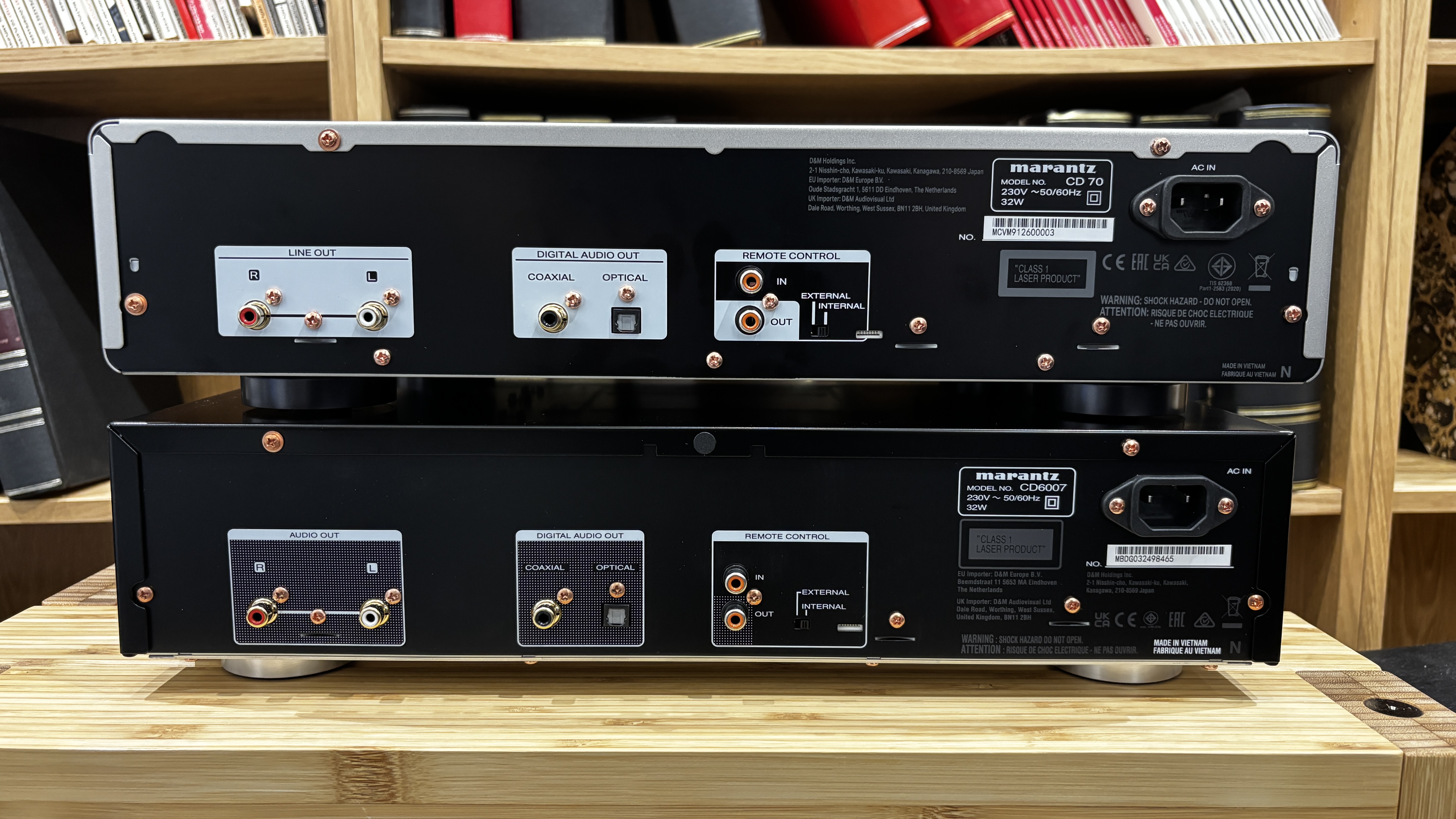
| Digital Inputs | USB Type-A (Front Panel) | USB Type-A (Front Panel) |
| Digital Outputs | 1x Optical, 1x Coaxial | 1x Optical, 1x Coaxial |
| Analogue Outputs | 1x Stereo RCA | 1x Stereo RCA |
| Headphone Output | 6.3mm with Volume Control | 6.3mm with Volume Control |
| Disc Compatibility | CD, CD-R, CD-RW (MP3, WMA) | CD, CD-R, CD-RW (MP3, WMA) |
| High-Res USB Formats | WAV, FLAC, ALAC, AIFF, DSD | WAV, FLAC, ALAC, AIFF, DSD |
| Digital Filters | Filter 1 / Filter 2 Selectable | Filter 1 / Filter 2 Selectable |
The DAC and Clock Upgrade
The most notable internal change is the transition from the ESS Sabre ES9010K2M to the ES9020Q digital-to-analogue converter. While both chips belong to the highly regarded ESS Sabre family, the ES9020Q features improved architecture designed to offer a wider dynamic range and lower total harmonic distortion (THD).
To complement this new DAC, Marantz integrated an upgraded digital master clock. In digital audio, timing is everything; even microscopic deviations in the clock signal—known as jitter—can lead to phase distortion and a loss of high-frequency clarity. The CD 70’s new clock mechanism ensures more precise timing, which theoretically translates to a more coherent soundstage and better instrument separation.
Power Supply and Noise Isolation
The CD 70 also benefits from an upgraded power supply. A CD player’s power supply must feed sensitive digital processing circuits and delicate analogue output stages simultaneously. If not properly isolated, noise from the digital clock and disc-spinning motor can bleed into the audio signal. Marantz claims that the CD 70’s power supply significantly reduces internal electromagnetic noise, providing a blacker background from which subtle musical details can emerge.
Furthermore, both players allow users to disable the digital outputs and the front-panel dot-matrix display when they are not in use. This "Pure Direct" style functionality eliminates potential high-frequency interference from the display driver circuits, ensuring the cleanest possible analogue signal path.
Official Responses and Corporate Strategy
The release of the CD 70 and the retirement of the CD6007 is a strategic move orchestrated under Marantz’s parent company, Masimo Consumer (formerly Sound United).
According to product developers at Marantz, the goal of the CD 70 was twofold: to harmonize the entry-level portfolio with the company’s new, upscale visual identity and to elevate the performance standards of their entry-level digital sources. Marantz design representatives have noted that the "Modern Luxury" design language—featuring a sculpted front panel flanked by dimpled, textured side panels—is intended to make their hi-fi components feel like premium furniture rather than cold, clinical electronics.
Furthermore, Marantz’s engineering team emphasized that the CD 70 was designed to pair with the new Model 70 integrated amplifier. This combination offers a visually and sonically unified system for audiophiles entering the mid-range market, ensuring that the amplifier and source share identical acoustic signatures and aesthetic cues.
Implications: The High-Fidelity Landscape and the CD Revival
The transition from the CD6007 to the CD 70 highlights several key trends currently shaping the consumer electronics and audiophile industries.
The Realities of Global Inflation and Premium Re-positioning
The first and most obvious implication of the CD 70’s release is the price increase. At £499 / €600 / $750, the CD 70 sits in a higher pricing tier than the CD6007 did at launch. This shift reflects broader macroeconomic pressures, including increased shipping costs, component shortages, and global inflation.
It also highlights a deliberate push by legacy audio brands to reposition themselves. Rather than competing in a race to the bottom against cheap, generic digital players, Marantz is leaning into its heritage as a premium luxury brand. While this move secures healthier margins for the manufacturer, it leaves a vacancy in the sub-£400 market, which may encourage budget-conscious consumers to seek out remaining stock of the CD6007 or look to alternative brands.
The Ongoing Resurgence of Physical Media
In an era dominated by high-resolution streaming services like Tidal, Qobuz, and Apple Music, the launch of a brand-new, dedicated CD player might seem counterintuitive to casual observers. However, physical digital media is experiencing a notable stabilization, often referred to as the "CD revival."
Much like the vinyl resurgence before it, music lovers are rediscovering the tactile joy of owning physical discs, complete with liner notes, cover art, and the deliberate act of listening to an album from start to finish without digital distractions. Additionally, many audiophiles maintain vast libraries of CDs amassed over decades that they refuse to abandon. By investing in upgraded models like the CD 70, manufacturers like Marantz are validating this market, ensuring that physical red-book CD playback remains a high-fidelity option for years to come.
The Verdict: Upgrade or Hold?
For current owners of the Marantz CD6007, the decision to upgrade to the CD 70 is not clear-cut. The CD6007 remains an exceptional machine, and its performance has not degraded simply because a newer model has arrived. Those who appreciate a more traditional, industrial hi-fi aesthetic may also prefer to keep the older unit.
However, for those looking to build a new system from scratch—especially if they plan on pairing it with Marantz’s new generation of amplifiers like the Model 50 or Model 70—the CD 70 represents a highly compelling option. With its upgraded ESS Sabre DAC, superior clocking, improved noise isolation, and modern aesthetics, the CD 70 is well-positioned to carry Marantz’s legacy of entry-level digital excellence deep into the current decade.