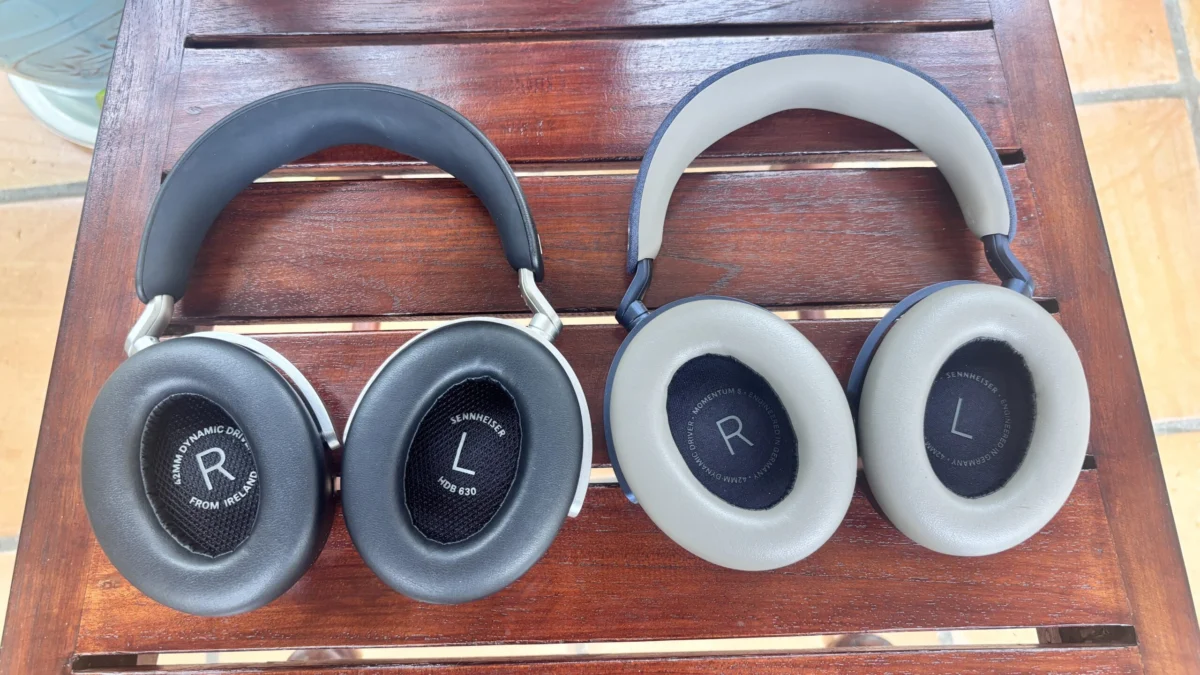
Sennheiser has long held a storied position in the high-fidelity audio landscape, but the brand’s consumer division has recently embarked on one of its most competitive periods to date. Following a series of highly successful hardware rollouts, the German audio specialist has found itself in an enviable, yet complex, position: it has two class-leading, five-star wireless over-ear headphones competing in almost the exact same premium market segment.
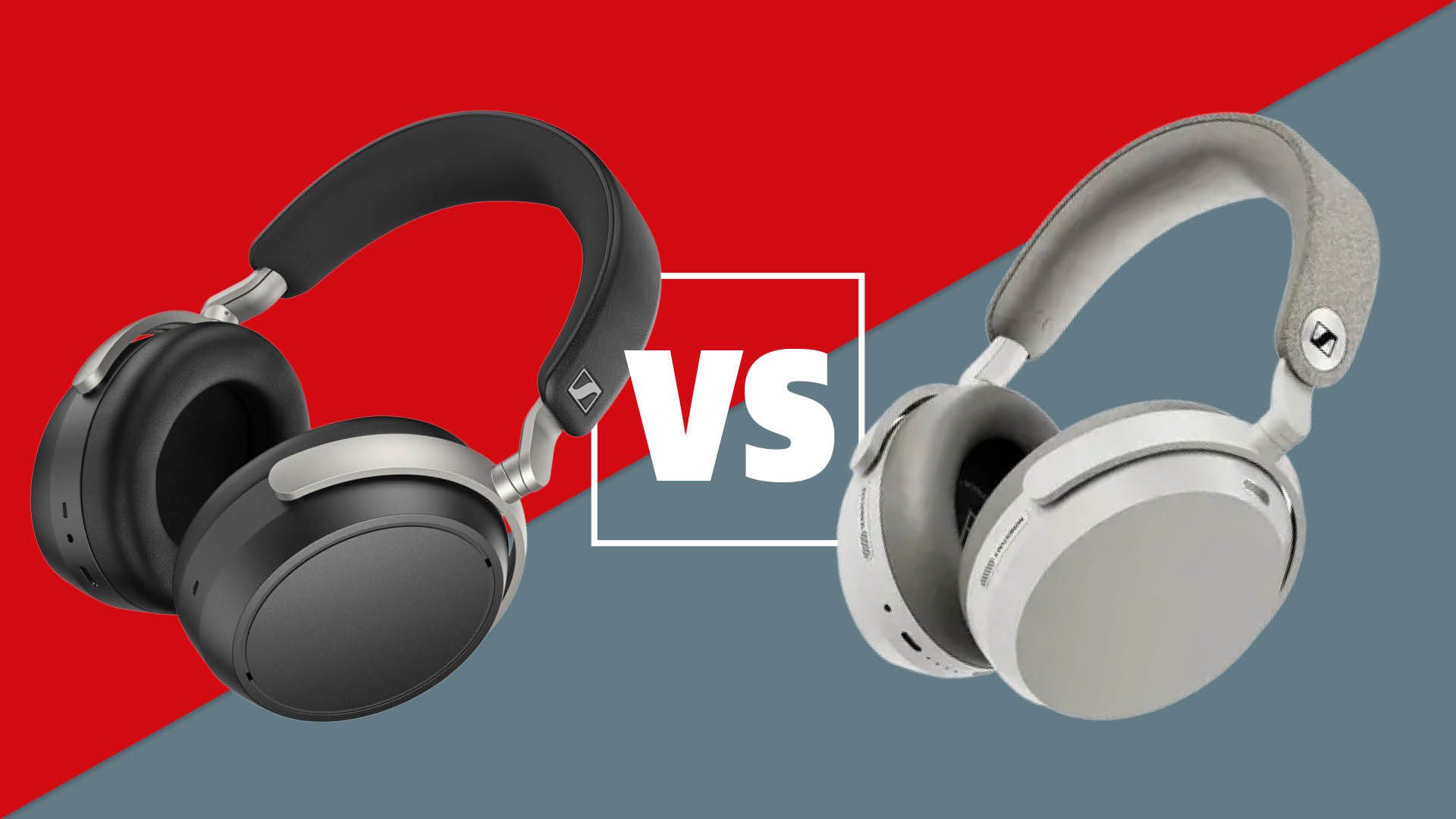
The Sennheiser HDB 630 and the Sennheiser Momentum 5 Wireless both represent the pinnacle of the brand’s portable acoustic engineering. However, they approach the premium listener’s needs from distinct angles. While one aims for absolute, uncompromised sonic purity through clever hardware integration, the other serves as a feature-rich, highly portable, and future-proof companion for the modern commuter.
This comprehensive analysis breaks down the main facts, design philosophies, technical performance data, and market implications of this internal sibling rivalry to help you determine which pair of premium headphones deserves your investment.
1. Main Facts: The Contenders at a Glance
To understand how these two premium models position themselves in the wider market, we must first examine their core specifications, pricing structures, and primary hardware profiles.
+---------------------------+----------------------------------------------+----------------------------------------------+
| Feature                   | Sennheiser Momentum 5 Wireless               | Sennheiser HDB 630                           |
+---------------------------+----------------------------------------------+----------------------------------------------+
| Price                     | £330 / $400 / AU$749                         | £400 / $500 / AU$1000                        |
| Bluetooth Version         | 5.4 (Upgradeable to 6.0 via firmware)        | 5.2                                          |
| Audio Codecs Supported    | SBC, AAC, aptX, aptX HD, Lossless, Adaptive  | SBC, AAC, aptX Adaptive (via BTD 700 dongle) |
| Battery Life (ANC On)     | 57 Hours                                     | 60 Hours                                     |
| Weight                    | 290g                                         | 311g                                         |
| Finishes                  | Black, White, Denim                          | Black                                        |
| Spatial Audio             | Dolby Atmos (with head tracking coming)      | No (Features "Crossfeed" instead)            |
| Key Accessory             | USB-C Charging & Audio Cable                 | BTD 700 USB-C Bluetooth Dongle               |
+---------------------------+----------------------------------------------+----------------------------------------------+
Sennheiser Momentum 5 Wireless: The Lifestyle Flagship
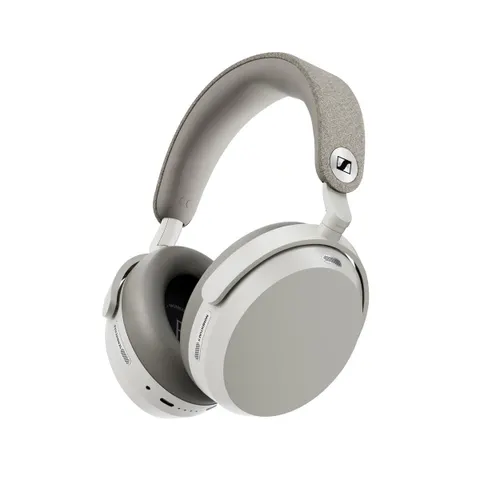
The Momentum 5 Wireless is designed for the modern, multi-device user. Priced at £330 / $400, it undercuts several established flagship rivals from Sony and Bose while offering a cutting-edge Bluetooth 5.4 architecture, extensive codec support (including aptX Lossless), and a sophisticated, lightweight aesthetic.
Sennheiser HDB 630: The Audiophile’s Wireless Solution
Priced higher at £400 / $500, the HDB 630 is geared toward purists who refuse to compromise on sound quality when cutting the cord. It leans on a dedicated BTD 700 USB-C transmitter dongle to bypass the standard, lossy Bluetooth pipelines of host devices, delivering a highly analytical, incredibly spacious, and dynamic acoustic presentation.
2. Chronology: The Evolution of Sennheiser’s Premium Lineup
The release timeline of these two headphones highlights a deliberate, phased market strategy by Sennheiser and its parent company, Sonova.
   Late 2025                       Early 2026                      Late 2026 (Planned)
      |                               |                               |
      v                               v                               v
+---------------------------+   +---------------------------+   +---------------------------+
| Launch of HDB 630         |   | Launch of Momentum 5      |   | Firmware Update           |
| Establishes a new level   |   | Introduces Dolby Atmos,   |   | Momentum 5 receives       |
| of wireless resolution    |   | Bluetooth 5.4, and a      |   | Bluetooth 6.0 and         |
| with bundled BTD 700.     |   | lighter, modern design.   |   | LE Audio capabilities.    |
+---------------------------+ +---------------------------+ +---------------------------+- Late 2025: The Debut of the HDB 630
Sennheiser introduced the HDB 630 to critical acclaim. It was designed to bridge the gap between closed-back audiophile monitoring headphones and wireless convenience. By bundling the BTD 700 USB-C dongle directly in the box, Sennheiser solved a persistent industry issue: how to deliver high-resolution aptX Adaptive streaming to devices—such as Apple’s iPhone—that do not natively support Qualcomm’s high-end codecs. - Early 2026: The Arrival of the Momentum 5 Wireless
A few months later, the fifth generation of the celebrated Momentum over-ear line made its debut. Understanding that the HDB 630 catered to a niche audiophile crowd, Sennheiser designed the Momentum 5 to be more agile, visually striking, and universally compatible. It launched with native Bluetooth 5.4, integrated spatial audio capabilities, and a lower retail price to directly challenge consumer giants like Sony and Bose. - Late 2026 and Beyond: Future-Proofing the Platform
Sennheiser has committed to a roadmap of continuous improvement. The Momentum 5 Wireless is scheduled for a major firmware update in late 2026 that will elevate its wireless protocol to Bluetooth 6.0, introducing LE Audio and advanced head-tracking capabilities for spatial audio formats.
3. Supporting Data: Head-to-Head Performance Breakdown
To determine which headphone excels in real-world use, we evaluated both models across five critical performance metrics.
Design, Comfort, and Build Quality
Sennheiser’s distinct design language is evident in both models, featuring large, oval earcups designed to fully seal around the ear. However, their physical profiles and material choices diverge significantly:
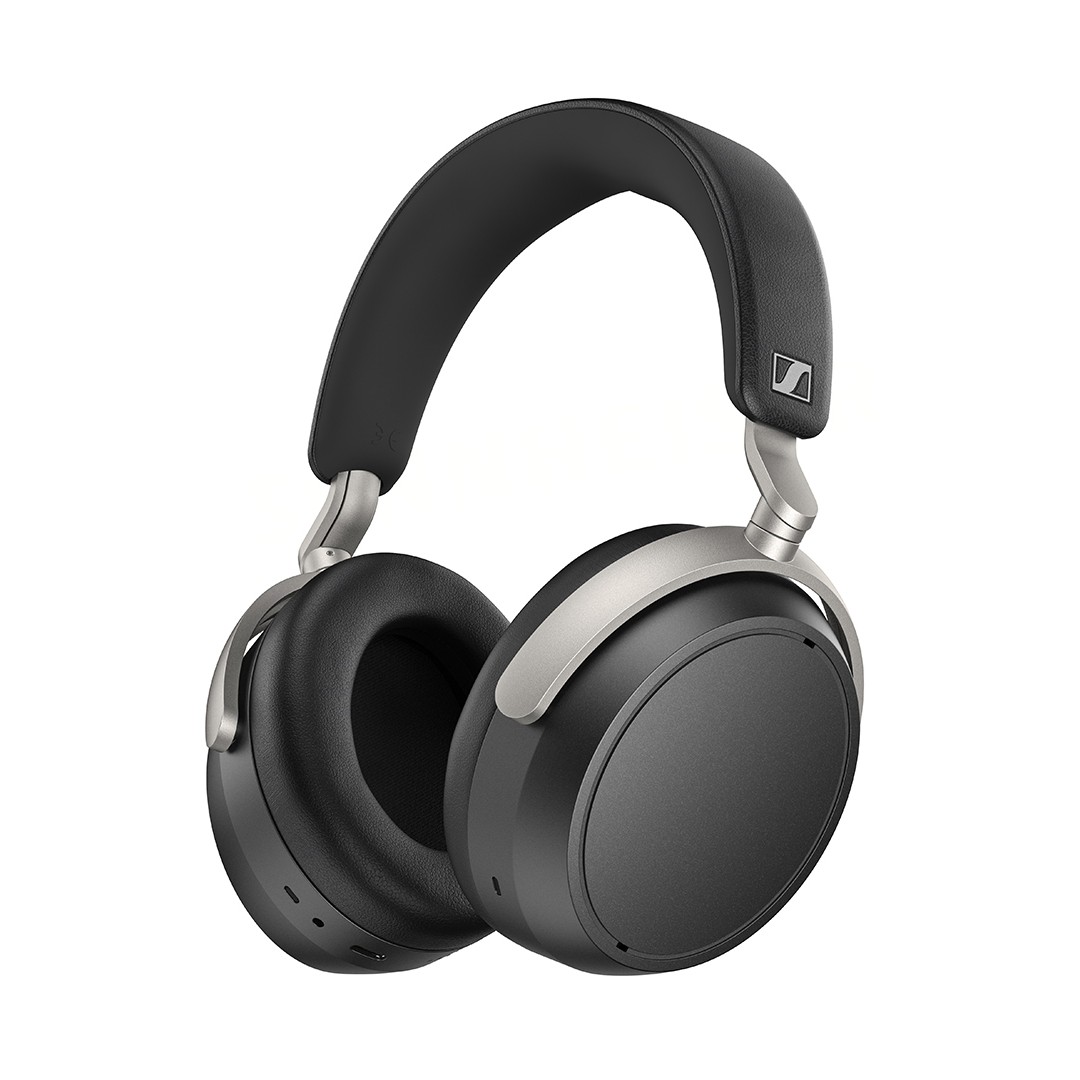
- Aesthetics: The Momentum 5 Wireless features an attractive fabric-wrapped headband and a streamlined silhouette, making it look and feel like a modern luxury product. The HDB 630, by contrast, adopts a more industrial, understated look, finished exclusively in matte black.
- Weight and Portability: Weighing 290g, the Momentum 5 is noticeably lighter and less bulky than the 311g HDB 630. The extra weight of the HDB 630 is concentrated in its thicker, deeper earcups.
- Comfort: While the Momentum 5 is highly stable during brisk walks due to its well-judged clamping force, it can cause mild on-ear heat build-up after an hour of continuous use. The HDB 630 counters its extra weight with thicker, plusher ear cushions and a generously padded headband, providing an incredibly comfortable, well-isolated seal for long listening sessions.
Feature Sets and Connectivity
The feature comparison highlights the differing philosophies of these two headphones:
- Bluetooth and Codecs: The Momentum 5 is a connectivity powerhouse, utilizing Bluetooth 5.4 to support SBC, AAC, aptX, aptX HD, aptX Adaptive, and aptX Lossless. The HDB 630 uses Bluetooth 5.2 but bypasses source-level codec limitations by using its included BTD 700 USB-C dongle. When plugged into an iPhone or laptop, the dongle forces a high-resolution 24-bit/96kHz aptX Adaptive signal path, bypassing the host device’s internal audio processing.
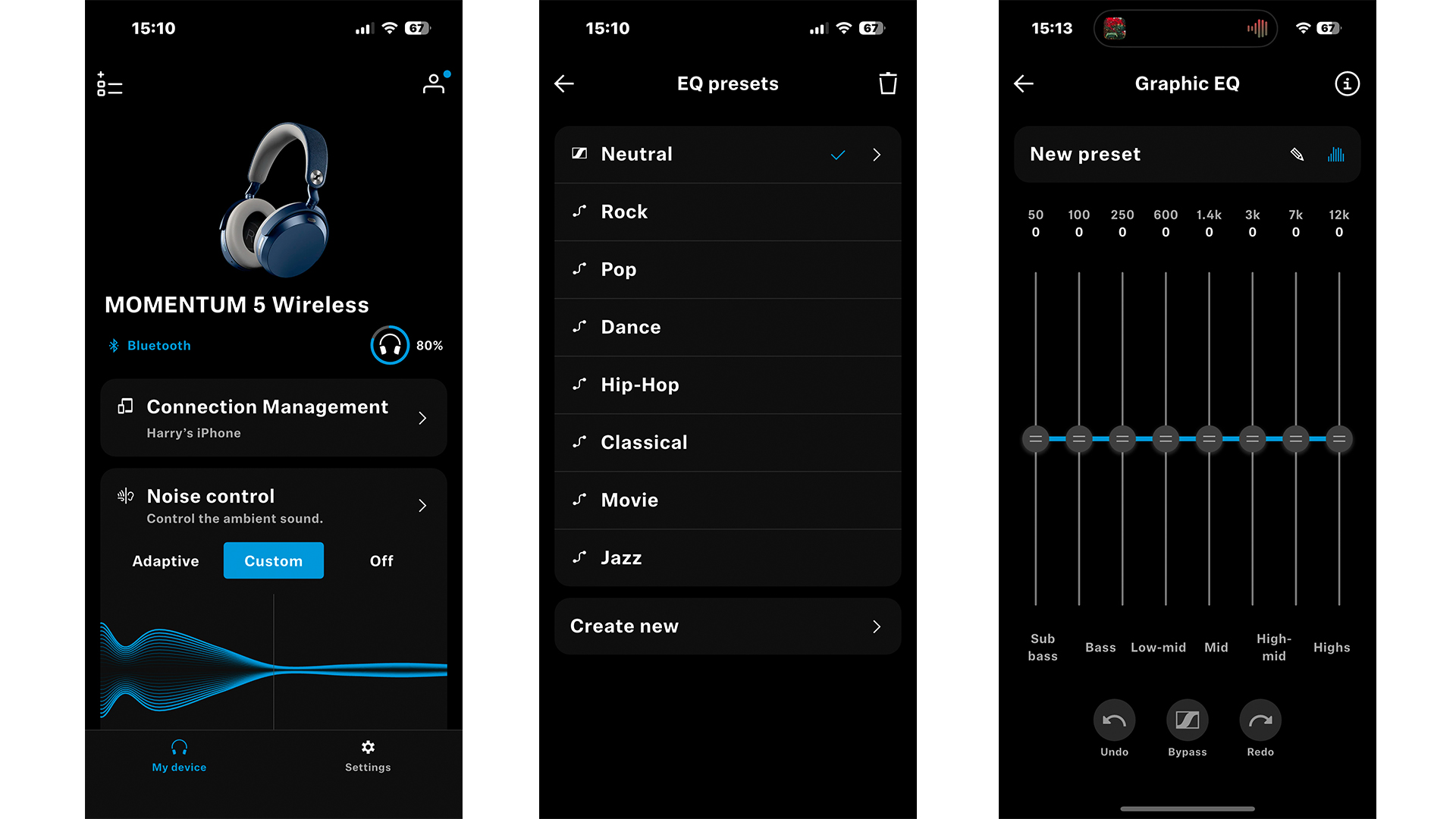
- Spatial Audio vs. Stereo Customization: The Momentum 5 supports Dolby Atmos natively, allowing users to toggle spatial rendering on or off via the Smart Control app. The HDB 630 does not support Atmos; instead, it features a proprietary "Crossfeed" circuit designed to blend the left and right channels slightly, mimicking the natural stereo imaging of room speakers.
Active Noise Cancellation (ANC) and Call Quality
Neither headphone quite matches the absolute silence offered by class leaders like the Bose QuietComfort Ultra or Sony WH-1000XM6, but both deliver excellent real-world isolation:
- Noise Isolation: Both models easily suppress low-frequency hums, such as air conditioning units and distant engine drone. The HDB 630 has a slight advantage in passive isolation due to its bulkier earcups and thicker padding, which help block out high-frequency noises like traffic or chatter.
- Call Quality: Both headphones perform exceptionally well. In high-wind and noisy environments, the beamforming microphones on both models effectively isolate human speech, keeping voice calls clear, natural, and free from digital artifacting.
ANC & Isolation Performance Comparison (Lower is Better - Ambient Noise dB)
Uncompensated Ambient: 80 dB

Momentum 5 Wireless:  |||||||||||||||||||||| 32 dB (Remaining)
HDB 630:              |||||||||||||||||||| 30 dB (Remaining)
Bose QC Ultra:        |||||||||||||| 24 dB (Remaining)
Sound Quality and Acoustic Performance
This is where the two models diverge most sharply, revealing their unique acoustic tunings:
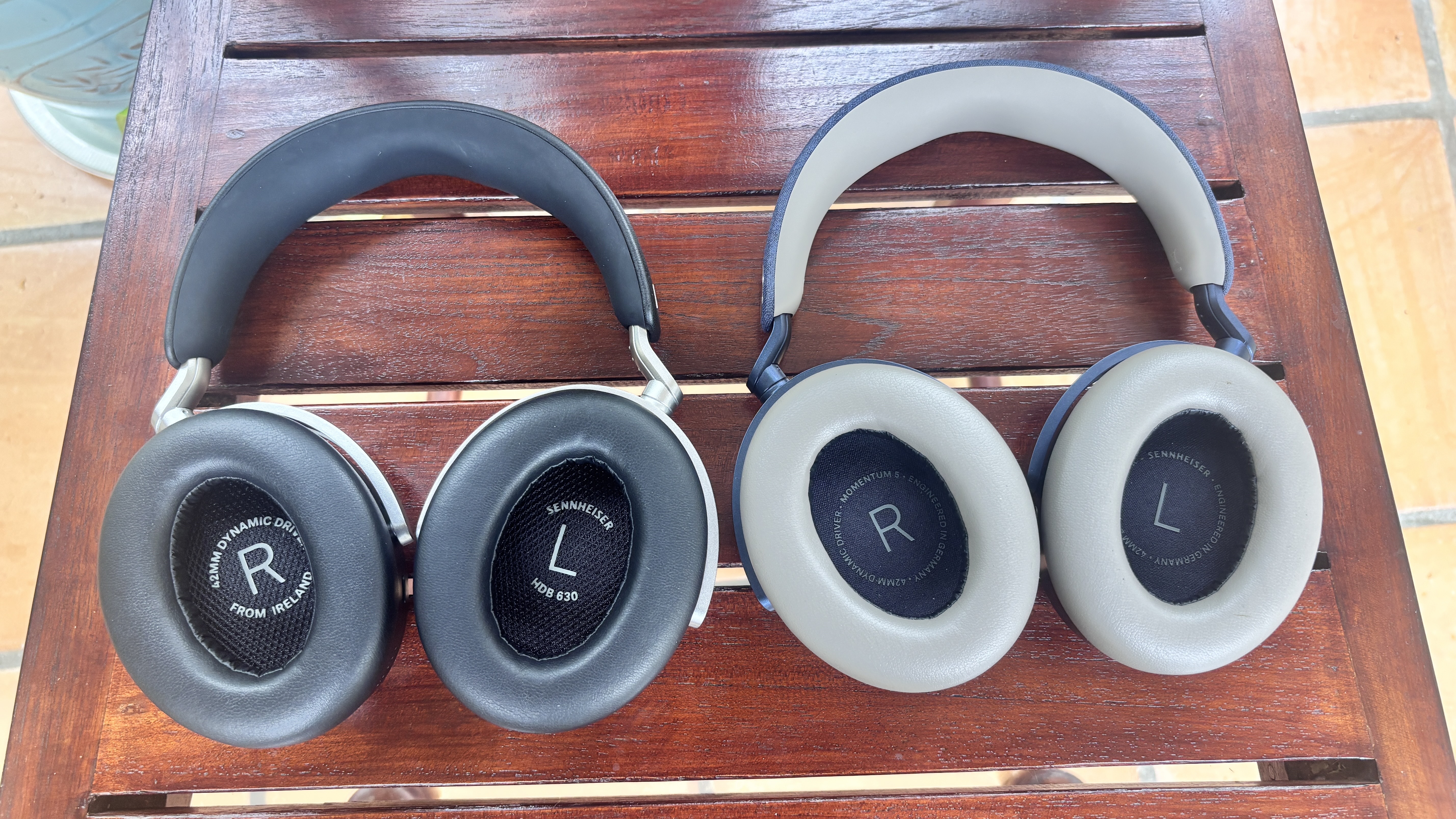
- The Momentum 5 Sound Signature: These headphones deliver a rich, smooth, and highly polished sound. Midrange vocals are a particular highlight—sweet, intimate, and highly detailed. The low end is robust and warm, yet remains controlled. When playing challenging tracks like Sugar’s "If I Can’t Change Your Mind," the Momentum 5 tames harsh high frequencies, presenting a mature and non-fatiguing listen. Connecting them via USB-C for a direct digital connection further enhances instrument separation and detail retrieval.
- The HDB 630 Sound Signature: The HDB 630 operates at a higher tier of resolution. It is a highly analytical, dynamic, and revealing headphone. Instead of smoothing over rough recordings, it reproduces them with absolute accuracy and energy. Instrumental textures have incredible depth, and the soundstage is remarkably wide for a closed-back design. When the BTD 700 dongle is active, the jump in clarity, transient response, and low-end definition makes the HDB 630 one of the best-sounding wireless headphones on the market.
4. Official Responses and Brand Philosophy
Sennheiser’s product design decisions reflect its core development philosophy: "Sound comes first." Following the acquisition of Sennheiser’s Consumer Division by Swiss medical audio specialist Sonova, industry observers wondered if the brand would pivot toward mainstream lifestyle features at the expense of sound quality.
The development of the HDB 630 and Momentum 5 proves that Sennheiser remains committed to its engineering heritage.
Sennheiser product managers have noted that the BTD 700 dongle bundle was a direct response to consumer frustration over mobile operating systems limiting Bluetooth audio quality. Rather than waiting for phone manufacturers to adopt high-resolution codecs, Sennheiser engineered a hardware workaround to guarantee premium sound.
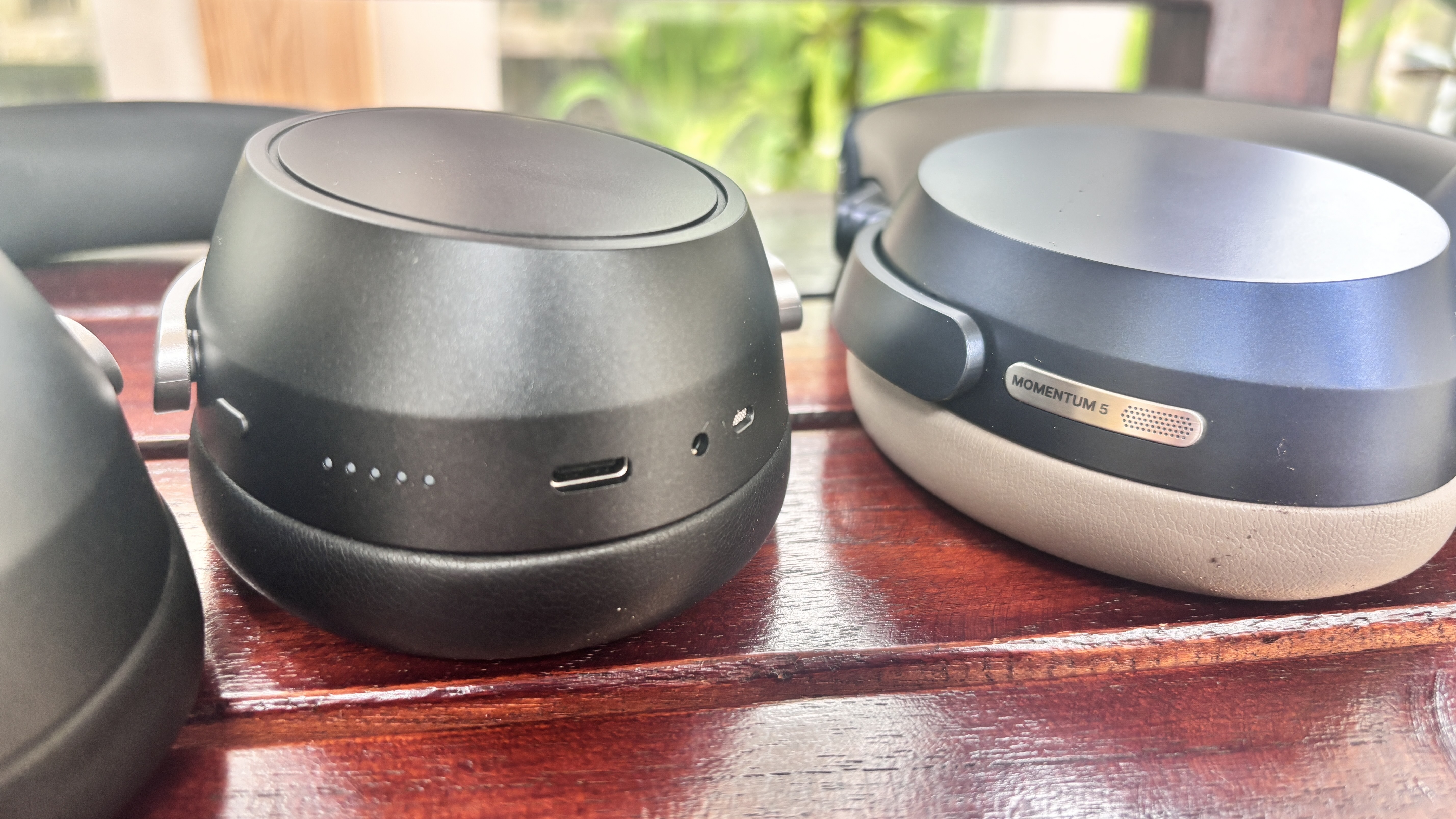
Conversely, the Momentum 5 Wireless shows that Sennheiser is listening to mainstream consumers who demand future-proof tech, Dolby Atmos, long battery life, and lightweight designs. By offering scheduled updates for Bluetooth 6.0 and head tracking, the brand ensures that the Momentum 5 remains competitive for years to come.
5. Implications: The Future of High-End Wireless Audio
The rivalry between the Momentum 5 Wireless and the HDB 630 highlights several key trends in the premium personal audio market.
       CONSUMER SEGMENTATION

       [ The Premium Audio Market ]
                   |
         +---------+---------+
         |                   |
         v                   v
   [ LIFESTYLE ]       [ AUDIOPHILE ]
   - Momentum 5        - HDB 630
   - Atmos Spatial     - High-Res Dongle
   - Bluetooth 6.0     - Max Resolution
   - Lightweight       - Plush Isolation
The Blur Between Wireless and Wired Performance
Historically, audiophiles dismissed wireless headphones due to the compression inherent in Bluetooth transmission. By integrating advanced codecs like aptX Lossless and bundling dedicated USB-C transmitters, Sennheiser is helping close the performance gap between wired and wireless audio, proving that wireless headphones can satisfy critical listeners.
Coexistence Over Competition
Rather than cannibalizing sales, these two models complement each other by targeting different audiences:
- Choose the Sennheiser Momentum 5 Wireless if: You want a sleek, modern, and lightweight headphone for daily commuting and travel. Its 57-hour battery life, Dolby Atmos support, future-proof Bluetooth 6.0 roadmap, and lower price point make it the smarter choice for most consumers.
- Choose the Sennheiser HDB 630 if: Sound quality is your absolute priority. If you want a reference-grade listening experience at home, in the office, or on the go, and don’t mind a slightly bulkier design or using a USB-C dongle, the HDB 630 delivers unmatched wireless audio performance.
By offering two distinct, high-performance paths to premium wireless sound, Sennheiser has solidified its position at the forefront of modern personal audio.