In the rapidly evolving landscape of portable high-fidelity audio, the "dongle DAC" segment has become one of the most fiercely contested battlegrounds. Manufacturers are constantly seeking to differentiate their offerings, moving beyond simple digital-to-analog conversion to incorporate complex features like modularity, wireless connectivity, and, in the case of the new xDuoo Link3, integrated storage expansion. Priced at $219, the Link3 positions itself as a premium contender, promising not just high-resolution audio, but a complete utility solution for the modern audiophile on the move.
Main Facts: The Anatomy of the Link3
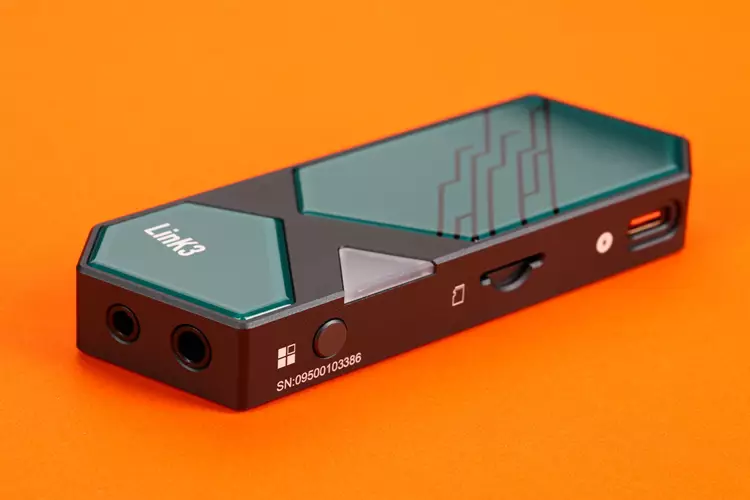
The xDuoo Link3 is a balanced, high-performance portable DAC/amplifier that immediately distinguishes itself from the sea of standard dongles through a unique feature set. At its core, it employs a dual-DAC architecture, utilizing two ESS SABRE ES9039Q2M chips. These mobile-optimized versions of the flagship ES9039PRO offer high dynamic range and low distortion, typically reserved for desktop-grade equipment.
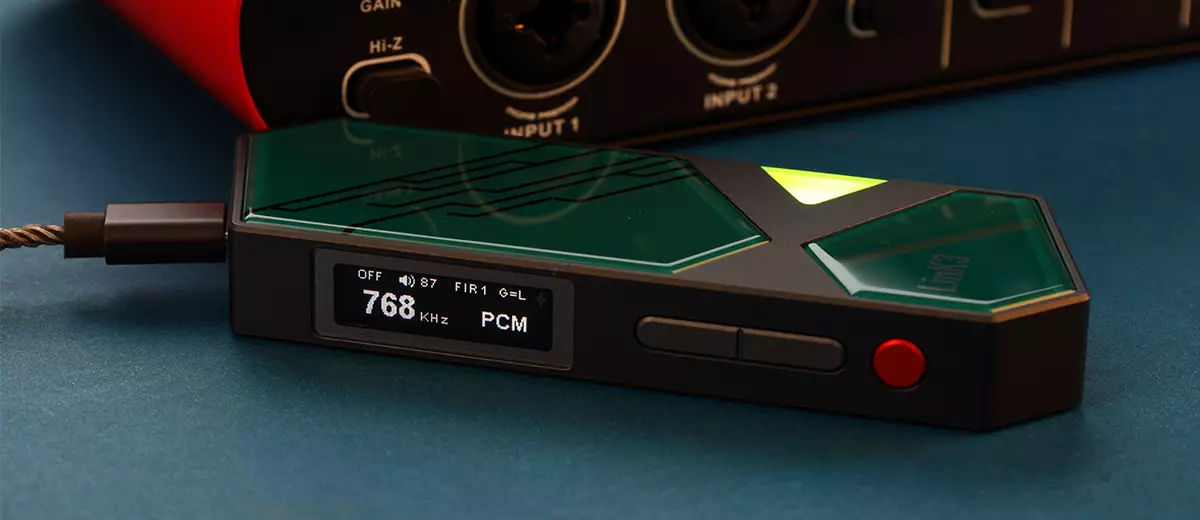
To handle the digital processing, xDuoo has integrated the XMOS XU316 16-core USB processor, a staple for low-latency, high-resolution audio streaming. This chipset supports PCM up to 768kHz and DSD512, ensuring future-proof compatibility with nearly every high-resolution format available.
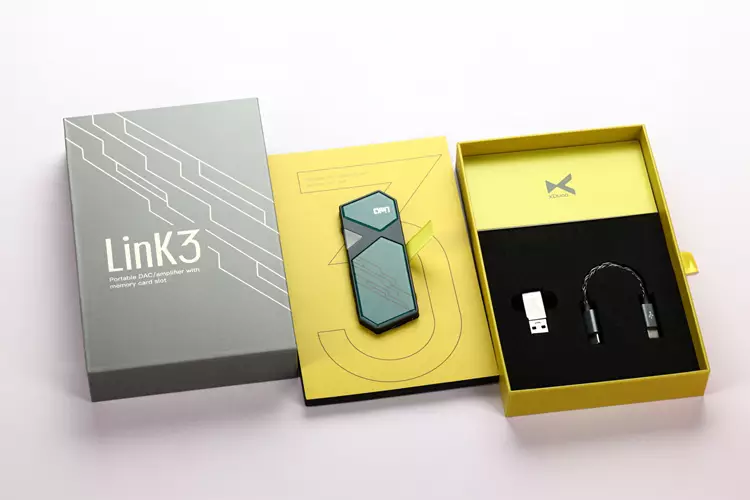
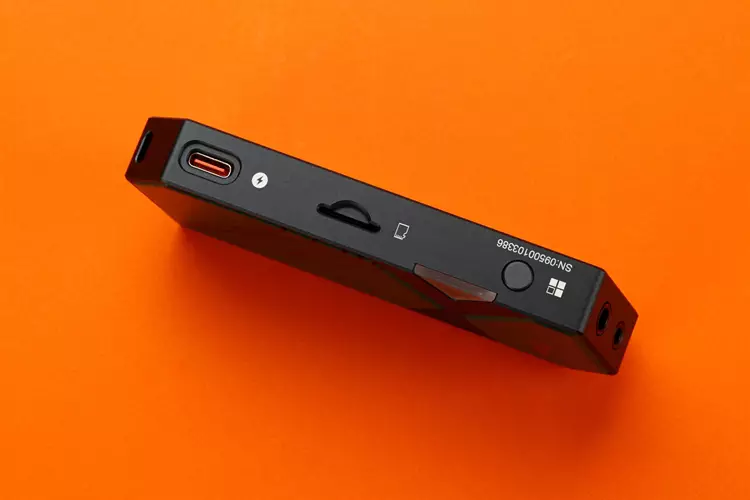
However, the headline feature is undoubtedly the integrated microSD card slot. This transforms the device from a mere audio peripheral into a standalone portable player/hub, allowing users to expand their source device’s storage by up to 2TB. Coupled with a maximum balanced power output of 1000mW—provided an external USB-C power source is connected—the Link3 is designed to drive even the most demanding planar magnetic headphones and sensitive IEMs with authority.
Chronology of Innovation: From Link10 to Link3
xDuoo’s journey in the portable space has been marked by a steady progression of power and versatility. Following the successful reception of the XP-2 Bal and the Link10, the company identified a gap in the market: users often struggle with the storage limitations of modern smartphones when carrying high-resolution FLAC or DSD libraries.
The development of the Link3 was a calculated response to this pain point. By integrating a microSD card slot and USB Hub functionality, xDuoo aimed to solve two problems at once: the need for high-quality amplification and the physical limitation of mobile storage. The product’s launch in mid-2026 was preceded by a rigorous period of internal testing to ensure that the increased thermal output—a result of the higher power delivery—would not compromise the delicate analog circuitry.
Supporting Data: Technical Performance and Design
Engineering and Build Quality
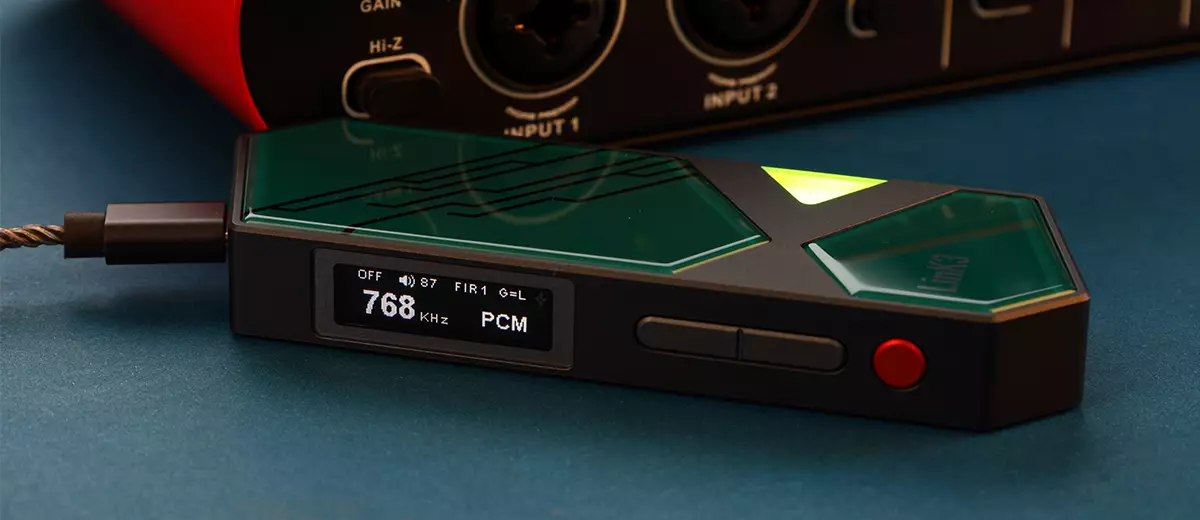
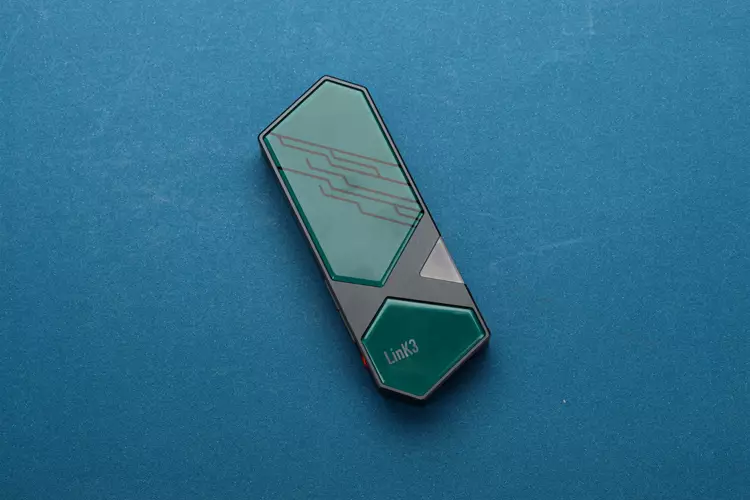
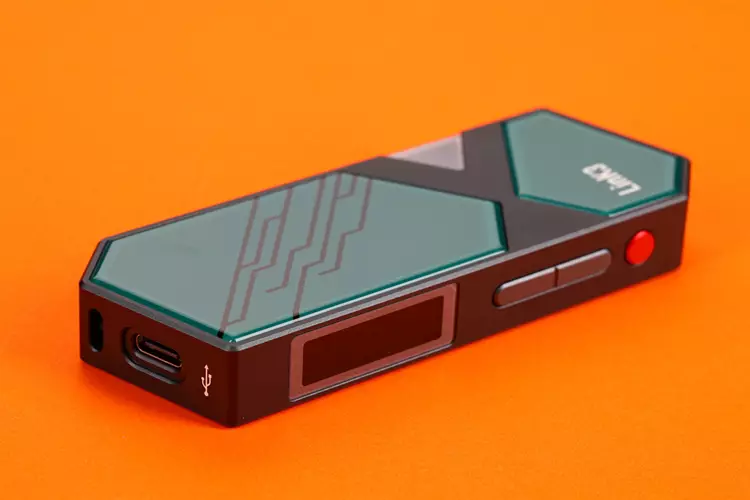
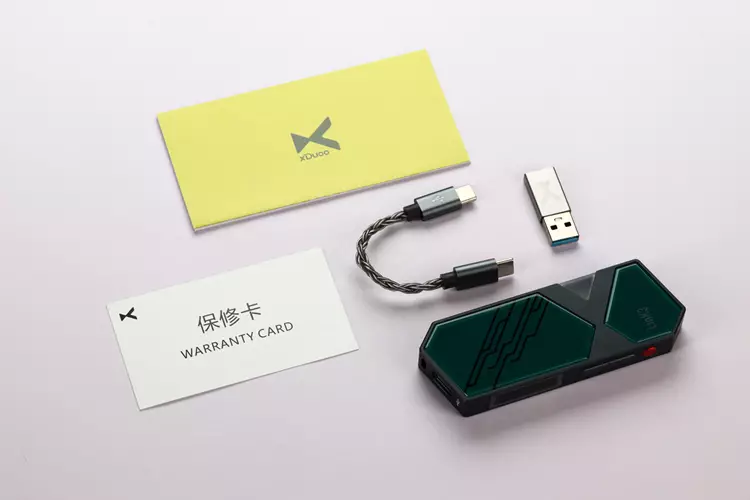
The Link3 features a CNC-machined aluminum alloy chassis, finished in a utilitarian, military-inspired dark grey. The inclusion of tempered glass on the front and rear adds a touch of modern sophistication, while the overall weight (70 grams) and dimensions (10.7 x 3.8 x 1.5 cm) suggest a device designed for durability rather than extreme pocketability.
The Display and Interface
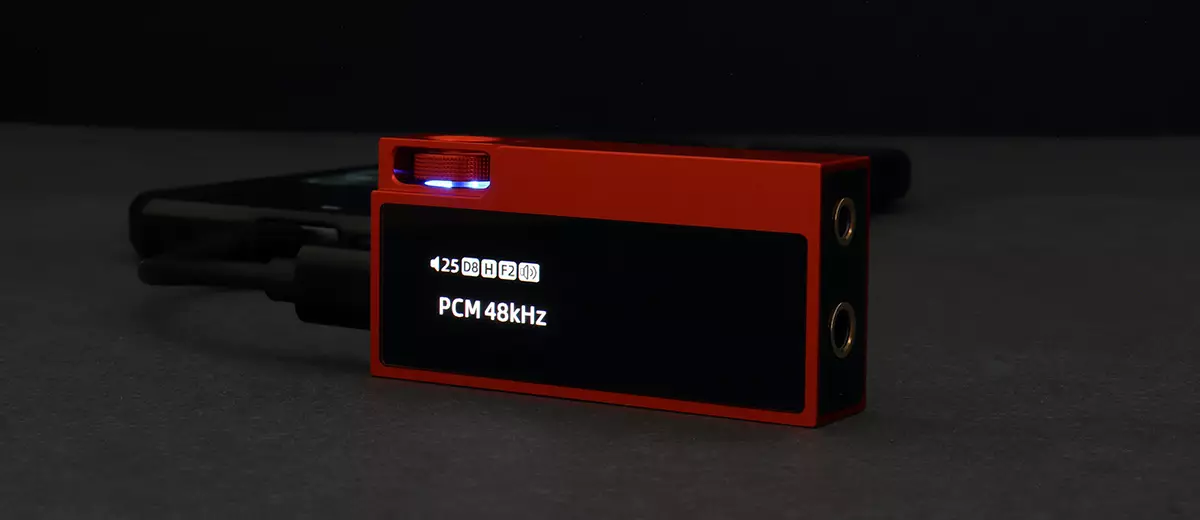
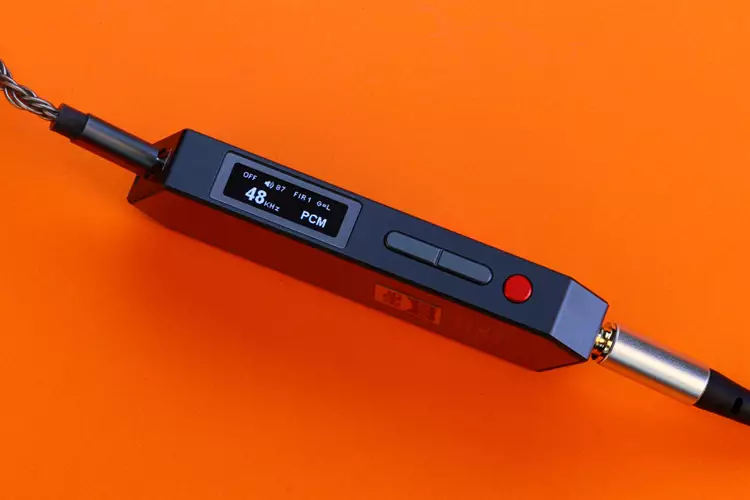
A standout element is the 22mm x 6mm TFT color display. While some might mistake it for an OLED due to its vivid contrast and deep blacks, the TFT panel provides excellent legibility under various lighting conditions. Users can customize the display with seven color schemes and five brightness levels. Navigation is handled via a four-button control array that feels tactile and robust, avoiding the "rattling" often found in cheaper plastic-bodied competitors.
Power and Thermal Dynamics
One of the most critical aspects of the Link3 is its power management. In standard mode, it outputs 700mW, which is more than sufficient for most IEMs. When paired with an external USB-C power source, the output surges to 1000mW. During testing, this power capability was evident, particularly when driving the Sennheiser HD 6XX, which saw a significant improvement in bass texture and soundstage depth compared to lower-powered dongles.
However, this power comes at a cost. The device runs noticeably warm during extended listening sessions, especially when the microSD hub functionality is active. Users should be aware that the device effectively draws significant current to maintain its high-fidelity output.
Audio Performance: A Critical Listening Perspective
The sonic signature of the xDuoo Link3 can be described as "muscular" and "analog." It leans into a slightly U-shaped frequency response, emphasizing a punchy, deep bass response and an energetic upper treble.
Bass and Midrange
The bass is arguably the star of the show. It is authoritative and controlled, providing a solid foundation for tracks that require deep sub-bass extension. Unlike many analytical dongles that can sound sterile, the Link3 offers a thick, rich tonality in the lower midrange. Female vocals, while slightly laid-back due to the warm tuning, retain an intimate presence that is highly pleasant for long-term listening.
Staging and Transparency
While the Link3 isn’t the most transparent device on the market—it opts for a "musical" color over clinical neutrality—it provides an above-average soundstage. The layering is commendable; lateral panning is distinct, and the depth of the stage allows for a surprisingly immersive experience. It avoids the "in-your-head" claustrophobia that plagues many entry-level DACs.
Official Responses and User Observations
Feedback from the audiophile community has highlighted both the brilliance of the feature set and some practical limitations.
- Charging Inconsistencies: Some users have reported erratic charging behavior when using third-party USB-C cables. Official testing suggests that while the device is compatible with PD 3.0 protocols, it is highly sensitive to cable impedance. Using the provided stock cable or high-quality alternatives—such as those from Cayin—resolves most connectivity issues.
- Transfer Speeds: While the microSD slot acts as a convenient hub, data transfer speeds peak at approximately 33 MB/s. While adequate for transferring high-res albums, it is not intended for high-speed bulk backups of entire drive collections.
- Thermal Management: xDuoo has acknowledged that the device’s warm operation is a byproduct of its high-output amplification stage and the integrated processing hub.
Implications for the Portable Audio Market
The xDuoo Link3 represents a shift toward "desktop-in-a-pocket" functionality. By offering a 1000mW output and 2TB storage expansion, it bridges the gap between a portable dongle and a dedicated Digital Audio Player (DAP).
For the casual listener, the Link3 might be overkill; its size and thermal output make it less "plug-and-play" than smaller, battery-less alternatives. However, for the enthusiast who owns difficult-to-drive headphones and values a library-centric, offline music experience, the Link3 is a compelling proposition.
It challenges competitors like the iBasso DC-Elite and the Cayin RU3 by offering a feature-rich, high-power alternative at a $219 price point. As the industry continues to push the boundaries of what a dongle can do, the Link3 serves as a benchmark for how far mobile amplification can go before hitting the physical limits of current battery and heat-dissipation technologies.
Ultimately, the xDuoo Link3 is a triumph of utility over minimalism. It is a device for those who prioritize sound quality and convenience above all else, proving that even in a world of cloud streaming, there is still a significant place for dedicated hardware that can carry, power, and translate music with professional-grade intent.
Disclaimer: This review is based on a sample provided by Shenzhen Audio and xDuoo. Headfonics remains an independent publication with no affiliate links or status. The unit was evaluated against our standard scoring guidelines, focusing on build quality, feature utility, and subjective sound performance.