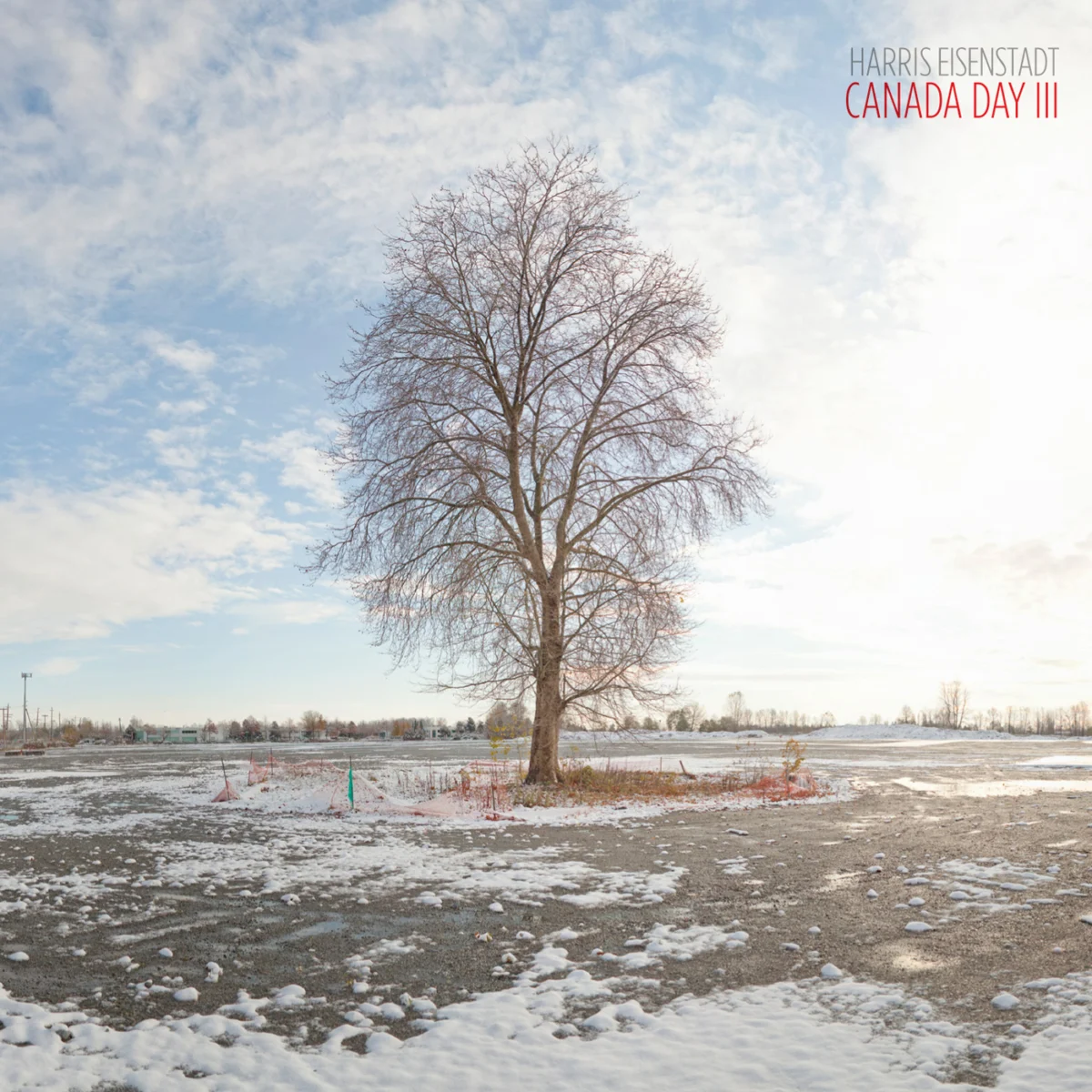
In the specialized world of high-fidelity audio, the term "mastering" is often treated as the final, golden polish applied to a musical performance. However, for a select group of audiophiles and purists, the process is increasingly viewed with skepticism—a necessary evil that trades artistic integrity for commercial standardization. NativeDSD, a leader in high-resolution audio distribution, has taken a bold step toward total transparency by releasing the "Unmastered Editions" of Harris Eisenstadt’s celebrated Canada Day series. By bypassing the traditional industry-standard compression and peak limiting, these releases offer a rare, unfiltered window into the studio sessions of one of modern jazz’s most innovative ensembles.
The Case for "Unmastered": Why the Industry Standard Misses the Mark
To understand the significance of these releases, one must first distinguish between the art of mixing and the science of mastering. In the context of a multichannel acoustic jazz recording, the mixing engineer’s goal is to craft a sonic landscape that mirrors the physical placement of the musicians. It is an act of preservation—capturing the breath, the room acoustics, and the delicate interplay between instruments.
Mastering, conversely, is often dictated by the limitations of the medium. For decades, albums intended for mass-market consumption—whether via CD or digital streaming platforms—have been subjected to "loudness wars." Mastering engineers frequently apply peak limiting and heavy gain boosts to ensure a track cuts through the noise of a crowded playlist. While this may increase perceived energy, it comes at a steep price: the "squeezing" of dynamic range, the flattening of soundstage depth, and the loss of subtle timbres.
NativeDSD’s mastering engineer, Tom Caulfield, first identified this issue while reviewing the Canada Day III album. He discovered that the commercially released version had been mastered at high gain with peak limiting hitting near 0dB, rendering the file technically unsuitable for the high-rate DSD (Direct Stream Digital) conversion process. This discovery sparked a collaborative effort between NativeDSD and Songlines label owner Tony Reif to recover the original, unmastered final mixes. The result was a revelation: the unmastered tracks possessed a depth, separation, and emotional impact that the "polished" versions had unintentionally obscured.
A Chronology of Artistic Evolution: The Canada Day Series
The Canada Day project, led by drummer and composer Harris Eisenstadt, represents a pivotal moment in contemporary jazz. Drawing on his MFA in African American music and a deep background in percussion, Eisenstadt constructed a quintet that eschews the traditional piano, opting instead for a lineup of trumpet, tenor sax, vibraphone, bass, and drums. This configuration evokes the post-bop era of the 1960s while pushing into distinctly modernist, often free-improvisational territory.
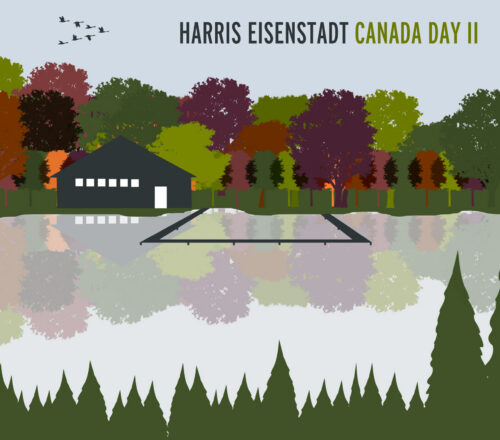
Canada Day II: Finding the Collective Voice
Released during a period where Eisenstadt was crystallizing his compositional vision, Canada Day II serves as the foundation for the series. In a 2011 interview with Tony Reif, Eisenstadt noted, "No matter how detailed my scores are, the strength and vibrancy of the music comes from the band finding its collective voice through rehearsals and performances."
The unmastered edition of Canada Day II highlights this group cohesion. Tracks like "To Seventeen" showcase the interplay between Nate Wooley’s trumpet and Matt Bauder’s tenor sax, revealing how Wooley—often known for avant-garde experimentation—inflects his tone with traditional warmth. The rhythmic agility of Eivind Opsvik’s bass and Chris Dingman’s vibraphone creates a buoyant, accessible landscape that feels remarkably immediate in its unmastered state.
Canada Day III: The Pinnacle of Interaction
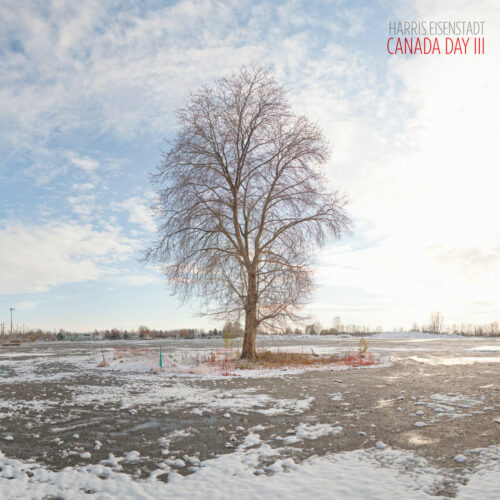
If the second album established the group’s identity, Canada Day III expanded its vocabulary. The introduction of bassist Garth Stevens marked a shift in the band’s grounding; his bowing and harmonic sensitivity on "The Magician of Lublin" provided a new bedrock for the ensemble.

The unmastered version of Canada Day III is perhaps the most striking argument for this project. Recorded at Water Music Recorders, the session captures the microscopic details of the room—the decay of vibraphone chords and the subtle vocalizations of Wooley’s trumpet. Without the "limiting" applied to the original release, the listener can hear the precise distance between the instruments, transforming the listening experience from a static recording into a living performance.
Canada Day IV: Into Freer Territory
The final installment, Canada Day IV, documents a group that has moved beyond the constraints of formal composition. The compositions are more abstract, and the interplay more fluid. Tracks like "After Several Snowstorms" challenge the listener with abrupt shifts and ambiguous endings that mirror the uncertainties of life itself.
Pascal Niggenkemper’s contribution as the new bassist on this record brings a virtuosic command of timbral shading. His work on "What’s Equal to What" provides the pulse that drives the ensemble’s more chaotic moments. This album serves as a poignant historical record, as it was one of the last jazz sessions ever recorded at the legendary Water Music Recorders in Hoboken, New Jersey, before the facility closed its doors.
Technical Specifications and Audiophile Implications
The transition to unmastered, high-rate DSD files is not merely a change in format; it is a fundamental shift in how we consume music. By providing the files in their original recorded resolution alongside high-rate DSD, NativeDSD ensures that the "truth" of the studio environment remains intact.
The Impact of Dynamics
In a standard commercial master, the "loud" and "soft" moments of a track are often normalized to a similar level of intensity. By removing the peak limiting, the unmastered editions allow the music to breathe. In "Song for Sara" from Canada Day III, for instance, the listener can hear the air around the cymbals and the natural fade of the vibraphone. This level of sonic detail requires a high-quality playback system, but for the enthusiast, it offers a level of immersion that standard streaming services cannot replicate.
Studio Preservation
The use of Water Music Recorders for the Canada Day series adds an layer of archival importance to these releases. With professional studios closing at an alarming rate, these high-resolution, unmastered captures act as a time capsule. They preserve the unique acoustic signature of the room—a space that, according to engineer Sean Kelly, was specifically designed to document jazz with unparalleled accuracy.
Official Perspectives: The Quest for Authenticity
The project has garnered significant attention from both musicians and audio engineers who advocate for the "less is more" philosophy. Tony Reif, the founder of Songlines Recordings, emphasized that the decision to release the unmastered versions was driven by the realization that modern mastering practices were doing a disservice to the nuances of the music.
"We compared them to the released versions," Reif noted, "and confirmed that the unmastered tracks had wider dynamic range, better separation, increased soundstage depth, and more truthful timbres." This endorsement from the label owner underscores the collaborative nature of the project; it was not a critique of the original mastering engineers, but an acknowledgement that different media require different approaches, and that the "audiophile" listener deserves access to the source.
Implications for the Future of High-Resolution Audio
The release of the Canada Day Unmastered Editions suggests a potential shift in the high-resolution music market. For years, the industry focused on "bit-depth" and "sample rates" as the primary metrics of quality. However, the Canada Day series demonstrates that a high-resolution file is only as good as the signal chain and the lack of processing involved.
If this trend continues, we may see a "transparency movement" where artists and labels begin to offer "raw" or "unmastered" versions of their albums as a premium tier for listeners. This would empower the audience to choose between the radio-ready, compressed version of an album and the original, wide-dynamic-range version intended by the recording engineers.
Furthermore, this move provides a lifeline for jazz, a genre that relies heavily on dynamics and subtle instrumental interaction. By stripping away the digital layers that have traditionally separated the listener from the player, NativeDSD is inviting a deeper, more intimate connection with the art form.
Conclusion
The Canada Day Unmastered Editions are more than just a reissue of a classic jazz series. They are a declaration that the performance is paramount. By prioritizing the original studio sound over the demands of the marketplace, Harris Eisenstadt, Songlines, and NativeDSD have created a benchmark for how jazz should be preserved in the digital age. For the listener, these albums offer a chance to hear the music as it existed in the room—unfettered, uncompressed, and profoundly alive. Whether you are a long-time fan of the Canada Day series or a newcomer to Eisenstadt’s work, these editions offer an essential experience that redefines the relationship between the studio and the home listening room.