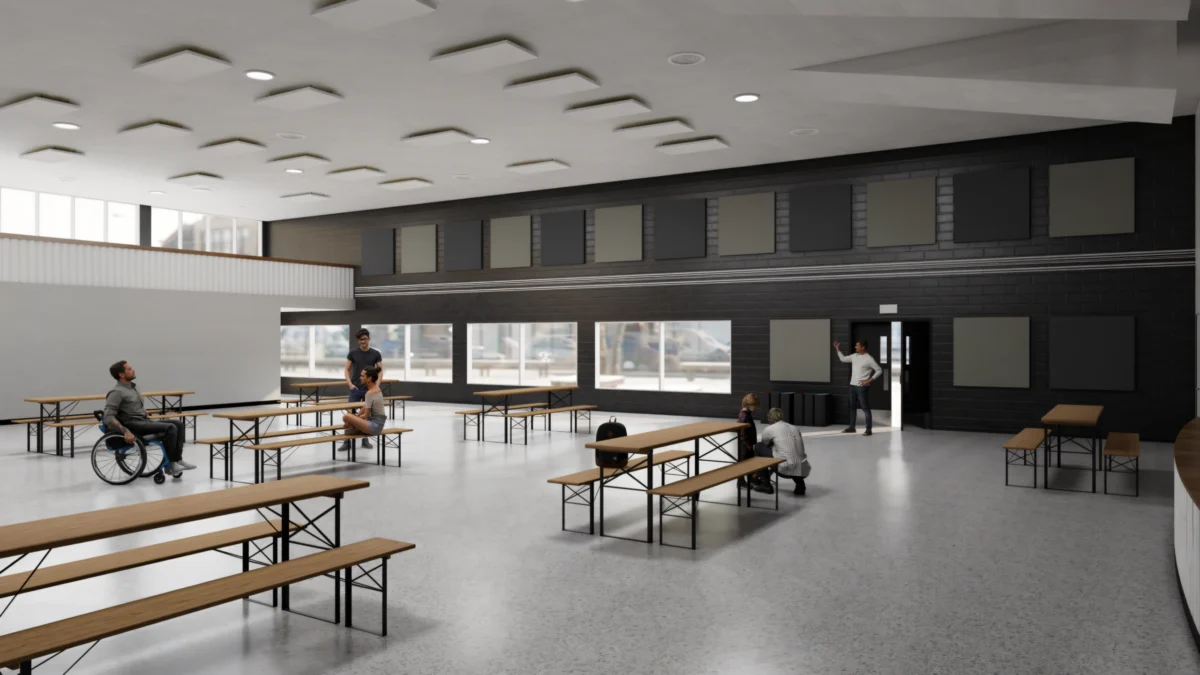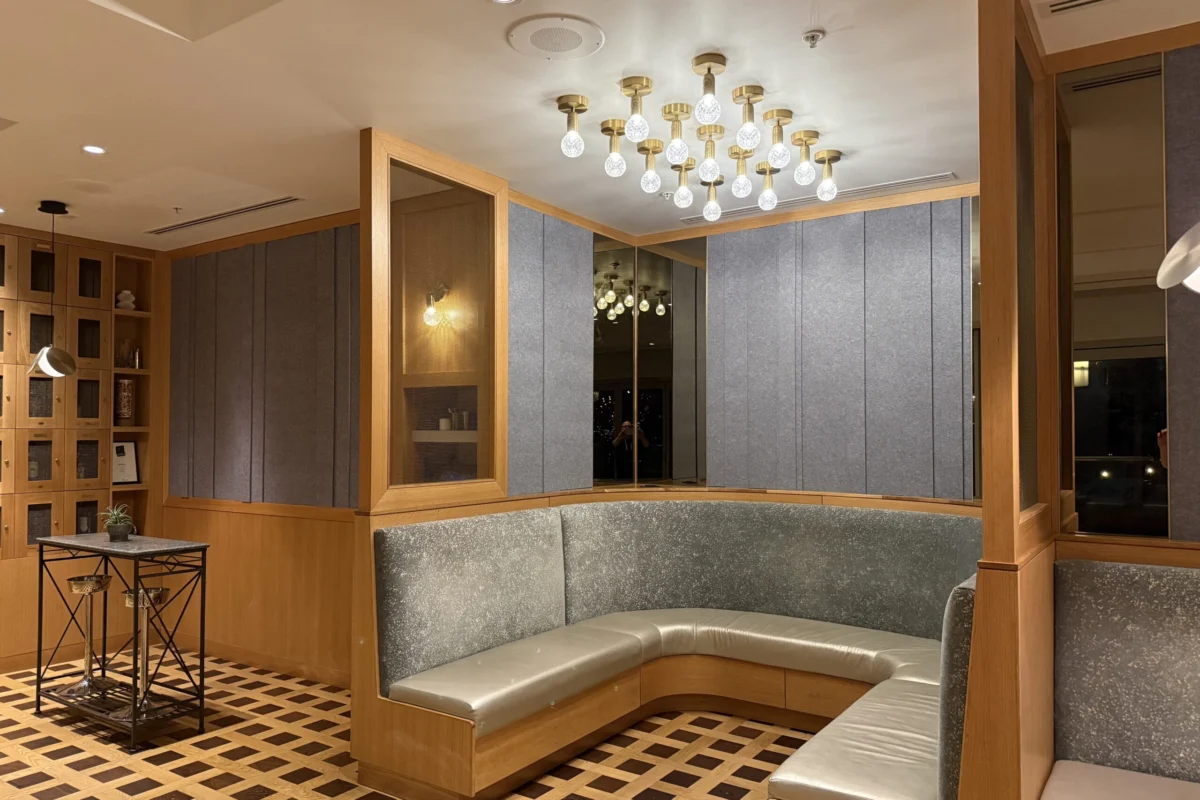
In the modern, open-concept workplace, the "busy restaurant" aesthetic—characterized by exposed industrial ceilings, floor-to-ceiling glass, and hard-surface flooring—has become the gold standard of architectural design. However, there is a mounting, often invisible, cost to this aesthetic: the degradation of speech intelligibility. When communication becomes a chore, productivity plummets, and employee fatigue skyrockets. As organizations struggle to optimize their shared spaces for a hybrid workforce, they are discovering that the most significant obstacle to success is not technology or layout, but the very air their employees breathe, vibrating with uncontrolled sound.
The Hidden Cost of Poor Acoustics: Understanding the Mechanism
The primary challenge in any high-traffic environment is not simply the volume of sound, but the clarity of that sound. In rooms with hard, reflective surfaces, sound waves do not dissipate; they bounce. When sound reflects off a ceiling, it creates a delay. To the human brain, which is already working overtime to filter out background noise, this "smearing" of sound creates a cognitive burden known as "listening effort."

Speech intelligibility is essentially a measurement of how easily the brain can isolate a speaker’s voice from the environmental noise floor. When uncontrolled reflections—particularly those bouncing off the ceiling, the largest uninterrupted surface in any room—arrive at the listener’s ear milliseconds after the direct sound, the result is a muddy, unintelligible mess. This forces occupants to speak louder to compensate (the "Lombard Effect"), which in turn adds more energy to the room, creating a vicious cycle of rising noise levels and declining focus.
A Chronology of Acoustic Neglect in Architecture
For decades, the architectural evolution of shared spaces has trended toward minimalist, industrial aesthetics.

- The Mid-20th Century: The focus was primarily on utilitarian, drop-ceiling acoustic tiles that were highly effective but lacked aesthetic versatility.
- The Late 20th Century: The rise of the "open office" and the minimalist trend began to prioritize exposed ductwork and polished concrete, often ignoring the fundamental laws of physics regarding sound reflection.
- The 2010s: As collaborative environments became the standard, the "noise complaint" emerged as a top-tier facility management issue. Organizations attempted to solve this with white-noise machines and soft seating, often ignoring the fundamental culprit: the ceiling plane.
- The 2020s to Present: We are currently in a pivot point where "acoustic design" is finally being integrated into the early planning stages of construction, rather than being treated as an expensive, post-occupancy "fix-it" project.
Supporting Data: The Physics of Sound Reflection
Sound waves are inherently multi-directional. In a typical room, a sound source emits energy that travels directly to the listener but also hits the ceiling, floor, and walls.
High ceilings, while aesthetically grand, exacerbate the problem by increasing the "Time Gap" between the direct sound and the reflected sound. When that gap reaches a certain threshold, the brain can no longer fuse the two sounds into one, resulting in echoes and excessive reverberation. Conversely, low-ceilinged rooms face the issue of "early reflections," where the bounce is so immediate that it creates a harsh, metallic quality to the sound, causing immediate vocal strain.

The ceiling acts as a giant acoustic mirror. Because it is usually the largest, least-cluttered surface in a building, it provides the most "bang for your buck" when it comes to acoustic treatment. Applying absorption to the ceiling effectively acts as a "sonic sponge," soaking up the energy before it has the chance to propagate throughout the room and trigger secondary reflections off walls and furniture.
Official Perspectives: The Professional Design Shift
Leading acoustic engineers and interior designers are increasingly advocating for a "ceiling-first" approach. By treating the overhead plane, designers can leave walls open for branding, art, or natural light—a major win for architects who fear that traditional acoustic wall panels will "clutter" their vision.
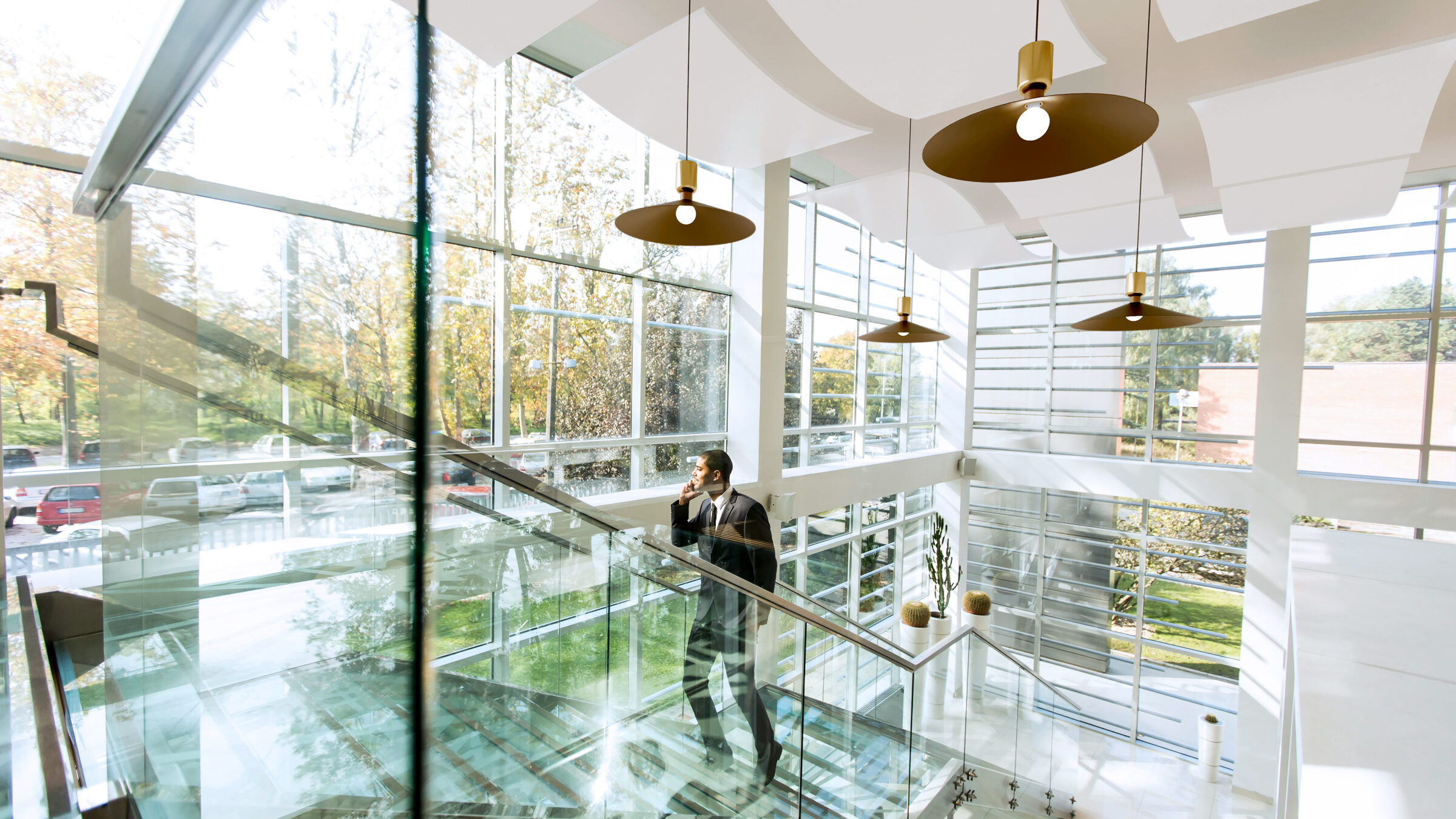
According to technical experts at Primacoustic, the key is to view the ceiling not just as a structural element, but as an active component of the room’s user experience. By deploying sophisticated systems like EcoScapes Blades and Dimensional Baffles, architects can maintain a "clean" look while simultaneously solving the complex problem of sound propagation.
Implications for the Future of Shared Spaces
The implications of failing to address acoustics are far-reaching. In corporate offices, poor acoustics are linked to lower rates of employee retention and decreased focus. In educational settings, it is a barrier to learning for those who are neurodivergent or who speak English as a second language. In hospitality, it is the difference between a guest wanting to return for a second meal or feeling exhausted by the end of their first.

The Role of Sustainable Materials
A crucial shift in the industry is the move toward sustainable materials like post-consumer PET. Modern acoustic solutions are no longer just functional; they are eco-conscious. These materials offer the triple benefit of:
- High-Performance Absorption: Effectively dampening mid-to-high frequencies where human speech resides.
- Health Safety: Being free from VOCs, formaldehyde, and glues, which improves indoor air quality.
- Environmental Stewardship: Contributing to LEED and WELL building certifications, which are increasingly mandatory for modern corporate real estate.
Blades vs. Baffles: Choosing the Right Tool
The choice between acoustic blades and baffles is a matter of both function and form:
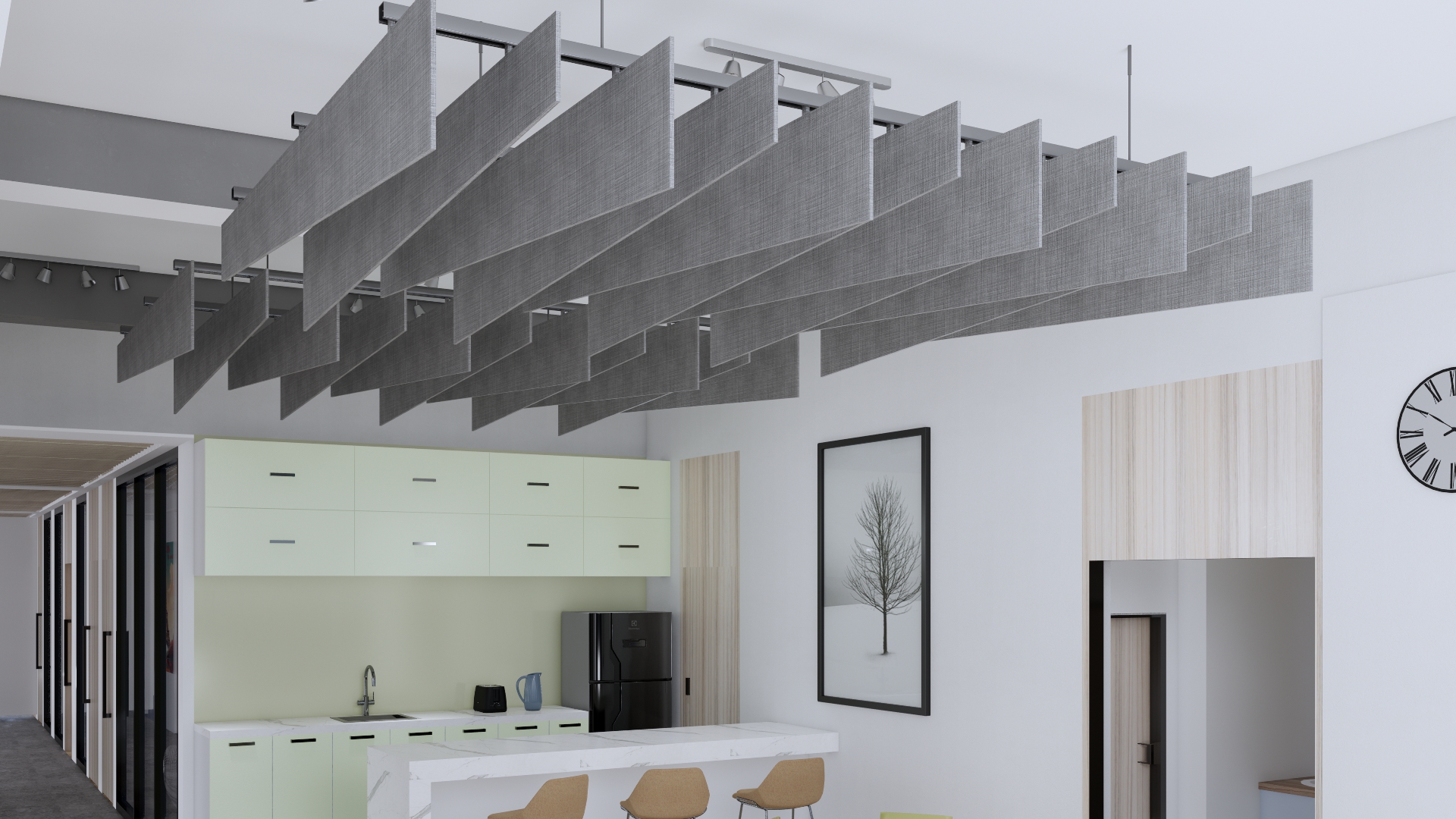
- Blades: These are ideal for lower-ceiling environments or areas where the goal is a sleek, rhythmic architectural look. They can be installed to create "zones," effectively compartmentalizing the sound within a large, open-plan space without the need for physical walls.
- Dimensional Baffles: These are the heavy lifters of high-ceilinged, industrial spaces. Their 3D geometry allows them to capture sound from multiple angles, making them the most effective way to deal with the high-energy reverberation found in warehouses, lobbies, and large eateries.
Conclusion: Designing for the Human Ear
We are entering an era where space design is measured not just by how it looks, but by how it feels to inhabit. A space that is "acoustically comfortable" is one where conversation is effortless and focus is sustained.
When organizations prioritize the "ceiling-first" approach, they are not just installing sound-dampening products; they are investing in the cognitive bandwidth of their occupants. Whether it is a bustling tech office, a high-end restaurant, or a house of worship, the goal remains the same: to create an environment where the architecture supports the human activity within it, rather than working against it.
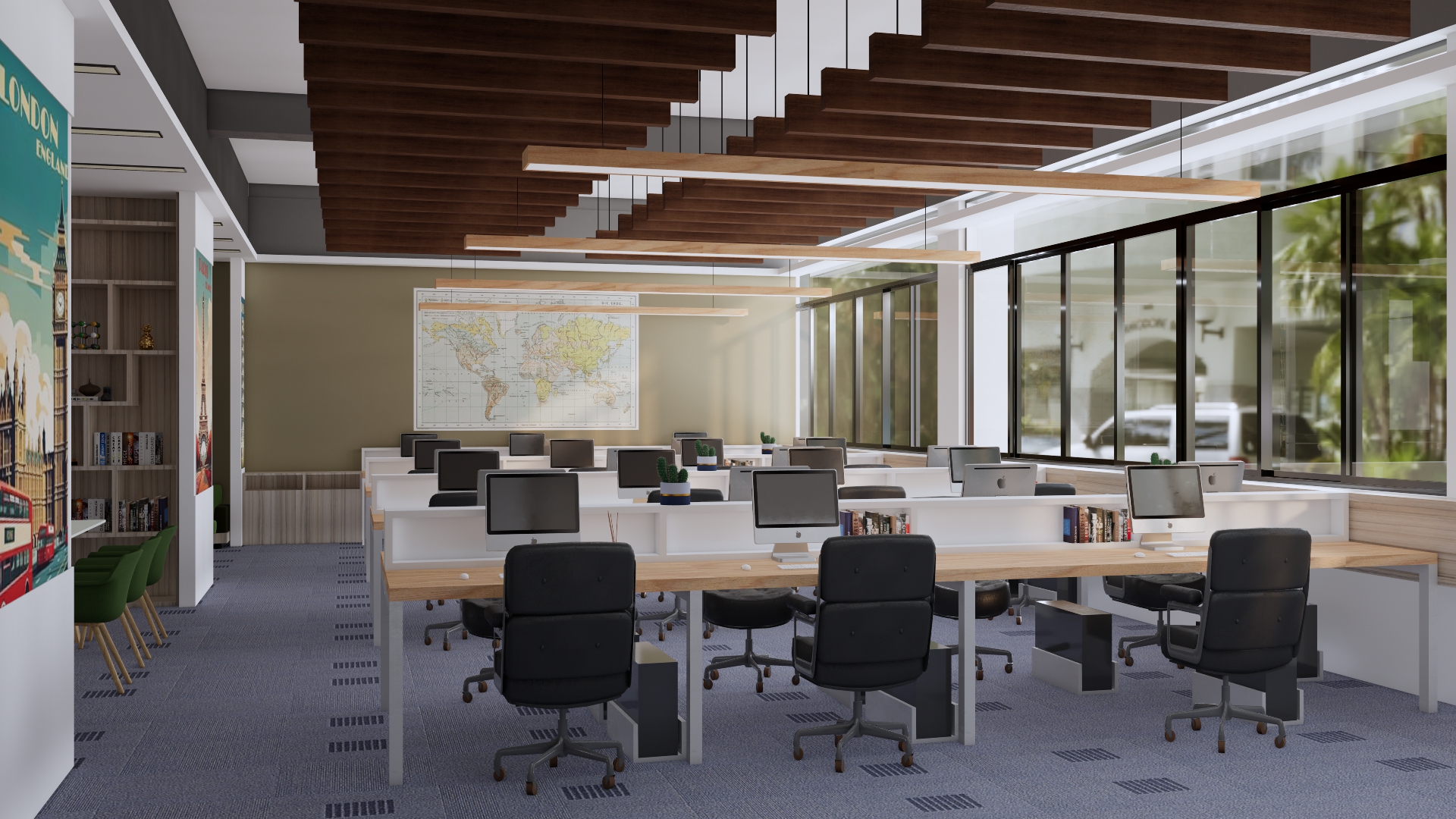
As we look toward the future of interior design, the successful spaces will be those that master the invisible—the sound—ensuring that clarity and comfort are just as prominent as the visual aesthetic.
Are you ready to optimize your space?
The "ceiling-first" approach is the most efficient, least invasive way to transform the acoustics of your facility. By leveraging high-performance, sustainable tools like Primacoustic’s EcoScape line, you can achieve a perfect balance of form and function. For more information on how to implement these solutions in your next project, visit Primacoustic.com to connect with a specialist and begin your journey toward a more productive, comfortable, and acoustically sound environment.