By Tech Desk
June 28, 2026
For millions of Californians, the late-night ritual is all too familiar: a quiet evening of streaming a favorite series, only for the calm to be shattered by a commercial break that registers at a decibel level significantly higher than the program itself. This long-standing technological annoyance, often described as the "loud commercial" phenomenon, is officially entering its twilight phase.
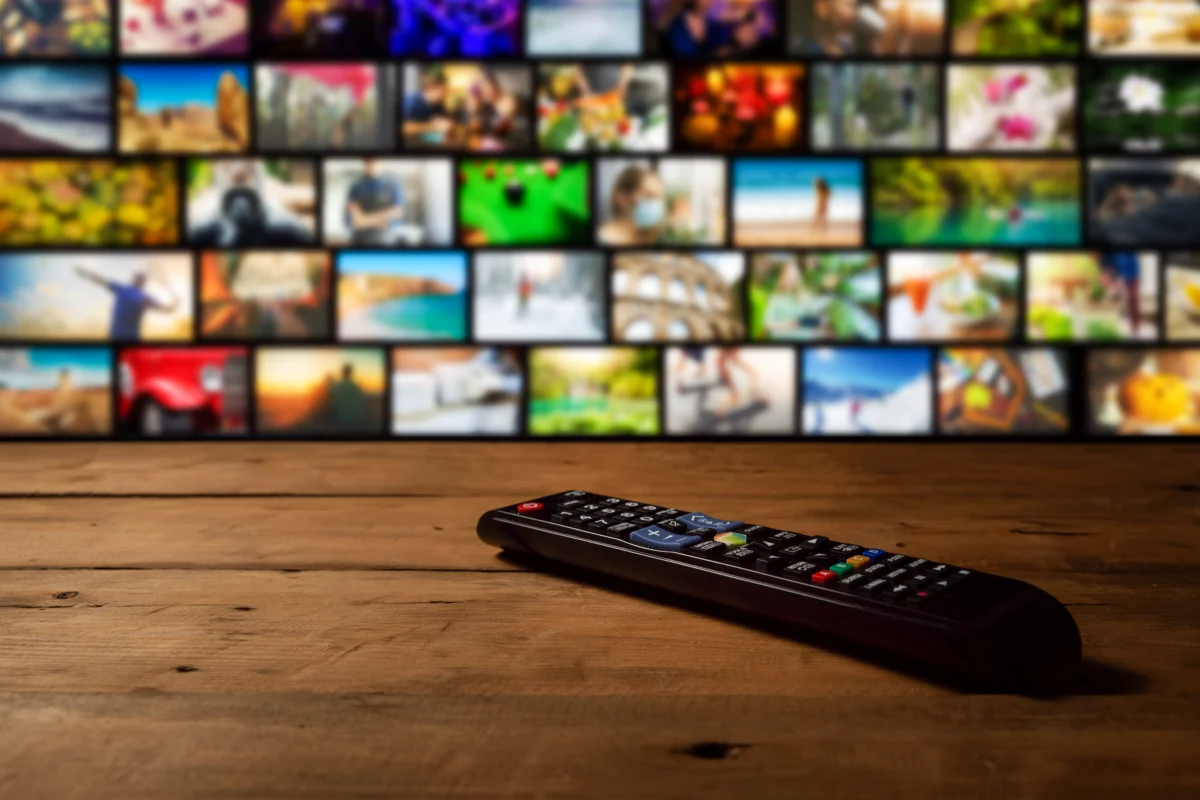
Starting Wednesday, July 1, 2026, a landmark piece of California legislation will mandate that streaming services—including major platforms like Netflix, Hulu, Disney+, and others—ensure that their advertisement volume remains consistent with the audio level of the primary content. The law, which effectively extends the standards long applied to traditional broadcast and cable television, marks a significant regulatory pivot in the digital age.
The Legislative Genesis: A Response to Consumer Frustration
The impetus for this legislation was not born out of complex technical debate, but rather from the visceral frustration of the everyday viewer. When the bill was signed into law in 2025, its sponsor, State Senator Thomas Umberg, offered a candid explanation for the policy. He cited the plight of "every exhausted parent who has finally gotten a baby to sleep, only to have a blaring streaming ad undo all that hard work."
For years, consumers have navigated a digital landscape where streaming platforms functioned in a regulatory "gray zone." While the Federal Communications Commission (FCC) enacted the Commercial Advertisement Loudness Mitigation (CALM) Act in 2010 to police broadcast television, that regulation did not explicitly extend to the internet-based streaming services that have since come to dominate the media landscape.
The California law bridges this gap, signaling a legislative realization that for the modern consumer, there is no functional difference between the "television" of 2010 and the "streaming apps" of 2026.
Chronology of the Shift
The path to this regulation was paved with both public outcry and industry resistance. Below is a timeline of how the mandate took shape:
- 2010: The FCC implements the CALM Act, requiring broadcast and cable TV commercials to be at the same average volume as the programs they accompany.
- 2023–2024: Streaming services experience a massive surge in ad-supported tiers. As users migrate from ad-free subscriptions to cheaper, ad-heavy models, complaints regarding volume spikes reach a fever pitch.
- 2025: California State Senator Thomas Umberg introduces legislation to modernize audio standards for streaming platforms. The bill passes through the legislature despite vocal opposition from major media conglomerates.
- October 2025: Governor signs the bill into law, granting streaming platforms a period of adjustment before the July 1, 2026, enforcement date.
- June 2026: As the deadline approaches, tech analysts and consumer advocates monitor the industry for compliance strategies.
- July 1, 2026: The law goes into effect in California, mandating volume normalization across streaming interfaces.
Supporting Data and the "Loudness" Problem
Why do commercials sound louder? The issue is rooted in "dynamic range compression." Audio engineers often compress the audio signal of an advertisement so that it sounds "fuller" and "closer" to the listener. While the peak volume might technically be the same as the movie or show, the perceived loudness is much higher because the audio remains at a consistent high intensity throughout the duration of the ad.
Technical studies have suggested that human hearing perceives audio with less dynamic range as being louder, even when the decibel output is identical to a program with more varied audio (like a dialogue-heavy drama).
Streaming platforms face a unique challenge that broadcast television did not: device fragmentation. A signal sent to a high-end home theater system, a smartphone speaker, and a budget tablet must all be calibrated to sound "balanced." Industry groups have argued that the sheer variety of playback hardware makes achieving a "universal" volume setting difficult, but the California law suggests that the state government is no longer willing to accept this technical hurdle as an excuse for consumer inconvenience.

Official Responses and Industry Pushback
The path to implementation has been marked by significant friction between lawmakers and media industry giants. The Motion Picture Association (MPA) and the Streaming Innovation Alliance (SIA) were the most vocal opponents of the bill during its drafting.
In formal testimony, representatives from these groups argued that streaming platforms were already investing heavily in proprietary audio-leveling technologies. They contended that government intervention was unnecessary and potentially cumbersome, as it forces companies to build "geofenced" audio standards. Because these services are global, they argue that forcing California-specific settings could introduce technical debt or result in inconsistent user experiences if not handled with extreme precision.
Furthermore, industry lobbyists highlighted the difficulty of standardizing audio across "over-the-top" (OTT) devices. They argued that the operating systems of various Smart TVs, gaming consoles, and mobile devices interpret audio signals differently, and that the responsibility for "loudness" often lies with the hardware manufacturer or the ad-delivery software rather than the streaming service itself.
Despite these objections, the legislation passed with a clear directive: the burden of proof is now on the streaming platforms to ensure that, regardless of the device, the transition from show to ad does not result in an audio jump.
Broader Implications: A Domino Effect?
While the mandate is currently localized to California, it is unlikely to remain there for long. The industry is already preparing for a wider net. Illinois has already passed similar legislation, which is set to take effect next year, creating a "bicoastal" regulatory pressure that will make it difficult for streamers to maintain different audio profiles for different states.
From a business perspective, the most likely outcome is that streamers will treat the California/Illinois standards as the "new global baseline." Developing a single, compliant audio stream for the entire US market is significantly more cost-effective than attempting to segment the country based on local audio regulations.
Key Takeaways for Consumers:
- Consistency: Viewers should notice a more seamless transition between content and commercials starting this week.
- No "Opt-in" Required: This is a backend change. Users will not need to update their apps or change settings; the normalization will be handled on the server side by the platforms.
- Regulatory Precedent: This marks a turning point where states are beginning to regulate the technical delivery of digital services, not just the content itself.
The Future of Digital Media Regulation
As we look beyond the July 1 deadline, the "loud ad" debate serves as a microcosm of a much larger struggle: the battle for the "user experience" in an increasingly digital-first world. As streaming becomes the primary vehicle for both entertainment and advertising, legislators are signaling that the "Wild West" era of digital content delivery is drawing to a close.
The success of the California law will likely encourage other states to address similar grievances, ranging from data privacy to the transparency of recommendation algorithms. For the streaming services, the message is clear: they are no longer just software platforms—they are the new broadcasters, and they are expected to play by the rules of their predecessors.
Whether this move will satisfy the long-term demands of consumers remains to be seen. However, for the millions of Californians watching a movie this Wednesday night, the quiet transition into a commercial break will be a small, but tangible, victory for the user. As the clock strikes midnight on July 1, the industry is forced to turn the volume down, marking the end of one of the most annoying, yet overlooked, inconveniences of the streaming era.