The annual post-Thanksgiving shopping frenzy has reached its crescendo. For cord-cutters and home theater enthusiasts, the period surrounding Black Friday and Cyber Monday serves as the prime window to overhaul their entertainment ecosystem. As of December 2, 2024, major retailers have finalized their discount strategies, offering significant price slashes on the latest generation of streaming hardware. Whether you are looking to bring 4K resolution to an aging television or searching for a more intuitive interface, the current market offers an abundance of high-performance options at their lowest prices of the year.
Main Facts: The Current Streaming Landscape
The landscape of streaming devices is currently dominated by two primary titans: Amazon and Roku. Both companies have aggressively priced their latest hardware to capture market share during the holiday window.
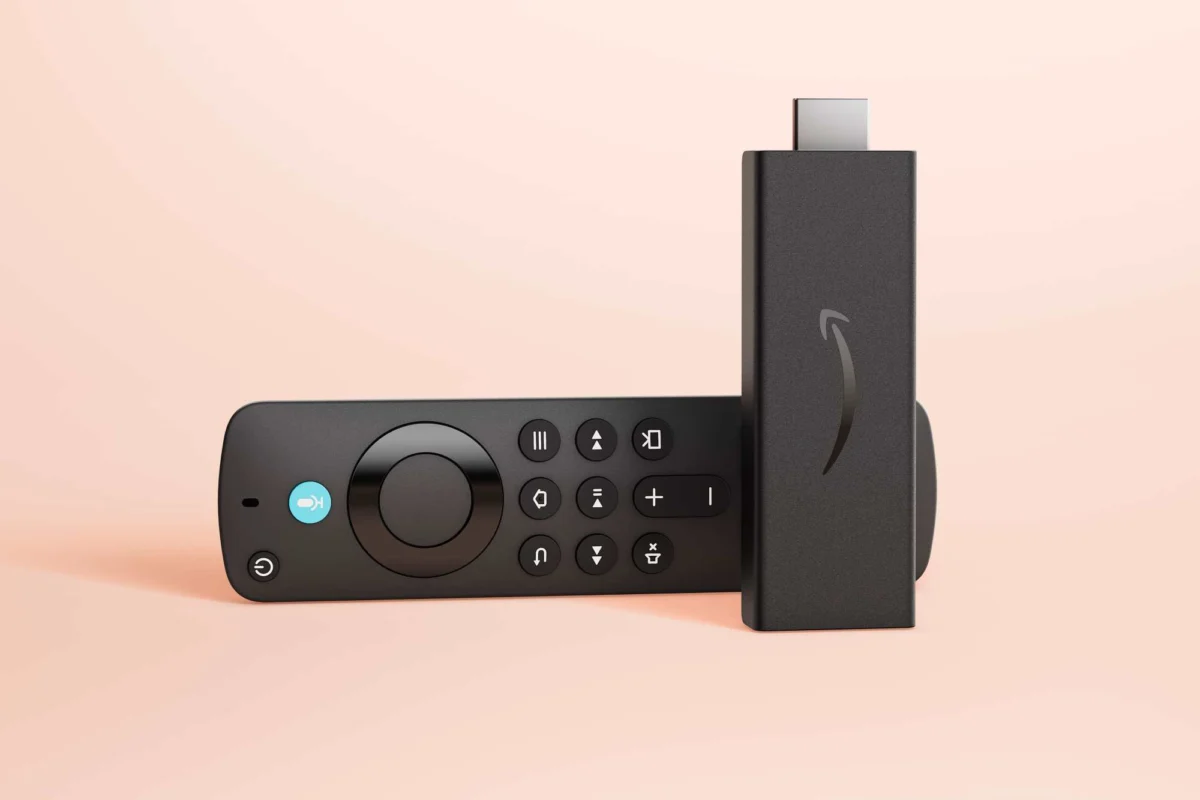
The most notable development this year is the aggressive discounting of hardware released only weeks ago. The Amazon Fire TV Stick HD and Fire TV Stick 4K—both of which debuted in late 2024—have received significant price cuts. This is a rare occurrence for "fresh off the shelf" technology. Similarly, Roku has positioned its Streaming Stick 4K and Express 4K+ as the go-to value propositions for consumers who prioritize a clean, ad-friendly interface over the ecosystem-heavy experience provided by Amazon.
Beyond these two, the premium tier—represented by the Apple TV 4K and the Nvidia Shield—remains a niche but highly coveted segment. While these devices rarely see the deep 50% discounts found on entry-level sticks, they are frequently included in "bundle" deals or modest site-wide sales at retailers like Best Buy and B&H Photo.
Chronology: From Black Friday to Cyber Monday
The timeline of these deals reflects a shift in consumer behavior. Historically, Black Friday was a frantic, in-person event centered on doorbuster deals at physical retail locations. Today, the event has evolved into a week-long digital marathon.
- Pre-Thanksgiving Warm-up: In mid-November, Amazon began "early access" deals, priming the market by discounting older inventory to make room for the new Fire TV lineup.
- Black Friday (November 29, 2024): This served as the primary inflection point. Most manufacturers synchronized their pricing across major retailers, ensuring that a Roku device purchased at Walmart cost the same as one bought at Target or Amazon.
- Cyber Monday (December 2, 2024): As the final day of the traditional sales window, this period acts as a "last call" for consumers. Historically, retailers use this day to move the remaining stock of high-demand items, often extending "flash sales" on peripherals like voice-controlled remotes and soundbars.
Supporting Data: Navigating the "Budget" Trap
When shopping for streaming players, data suggests that not all "deals" are created equal. Consumer experts and industry analysts strongly advise shoppers to avoid the absolute cheapest hardware on the shelf.

For instance, devices like the Roku LE and the standard Roku Express are frequently marketed as the lowest-priced options. However, these devices often suffer from sluggish performance, lack of 4K support, and outdated hardware that struggles to keep up with modern app updates. Industry experts, including those at TechHive, have consistently noted that spending an additional $10 to $15 on an Express 4K+ or a Streaming Stick 4K provides a vastly superior user experience. The performance delta—measured in faster menu navigation, quicker app loading times, and future-proofed video codecs—is well worth the marginal price increase.
Comparative Hardware Tiers (Estimated Savings)
| Device Category | Primary Benefit | Typical Discount Range |
|---|---|---|
| Entry-Level (1080p) | Basic utility, secondary TVs | 20% – 30% |
| Mid-Range (4K/HDR) | Best value for most households | 35% – 50% |
| Premium (High-End) | Gaming, high-fidelity audio/video | 10% – 15% |
| Hybrid (Streambars) | Space-saving, audio enhancement | 25% – 40% |
Official Responses and Strategic Positioning
Manufacturers view the holiday shopping season as their most critical opportunity to "lock in" users to their respective platforms. Amazon, for example, prioritizes the integration of its Fire TV ecosystem with its broader Prime subscription services. By selling the Fire TV Stick at a loss or at a thin margin, Amazon ensures that millions of households remain within their "walled garden," where they are more likely to purchase content through Prime Video or subscribe to third-party channels via the Fire TV interface.
Roku, conversely, adopts a neutral-platform strategy. Their official marketing emphasizes simplicity and a hardware-agnostic approach. By offering a wide range of devices—from the compact Streambar SE to the high-performance Ultra—Roku aims to serve every segment of the market, from the budget-conscious college student to the high-end home theater enthusiast. Their focus on the "backlit remote" in their latest Ultra model is a direct response to consumer feedback regarding usability in dark media rooms, signaling a shift toward user-centric hardware improvements.
Implications for the Future of Streaming
The current state of the streaming market has profound implications for the future of home entertainment. As smart TVs become more common, the role of the external streaming player is changing.
- Longevity vs. Obsolescence: External streamers are now viewed as a "life-extender" for televisions. While a TV’s internal software may become sluggish after three years, a $30 Fire TV or Roku stick can refresh the entire user experience for another three to five years, preventing premature e-waste.
- Voice Integration: The inclusion of advanced voice control (Alexa for Fire TV, Roku Voice Remote) indicates that manufacturers are betting on voice as the primary navigation tool for the next decade. The ability to control a cable box or smart home lights directly from a remote is no longer a luxury—it is an expected standard.
- The Death of Physical Media: The aggressive push to bundle streaming hardware with soundbars (like the Roku Streambar) suggests that the industry is successfully pivoting away from disc-based media toward pure cloud-based consumption.
Conclusion: How to Shop Smart
As the dust settles on Cyber Monday, consumers should remember that these sales cycles are predictable. If you missed out on a specific deal, retailers often cycle through "New Year" promotions in January. However, if you are looking to upgrade today, prioritize devices that offer 4K HDR capability, as this is currently the industry standard for content delivery.
Avoid the temptation to buy the absolute cheapest model; the long-term frustration of a lagging interface outweighs the short-term savings of a few dollars. Whether you choose the integration of the Amazon ecosystem or the platform neutrality of Roku, the technology available today offers more value for the dollar than at any point in the history of streaming. As you finalize your purchases, remember that the most important factor is compatibility with your existing television—ensure your HDMI inputs can handle the output of the device you choose, and you will be well on your way to an improved home theater experience.