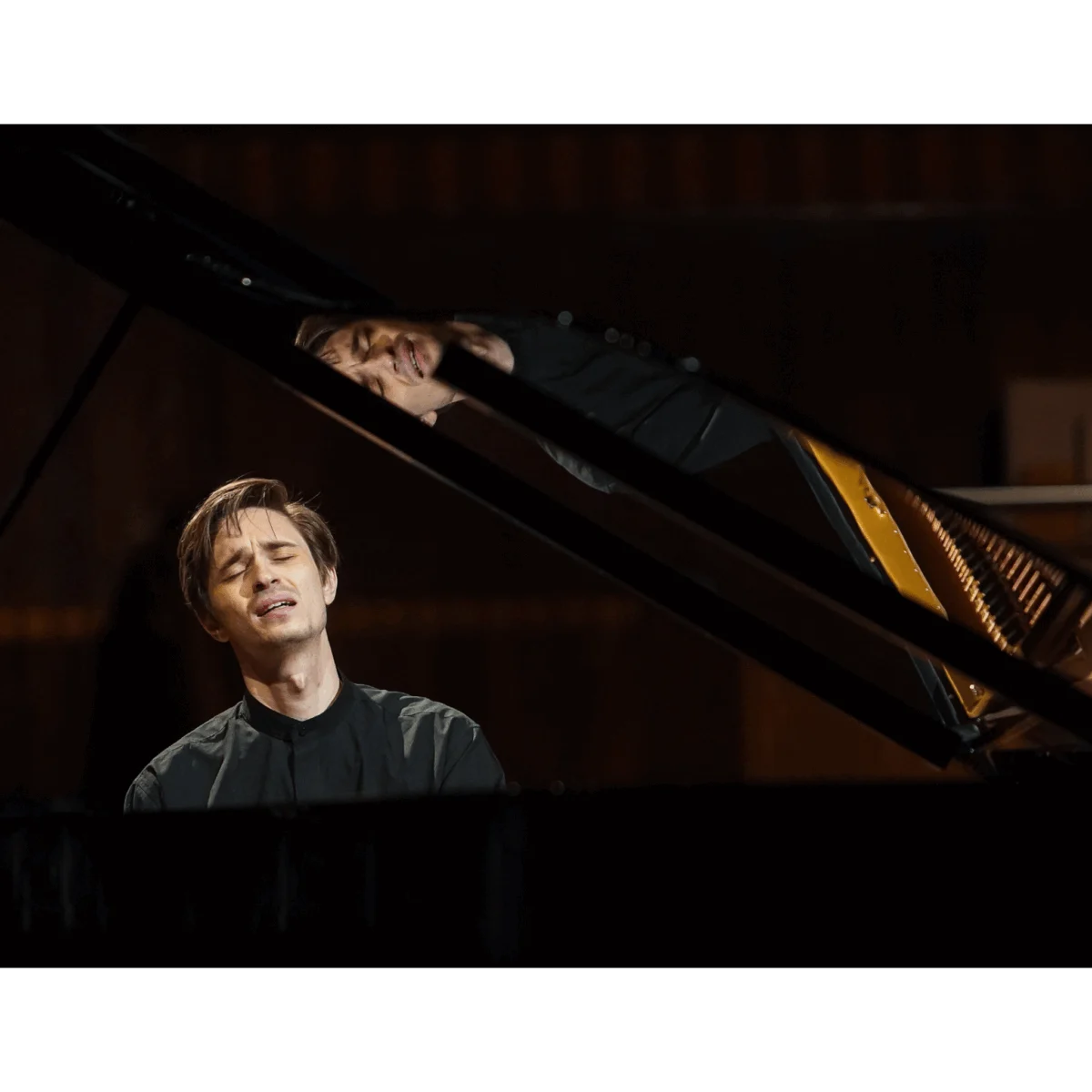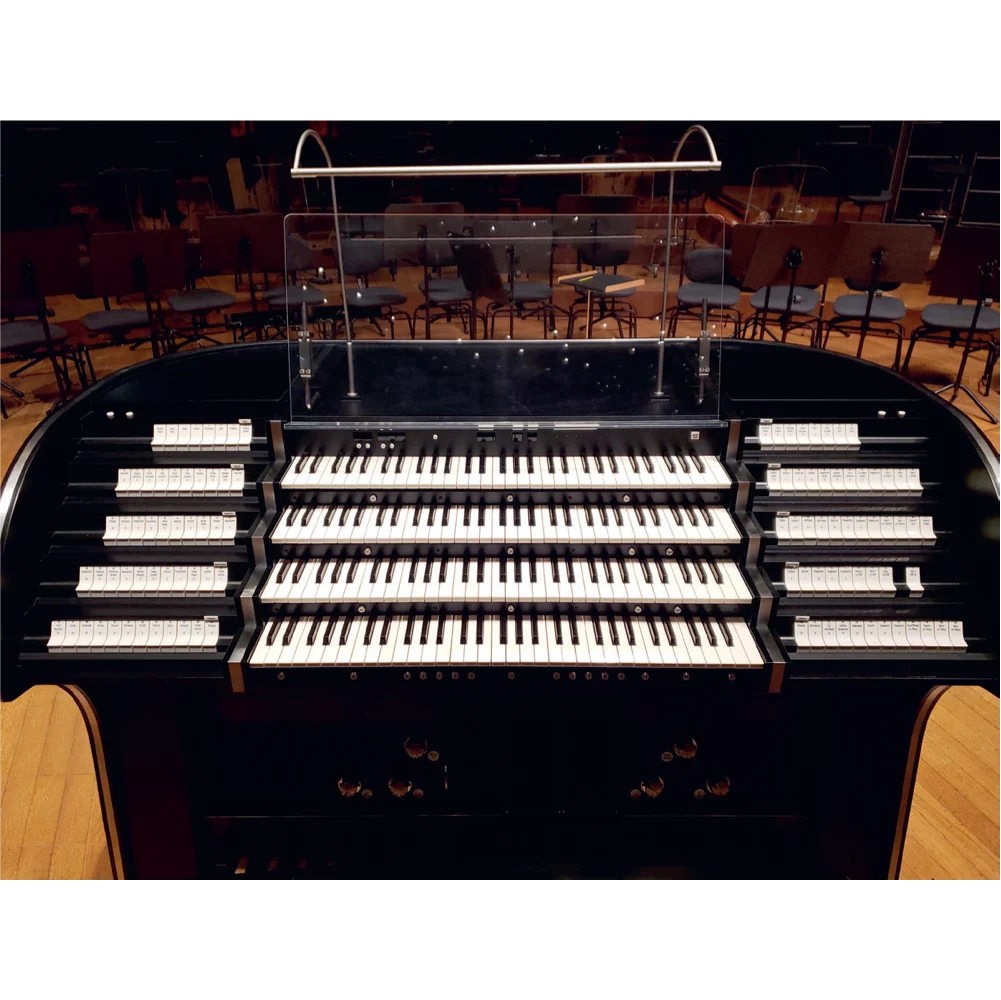
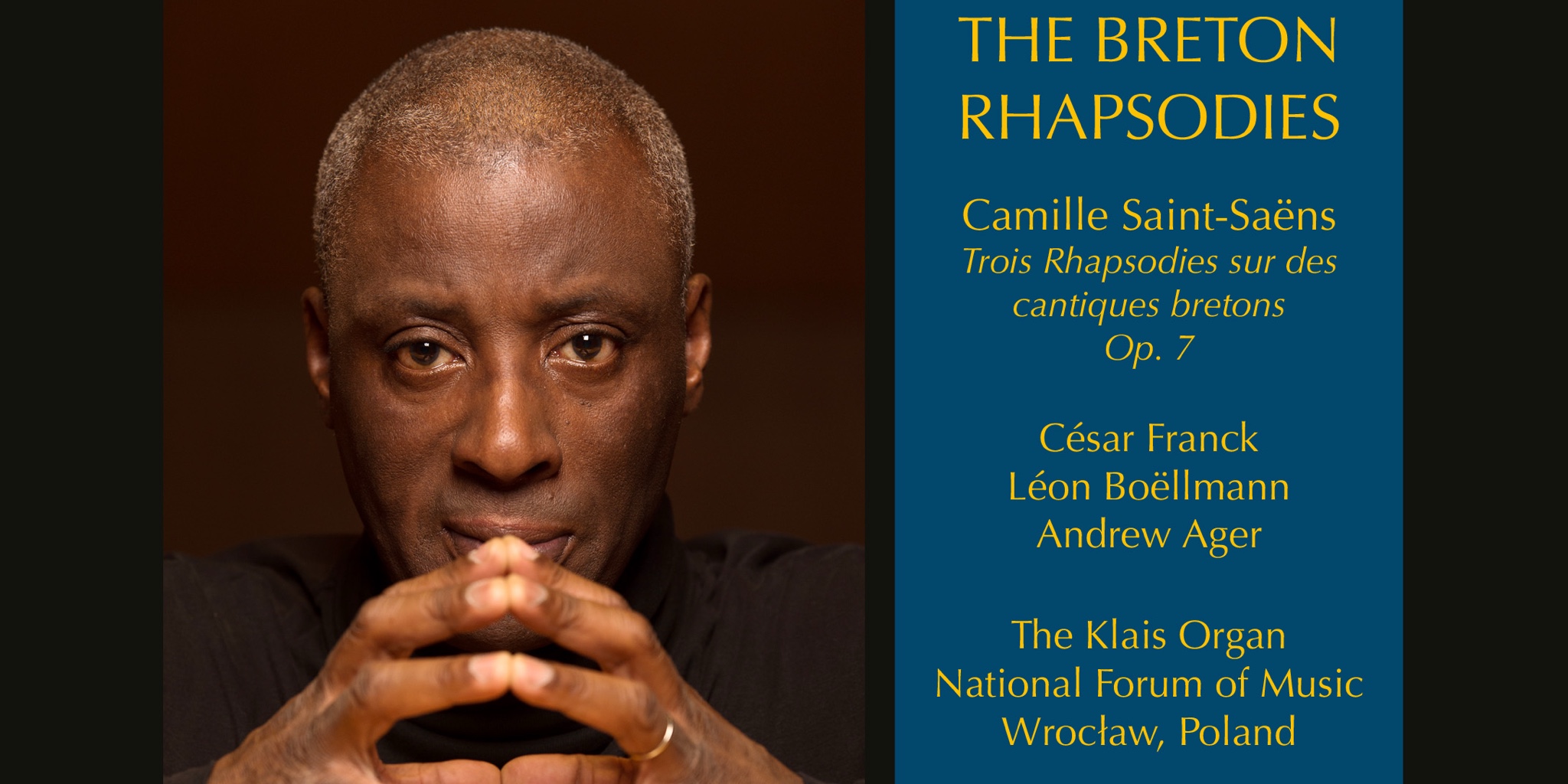
In the rarefied world of high-fidelity classical music production, few projects manage to marry technical audacity with artistic virtuosity as effectively as the latest release from Base2 Music, The Breton Rhapsodies. Featuring the internationally acclaimed conductor, pianist, and organist Wayne Marshall, the album is more than a mere collection of compositions; it is a masterclass in acoustic documentation. Recorded within the hallowed, modern architecture of the National Forum of Music (NFM) in Wrocław, Poland, this project stands as a testament to the pursuit of the "ultimate" listening experience.
Main Facts: A Convergence of Art and Engineering
At the center of The Breton Rhapsodies is the eponymous work by Camille Saint-Saëns, Trois Rhapsodies sur des Cantiques Bretons, Op. 7. This centerpiece serves as a bridge between the folk-inspired roots of Breton melodies and the sophisticated, symphonic sensibilities of the French organ tradition. Alongside Saint-Saëns, the program features works by César Franck and Léon Boëllmann, punctuated by a contemporary contribution from Canadian composer Andrew Ager.
The recording is not merely an interpretation; it is a sonic reconstruction of one of Europe’s most sophisticated acoustic environments. Captured in ultra-high resolution (354.8 kHz/24-bit), the album provides an immersive 5.1 surround soundscape that pushes the boundaries of digital audio. By utilizing the Merging Technologies recording system and a specialized microphone array—including Sennheiser MKH 8020s and DPA 4006As—Base2 Music has successfully captured the visceral, physical impact of the organ’s 32-foot wooden pipes, which plunge as low as 16 Hz.
Chronology: A Four-Year Odyssey
The genesis of The Breton Rhapsodies was marked by logistical complexity and the lingering shadows of a global crisis. The project, which took four years to reach fruition, began in the wake of the 2020 pandemic.
- 2020–2021: The Planning Phase. Producer Jake Purches and Wayne Marshall navigated the difficulties of coordinating schedules across a fragmented European landscape. The collaboration necessitated a hybrid approach to production, involving remote editing sessions and high-level logistical planning to ensure that the recording sessions—when they finally occurred—would be seamless.
- 2022: The Recording Sessions. The sessions took place at the National Forum of Music in Wrocław, Poland, immediately following a live recital by Marshall. This timing was critical, as it allowed the performer to be in peak technical form, having already "warmed up" the venue and the instrument during his public performance.
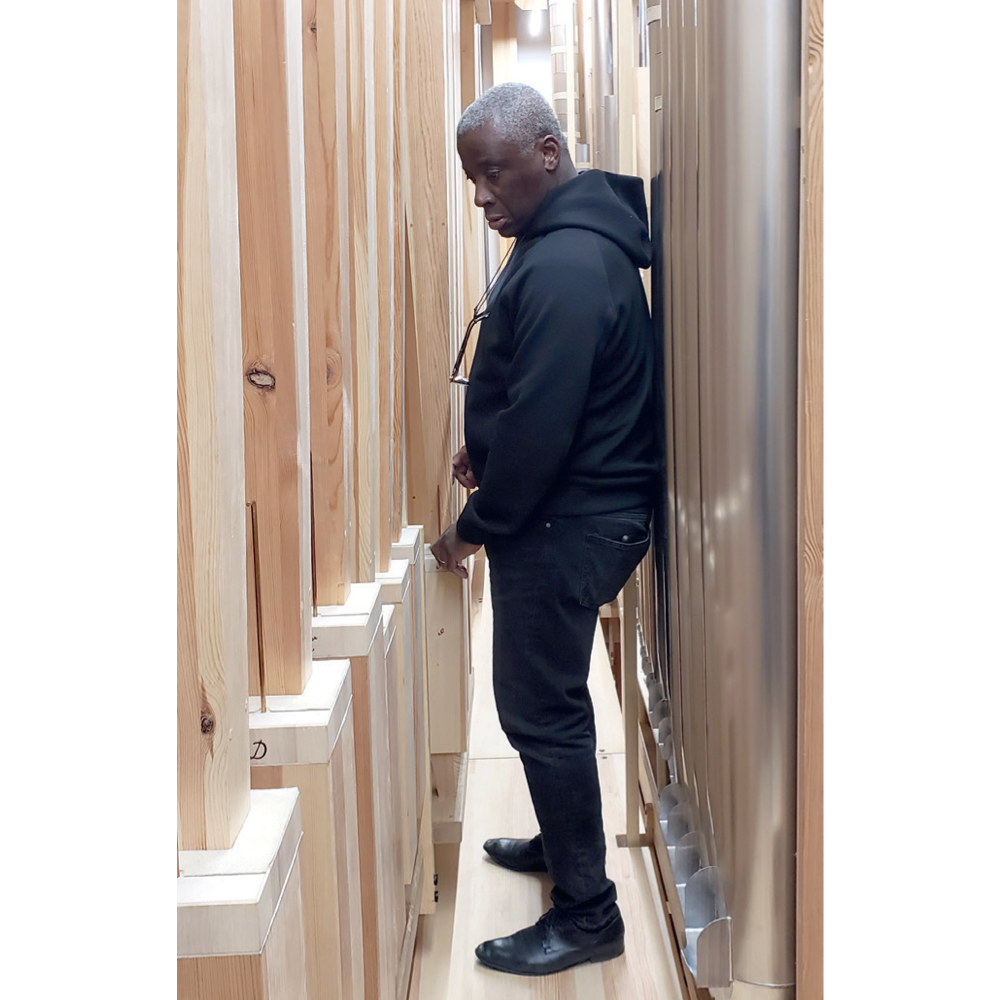
- 2022–2026: Post-Production and Mastering. The intervening years were dedicated to the painstaking process of balancing the massive frequency range of the Klais organ. Because the organ was only two years old at the time of recording, the team had to account for the instrument’s "settling" period, requiring constant tuning adjustments between recording nights to ensure consistency across the entire tracklist.
Supporting Data: The Technical Architecture
To understand the significance of this recording, one must look at the technical specifications of the equipment used. Base2 Music has long prioritized the preservation of the full dynamic range of the pipe organ, an instrument notoriously difficult to record due to its massive sound pressure levels and frequency extremes.
The Microphone Array
The choice of the Sennheiser MKH 8020 was deliberate. With a frequency response extending from 10 Hz to 100 kHz, these microphones are among the few capable of capturing the "infrasonic" energy generated by the instrument’s largest pipes.
- Close Captures: The team utilized a combination of omni and cardioid microphones placed strategically near the organ pipes to capture the immediate, percussive attack of the mechanical action.
- Ambient Captures: DPA 4006A flank microphones were employed to capture the "bloom" of the NFM hall, while rear-facing cardioids were utilized to round out the 5.1 surround image. This creates a "sphere of sound" that places the listener not in the audience, but in the center of the acoustic space.
The Venue
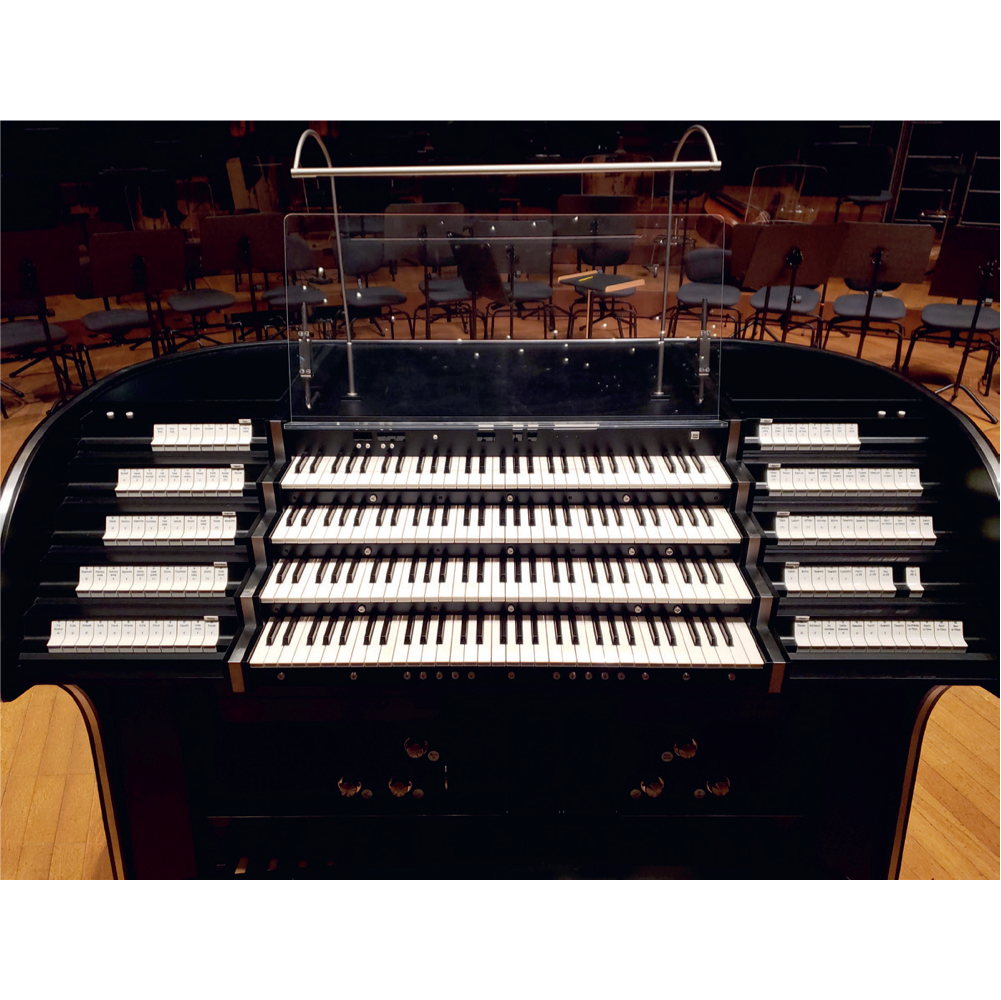
The National Forum of Music in Wrocław is a modern architectural marvel. Its acoustics were designed to be both clear and reverberant, providing the perfect canvas for the Klais organ. The organ itself, a massive, complex instrument, required rigorous calibration. During the 2022 sessions, the instrument was still reaching its final stability, meaning the recording team had to act as both engineers and curators of the organ’s voice, ensuring that every shift in tuning was accounted for.
Official Perspectives: A Note from the Producer
Jake Purches, the producer of the project, has described the experience as a "balancing act of monumental proportions." In a recent statement, Purches noted the unique challenges posed by Marshall’s high-profile schedule: "Working with a talent of Wayne Marshall’s caliber requires flexibility, but it also demands a shared obsession with perfection. The four-year timeline was not just a result of logistics, but of our refusal to compromise on the fidelity of the audio. We wanted to capture the air in the room, the mechanical clicks of the organ, and the sheer, room-shaking weight of the 16 Hz fundamentals."
Implications: Setting a New Standard for Organ Recordings
The release of The Breton Rhapsodies is significant for several reasons, primarily for its role in the "Audiophile Renaissance."
1. The Survival of High-Resolution Physicality
In an era dominated by compressed streaming audio, The Breton Rhapsodies serves as a counter-narrative. By focusing on the 16 Hz range and the nuances of the 5.1 surround soundstage, Base2 Music is catering to a demographic of listeners who demand high-fidelity experiences that justify the investment in premium audio hardware.
2. The Preservation of the French Repertoire
The selection of music is deliberate. By pairing the relatively obscure Trois Rhapsodies of Saint-Saëns with works by Franck and Boëllmann, the album elevates these compositions from "church music" to "symphonic literature." The inclusion of Andrew Ager’s work further modernizes the program, ensuring that the album is not just a historical exercise but a living, breathing contribution to the contemporary organ canon.
3. The Future of Venue-Based Recording
This project highlights the increasing importance of the "venue-as-instrument" philosophy. As recording technology becomes more portable and sensitive, producers are moving away from studio-controlled environments toward spaces with unique acoustic signatures. The success of this recording in the NFM will likely encourage future projects to seek out venues that offer a "spatial identity," moving beyond the dry, controlled acoustics of traditional recording studios.
Conclusion: A Sonic Legacy
The Breton Rhapsodies is an achievement that bridges the gap between the 19th-century traditions of French organ composition and the 21st-century capabilities of digital recording. For the listener, it offers more than just a performance; it offers an invitation to inhabit the space where the music was created.
As we look at the trajectory of classical music production, projects like this remind us that the goal is not merely to capture sound, but to document the experience of sound. With Wayne Marshall’s expert hands at the console and the uncompromising technical rigor of the Base2 Music team, this release is destined to become a reference recording for audiophiles and organ enthusiasts alike. Whether listened to in stereo or through an immersive surround system, The Breton Rhapsodies stands as a definitive, high-resolution monument to one of the most powerful instruments ever conceived by man.