LAS VEGAS, NV — As the neon lights of the Las Vegas Strip flickered against the backdrop of an increasingly complex global economy, the professional audiovisual industry gathered at the Las Vegas Convention Center (LVCC) for InfoComm 2026. Despite a prevailing atmosphere of caution fueled by fluctuating tariffs, supply chain recalibrations, and general economic "uncertainty," the event emerged not merely as a survivalist gathering, but as a triumphant showcase of technological resilience.
The 2026 iteration of InfoComm proved that the demand for immersive experiences, high-fidelity audio, and integrated visual solutions has reached a fever pitch. From stadium-sized line arrays to "petite" digital consoles that pack the punch of their larger predecessors, the floor of the LVCC was a testament to the industry’s ability to innovate under pressure.
Main Facts: A Resilient Industry Returns to the Desert
InfoComm 2026 arrived at a critical juncture for the AV industry. For the past eighteen months, manufacturers have navigated a minefield of trade regulations and component shortages. However, the sheer volume of attendees and the density of the exhibitor floor suggested that the "climate of uncertainty" has acted more as a catalyst for efficiency than a deterrent to growth.
The primary takeaway from this year’s show was the concept of "High-Density Innovation." Manufacturers are no longer just making products louder or brighter; they are making them smarter, smaller, and more integrated. The convergence of IT and AV continues to accelerate, with software-driven ecosystems like Sennheiser’s SoundBase and DiGiCo’s Quantum processing taking center stage.
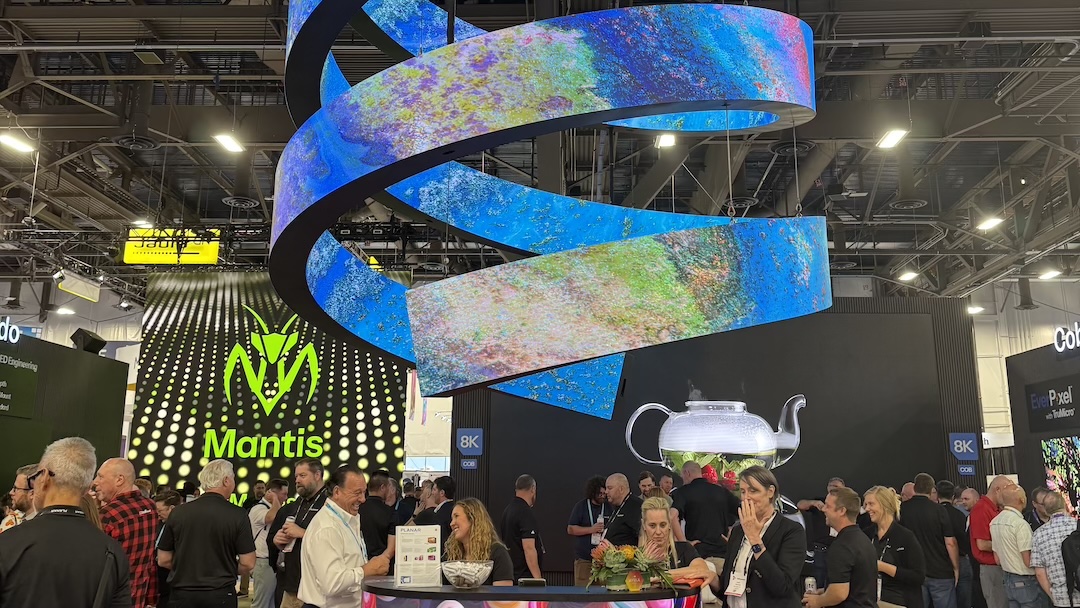
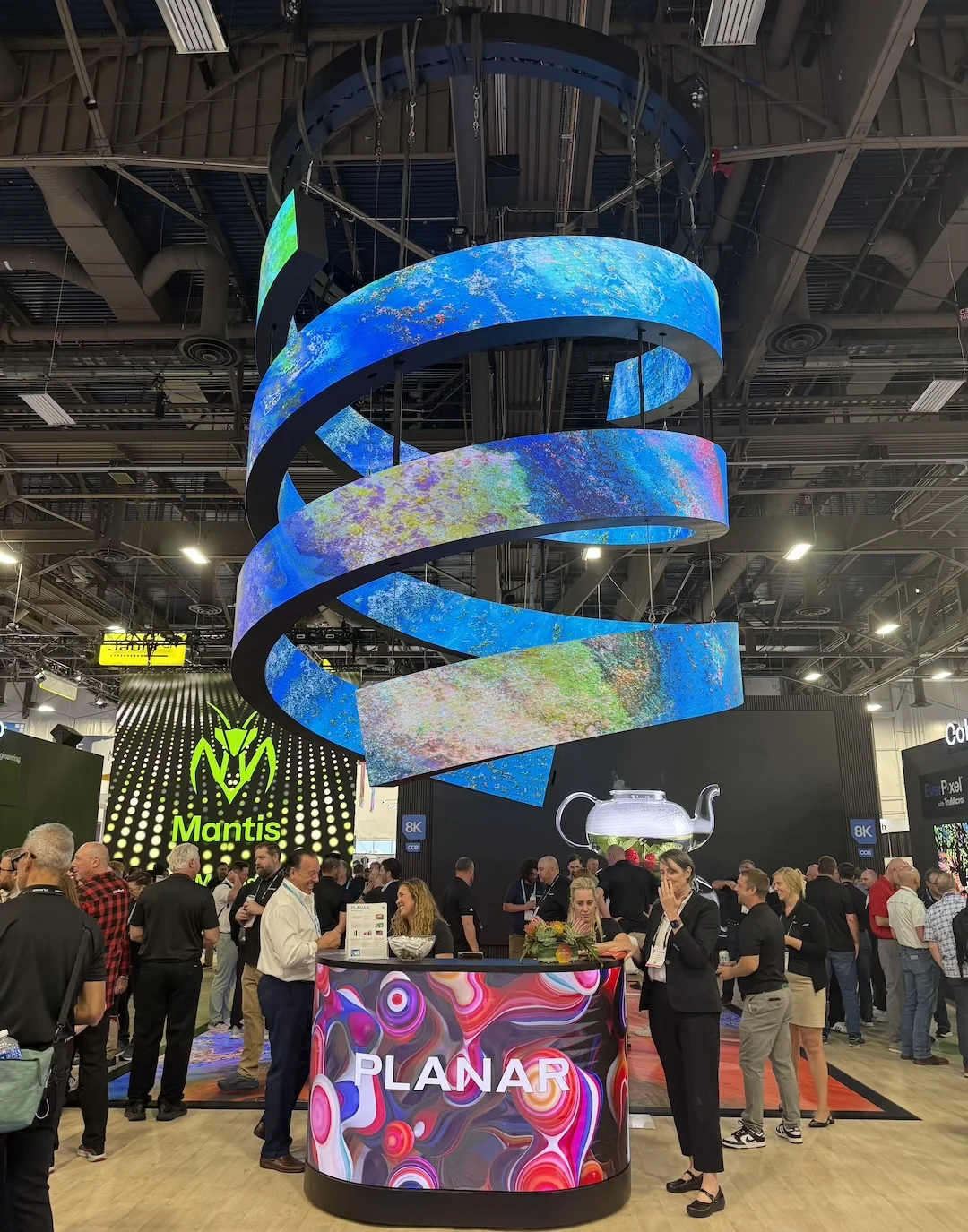
Key highlights included the exclusive debut of Adamson’s VGx, a powerhouse designed for the world’s largest stages, and the continued evolution of compact mixing with the DiGiCo Quantum112 and the elusive Midas HD Neon16. While audio dominated much of the critical conversation, the visual sector—represented by Planar’s architectural LED arrays—demonstrated that the "V" in AV is becoming increasingly sculptural and integrated into the very fabric of modern architecture.
Chronology: From Setup to Showstoppers
The Prelude: Navigating the Economic Headwinds
Leading up to the mid-June opening, the industry buzz was focused on external pressures. Trade tariffs had many procurement officers worried about price hikes, yet as the doors opened at the LVCC, the narrative shifted from "What will it cost?" to "What can it do?"
Days 1 & 2: The Heavy Hitters and Global Debuts
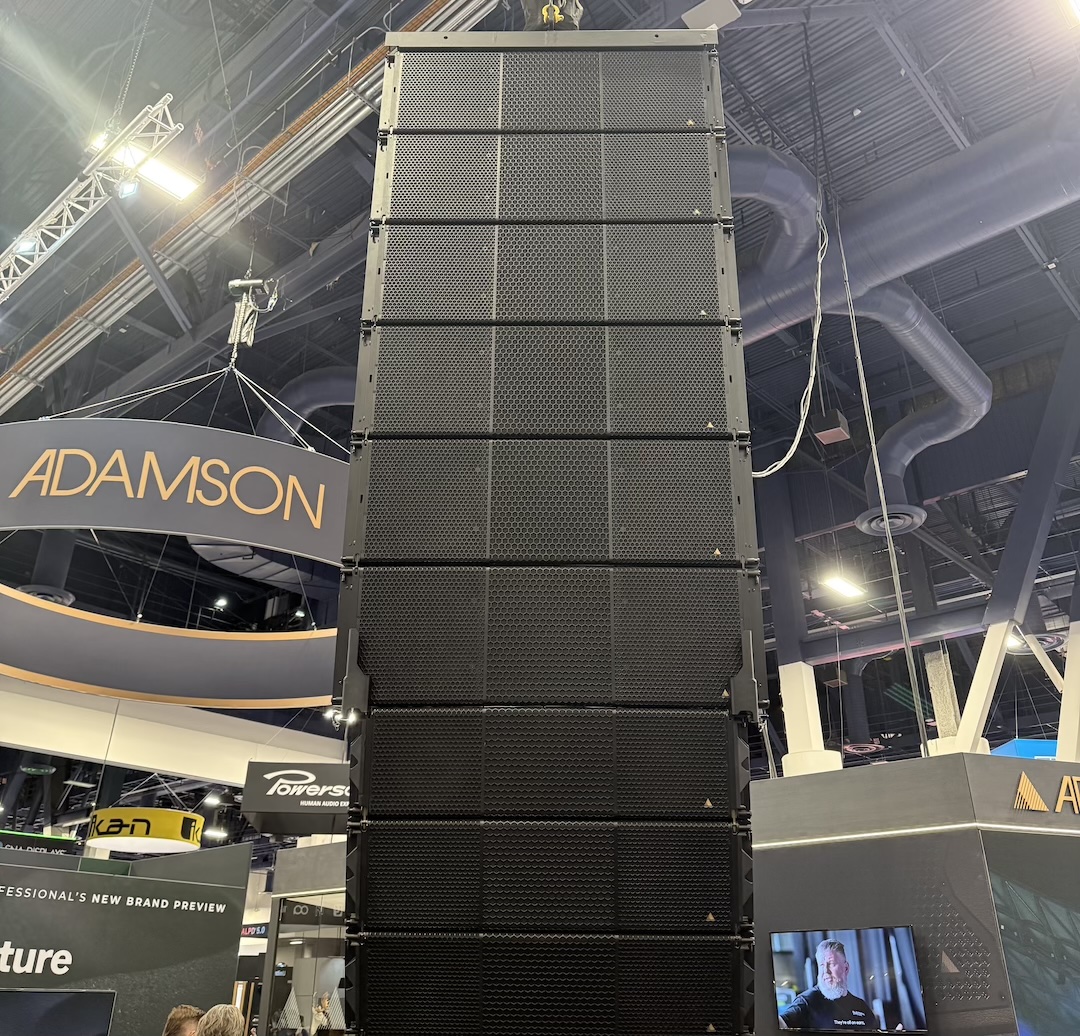
The first forty-eight hours were dominated by major hardware reveals. Adamson Systems Engineering set the tone with an exclusive first look at the VGx. As the most powerful addition to their Vergence Group, the VGx was positioned as the ultimate solution for festivals and stadiums. Engineers on the floor noted its ability to maintain consistent mid-range clarity over extreme distances—a perennial challenge for outdoor events.
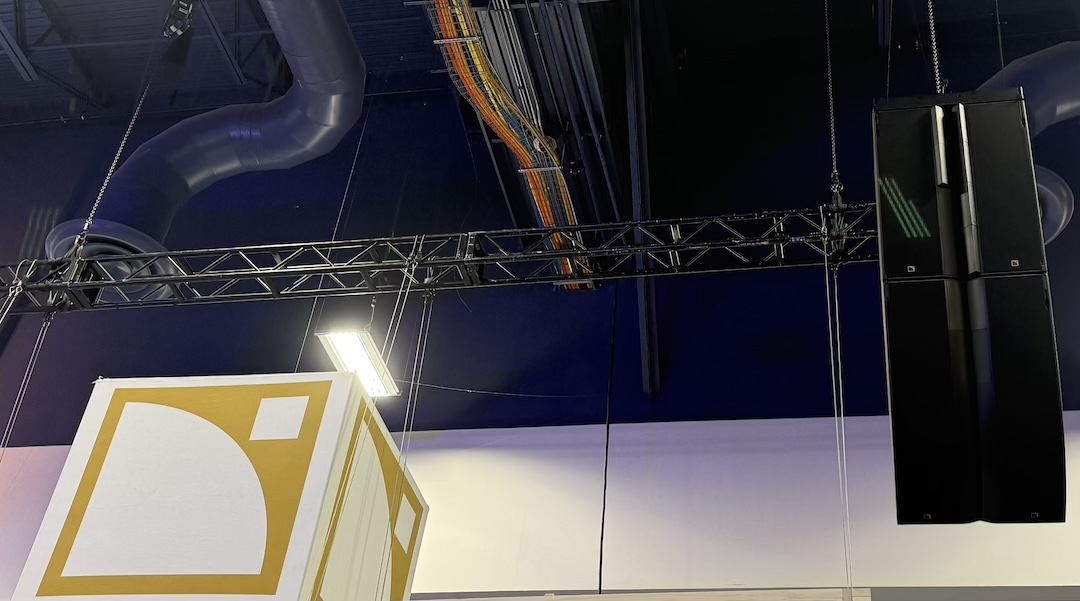
Simultaneously, the L-Acoustics booth drew massive crowds by looking upward. Their L1 System, featuring the L1 and L1D enclosures, was suspended high above the floor. The "acoustically identical" nature of these enclosures, which differ only in their progressive curvature, highlighted a trend toward simplified system design without sacrificing sonic precision.
Days 3 & 4: Precision, Portability, and the "Small Desk" Revolution
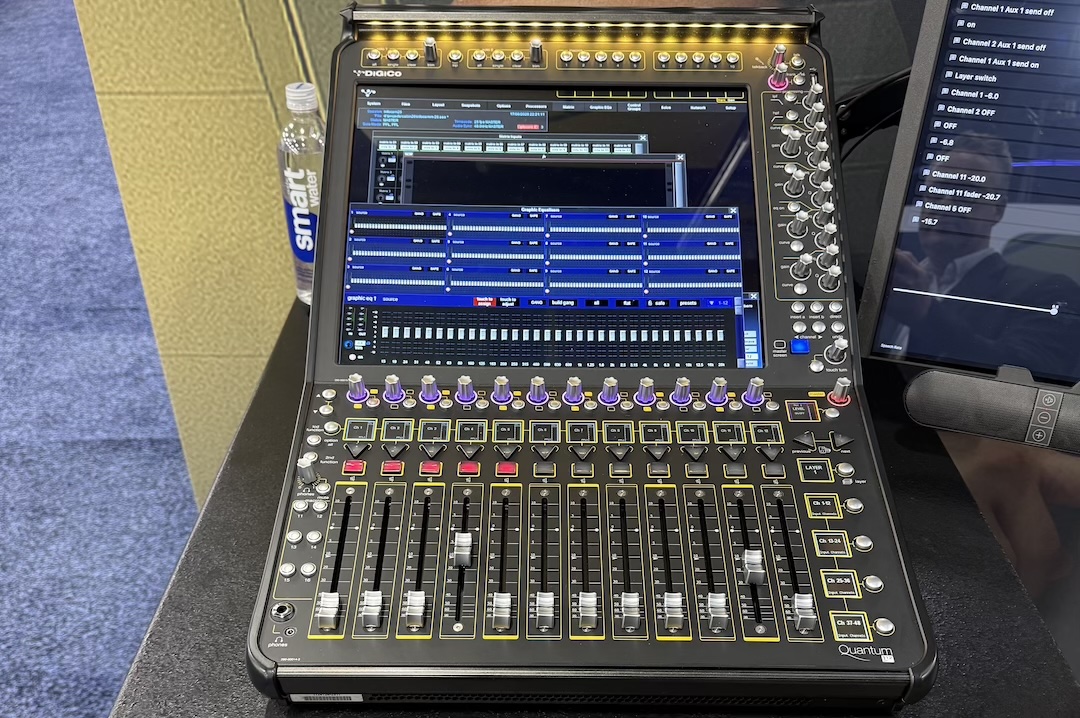
As the show progressed, the focus shifted toward the front-of-house (FOH) and monitor positions. The "Mix Best of Show" award-winner, the DiGiCo Quantum112, became the darling of the mid-sized touring circuit. Its "sweet and petite" footprint belied its massive processing power, proving that the days of needing a six-foot-wide desk for a complex show are rapidly coming to an end.
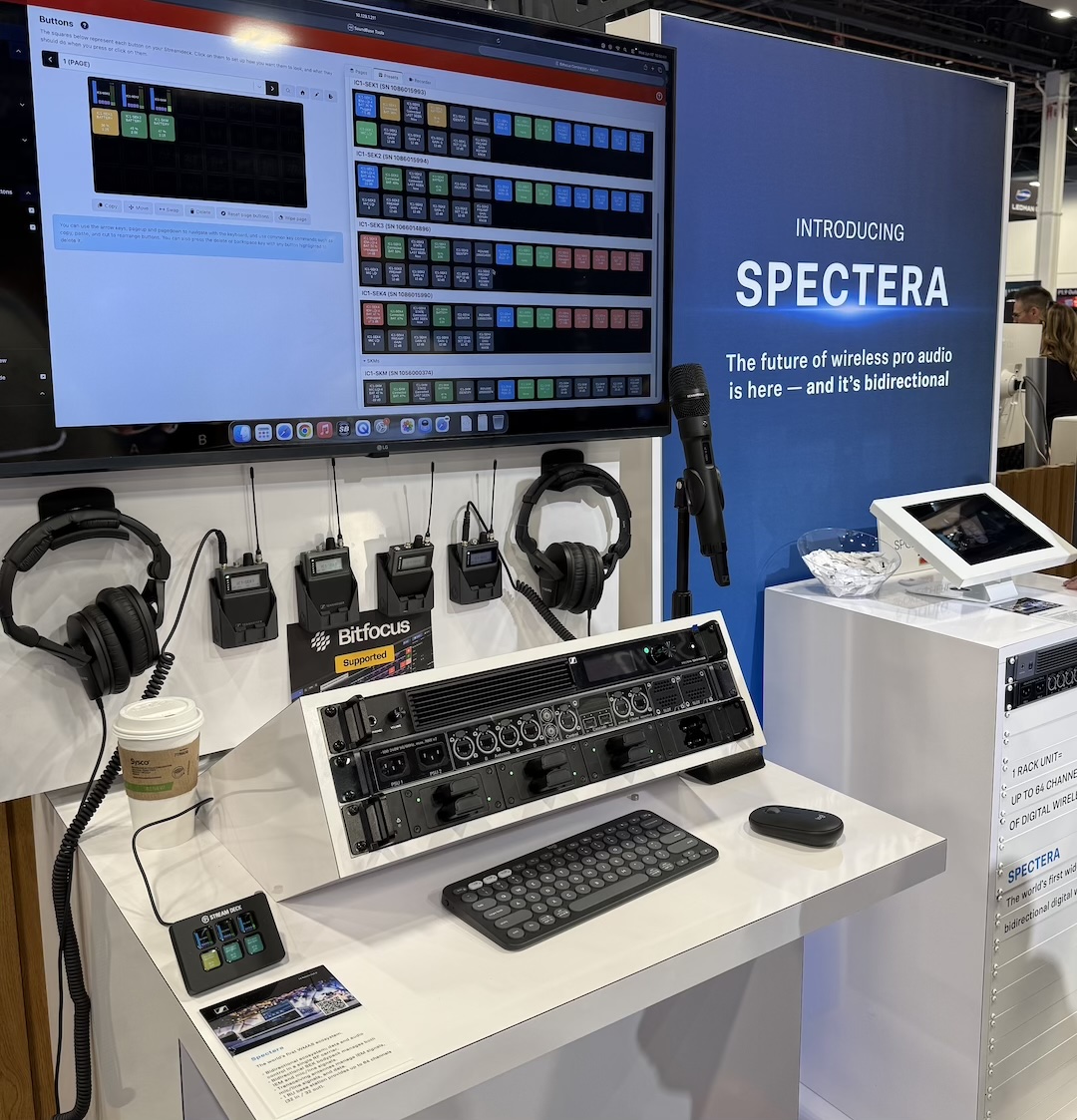
The latter half of the show also saw a resurgence of interest in wireless stability. Sennheiser’s booth remained a hub of activity as they demonstrated the Spectera bidirectional wireless system. In an era where the RF spectrum is increasingly crowded, the ability for a system to "talk back" to the technician in real-time is no longer a luxury—it is a necessity.
Supporting Data: Technical Deep Dives into Show Highlights
To understand the success of InfoComm 2026, one must look at the specific technical advancements that defined the exhibitors’ offerings.
Adamson VGx: The Stadium Standard
The VGx is engineered for high-SPL (Sound Pressure Level) environments. Its integration into the Vergence Group signifies Adamson’s move toward a more unified rigging and processing ecosystem. The system is designed to provide:
- Cohesive Mid-Range: Utilizing proprietary transducer technology to ensure vocals and instruments cut through the ambient noise of a 60,000-seat stadium.
- Low-End Action: While a line array, the VGx features impressive low-frequency extension, reducing the reliance on massive ground-stacked subwoofer arrays in certain configurations.
DiGiCo Quantum112: Power in Compact Form
The Quantum112 represents the pinnacle of DiGiCo’s "Quantum" processing. Despite its smaller frame, it utilizes the same FPGA (Field Programmable Gate Array) technology found in the flagship SD and Quantum consoles.
- Nodal Processing: Allows engineers to apply processing to any node on the console.
- Mustard and Spice Rack: Integrated boutique processing that eliminates the need for external plugin servers in many touring scenarios.
Sennheiser Spectera & SoundBase
Wireless technology is the "invisible" backbone of the industry. The Spectera system’s bidirectional nature allows for:
- Remote Management: Technicians can adjust settings on the transmitter (the beltpack) without ever touching the artist.
- Spectrum Efficiency: Advanced wideband technology that allows more channels to operate in a narrow frequency range.
- SoundBase Software: A unified platform for frequency coordination, moving away from the fragmented software solutions of the past.
Midas HD Neon16: The Mystery of the Floor
The Midas HD Neon16 remained a point of intense curiosity. Having been "sneak-peeked" at ISE (Integrated Systems Europe) the previous year, its appearance at InfoComm 2026 without a firm release date created a sense of "tech-anticipation." Its compact design suggests Midas is looking to compete directly in the high-end corporate and small-theater market, where space is at a premium but audio quality cannot be compromised.
Official Responses: Industry Sentiment
While the "official" word from the show floor was one of unbridled optimism, the subtext of the executive panels and press conferences was more nuanced.
AVIXA (The Audiovisual and Integrated Experience Association) representatives noted that the 2026 attendance figures surpassed the previous year’s, signaling a full recovery of the live events sector. "What we are seeing is a pivot toward ‘Smart AV,’" one representative stated during the opening keynote. "The industry isn’t just growing; it’s maturing. We are seeing more focus on sustainability, software longevity, and user experience than ever before."
Exhibitor Feedback:
Representatives from L-Acoustics emphasized the "educational" aspect of the show, noting that visitors were less interested in spec sheets and more interested in "workflow integration." Meanwhile, Planar spokespeople highlighted the "architectural convergence," noting that their LED arrays are being purchased not just for stages, but as permanent installations in corporate lobbies and luxury retail spaces.
Implications: The Future of AV Post-InfoComm 2026
The success of InfoComm 2026 carries several significant implications for the future of the industry:
1. The End of the "Big Box" Era
The popularity of the DiGiCo Quantum112 and the Midas HD Neon16 suggests a permanent shift toward miniaturization. As shipping costs rise and venue footprints shrink, the demand for "small-format, high-power" gear will only intensify.
2. Software as the Differentiator
The hardware on the floor was impressive, but the software—like Sennheiser’s SoundBase—is where the real battles are being fought. The ability to manage complex systems via a single, intuitive interface is becoming the primary selling point for high-end audio and visual ecosystems.
3. Visuals as Architecture
Planar’s "showstopping" LED arrays prove that video is no longer just a screen on a wall; it is a building material. We can expect future InfoComm shows to feature more "non-traditional" visual displays that wrap around columns, curve into ceilings, and interact with the physical environment.
4. Economic Resilience
Perhaps the most important takeaway is that the AV industry has become "recession-resistant." Despite the "economic climate of uncertainty" mentioned by organizers, the investment in high-quality AV remains a priority for corporations, educational institutions, and the entertainment sector. Experience, it seems, is a commodity that remains in high demand regardless of the broader economic weather.
As the crates were packed and the trucks rolled out of the Las Vegas Convention Center, the sentiment was clear: InfoComm 2026 was not just another trade show. It was a declaration that the AV industry is ready for whatever challenges—and opportunities—the next decade may bring.