Date: June 23, 2026
Industry: Semiconductor / Edge AI / Robotics
STMicroelectronics (NYSE: STM), a global leader in the semiconductor industry, has officially unveiled the VL53L9, a compact, all-in-one direct Time-of-Flight (dToF) 3D LiDAR module. This launch represents a significant leap forward in high-resolution sensing, designed specifically to meet the burgeoning demands of the Edge AI era. By consolidating advanced optical processing, power management, and high-resolution depth mapping into a single, calibration-free module, ST is positioning the VL53L9 as the new benchmark for applications ranging from autonomous robotics and industrial automation to sophisticated healthcare monitoring and augmented reality (AR/VR).
Main Facts: The VL53L9 at a Glance
The VL53L9 is not merely a sensor; it is a comprehensive, AI-ready sensing ecosystem housed in an exceptionally small form factor (12.8 mm x 6.1 mm x 4.6 mm). At its core, the device leverages ST’s proprietary stacked Back-Side Illuminated (BSI) Single-Photon Avalanche Diode (SPAD) sensor technology paired with innovative metasurface optical elements (MOE).
Key Performance Specifications:
- Resolution: 2,268 zones (54 x 42), providing granular 3D depth mapping.
- Field of View (FoV): 54° x 42°, ensuring broad situational awareness.
- Operating Range: From less than 5 cm up to 9 meters.
- Precision: Up to 1% accuracy across the entire range.
- Frame Rate: Capable of outputting depth data at 100 frames per second (fps).
- Connectivity: Supports MIPI and I3C interfaces, ensuring seamless integration with modern CPU architectures.
The module’s most disruptive feature is its "all-in-one" architecture. By integrating on-chip dToF processing and power management, ST has effectively offloaded the heavy lifting from the host system, allowing even small, low-compute microcontrollers (MCUs) to execute complex AI inference tasks.
Chronology: The Evolution of FlightSense™
The journey to the VL53L9 is rooted in ST’s long-standing FlightSense™ technology. Over the past decade, ST has systematically moved from simple distance measurement to sophisticated 3D spatial awareness.
- Early Development (2014-2018): ST introduced the first generation of FlightSense™ sensors, which revolutionized smartphone proximity detection. These early iterations were focused on simple 1D ranging.
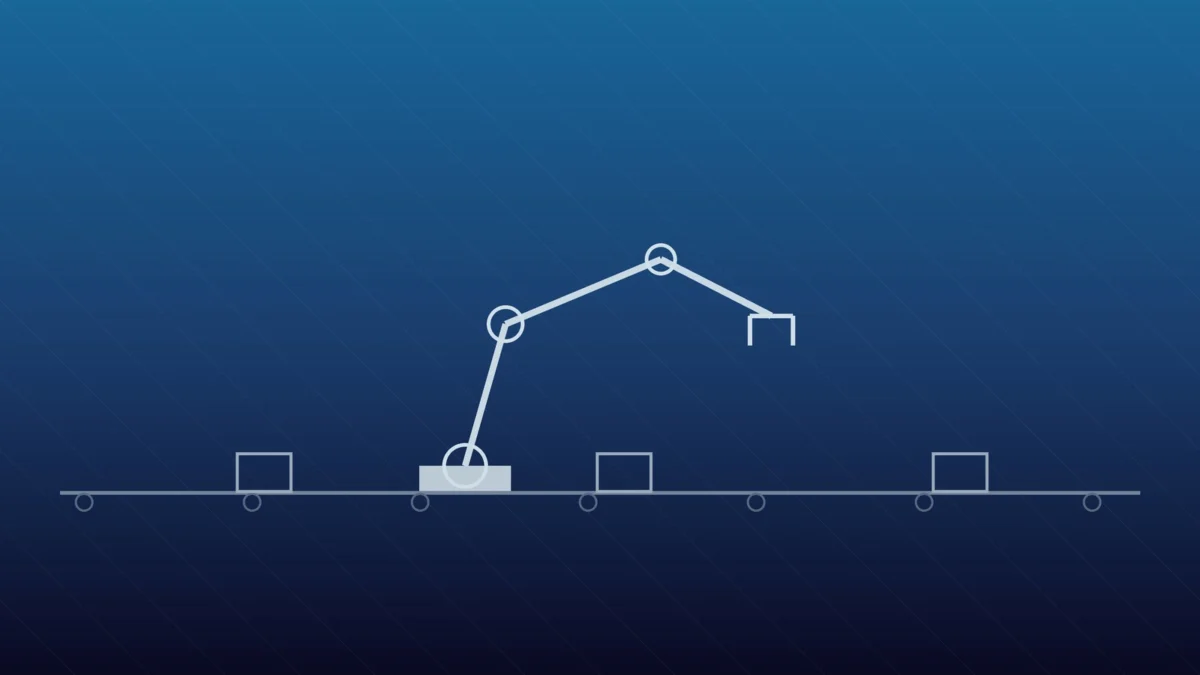
- The Multi-Zone Transition (2019-2022): ST shifted its strategy to multi-zone dToF, allowing sensors to "see" multiple objects within a single frame. This paved the way for industrial use cases, including collision avoidance in warehouse robots.
- Integration and Edge AI (2023-2025): Recognizing that external processing was a bottleneck for small-form-factor devices, ST began work on integrating processing directly onto the sensor silicon.
- The Launch of VL53L9 (June 2026): This represents the culmination of these efforts. The VL53L9 is the first module to successfully marry high-resolution 3D mapping with low-compute AI readiness, effectively democratizing professional-grade sensing for mass-market consumer and industrial electronics.
Supporting Data: Why Resolution and Frame Rates Matter
In the realm of 3D sensing, the transition from "seeing" to "understanding" depends entirely on data density. The VL53L9’s 2,268 resolution zones provide the spatial fidelity required for edge-based object recognition.
Reducing Motion Artifacts via Dual-Scan Flood Illumination
Traditional LiDAR systems often rely on dot-scanning, which can introduce "dead zones" and ghosting effects when objects move quickly through the field of view. The VL53L9 utilizes dual-scan flood illumination. By illuminating the entire scene simultaneously rather than point-by-point, the module eliminates motion artifacts. This allows the sensor to capture high-fidelity 2D infrared images alongside 3D depth maps, providing a comprehensive data stream for AI models.
Efficiency for the Edge
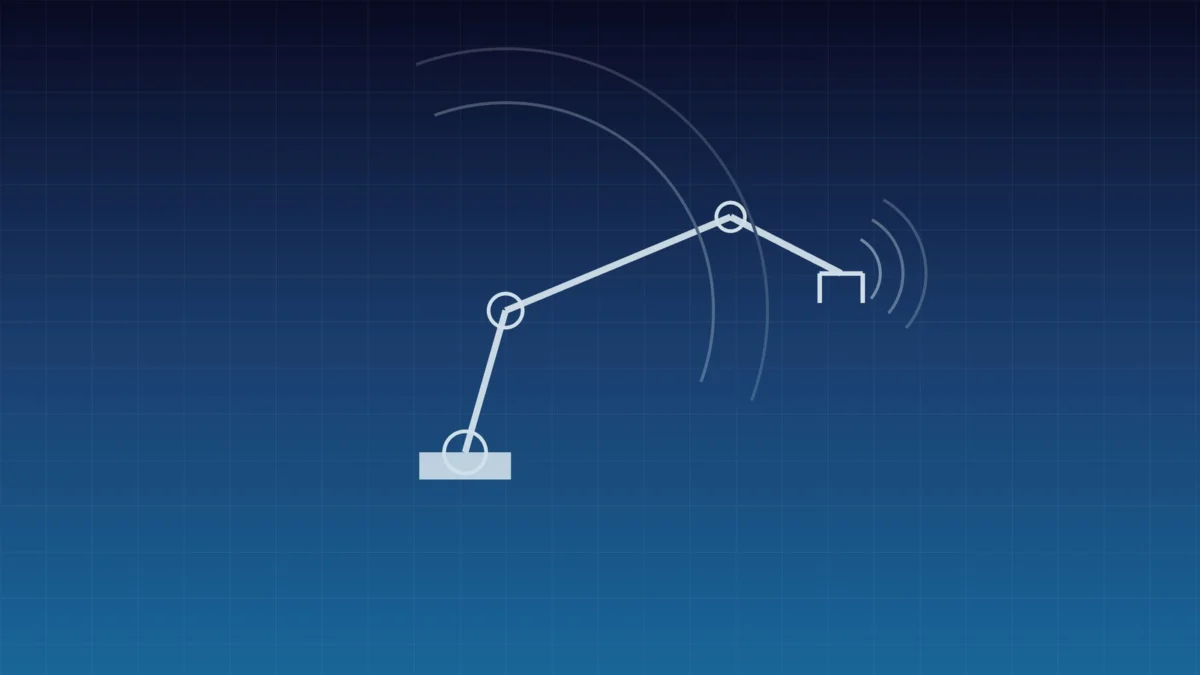
The integration of on-chip processing is a critical design choice. In most current-generation robotics, the sensor sends raw data to a high-power processor, which then performs depth map calculations—a process that drains batteries and increases latency. With the VL53L9, the sensor handles the heavy computations locally. This architecture allows a small MCU to interpret the environment without needing to perform massive matrix transformations, thus enabling battery-operated devices to remain "intelligent" for extended periods.
Official Responses and Industry Outlook
The launch has drawn significant attention from industry analysts and company leadership, emphasizing the strategic shift toward integrated sensing systems.
STMicroelectronics’ Perspective
Alexandre Balmefrezol, Executive Vice President and General Manager of the Imaging Sub-Group at STMicroelectronics, noted that the VL53L9 is a direct response to the market’s need for simplified integration. "VL53L9 demonstrates how far Time-of-Flight sensing has evolved," Balmefrezol stated. "By combining high-resolution depth data with a fully integrated architecture, we are removing the friction that typically slows down product development cycles in robotics, smart infrastructure, and healthcare."
The Analyst View: Yole Group
Anas Chalak, Market & Technology Analyst at Yole Group, provided context on the broader market shift. "3D sensing demand is accelerating across robotics, industrial automation, and XR," Chalak observed. "Time-of-Flight technology is expanding beyond the smartphone into applications that require compact, affordable, and precise depth perception. The emergence of high-resolution multizone dToF modules like the VL53L9 is a key enabler for the next wave of 3D sensing adoption, particularly in areas like safety, gesture recognition, and navigation."
Implications: A New Horizon for Edge AI
The release of the VL53L9 will have profound implications across several sectors, effectively lowering the barrier to entry for intelligent 3D sensing.
1. Robotics and Autonomous Navigation
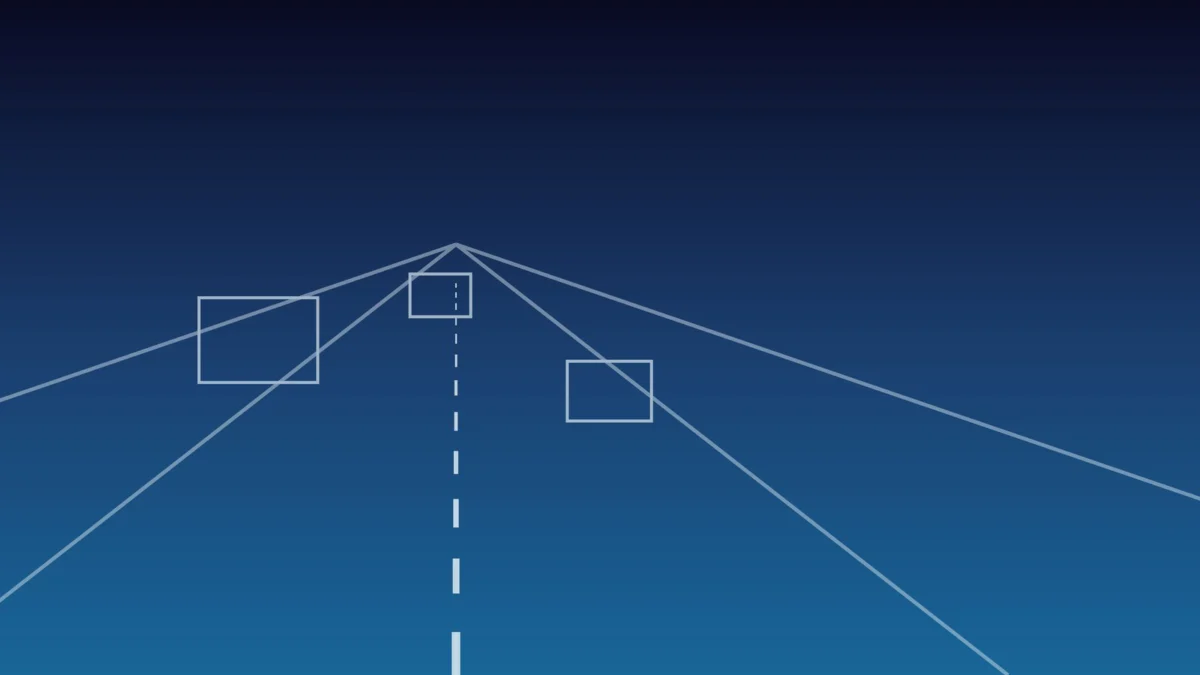
For domestic robots (such as autonomous vacuums or delivery units), the VL53L9 provides the resolution needed to identify small hazards—cables on the floor, pet toys, or stairs—that were previously invisible to lower-resolution sensors. Because the module is calibration-free, manufacturers can integrate it without complex factory-line tuning, significantly reducing time-to-market.
2. Smart Buildings and Safety
In commercial infrastructure, the VL53L9 can be deployed for people counting, occupancy sensing, and security. Because it captures depth without using high-resolution optical video, it provides a "privacy-first" alternative to traditional cameras, offering detailed spatial data without capturing personally identifiable information (PII).
3. Healthcare and Ambient Assisted Living
The ability to detect contours and movement at 100 fps allows the VL53L9 to be used for non-intrusive patient monitoring. It can detect falls in a room or monitor respiratory patterns in a bed-bound patient, providing critical data to caregivers while respecting the patient’s privacy.
4. AR/VR and Consumer Devices
As the industry moves toward more immersive XR (Extended Reality) experiences, the demand for precise gesture recognition and environmental mapping will skyrocket. The VL53L9’s compact size makes it ideal for integration into lightweight headsets or smart glasses, where space and power are at a premium.
Conclusion: Setting the Standard
The STMicroelectronics VL53L9 is more than just a hardware upgrade; it is a strategic shift in how developers approach 3D sensing. By providing an all-in-one solution that delivers refined, AI-ready data, ST is addressing the most significant pain points in the electronics industry: complexity, power consumption, and processing overhead.
As Edge AI continues to transition from a buzzword to a functional reality, components like the VL53L9 will serve as the eyes for the next generation of intelligent devices. With its combination of precision, compact form factor, and ease of use, STMicroelectronics has effectively raised the bar for what is expected of modern LiDAR modules. As the industry begins to adopt this technology, we can expect to see a rapid proliferation of "smarter" devices capable of navigating and interacting with the physical world with unprecedented accuracy.
(1) Reference: Based on Yole Group’s 2026 report on the adoption rates of 3D sensing in consumer and industrial markets.