In the world of high-fidelity audio, the term "mastered" is often conflated with "finalized." However, a groundbreaking initiative by NativeDSD is challenging the industry’s status quo, revealing that the very process intended to polish music for the marketplace often strips it of its original vitality. By returning to the raw, unmastered final mixes of Harris Eisenstadt’s celebrated Canada Day series—Canada Day II, III, and IV—NativeDSD is offering audiophiles an unprecedented look at what actually transpired in the studio, free from the constraints of commercial compression and limiting.
The "Unmastered" Philosophy: Why the Final Mix Matters
To understand the significance of these releases, one must first distinguish between the two distinct arts of studio production: mixing and mastering.
In a multichannel acoustic jazz recording, the mixing stage is the primary creative process. The engineer and the producer work to establish the spatial relationships between instruments, defining the "soundstage"—the virtual room where the listener perceives the musicians. The goal is to recreate the balance and the natural acoustic footprint of the venue. In theory, a final mix is the most accurate representation of the musical performance.

Mastering, conversely, is a technical bridge designed for the consumer. Historically, mastering engineers have been tasked with preparing audio for specific media—vinyl, CD, or streaming. This often involves "peak limiting" and "gain staging" to increase perceived loudness. In the era of the "loudness wars," this meant compressing the dynamic range to ensure a track could compete on radio or in noisy listening environments.
For the audiophile, this process is often a detriment. When a high-resolution file is subjected to the same aggressive limiting used for a standard CD, the natural "breath" of the performance—the quietest whispers and the most explosive transients—is sacrificed. By bypassing this stage, NativeDSD is providing listeners with the purest possible capture of the original studio session.
The Discovery: A Technical Necessity Leads to an Artistic Revelation
The journey toward these "Unmastered Editions" began with a technical hurdle. While reviewing the Songlines Recordings album Canada Day III, NativeDSD’s mastering engineer, Tom Caulfield, discovered that the original release had been pushed to the limits of digital headroom, with peak limiting hitting or nearing 0dB. This level of processing made the files technically unsuitable for high-rate DSD (Direct Stream Digital) conversion, a format that demands the highest level of dynamic transparency.

This prompted a collaborative search for the original, unmastered final mixes. Working closely with Songlines label owner Tony Reif, the team compared these raw files against the commercially released versions. The difference was stark. The unmastered tracks exhibited significantly wider dynamic range, enhanced soundstage depth, and, perhaps most importantly, a more truthful timbre. These were not just "better" sounding tracks; they were, in essence, the "truth" of the session.
Chronology of a Masterpiece: The Canada Day Series
Harris Eisenstadt’s Canada Day series represents a pinnacle of contemporary post-bop, bridging the gap between structural complexity and improvisational freedom.
Canada Day II: The Foundation
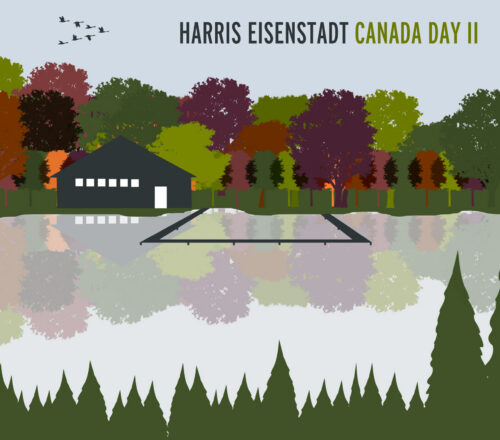
Released during a period where Eisenstadt was cementing his identity as a bandleader, Canada Day II is a study in the intersection of freedom and composition. In a 2011 interview, Eisenstadt noted, "No matter how detailed my scores are, the strength and vibrancy of the music comes from the band finding its collective voice." With a lineup reminiscent of classic Blue Note quintets, the album incorporates Eisenstadt’s MFA background in African American music and traditional African percussion, resulting in a rhythmic buoyancy that defines the series. Tracks like "To Seventeen" and "To Be" showcase a band in perfect sync, with Nate Wooley’s trumpet and Matt Bauder’s tenor sax creating a dialogue that feels both ancient and modern.
Canada Day III: The Evolution
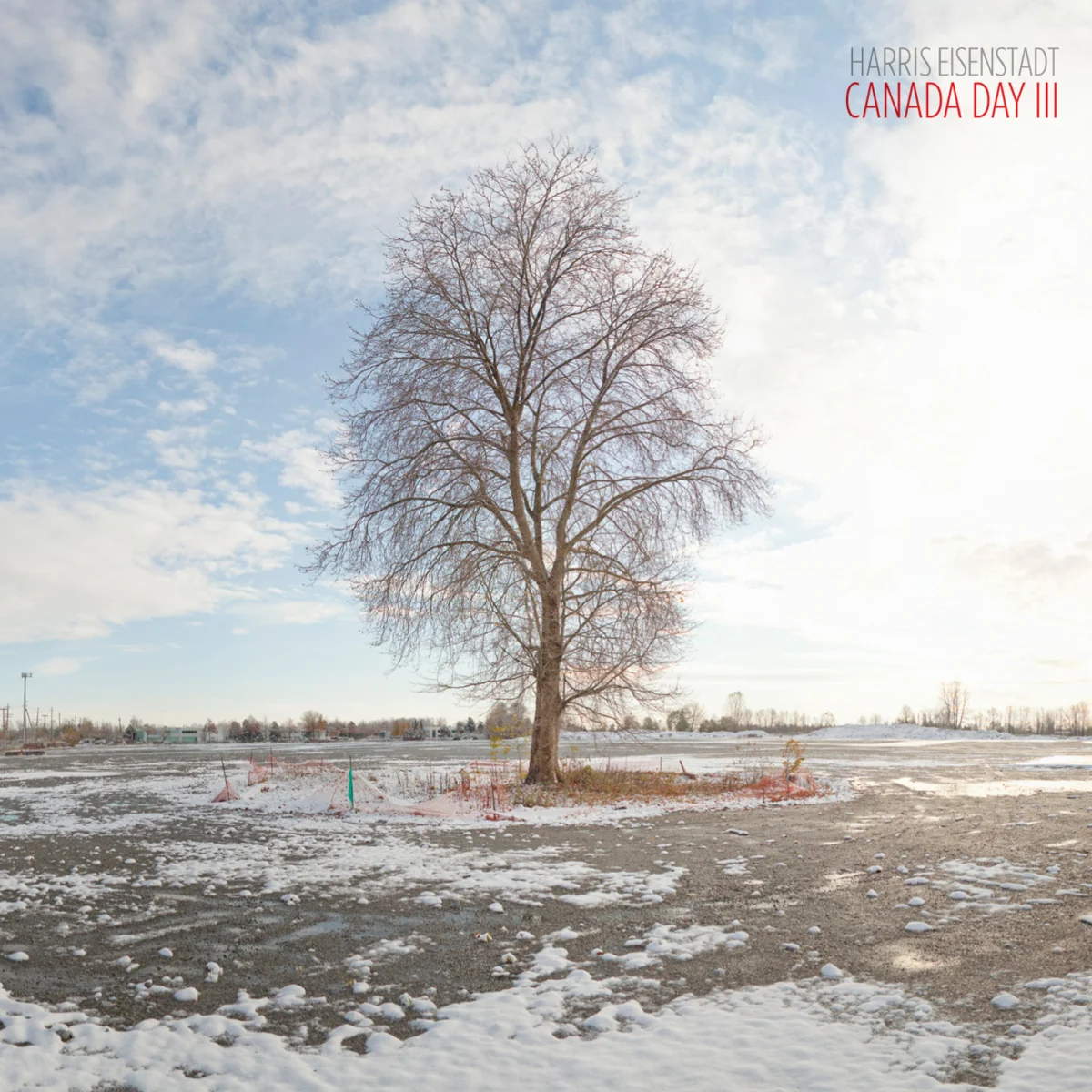
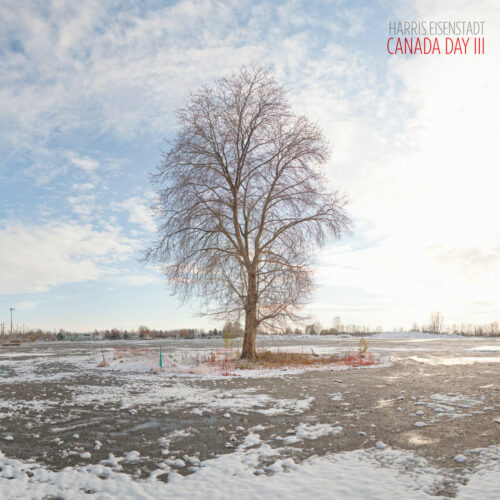
By the time the group entered Water Music Recorders for Canada Day III, they had become a cohesive unit. The addition of bassist Garth Stevens provided a new gravitational center for the music. This album saw the band moving further into modernist territory, utilizing "head arrangements" that functioned as launchpads for collective improvisation. The unmastered edition captures the air around the cymbals and the decay of vibraphonist Chris Dingman’s chords with a realism that the original 2011 CD release could not achieve. It is a masterclass in ensemble interaction, now heard with the transparency of its original recording resolution.
Canada Day IV: The Freedom
The final installment of the series, Canada Day IV, pushed the boundaries even further. Recorded in 24/192 at the legendary Water Music Recorders in Hoboken, New Jersey, the album documents a band that had reached a level of mutual trust where they could navigate "freer" territory. With the arrival of bassist Pascal Niggenkemper, the rhythmic pulse became more elastic, allowing the front line to stretch notes and timbres into "anguished monologues" and "serpentine" melodies. It stands as a profound testament to the studio’s legacy, as it was one of the final major jazz projects to be recorded at the facility before it closed.
Implications for the Audiophile Community
The release of these unmastered bundles has profound implications for how we consume music. It suggests that for decades, we have been listening to a "filtered" version of history.
- Restoration of Dynamics: By removing the "brick-wall" limiting required for CD-era commercial standards, these recordings allow the listener to experience the full force of a drummer’s strike or the delicate sustain of a vibraphone note exactly as it was captured by the microphone.
- True Preservation: These editions act as a digital archive. By preserving the music in its native resolution—and offering it in high-rate DSD—NativeDSD is ensuring that these performances are not subject to the degradation of legacy mastering techniques.
- The "Room" Experience: The unmastered versions provide a superior sense of space. The "air" in the recording, often suppressed by mastering compression, is now front and center, allowing listeners to better perceive the physical dimensions of the studio.
A Legacy Preserved
The collaboration between Harris Eisenstadt, Songlines Recordings, and NativeDSD is more than just a reissue campaign; it is an act of sonic stewardship. As studio environments like Water Music Recorders vanish and the original analog-to-digital capture files are often buried in deep storage, the risk of losing the "real" sound of these sessions is high.
For the serious listener, the Canada Day Unmastered Editions offer a rare opportunity to bypass the "market-ready" veneer and encounter the raw, living, and breathing artistry of one of the most important jazz ensembles of the early 21st century. By choosing to release these files, the label and the mastering team have placed their faith in the listener’s ability to appreciate detail, nuance, and the unadorned truth of a musical performance.
In the final analysis, these albums are a reminder that the best music doesn’t need to be "squeezed" to be heard. It simply needs to be heard as it was played. Through this project, the Canada Day series has been restored to its rightful place as a high-fidelity reference, inviting a new generation of audiophiles to step into the studio and experience the music exactly as the composer intended.