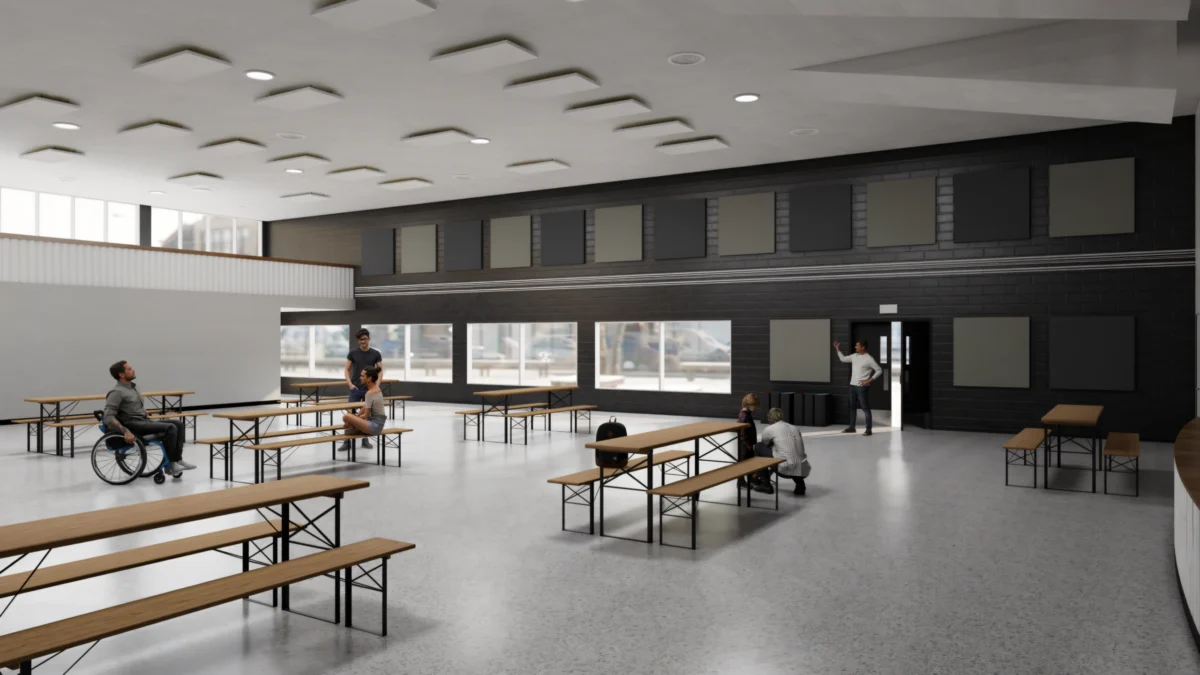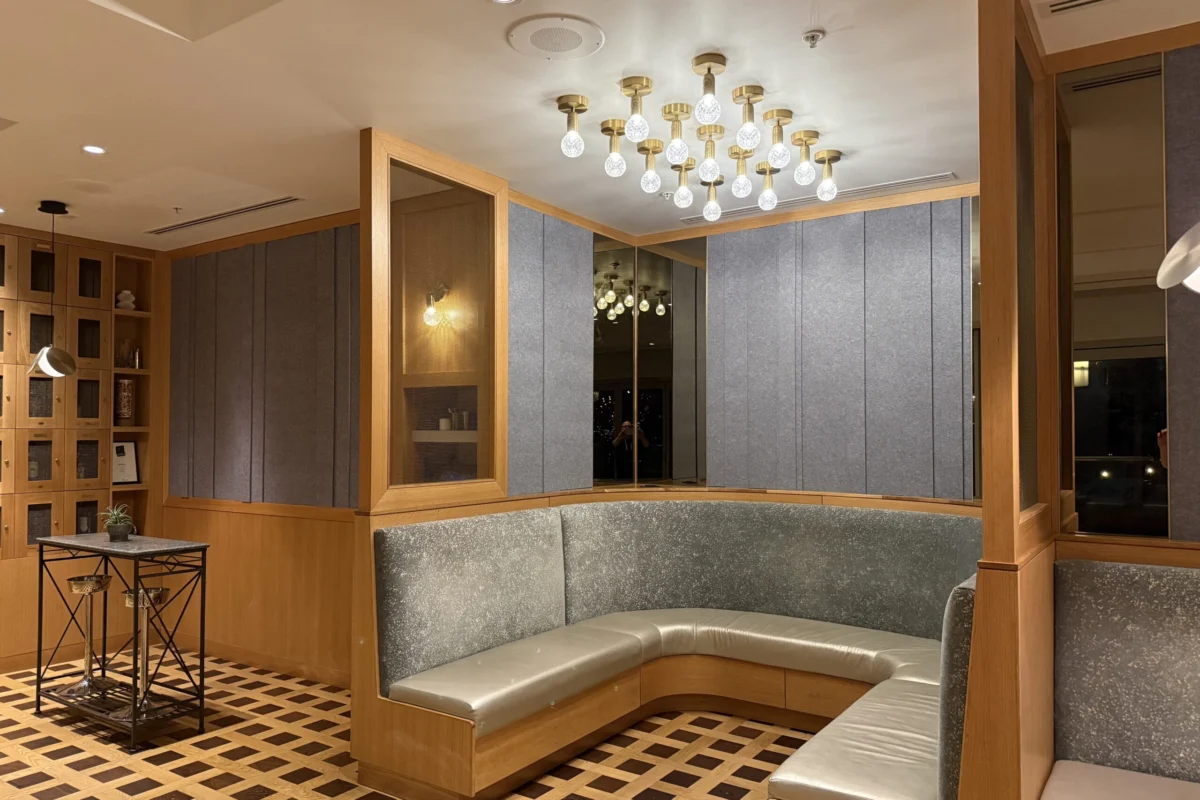
In the modern built environment, we often prioritize visual aesthetics—open floor plans, industrial exposed ceilings, and floor-to-ceiling glass—at the expense of our most critical sensory input: sound. In busy corporate offices, high-traffic hospitality venues, and bustling shared spaces, poor speech intelligibility is more than a mere annoyance; it is a fundamental design failure that erodes comfort, hampers productivity, and increases mental fatigue.
As noise pollution becomes a growing concern in architecture, industry experts are shifting their focus to the most overlooked surface in the room: the ceiling. By addressing uncontrolled acoustic reflections at the source, designers are discovering that the "ceiling-first" approach is the most efficient, least invasive, and most aesthetically versatile method to reclaim the clarity of our shared spaces.
Main Facts: The Science of Sound and Clarity
The central misconception in acoustic design is the belief that volume is the enemy. In reality, the culprit is almost always reflection. When sound waves collide with hard, parallel surfaces—such as concrete floors and plaster ceilings—they bounce back into the room. These reflections arrive at the listener’s ear milliseconds after the original, direct sound.

This delay causes "smearing," where individual syllables blur into a muddy, indecipherable hum. This is why turning up the volume on a sound system rarely improves communication; it simply increases the energy of the reflections, further obscuring the detail and exacerbating the listener’s cognitive load.
Cognitive Load and the Cost of Effort
Understanding speech is a highly complex cognitive task. In an untreated room, the brain must constantly work to separate target speech from background noise and delayed reflections. This "listening effort" is a silent drain on productivity. In a workplace, this manifests as reduced focus and increased errors; in a restaurant or public space, it leads to the "Lombard Effect," where occupants subconsciously raise their voices to be heard, creating a feedback loop of escalating noise that makes the environment physically exhausting.
Chronology: The Evolution of Acoustic Integration
For decades, acoustic treatment was relegated to "afterthought" status. Historically, engineers would wait until a space was fully constructed, observe the echo, and then scramble to install unsightly foam or heavy, bulky panels.

- Early 20th Century: Sound control was largely achieved through heavy drapery, carpeting, and porous plaster—methods that were difficult to clean and limited in design versatility.
- The 1980s–2000s: The rise of "drop ceilings" with standard mineral fiber tiles provided a functional, if visually monotonous, solution. However, as the trend toward exposed, industrial architecture took hold, these tiles were ripped out, leaving behind reflective concrete or metal slabs.
- The Modern Era (2020–Present): With the shift toward hybrid workplaces and biophilic design, there is a renewed demand for high-performance acoustic solutions that don’t look like "studio equipment." Modern materials, such as high-density polyethylene terephthalate (PET) felt, have revolutionized the industry, allowing for structural, sculptural, and sustainable acoustic solutions that serve as architectural features rather than industrial add-ons.
Supporting Data: Why the Ceiling is the Critical Surface
Why focus on the ceiling? The logic is rooted in both physics and spatial planning.
- The Largest Uninterrupted Surface: In almost any room, the ceiling is the largest plane available for treatment. While walls are often broken up by windows, doors, digital displays, and branding elements, the ceiling remains an open canvas.
- Early Reflection Control: The ceiling is the primary source of the "early reflections" that interfere most aggressively with speech intelligibility. By absorbing these at the source, you stop the sound energy from bouncing to the walls and floors, effectively "cleaning" the room’s entire acoustic profile.
- Low vs. High Ceilings:
- High Ceilings: In cavernous spaces, sound energy travels over long distances, creating long, persistent reverberation times. Baffles are essential here to break up the volume of air and trap sound before it can echo.
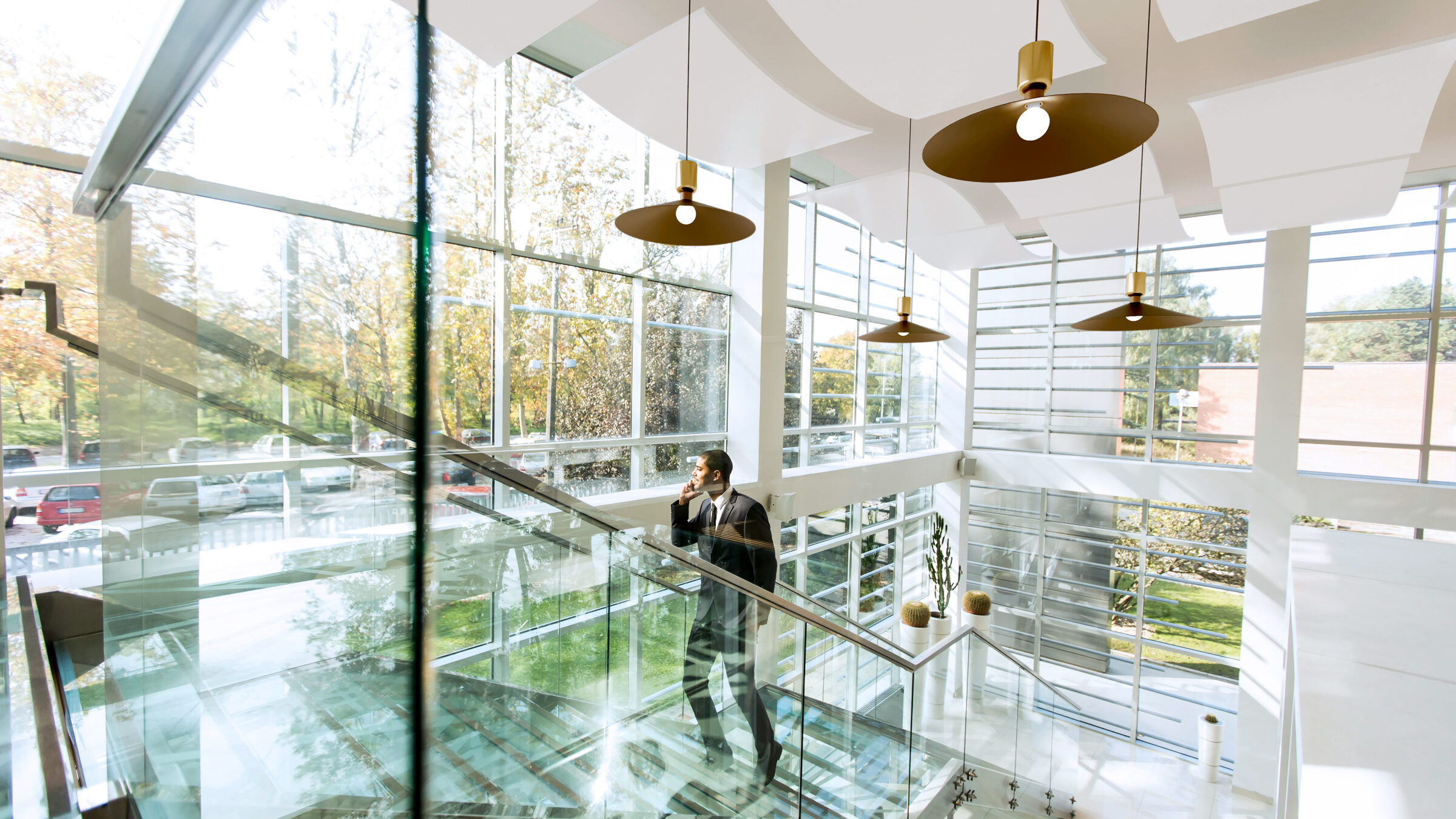
- Low Ceilings: In tighter quarters, reflections are almost instantaneous, leading to standing waves and low-frequency buildup. Here, blades and thinner panels are critical to preventing that "boxed-in", pressured feeling that occurs when sound has nowhere to be absorbed.
Official Perspectives: Balancing Performance and Aesthetics
Leading manufacturers like Primacoustic have pioneered the use of EcoScapes to address these challenges. The industry consensus is clear: acoustic treatment must be "design-forward."
"We are no longer in an era where functional and beautiful are mutually exclusive," says an industry spokesperson. "Architects demand solutions that provide ‘rhythm’ to a room. Whether it is through the use of Blades, which can be arranged to mimic waves or provide clean, linear architectural lines, or Dimensional Baffles that hang like sculptures, the goal is to enhance the space’s geometry, not hide it."

The Material Shift
The move toward post-consumer PET felt has been a game-changer. These materials are not only sustainable, contributing to LEED and WELL certification points, but they are also:
- VOC-Free: No formaldehyde or harmful glues.
- Durable: They resist discoloration and physical wear, making them ideal for high-traffic environments.
- Versatile: They can be printed, colored, or cut into custom shapes to align with corporate branding or interior design palettes.
Implications: Designing for Human Comfort
The shift toward intentional ceiling acoustics has profound implications for how we use space in the future.
Enhanced Productivity
In the office, acoustic control is a direct driver of ROI. Studies have shown that employees in quiet, acoustically balanced environments demonstrate higher levels of concentration and lower levels of stress-related absenteeism. By installing ceiling-mounted blades or baffles, firms can create "zones" of quiet without needing to build permanent walls, maintaining the benefits of an open-plan layout while mitigating its acoustic drawbacks.
Accessibility and Inclusion
From an inclusivity standpoint, high-quality acoustics are a necessity, not a luxury. For individuals with hearing impairments or those using hearing aids, high-reverberation spaces are essentially inaccessible. Clear speech intelligibility is a baseline requirement for equitable participation in meetings, dining, and public discourse.
Future-Proofing Hospitality
Restaurants and venues that ignore acoustics are seeing the long-term impact on customer retention. A space that is too loud creates a "one-and-done" experience. By treating the ceiling, owners can create an environment where conversation flows effortlessly, encouraging longer stays and repeat business.
Conclusion: The "Ceiling-First" Philosophy
The evidence is overwhelming: if you want to optimize a room for human use, you must look up. By integrating acoustic treatments into the initial ceiling design, architects and facility managers can resolve the most complex sound issues before they ever become a problem.

Whether utilizing EcoScapes Blades to add architectural texture to a lower ceiling or deploying Dimensional Baffles to anchor a massive, high-ceilinged atrium, the "ceiling-first" approach provides a scalable, sustainable, and visually stunning solution.
As we move forward, the definition of a "well-designed space" will increasingly depend on its auditory signature. The environments of tomorrow will be defined not just by how they look, but by how they support the human voice—the most essential tool we have for collaboration, community, and connection.
Are you ready to transform your space?
Acoustic comfort is the invisible backbone of successful design. To learn more about how ceiling-first sound control can enhance your facility, visit Primacoustic.com to explore our range of EcoScape solutions or to book a consultation with our acoustic experts. Let’s create a space that doesn’t just look good—it sounds perfect.