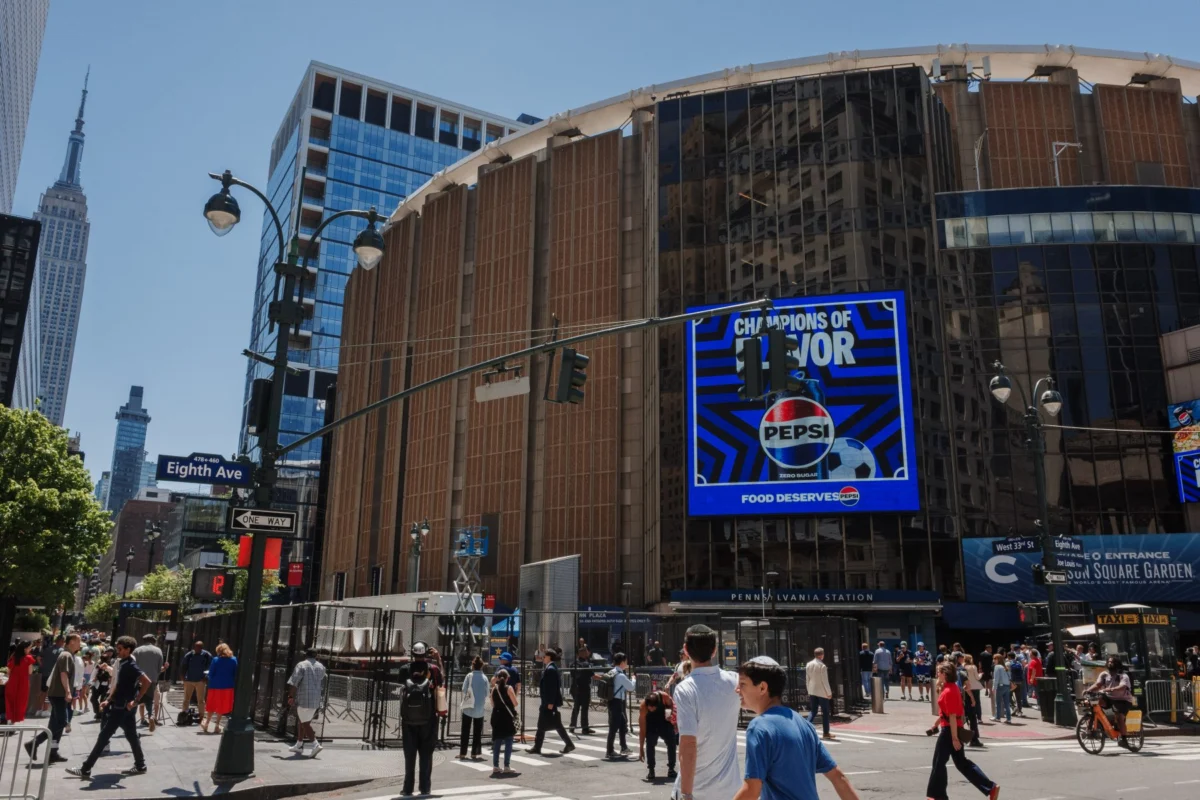
In a significant escalation of the ongoing conflict between cybersecurity experts and malicious hacker collectives, Madison Square Garden (MSG) Entertainment finds itself at the center of a sprawling legal battle. Following an alleged data breach orchestrated by the notorious hacker group ShinyHunters, several consumer class-action lawsuits have been filed, accusing the entertainment giant of gross negligence and a failure to protect the sensitive personal data of its patrons.
The incident, which has sent shockwaves through the New York entertainment landscape, involves the exposure of approximately 26 million records. As the legal community begins to dissect the implications of this breach, the focus has turned toward the intersection of high-profile event security, the collection of invasive biometric data, and the corporate responsibility of firms managing massive customer databases.
The Genesis of the Breach: Chronology of the Attack
The saga began to unfold in mid-June 2026, when the technology-focused outlet 404 Media broke the news that MSG Entertainment—the operator of world-renowned venues including Madison Square Garden, the Chicago Theatre, Radio City Music Hall, and The Beacon Theatre—had been compromised.
The Timeline of Exposure:
- Early June 2026: Unauthorized actors, later identified as the group ShinyHunters, reportedly gained access to the internal network infrastructure of MSG Entertainment.
- The Ransom Demand: Following the exfiltration of sensitive data, the hackers issued a ransom demand to the company, threatening to leak the information publicly if their financial requirements were not met.
- June 16, 2026: MSG Entertainment allegedly refused to engage with the attackers or pay the ransom. In retaliation, ShinyHunters published 42 gigabytes of stolen data, providing a direct link to the records online.
- June 17–18, 2026: In the immediate wake of the public disclosure, three separate class-action lawsuits were filed against MSG Entertainment by affected patrons, marking the beginning of what is expected to be a protracted legal struggle.
The speed at which the legal filings followed the breach highlights the growing impatience of consumers regarding corporate cybersecurity practices. Plaintiffs are not merely seeking damages; they are challenging the foundational data-gathering habits of one of the world’s most prominent entertainment conglomerates.
Supporting Data: The "Threat Assessment" Controversy
At the heart of the litigation is the nature of the data that was stolen. The breach was not limited to standard account information like names, email addresses, or transaction histories. Reports indicate that the leaked files contained comprehensive "threat assessment profiles" of venue visitors.
The Nature of the Stolen Information:
According to the legal complaints, the stolen data included:
- Personal Identification: Full names, contact information, and demographic markers.
- Behavioral Risk Profiling: The documents allegedly categorized attendees based on their perceived "risk" level to the venue’s operations.
- High-Profile Targets: The leak contained specific documentation regarding celebrity attendees, including, according to the lawsuit, actor and Knicks superfan Ben Stiller—who was categorized as "low risk"—and rapper A Boogie Wit da Hoodie, who was notably flagged as "high risk."
The inclusion of these profiles has caused significant public outcry. Legal experts argue that the existence of such databases suggests that MSG Entertainment was not merely storing customer data for ticket processing or marketing, but was actively engaged in monitoring and evaluating the individuals who walked through their doors.

Corporate Negligence and the Cybersecurity Standard
The lawsuits filed by the affected patrons argue that MSG Entertainment failed to implement industry-standard cybersecurity measures, leaving themselves—and by extension, their customers—vulnerable to a foreseeable attack.
The plaintiffs assert that any entity holding the data of millions of people has a fiduciary and moral duty to encrypt, silo, and defend that information with the highest level of scrutiny. The complaint filed on behalf of Carlos Avalos, a concertgoer who visited an MSG venue in 2025, characterizes the company’s actions as a "recidivist disregard for consumer privacy."
The Facial Recognition Factor
The litigation also points toward the controversial history of MSG Entertainment regarding data collection. The company has previously faced intense scrutiny for its use of facial recognition technology at its entrances. By using this technology to screen visitors, the company was arguably incentivizing the collection and storage of even more sensitive, immutable biometric data.
The plaintiffs argue that the company cannot demand that customers provide such invasive data for "security purposes" while simultaneously failing to maintain the basic cybersecurity architecture required to protect that very data from falling into the hands of criminal syndicates like ShinyHunters.
Official Responses and the Silence from the Top
As of late June 2026, the silence from MSG Entertainment’s executive suite has been deafening. Despite the public nature of the breach and the subsequent legal filings, the company has not issued a comprehensive statement or a clear disclosure regarding the exact number of individuals impacted or the specific types of data compromised.
Reps for the company have not yet returned requests for comment, a strategy that has drawn criticism from privacy advocates and legal experts alike. In the modern era of data transparency, corporations are generally expected to move quickly to notify victims and offer remediation services, such as credit monitoring. The lack of such a response from MSG suggests a defensive legal posture, likely calculated to minimize liability in the pending class-action cases.
The Broader Implications: A Turning Point for Event Security
This incident serves as a grim case study for the entire sports and entertainment industry. Madison Square Garden is not just a venue; it is a global brand that sets the standard for how large-scale events are managed. The fact that its systems could be compromised to the point of exposing 26 million records raises existential questions for the sector.

1. The Cost of Data Monetization
For years, companies have treated customer data as a secondary revenue stream or a tool for operational efficiency. This breach demonstrates the catastrophic "tail risk" associated with such policies. When a company collects data—especially biometric data—it essentially creates a honeypot for hackers.
2. The Rise of "Threat Assessment" Culture
The revelation that venues are keeping "threat profiles" on their guests is likely to trigger a regulatory investigation. Lawmakers, particularly those in New York, are already questioning the legality and ethics of venues performing "threat assessments" on private citizens attending public performances.
3. Strengthening Cybersecurity Mandates
The legal fallout will likely force a change in how entertainment venues approach IT security. Future contracts between ticketing platforms, venue operators, and security firms will almost certainly include more stringent cybersecurity requirements, with heavy financial penalties for non-compliance.
4. Consumer Trust and Brand Reputation
Ultimately, the most significant damage may be to the MSG brand. Consumers are increasingly aware of the value of their personal data. If patrons begin to feel that their privacy is being sacrificed for the sake of "venue security," they may choose to spend their entertainment dollars at venues with more transparent and respectful data handling policies.
Conclusion: A Long Road Ahead
The legal battle between the plaintiffs and MSG Entertainment is only just beginning. As the discovery phase of the class-action lawsuits commences, the public will likely learn more about the internal security practices of the company and how exactly the ShinyHunters group managed to bypass the digital perimeter of one of the world’s most iconic landmarks.
For now, the message to the industry is clear: the era of lax data stewardship is coming to an end. In the digital age, the physical security of a venue is inextricably linked to its cybersecurity posture. For MSG Entertainment, the challenge will be to survive not only the hack itself but the subsequent erosion of trust with the millions of fans who fill their seats night after night.
As the court cases progress, the focus will remain on whether the company took reasonable precautions to protect its visitors. If found guilty of the negligence alleged by the plaintiffs, the consequences could redefine the standards for data privacy in the sports and entertainment sector for decades to come.