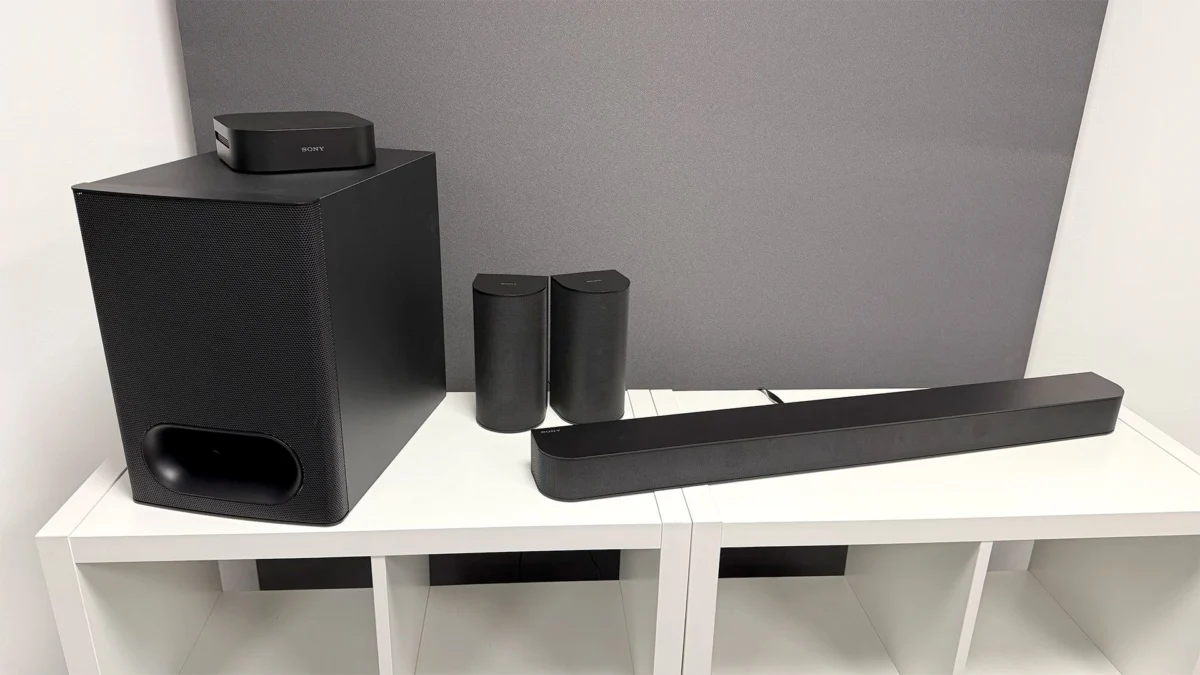
The pursuit of the ultimate home cinema experience is a continuous battle between hardware capabilities and software demands. As television manufacturers push the boundaries of peak luminance, color volume, and panel refresh rates, and audio engineers refine multi-dimensional, object-based spatial soundscapes, the media used to evaluate these advancements must evolve in tandem.
Industry experts and technical reviewers are constantly searching for new reference material to challenge the latest consumer technology. While established classics such as Blade Runner 2049, Civil War, and Dune: Part Two remain staple benchmarks in test laboratories, a new wave of cinematic releases and television series is redefining how premium audio-visual (AV) equipment is evaluated.
From the complex spatial audio design of Paul Thomas Anderson’s latest epic to the near-black shadow detail challenges of indie-horror phenomena, this comprehensive analysis explores the new vanguard of reference media and its technical implications for modern home theater systems.
Main Facts: The Evolution of Reference-Grade Media
To truly evaluate high-end home cinema gear—ranging from flagship Quantum Dot OLED (QD-OLED) displays to complex Dolby Atmos soundbars and multi-channel AV receivers—testers require content that targets specific performance thresholds. A reference-grade title is not merely a high-quality film; it is a highly demanding stress test for specific hardware components.
The latest selections utilized by senior AV testing teams highlight several key performance metrics:
- High Dynamic Range (HDR) Peak Highlights: Testing the limits of a display’s tone-mapping algorithms and its ability to render specular highlights without clipping.
- Near-Black Shadow Detail: Assessing how OLED and local-dimming Mini-LED panels transition from absolute black to dark gray without introducing quantization noise, color banding, or backlight "blooming."
- Spatial Audio Panning and Object Tracking: Challenging Dolby Atmos and DTS:X systems to precisely place sound effects in a three-dimensional space, particularly utilizing overhead (height) channels.
- Motion Interpolation and Judder Control: Evaluating a processor’s ability to handle rapid, continuous panning shots without introducing the artificial "soap opera effect" or suffering from stutter.
Chronology: The Shift from Physical Discs to High-Bitrate Streams
The history of home theater calibration is marked by transitional eras of physical and digital formats.
[1990s: LaserDisc/DVD] ──> [2000s: 1080p Blu-ray] ──> [2016: 4K UHD Blu-ray] ──> [Present: Hybrid Physical & High-Bitrate Streaming]
       (Stereo/Dolby Digital)        (Uncompressed Audio)          (HDR10/Dolby Vision/Atmos)        (Evaluating Stream Compression & AI Upscaling)
Historically, physical media reigned supreme. The introduction of 4K Ultra HD Blu-ray in 2016 established a baseline for uncompressed audio bitrates and maximum video bitrates (often exceeding 80–100 Mbps). This remains the gold standard for laboratory testing.
However, the chronological shift toward digital streaming platforms (Netflix, Disney+, Apple TV+, and Prime Video) has forced a change in testing methodologies. Modern AV reviewers must now evaluate hardware under real-world conditions, which includes analyzing how TVs process compressed streaming codecs, manage network-induced frame drops, and apply artificial intelligence (AI) upscaling to sub-4K source material.
The current testing catalog reflects this hybrid landscape, utilizing a mix of theatrical releases, streaming-exclusive series, and physical disc releases to ensure a comprehensive assessment of consumer use cases.
Supporting Data: Technical Evaluations of the New Reference Titles
To understand why these specific titles have been elevated to reference status, we must examine their technical compositions and the precise hardware challenges they present.
1. One Battle After Another (2025)
- Director: Paul Thomas Anderson
- Starring: Leonardo DiCaprio, Sean Penn, Chase Infiniti
- Key Technical Challenge: High-transient audio dynamics and complex acoustic score separation.
Paul Thomas Anderson’s first major venture into the action genre presents a masterclass in dynamic range. Filmed with a keen eye for gritty realism, the movie features an opening raid on an immigration detention center that serves as an exceptional test for transient audio response.
Audio Testing Profile
The soundstage features rapid, multi-directional gunfire and unpredictable explosions. A high-quality soundbar or discrete surround system must handle these sudden spikes in decibels without distorting, while simultaneously maintaining vocal clarity amidst the chaos.
The Greenwood Factor
Jonny Greenwood’s score—characterized by driving synthesizers and chaotic, skittering jazz—runs concurrently with high-octane action sequences.
[System Audio Processor]
       │
       ├──> Low-Frequency Effects (LFE) ──> Subwoofer (Explosions/Synth Bass)
       ├──> Mid/High Frequencies       ──> Left/Right Channels (Greenwood's Jazz Score)
       └──> Dedicated Center Channel   ──> Clear Dialogue (Vocal Isolation)
A subpar audio system will compress these elements into a muddy wall of sound. Reference hardware must separate the complex musical arrangements from the environmental sound effects, keeping the music distinct and emotionally resonant without burying the dialogue.
2. Legends (Netflix Series)
- Starring: Tom Burke, Steve Coogan, Hayley Squires
- Key Technical Challenge: Vintage film grain emulation, low-light color grading, and retro soundtrack imaging.
Set in the fading days of the Thatcher administration, Legends adopts a visual style reminiscent of 1970s and 1980s British cinema. The series is characterized by a heavy, deliberate film grain and a muted, grimy color palette depicting industrial London and Liverpool.
Visual Style: Heavy Emulated Film Grain + Low-Light Environments
                  │
                  ▼
[Low-End Processor]  ──> Interprets grain as compression noise (Artifacts/Smearing)
[Premium Processor]  ──> Preserves organic texture & maintains sharp edge definition
Video Processing Challenge
For modern silicon processors, emulated film grain is incredibly difficult to render. Poor picture processing engines will mistake grain for digital compression noise, attempting to smooth it out and resulting in a loss of fine texture and detail.
Evaluating Legends on an OLED screen reveals whether a TV’s processor can preserve this organic, cinematic texture without introducing artifacting or "color banding" in the dark, smoky pub interiors and overcast coastal scenes.
3. Backrooms (2026)
- Director: Kane Parsons (A24 / North Road Films)
- Key Technical Challenge: Liminal lighting uniformity, micro-contrast, and psychological sound design.
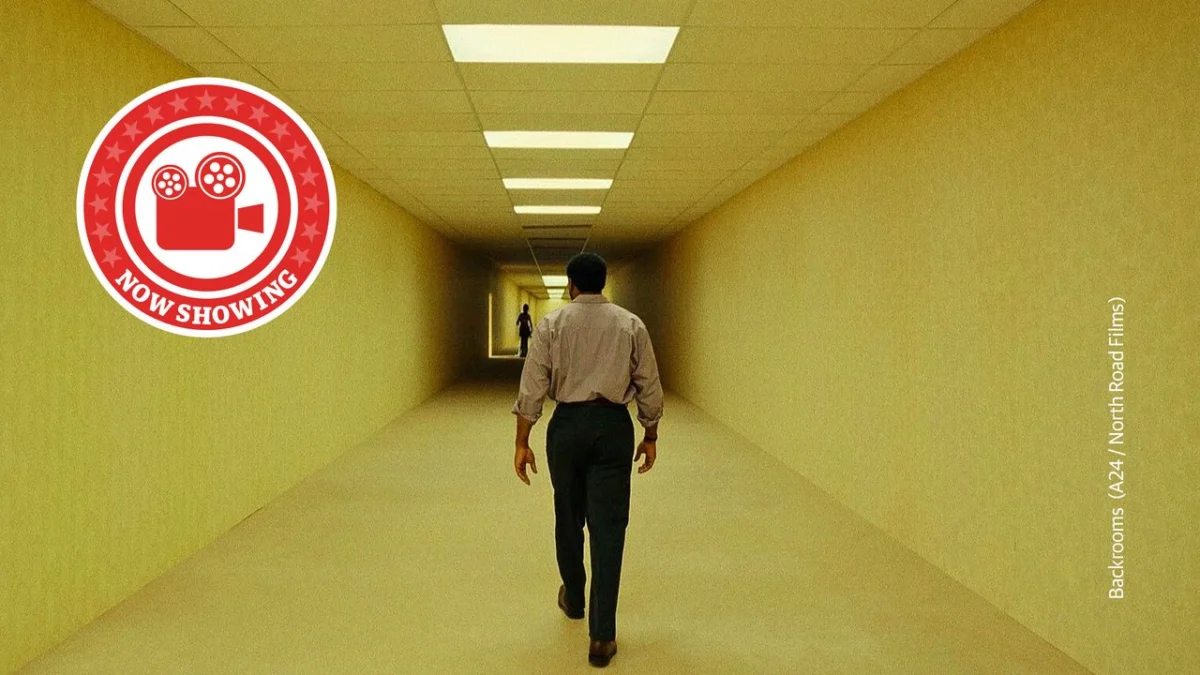
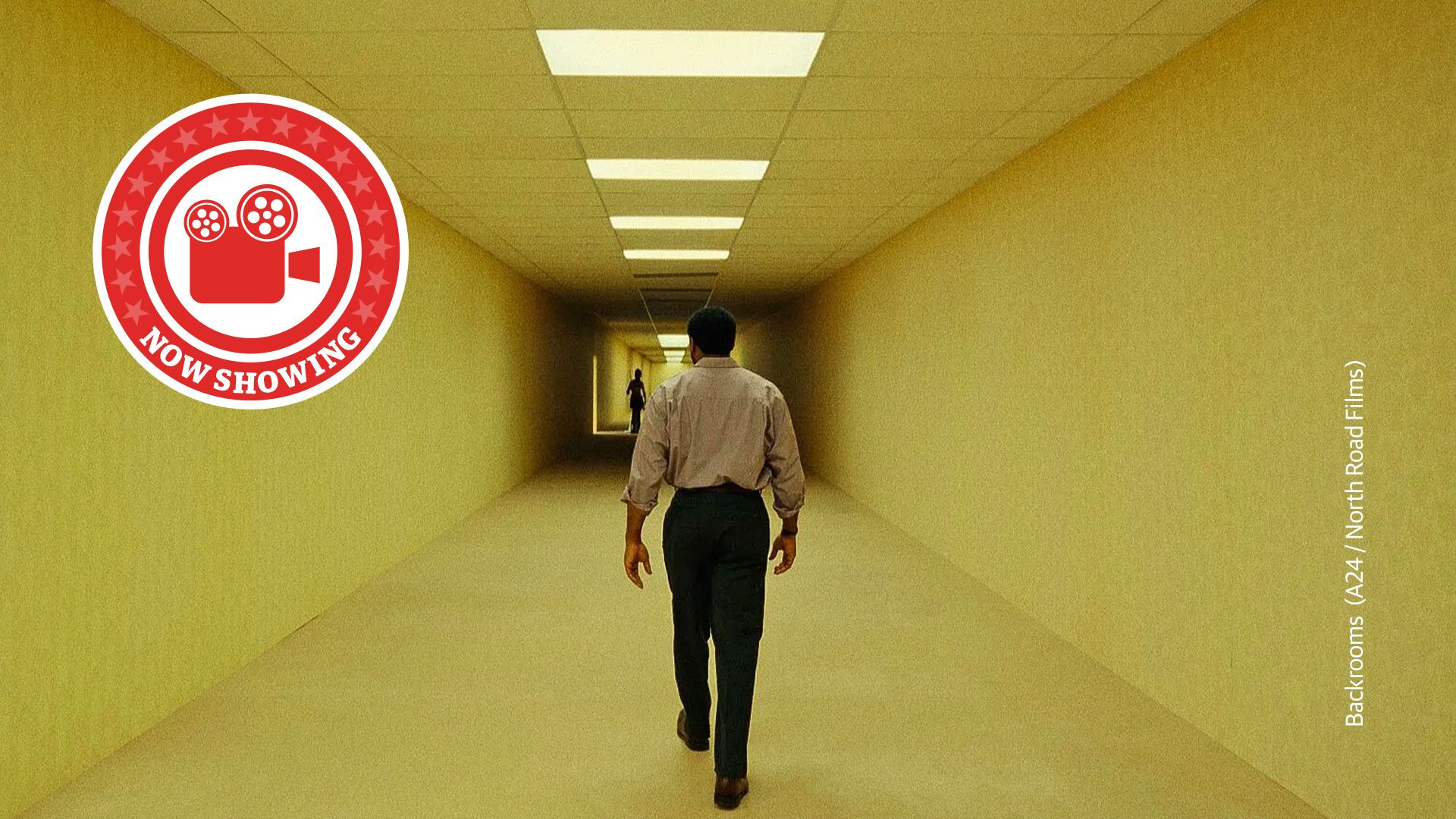
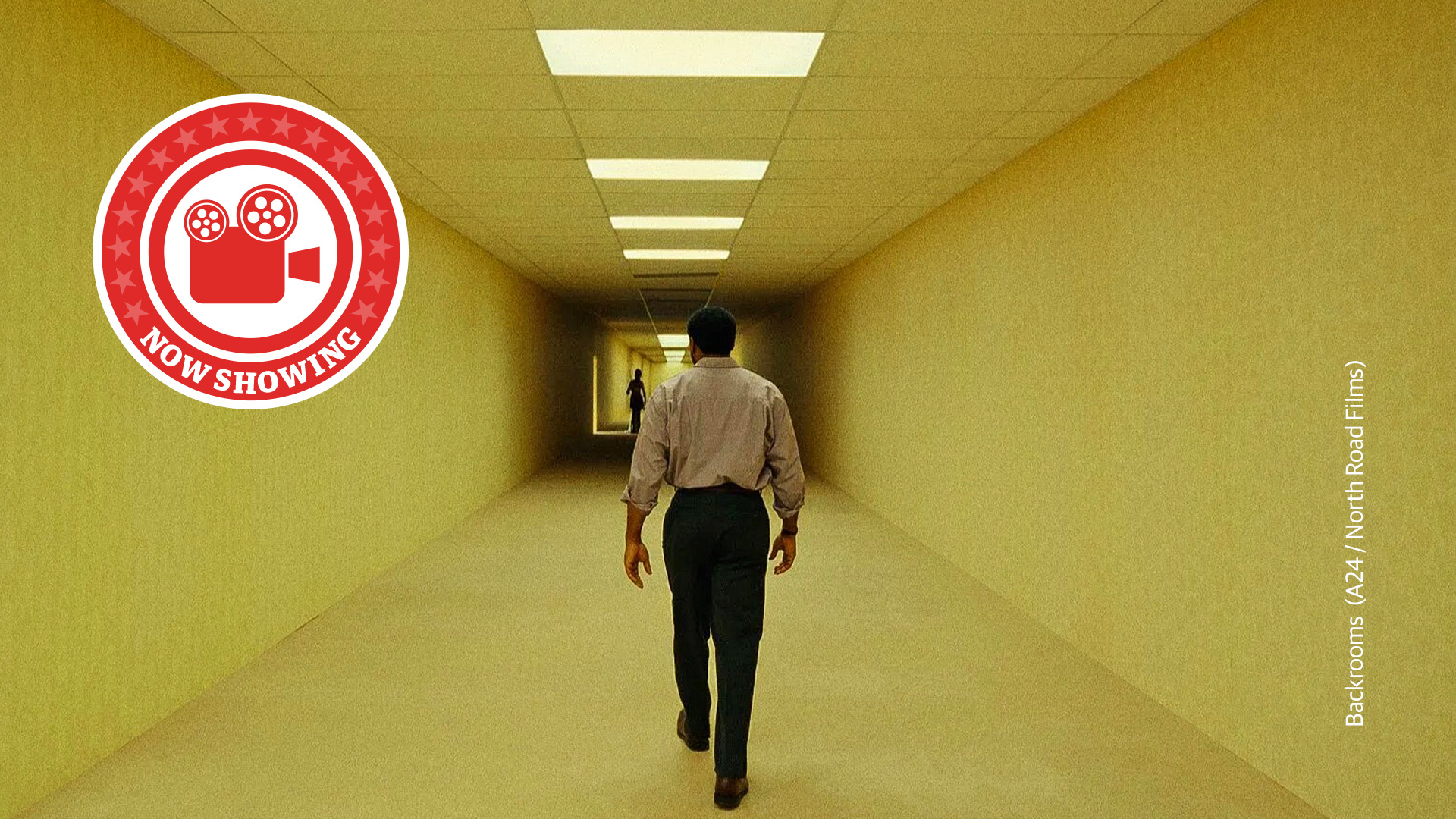
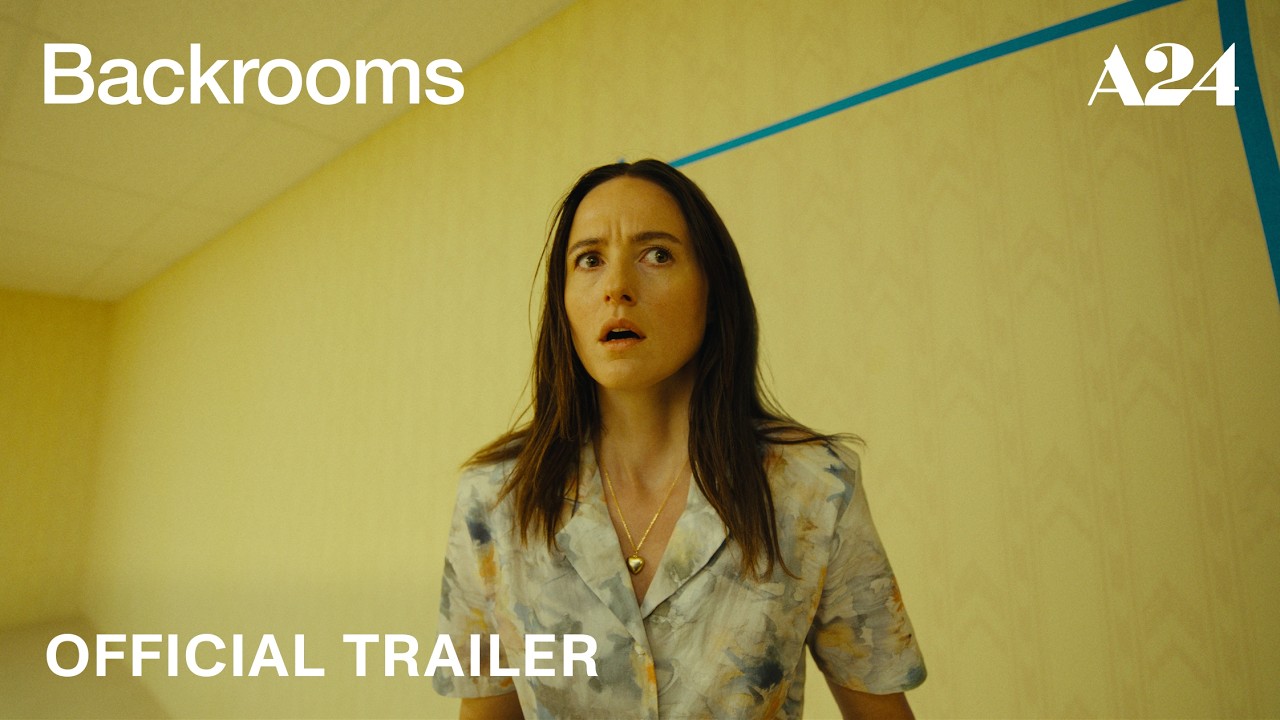
Based on the viral internet creepypasta, Backrooms presents a unique visual environment: an endless, labyrinthine network of empty, fluorescent-lit yellow offices.
    [Fluorescent Ceiling Fixture (High Brightness)]
                       │
         (Drastic Contrast Gradient)
                       │
                       ▼
    [Deep Shadow Corners (Near-Absolute Black)]
Display Uniformity and Blooming
The aesthetic relies on sterile, uniform yellow lighting contrasted with deep, shadow-drenched corners. This is an exceptional test for panel uniformity and backlight control.
On Mini-LED and traditional local-dimming LCD TVs, the sharp transitions from bright ceiling fixtures to dark corners can cause "blooming" (light spilling into dark areas). An OLED display must showcase its per-pixel dimming capabilities, ensuring the yellow hues remain sickly and saturated while the shadows remain pitch-black.
Audio Tension Tracking
The sound design relies on the constant, low-frequency hum of fluorescent lights, punctuated by distant, ambiguous scraping noises. This tests a system’s ability to resolve low-level detail and create an immersive, claustrophobic atmosphere.

4. Limitless with Chris Hemsworth (National Geographic / Disney+)
- Producer: Darren Aronofsky
- Key Technical Challenge: Extreme color volume, HDR brightness tracking, and high-frame-rate outdoor panning.
Produced by Darren Aronofsky, this documentary series travels through some of the planet’s most extreme environments. From the blinding, reflective white landscapes of the Arctic Fjords to the deep, high-contrast reds of the Australian Outback, Limitless is designed to showcase the absolute limits of camera technology.
[HDR Brightness (Nits)]
 2000 ────────────────────────────────────────── Blinding Arctic Snow (Specular Peak)
 1500 ──
 1000 ────────────────── Outback Sunset (High Color Volume)
  500 ──
    0 ────────────────────────────────────────── Absolute Black (Space/Night)
Color Volume and Peak Luminance
This series is ideal for testing QD-OLED and high-brightness Mini-LED TVs. The Arctic scenes require immense light output to render snow realistically without losing texture in a sea of pure white.
Conversely, the Australian Outback episodes test a display’s color volume—its ability to maintain rich, saturated colors at very high brightness levels without washing out into white.
5. 1917 (2019)
- Director: Sam Mendes (Cinematography by Roger Deakins)
- Key Technical Challenge: Continuous motion handling and height-channel audio tracking.
Despite its 2019 release, Sam Mendes’ World War I epic remains an indispensable tool for AV calibrators due to its simulated "single-shot" cinematography.
[Camera Panning Left to Right (Continuous Speed)]
                       │
        (Tests TV Motion Processing)
                       │
       ├──> No Judder (Smooth Transition)
       └──> No "Soap Opera Effect" (Preserves 24fps Film Cadence)
Motion Processing
Because the camera is in constant, fluid motion, 1917 immediately exposes any flaws in a TV’s motion interpolation. Reviewers use the sweeping pans across no-man’s-land to adjust motion settings, seeking a balance that eliminates judder without introducing the unnatural smoothness of the "soap opera effect."
Dolby Atmos Precision
The famous "trench run" scene serves as the ultimate test for height-channel audio tracking. As Private Schofield sprints along the parapet, artillery shells explode overhead, planes roar across the sky, and debris rains down.
A high-performing Dolby Atmos system must place these sound elements with pin-point accuracy, creating a cohesive dome of sound that envelops the listener.
Official Responses and Critical Reception
The integration of these titles into the standard testing methodology has drawn commentary from both AV engineering departments and content creators.
During a recent hardware demonstration at KEF’s Ultimate Experience Room, which utilizes a reference-grade 9.14.4 speaker configuration, acoustic engineers noted that modern soundtracks are increasingly mixed with domestic home theaters in mind.
"We are seeing a shift where sound designers are no longer just mixing for commercial Dolby Cinema spaces, but are actively optimizing the dynamic range for high-end home installations," a KEF representative stated. "Films like One Battle After Another are mixed with such precision that they expose any phase misalignment or crossover issues in a home system almost instantly."
Similarly, display manufacturers have publicly acknowledged the challenges posed by modern streaming content. Engineering teams at major panel manufacturers often use highly compressed streaming scenes to calibrate their AI-driven upscaling algorithms. The goal is to ensure that when a consumer streams a dark, heavily compressed show like Legends over a standard home internet connection, the TV can intelligently reconstruct lost detail and mitigate macroblocking without altering the director’s creative intent.
Implications: The Future of Home Cinema Calibration
The rapid advancement of both content creation and display technology points to several long-term trends for the home cinema market:
1. The Demise of Simple Calibration
As content becomes more visually complex, basic picture presets (such as "Vivid" or "Standard") are becoming increasingly obsolete. The industry is moving toward universal adoption of "Filmmaker Mode," a preset developed by the UHD Alliance that disables unnecessary post-processing, artificial sharpening, and frame interpolation, ensuring the content is viewed exactly as the director intended.
2. High-Bitrate Streaming vs. Physical Media
While physical 4K Ultra HD Blu-ray discs remain the undisputed champion for pure, uncompressed audio and video bitrates, the convenience of streaming cannot be ignored. Platforms are continuously upgrading their delivery pipelines.

The introduction of higher-bitrate tiers and advanced codecs (such as AV1 and Dolby Vision Profile 8.1) means that streaming services are slowly closing the quality gap, making streaming evaluation a critical component of any comprehensive AV test.
3. The Role of Artificial Intelligence in Real-Time Processing
Modern TVs are no longer passive display panels; they are cognitive processing hubs. Utilizing neural networks trained on vast databases of cinematic imagery, processors can now identify the type of content being played—distinguishing between a gritty film like Legends and a pristine nature documentary like Limitless—and dynamically adjust tone mapping, noise reduction, and spatial audio upmixing in real-time.
As filmmakers continue to push the boundaries of their craft, the synergy between reference-grade art and cutting-edge engineering will ensure that the home cinema remains a dynamic, ever-evolving frontier of technological innovation.