New York City’s status as a global cultural epicenter is set for a structural reinforcement. In a significant move to bridge the gap between burgeoning talent and the rapidly evolving demands of the creative sector, the Mayor’s Office of Media and Entertainment (MOME) and the NYC Department of Small Business Services (SBS) have officially unveiled the “Made in NY” Media Academy.
This workforce development initiative, launched in partnership with the City University of New York (CUNY), aims to provide high-level, free training to New Yorkers, positioning them for immediate entry into the city’s robust media and entertainment pipelines. By partnering with Queensborough Community College (QCC), Kingsborough Community College (KCC), and Hunter College, the city is effectively leveraging its public education infrastructure to address critical labor shortages in specialized creative fields.
The Genesis of the Initiative: A Response to Economic Shifts
The launch of the Media Academy is not merely an educational venture; it is a calculated economic strategy. As the media landscape undergoes seismic shifts—driven by the rise of AI-integrated content creation, streaming dominance, and the high demand for digital-first production—the city identified a mismatch between available local talent and the technical proficiencies required by major employers.
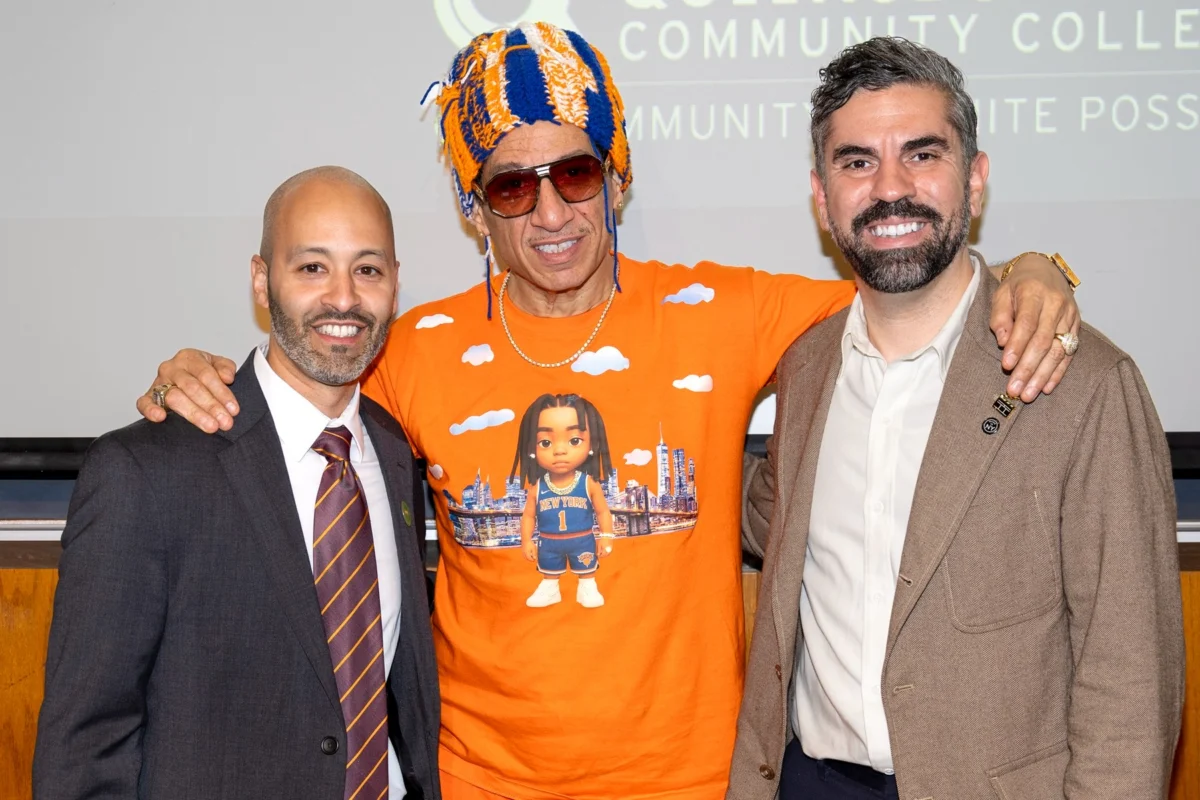
The official unveiling took place on Tuesday, June 16, at Queensborough Community College. The event featured a symbolic "Masterclass in Music Production" led by industry icon Kid Capri, signaling the program’s commitment to bridging the gap between legendary industry expertise and the next generation of professionals.
Chronology of Program Rollouts
The academy’s curriculum is structured as a series of intensive, industry-aligned bootcamps, each tailored to specific sectors:
- September 15 (QCC): The 10-week Music Production Bootcamp kicks off. This program is designed to prepare students for technical roles in commercial recording studios, live event sound management, radio, and broadcast engineering.
- September 23 (KCC): A seven-week Content Creation Program launches in collaboration with Reel Works. This track focuses on the essential pillars of modern media: video editing and data-driven digital strategy.
- Fall (Hunter College): The 11-week Graphic Design Bootcamp will begin, focusing on industry-standard software mastery (Adobe InDesign, Photoshop, and Illustrator). Notably, this program includes a robust internship component, placing students within major organizations such as Bloomberg, Hearst, NBCUniversal, and Penguin Random House.
Supporting Data: Why This Program Matters
The creative economy is one of New York City’s most potent economic engines. However, entry into these fields is frequently gated by high-cost private education or the need for professional networks that many residents lack.
The “Made in NY” Media Academy removes these barriers by offering training that is entirely free for qualified applicants. To ensure the program reaches those who need it most, eligibility is restricted to New York City residents aged 18 or older who are authorized to work in the U.S. and currently earn under $60,000 annually. This specific criteria ensures the academy functions as a ladder for upward mobility, targeting lower-to-middle-income earners looking to pivot into higher-paying creative roles.

The curriculum is designed for agility. Unlike traditional university programs that can take years to update their syllabi, the Media Academy is intended to evolve alongside the industry. By focusing on "real-time" labor market data, the city aims to ensure that students are not learning outdated workflows but are instead being trained on the specific hardware and software currently in use by top-tier media firms.
Official Perspectives: The Philosophy of Economic Justice
The initiative is deeply rooted in the current administration’s vision for an equitable economic recovery. Mayor Zohran Mamdani emphasized that the creative sector’s health is inextricably linked to the well-being of the workers who sustain it.
"New York City’s creative economy is powered by working people — the musicians, designers, editors, and producers whose talent and labor make this city the cultural capital of the world," Mayor Mamdani said during the announcement. "The ‘Made in NY’ Media Academy will open doors to creative careers for more New Yorkers, providing free training for jobs that are hiring right now."
Julie Su, the Deputy Mayor for Economic Justice, reinforced this sentiment by highlighting the practical utility of the program. "This city runs on people who make things—music, art, content, stories that the rest of the world watches and listens to," Su stated. "‘Made in NY’ changes the paradigm. It’s free training on real industry equipment, with a credential and job placement support at the other end of it."
For MOME Commissioner Rafael Espinal, the academy represents a shift toward a more proactive government role in workforce development. "Rather than focus on a single occupation, the Academy’s offerings will evolve in response to real-time labor market shifts and emerging demands across the media sector," Espinal noted. This forward-looking approach is intended to provide a "safety net" of skills, ensuring that even as technology changes, the New York workforce remains resilient and adaptable.
Implications for the Creative Industry
The implications of this initiative for the New York media landscape are profound. By creating a formalized pipeline between public colleges and major media entities, the city is effectively subsidizing the training costs that corporations would otherwise have to shoulder, while simultaneously solving the "experience gap" for junior applicants.
1. Reducing the Skills Gap
The inclusion of paid micro-internships at companies like ABC News and Shore Fire Media is a critical component of the program. It provides students with a bridge from the classroom to the professional environment, allowing them to build portfolios and professional networks—two factors often cited as the most significant barriers to entry in the entertainment industry.

2. Democratizing Access to Technology
In the past, mastery of high-end production tools was often limited to those who could afford private degrees or expensive equipment. By providing access to "real industry equipment" through the academy, the city is democratizing the ability to produce high-quality content, effectively flattening the playing field for talented residents from all five boroughs.
3. Economic Mobility
With the $60,000 income cap for applicants, the program is specifically targeting those who are currently underemployed or stuck in stagnant career paths. By providing an 11-week intensive path toward roles in digital strategy, graphic design, and audio engineering, the city is facilitating a direct increase in the earning potential of its citizens.
Conclusion: A Blueprint for Future Workforce Development
The "Made in NY" Media Academy is a test case for how modern cities can protect and nurture their unique cultural assets. By institutionalizing the training of creative professionals, New York City is signaling that it intends to remain the global leader in media production for the long term.
For those interested in participating, the path forward is clear: the city has provided specific portals for each of the bootcamps, and the competitive nature of the program suggests that demand will be high. As the first cohort of students prepares to enter these programs in the fall, the eyes of the media world will be on New York to see if this marriage of public education and industry-aligned training can successfully produce the next generation of creative leaders.
The initiative serves as a reminder that the "cultural capital of the world" is not just a label—it is an economic sector that requires constant investment, maintenance, and the inclusion of its most valuable resource: its people.