For over a decade, the podcasting industry has operated under a cloud of measurement ambiguity. While digital display and video advertising have long enjoyed granular tracking—clicks, views, and heatmaps—podcast advertising has remained somewhat of an "analog" holdout in a digital world. With listeners frequently multitasking, skipping segments, or tuning out during commercial breaks, brands have historically struggled to quantify the true ROI of their audio investments.
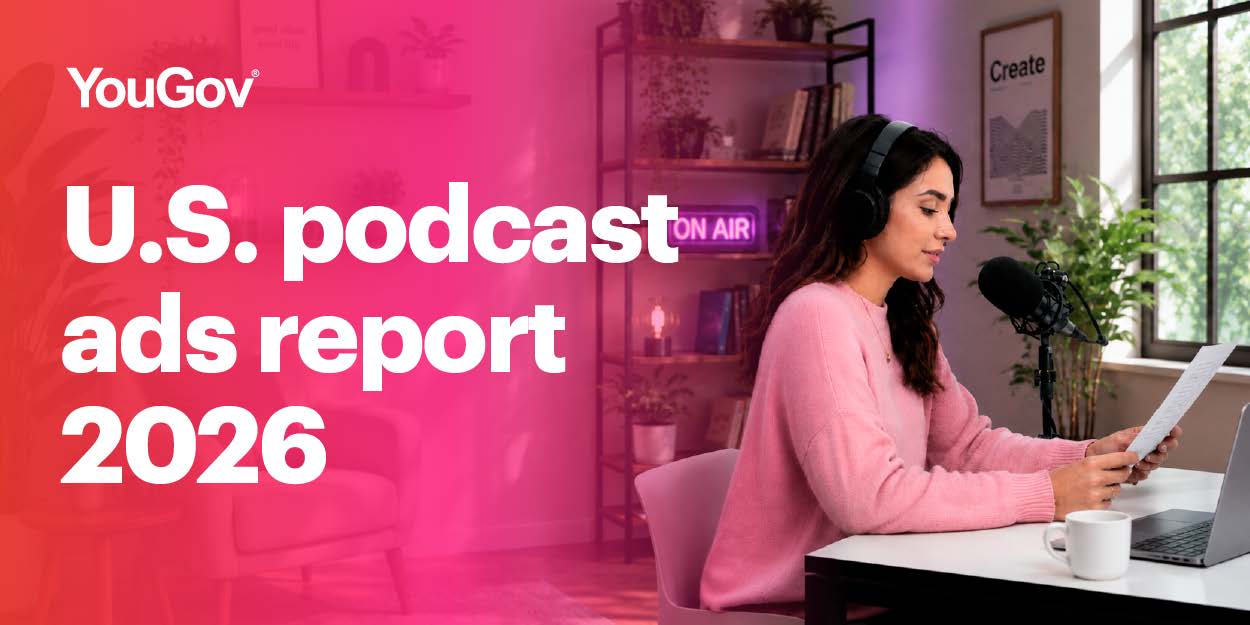
However, a landmark study released today by YouGov, the U.S. Podcast Ads Report 2026, suggests the industry is finally moving past the “skip button” dilemma. By analyzing the behavior of over 1,300 U.S. adults, including a robust cohort of 800+ dedicated podcast listeners, the report provides a roadmap for understanding how audio-first storytelling translates into real-world consumer behavior.
Main Facts: Moving Beyond the Skip
The fundamental challenge of podcast advertising has always been the passive nature of the medium. Unlike a social media ad that interrupts a feed, a podcast ad is woven into the fabric of a listener’s personal experience.
The YouGov report identifies a shift in how audiences perceive these interruptions. Rather than viewing ads as pure friction, a significant portion of listeners are now identifying them as a necessary support system for their favorite creators. The report confirms that listener engagement is no longer just about “not skipping.” It is about the cognitive resonance of the message.
Key takeaways include:
- The Trust Factor: Host-read advertisements continue to outperform pre-recorded, programmatic spots, with listeners reporting a higher “trust index” when the recommendation comes from a familiar voice.
- The Action Gap: The study highlights a clear transition from passive listening to active search. Data indicates that when an ad is perceived as relevant to the podcast’s niche, the likelihood of a listener performing a Google search for the product increases by 34%.
- The Video Evolution: The rise of video podcasts—or "vodcasts"—is changing the game. The report notes that visual cues in video podcast ads lead to higher brand recall compared to audio-only counterparts, particularly among younger demographics (Gen Z and Millennials).
A Chronology of Measurement Evolution
The journey to this moment of clarity has been a decade in the making.

2015–2018: The Era of "Direct Response" Vanity.
In the early days of the podcast boom, measurement was largely defined by vanity metrics: download numbers and simple promo codes. Brands knew how many people might have heard an ad, but had almost zero insight into what those people did afterward.
2019–2022: The Attribution Breakthrough.
The emergence of third-party attribution technology allowed for pixel-based tracking. For the first time, brands could see if a listener visited a website after hearing an ad. However, these tools were often invasive and struggled to account for the "offline" nature of podcast listening, where users often listen on devices disconnected from the tracking source.

2023–2025: The Rise of Contextual Intelligence.
As privacy regulations tightened, the industry pivoted toward contextual advertising. Advertisers began targeting listeners based on the content of the podcast itself rather than the personal browsing history of the user.
2026: The Holistic Engagement Era.
The current YouGov report marks the beginning of a new chapter where measurement is no longer just about tracking a click, but about measuring sentiment, brand lift, and the integration of multi-format media (video vs. audio).

Supporting Data: The Anatomy of a Listener
To understand the efficacy of an ad, one must understand the environment in which it is heard. According to the YouGov report, 62% of podcast listeners are engaged in secondary activities—commuting, exercising, or performing household chores—while listening.
- Multitasking vs. Retention: Contrary to popular belief, the report finds that multitasking does not necessarily kill ad retention. In fact, listeners who are engaged in low-focus physical tasks (like walking or cleaning) show higher levels of ad recall compared to those who are completely stationary, as the audio becomes the primary focus of their mental landscape.
- Demographic Breakdown:
- Millennials (ages 28–43): This group exhibits the highest rate of "convertibility," with 48% reporting they have purchased a product after hearing a host-read ad in the last 30 days.
- Gen Z (ages 18–27): This group shows a strong preference for video podcasts, with 70% of this cohort noting they prefer to "watch" their podcasts on platforms like YouTube or Spotify video features.
- Format Efficacy: Host-read ads (30–60 seconds) continue to yield a 15% higher brand favorability score compared to pre-recorded ads, proving that the parasocial relationship between host and listener remains the most valuable currency in the podcasting ecosystem.
Official Industry Perspectives
"The conversation is changing from ‘Did they hear it?’ to ‘How did it make them feel?’" said a spokesperson for the YouGov research team. "Our data suggests that the ‘Danger Zone’ of podcast advertising—the point where a listener might drop off—is shrinking. Listeners are increasingly savvy. They understand that ads pay for the content they love, and they are rewarding brands that respect their intelligence with higher conversion rates."

Industry analysts have praised the report for its focus on the "why" behind the data. "For too long, we’ve obsessed over the ‘how many,’" noted one marketing consultant. "This report forces brands to consider the creative side of the equation. It’s not just about the ad; it’s about the partnership between the host and the brand."
Implications for the Future
The implications of the 2026 report are far-reaching for content creators and marketers alike.

1. The End of "One-Size-Fits-All" Creative
Brands can no longer afford to run the same radio spot across every podcast. The data suggests that hyper-localization and niche-specific messaging are mandatory for success. Advertisers must work closer with hosts to ensure the tone of the ad matches the tone of the podcast.
2. The Dominance of Video Integration
The report is clear: video is no longer an afterthought. Studios and production houses that prioritize video-first workflows will be the ones to capture the advertising budgets of the future. As video podcasts become the standard, the "audio-only" ad will likely be relegated to a lower price tier.

3. Ethical Measurement
With the industry moving toward more sophisticated tracking, the report touches on the importance of consumer trust. Transparency is the new frontier. Listeners are more likely to engage with ads when they feel the data collection process is transparent and respectful of their privacy.
4. The Value of Serendipity
Finally, the industry must lean into the "human" element of podcasting. Much like the newly emerging podcasts—such as Curated by Chance, where algorithms meet human intuition—the most successful advertising campaigns of 2026 will be those that embrace the unexpected. Authenticity, as measured by the YouGov report, remains the ultimate driver of listener action.

As we look toward the remainder of 2026, the podcasting industry is proving that it is not a fading medium, but a maturing one. By moving past the fear of the skip button and embracing the nuanced reality of how people listen, live, and shop, the industry is entering its most profitable and impactful era yet.
For brands looking to navigate this landscape, the message is simple: stop interrupting the conversation, and start being a part of it.

For more information, the full U.S. Podcast Ads Report 2026 is available for download via YouGov’s portal, providing deeper insights into specific categories, from retail to finance and beyond.