London’s cultural landscape is set to vibrate with a new intensity this spring as 180 Studios prepares to launch Sound & Vision, a sprawling, two-month cinematic residency dedicated to the intersection of sound, movement, and the moving image. Following the critical success of its inaugural theatrical programming, the venue’s new dedicated space, The Underground Cinema, is pivoting from the experimental pulse of Kahlil Joseph’s BLKNWS to a curated exploration of music’s most transformative narratives.
Running from April 10 to June 4, 2026, Sound & Vision is not merely a film festival; it is an immersive environment designed to bridge the gap between historical documentary, concert performance, and high-art visual expression.
The Vision: Curating the Sonic Archive
180 Studios has established itself as a premier destination for multidisciplinary art, and Sound & Vision represents the next logical evolution in its programming. By dedicating a two-month season to music-oriented cinema, the venue is positioning itself as a vital archive for the sounds and stories that have shaped contemporary culture.
The season’s curation is deliberate, moving through the lineage of jazz-funk, the political urgency of Afrobeat, the radical vulnerability of ambient music, and the structural innovation of electronic composition. The choice to include everything from intimate, fan-focused live sets to grand, award-winning cultural investigations highlights the diverse ways music functions within society—as a tool for protest, a catalyst for identity, and a medium for personal transcendence.
Chronology: A Season of Sound (April – June 2026)
The schedule for Sound & Vision is structured to guide audiences through a distinct narrative arc, with each week focusing on a different feature-length film.
April: Roots, Rhythms, and Intimacy
- April 10–16: Getting It Back: The Story of Cymande. The season opens with the untold history of the UK’s most influential, yet historically overlooked, jazz-fusion ensemble.
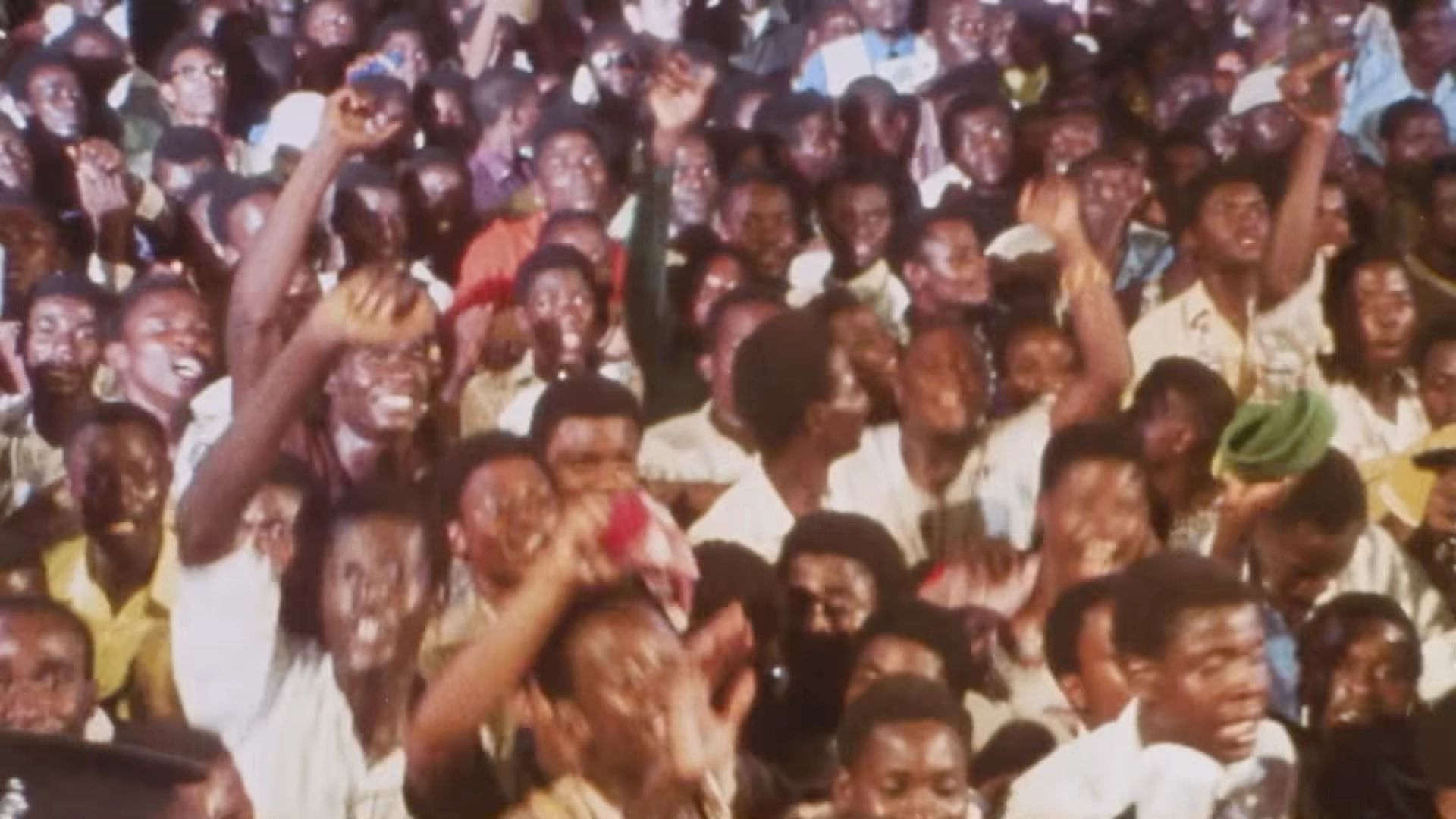
- April 17–23: Finding Fela. Alex Gibney’s 2014 masterwork chronicles the life of Fela Kuti, the Nigerian pioneer of Afrobeat whose music was inextricably linked to his life as an activist.
- April 24–30: Fred again.. – secret life at the coliseum. A stark contrast to the historical focus, this film captures the raw, ambient intimacy of a 2024 performance by Fred again.. at the Los Angeles Memorial Coliseum.
May: Identity, Legacy, and Evolution
- May 1–7: Keyboard Fantasies. This film documents the resurgence of Beverly Glenn-Copeland, highlighting his journey from isolation to international acclaim as a transgender septuagenarian.
- May 8–14: Paris Is Burning. Jennie Livingston’s 1990 documentary remains the definitive look at 1980s New York City ballroom culture, examining the intersections of race, class, and queer identity.
- May 15–21: Bowie: The Final Act. Ten years after the release of his swan song, this film revisits the concluding chapter of David Bowie’s career, framing his final work as a deliberate artistic statement.
- May 22–28: Sisters with Transistors. This essential documentary spotlights the unsung female pioneers of electronic music, including Delia Derbyshire and Suzanne Ciani, who weaponized technology to redefine the sonic landscape.
June: The Final Note
- May 29 – June 4: Ryuichi Sakamoto: Coda. The season concludes with an intimate meditation on the late Japanese composer, focusing on his final years and his commitment to both his craft and environmental activism.
Beyond the Screen: The Exhibition Space
One of the most compelling aspects of Sound & Vision is the integration of an adjacent exhibition space that runs concurrently with the film screenings. Recognizing that the music video format is a distinct form of short-form cinema, 180 Studios has curated a rotating program of seminal music videos directed by masters of the medium.
This space will showcase the work of directors who have fundamentally altered the relationship between sight and sound. Attendees can expect to see:
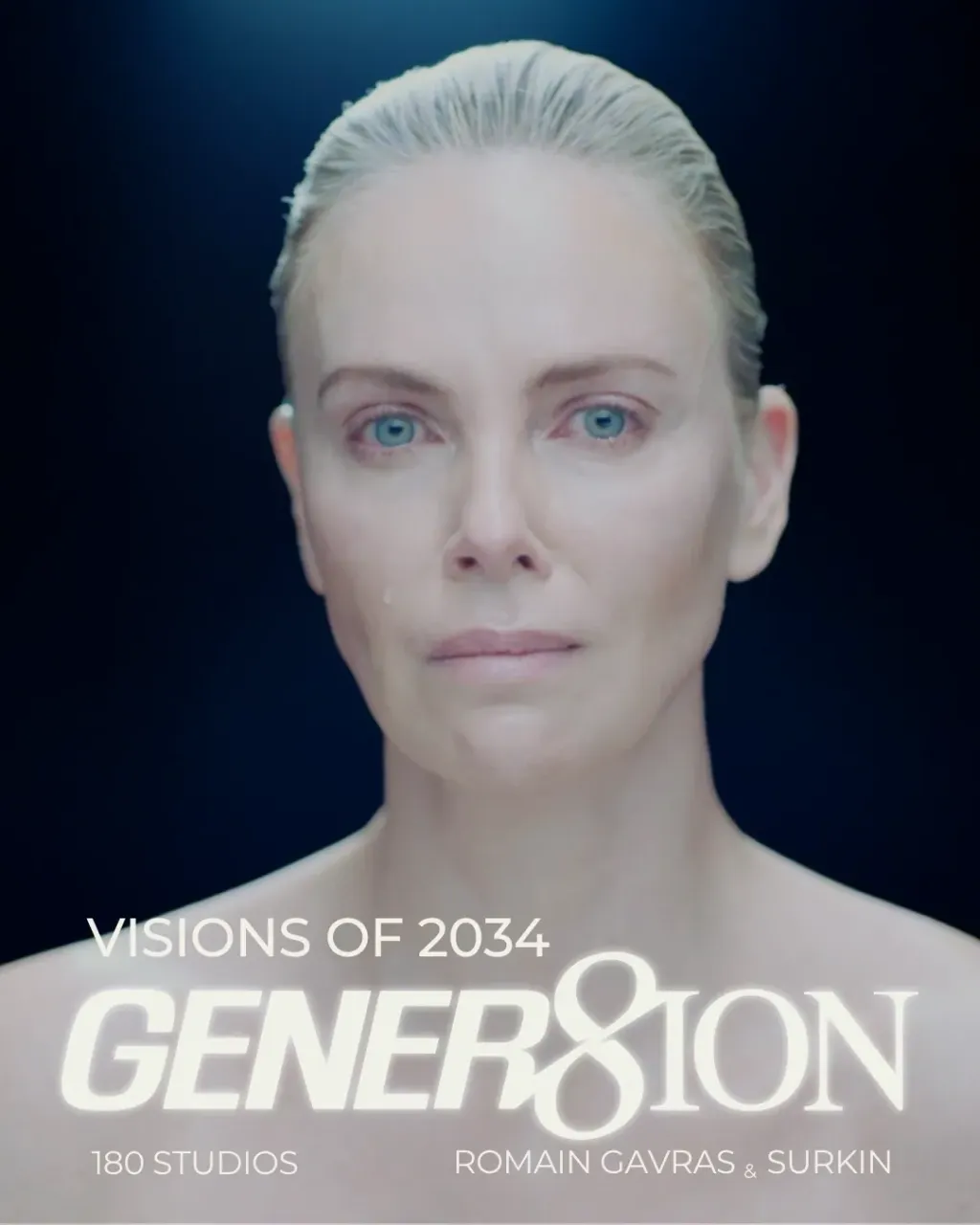
- Romain Gavras: His work on Jamie xx’s "Gosh."
- Gabriel Moses: Represented by his direction for Travis Scott’s "4×4."
- Melina Matsoukas: Her era-defining work on Beyoncé’s "Formation."
- Kahlil Joseph: His surreal, dream-like vision for Flying Lotus’s "Until the Quiet Comes."
- Chris Cunningham: The legendary, disquieting aesthetics of Aphex Twin’s "Windowlicker."
By contextualizing these music videos alongside feature-length documentaries, 180 Studios is inviting viewers to engage with the visual language of music as a cohesive discipline.
Supporting Data: The Cultural Impact of the Selection
The films selected for Sound & Vision are not merely historical records; they are social artifacts. The inclusion of Paris Is Burning, for instance, provides a lens through which to understand the evolution of queer visibility in the 20th century. Similarly, Sisters with Transistors serves as a corrective to the male-dominated narrative of electronic music history, providing long-overdue credit to the women who laid the foundations for the digital age.
The selection of Getting It Back: The Story of Cymande is particularly noteworthy for the London scene. As the UK continues to grapple with its musical heritage, shining a light on a band that was largely ignored by the mainstream at the time of their peak—yet sampled extensively by the hip-hop generation—serves as a powerful commentary on the fluidity of musical influence.
Official Stance and Curation Philosophy
In their promotional materials, 180 Studios describes Sound & Vision as a "celebration of the voices that have defined our soundscapes." By shifting the focus from the commercial industry to the creative struggle, the venue is signaling a desire to cultivate a more thoughtful, critical audience.
The decision to feature films like Ryuichi Sakamoto: Coda and Bowie: The Final Act suggests a curatorial focus on "the legacy of the artist." These films do not just present the music; they present the artist’s relationship to their own mortality and the societal responsibilities that come with a public platform. This elevation of the "documentary as biography" elevates the entire Sound & Vision season from a mere viewing experience to an educational, reflective encounter.
Implications for the London Arts Scene
The establishment of The Underground Cinema within 180 Studios has significant implications for London’s cultural infrastructure. In an era where digital streaming has made the act of watching a film a solitary, fragmented experience, 180 Studios is betting on the value of the "communal screen."
By grouping these films under the banner of "Sound & Vision," the venue is encouraging a cross-pollination of audiences. The electronic music fan drawn to the music videos of Chris Cunningham may find themselves deeply moved by the jazz-fusion history of Cymande, while the documentary film enthusiast may gain a new appreciation for the artistry behind a Beyoncé video.
This programmatic approach reflects a broader trend in global arts institutions: the move away from rigid categorization. By breaking down the walls between "high-brow" cinema and "pop-culture" music videos, 180 Studios is creating a space that feels contemporary, accessible, and vital.
Conclusion: How to Engage
For those looking to attend, the season runs from April 10 to June 4, 2026. Given the specialized nature of the screenings and the intimate setting of The Underground Cinema, tickets are expected to move quickly.
Sound & Vision stands as a testament to the enduring power of the collaboration between the eye and the ear. Whether one is drawn by the pioneering spirit of electronic music’s mothers, the fierce competition of the ballroom floor, or the quiet, ambient echoes of a coliseum performance, the season promises to provide a space for deep listening and careful observation.
Tickets and full programming details are currently available through the official 180 Studios website. As the season unfolds, it will undoubtedly serve as a reminder that the best music—and the best cinema—is that which asks us to not only listen, but to truly see.