In an era where live production expectations have reached unprecedented heights, the marriage of artificial intelligence and hardware processing has become the new frontier for audio engineers. Alpha Labs has officially announced the integration of its flagship V1 De-Feedback plugin with the Fourier Audio transform.engine, a hardware platform engineered to bring VST3-native studio processing into the high-stakes world of live sound. This development marks a significant shift in how engineers manage gain-before-feedback, noise suppression, and room acoustics in real-time.
The Convergence of AI and Live Audio
For decades, the "feedback loop" has been the bane of live sound reinforcement. Engineers have traditionally relied on surgical EQ, physical speaker placement, and careful gain staging to mitigate the risk of high-frequency oscillations. However, these methods often come at the cost of tonal transparency.
The Alpha Labs De-Feedback plugin changes this paradigm by utilizing proprietary AI-driven algorithms to distinguish between desired sound sources—such as a performer’s voice—and the unwanted artifacts of the room. By operating with zero added latency, the plugin allows engineers to push microphone levels significantly higher than previously thought possible without triggering the dreaded feedback threshold. Furthermore, the software excels at suppressing background noise and reducing room reverb, providing a "dry," studio-like signal even in acoustically challenging venues.
A Strategic Partnership: Fourier Audio and Alpha Labs
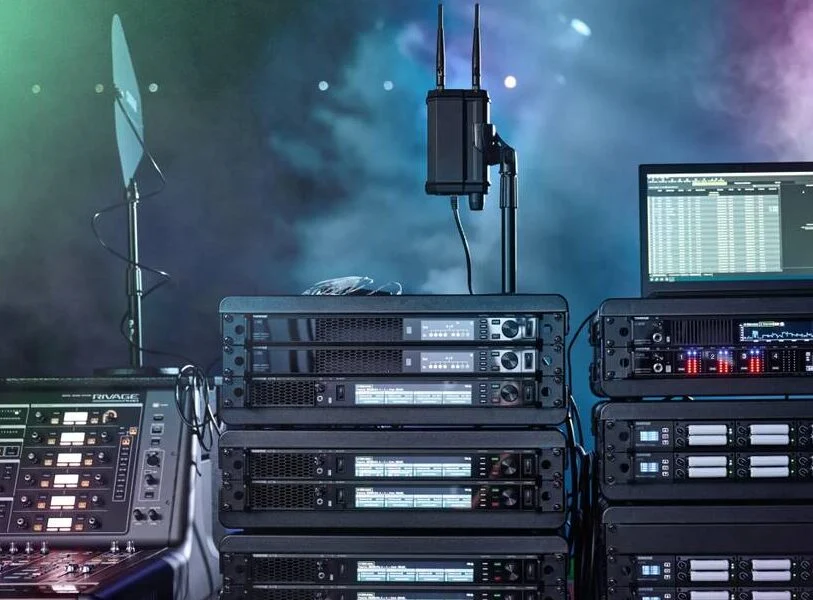
The integration with the Fourier Audio transform.engine is not merely a compatibility update; it is a synergistic alliance between two companies pushing the boundaries of live production. The transform.engine, renowned for its "chain sandboxing" technology, offers a robust, reliable environment for hosting VST3 plugins.
Fourier Audio CEO Pete Bridgman emphasized the collaborative effort required to bring this technology to the stage. "Engineers at the top of their game have always demanded cutting-edge tools," Bridgman noted. "Fourier Audio’s transform.engine provides the ideal platform for accessing the next generation of AI-enabled plugins. We’ve worked closely with Alpha Labs to optimize De-Feedback’s intense AI processing for compatibility with transform.engine’s unique chain sandboxing technology."
This sandboxing is critical; it ensures that even if a plugin were to encounter a processing conflict, the stability of the entire audio chain remains uncompromised. For live sound professionals, this reliability is the primary barrier to entry for third-party software, and the Alpha Labs/Fourier Audio partnership addresses this head-on.
Technical Specifications and Performance
The transform.engine is designed to handle the heavy computational load required by AI processing. When running De-Feedback, users can deploy six instances simultaneously while maintaining a buffer size of 64 at 48k or 128 at 96k. This performance capability allows engineers to apply the plugin across multiple groups or individual channels, such as a lead vocal, a wireless lavalier, or a handheld mic used in front of the PA.

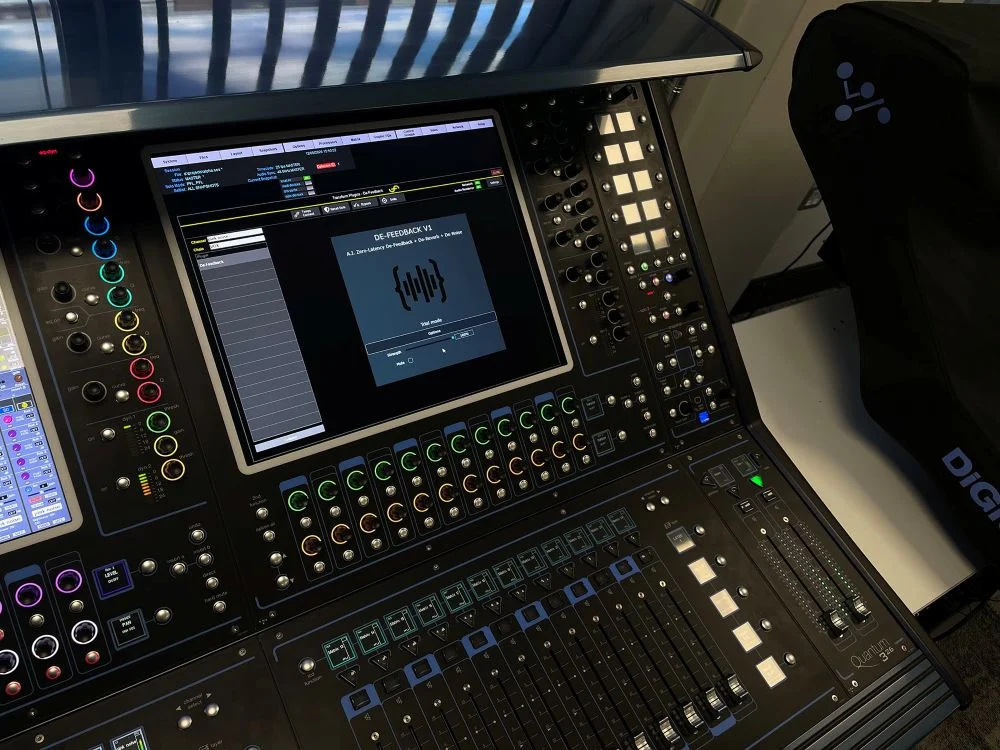
A standout feature of this integration is the native worksurface integration with DiGiCo consoles. By providing seamless communication between the transform.engine and the DiGiCo Quantum range, the system ensures that audio engineers can manage their processing chains without leaving their primary mixing interface. This tactile control is essential in high-pressure environments like televised awards shows, concert tours, and large-scale corporate events.
Field Test: The Survivor 50 Live Finale
The true test of any audio innovation is its performance under the intense scrutiny of a live broadcast. Andrew "Fletch" Fletcher, a veteran sound engineer, recently utilized the De-Feedback/transform.engine combination during the Survivor 50 Live Finale at Paramount Studios, which aired on CBS.
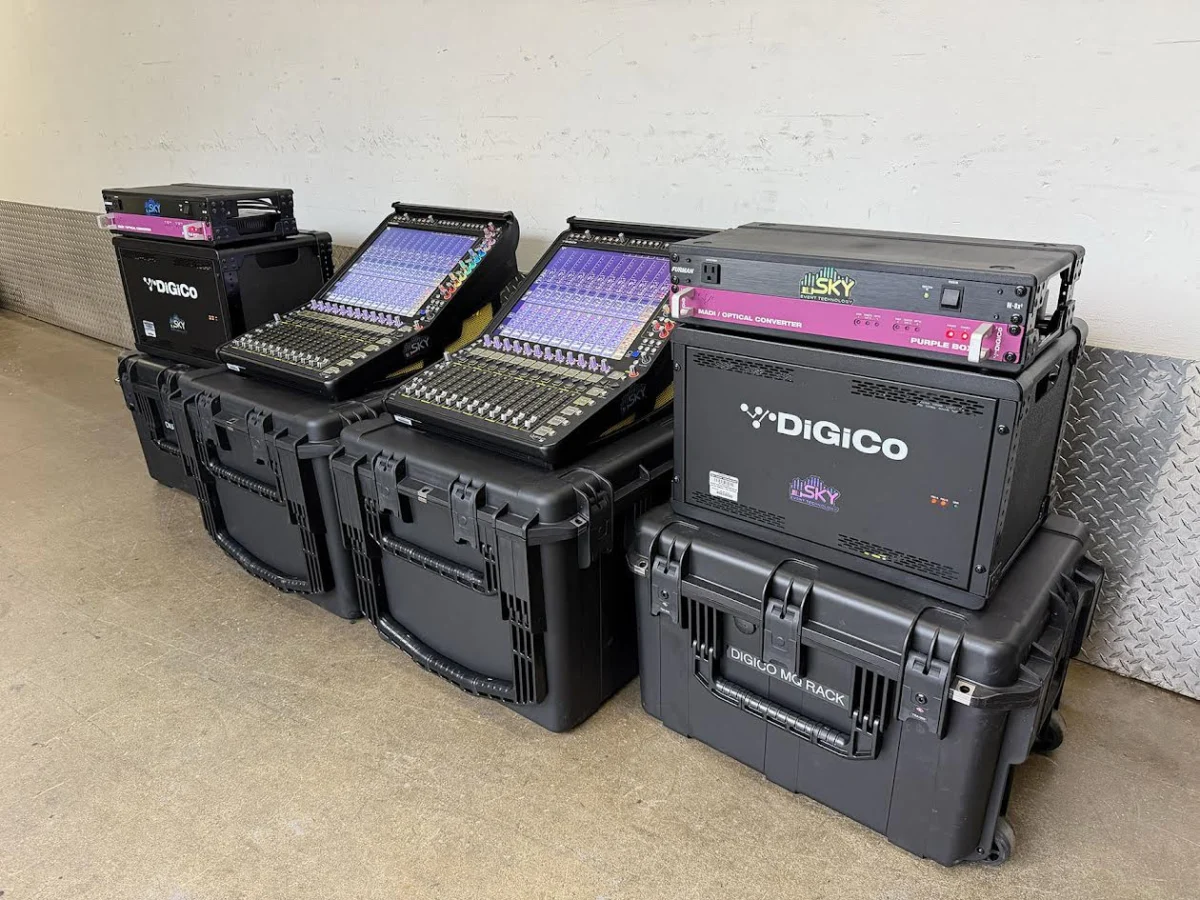
Fletcher’s configuration involved six instances of a Beta version of De-Feedback inserted on groups on his DiGiCo Quantum338. "Everyone was on lavs, with the occasional use of hand mics when the host was out in the 1,200-seat audience in front of the PA," Fletcher reported. "In all, I had 24 open lavs at certain points in the show. With De-Feedback, the lavs were strong and intelligible in the PA and in the stage mix-minus feeds; contestants and host could hear each other, and there was not even a hint of feedback."
Perhaps most impressively, Fletcher noted that the DSP cores on the Fourier hardware averaged only a 33% load, demonstrating that the system has significant headroom for more complex configurations. "I’m always stunned by how little EQ I need when using De-Feedback," he added. "Without this plugin, I would not have been able to achieve the SPL levels I needed. It is a game-changer."
Implications for the Industry
The arrival of De-Feedback on the transform.engine represents a broader transition in the audio industry: the move from static, hardware-only processing to dynamic, software-driven intelligence.
1. Enhanced Creative Freedom
By removing the constant fear of feedback, engineers are granted more creative license. They can place microphones in positions that were once considered "dangerous" for gain structure and can apply more aggressive compression or saturation without risking a runaway loop.
2. Standardizing the "Studio Sound"
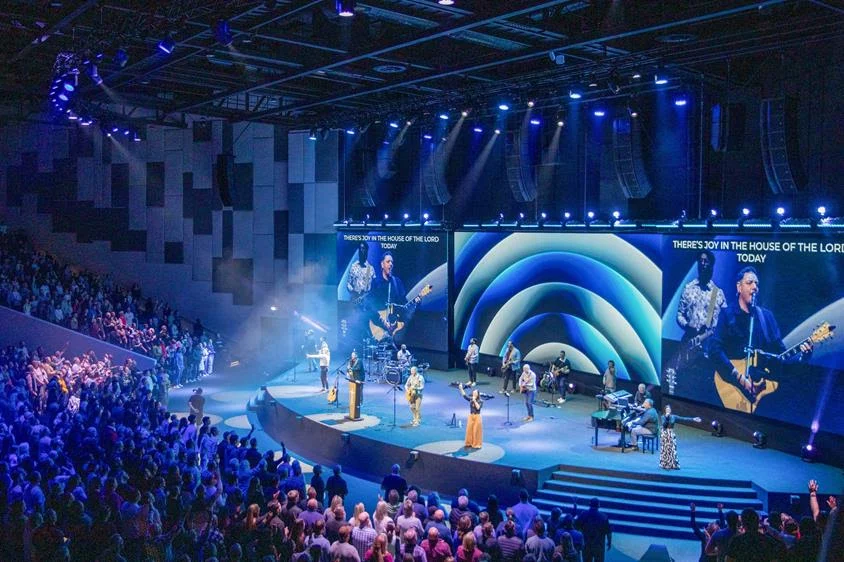
As audiences become accustomed to the pristine audio quality of podcasts and high-end studio recordings, they expect that same clarity in live environments. De-Feedback allows engineers to bridge the gap, bringing studio-grade noise reduction and room-tone control to concert halls and houses of worship.

3. Economic Impact
While the initial cost of high-end hardware platforms like the transform.engine can be significant, the long-term ROI is found in efficiency and show reliability. Alpha Labs has also introduced an early-adopter incentive, pricing the plugin at $374.25—a $124.75 discount off the standard $499 perpetual license fee for those who register their hardware.
Future Outlook: The Role of AI in Real-Time Processing
The success of this integration invites questions about what lies ahead for live audio. If AI can solve the age-old problem of feedback, what other challenges can it conquer?
Industry analysts suggest that the next wave of AI-enabled live audio will likely focus on automated mixing, real-time frequency masking, and even automated fader movements based on vocal presence. As Fourier Audio continues to refine its "chain sandboxing" and hardware hosting, the ecosystem for these tools will only grow.
"We’re proud to support the frontier of what’s possible in outboard processing," says Bridgman. "We’re helping engineers harness the incredible power of AI as it changes the game—both today, and in the future."
Conclusion
The availability of Alpha Labs’ De-Feedback on the Fourier Audio transform.engine is a watershed moment for live audio production. By combining the stability of dedicated hardware with the agility of AI-driven software, Alpha Labs and Fourier Audio have provided engineers with a powerful new tool to ensure that the show always goes on—without the distractions of artifacts or technical failure. As this technology becomes more prevalent, the standard for what constitutes "professional sound" in live environments will inevitably rise, pushing the industry toward a more efficient and sonically impressive future.