By Editorial Staff
The intersection of high-stakes politics and commercialized combat sports reached a jarring zenith this past weekend, sparking a firestorm of criticism from prominent cultural figures. Singer-songwriter Sheryl Crow, a consistent voice of dissent regarding the current administration, took to social media on Monday, June 15, to issue a blistering rebuke of a UFC event hosted on the grounds of the White House. The event, dubbed “UFC Freedom 250,” was held on the president’s 80th birthday, transforming the symbolic heart of American democracy into a stage for a for-profit, violent spectacle.
The Catalyst: A Display of Decadence and Division
For many, the sight of a massive, black-fenced octagon looming over the manicured lawn of the People’s House served as a visual shorthand for the shifting priorities of the current administration. Sheryl Crow, who has frequently utilized her platform to critique what she perceives as the moral bankruptcy of the political establishment, did not mince words.
“What happened last night on the lawn of the White House was disgraceful and void of decency,” Crow wrote in an Instagram Story. “Powerful, rich people filled the lawn to watch a violent sport that ended with a vile and racist comment. All while the average American cannot afford healthcare, gas, and cost of living.”
Crow’s critique extended beyond the aesthetics of the event. She positioned the spectacle as a profound distraction—a “bread and circuses” moment designed to shield the public from the reality of the nation’s economic struggles. By juxtaposing the high-priced tickets and the elite guest list with the inflationary pressures facing the average American household, Crow struck a chord that resonates with a segment of the population currently disillusioned by the administration’s policy trajectory.

Chronology of the “Freedom 250” Controversy
The controversy surrounding the event was not merely a matter of venue selection but was compounded by the conduct of the participants. The timeline of the event’s fallout illustrates the volatile nature of modern political discourse:
- June 14, 2025: The White House hosts “UFC Freedom 250” in honor of the president’s 80th birthday. The event features high-profile matches and a curated audience of political allies and industry elites.
- The Post-Match Incident: During a post-match interview, fighter Josh Hokit concluded his remarks with a direct, derogatory attack on former First Lady Michelle Obama, employing a sexist slur that has gained traction within extremist fringe circles.
- The Immediate Reaction: The crowd’s response was fractured. Reports from the scene indicated a mix of cheers and audible boos. Observers noted that the president, who was in attendance, offered a brief smile following the comment, a reaction that has since become a focal point of widespread outrage.
- June 15, 2025: Sheryl Crow publishes her critique on Instagram, rapidly amplifying the national conversation regarding the appropriateness of the event.
- June 15, 2025: Dana White, CEO of the UFC and a vocal supporter of the administration, issues a statement to Time magazine, attempting to distance the organization from the specific vitriol directed at the former First Lady.
Supporting Data: The Economic Backdrop
Crow’s commentary specifically highlighted the economic distress felt by the average American. The current administration has faced intense scrutiny over its handling of international conflicts, particularly a reported “war of choice” with Iran, which critics argue has directly contributed to the volatility of global oil prices and the subsequent spike in domestic energy and commodity costs.
When analyzed alongside the backdrop of “Freedom 250,” the optics of hosting a multimillion-dollar sports event become increasingly problematic. Economists have pointed out that while the administration touts the event as a celebration of American spirit and freedom, the fiscal reality for millions of Americans remains grim. High interest rates, coupled with the erosion of purchasing power, have left many households in a state of precarious financial stability. The perceived indifference of the political elite, symbolized by their presence at the octagon-side gala, has provided ammunition for critics who argue that the government has become detached from the daily realities of its constituents.
Official Responses and Damage Control
The fallout from the event forced even the closest allies of the administration to grapple with the optics of the situation. Dana White’s response serves as a masterclass in calculated damage control. In his text to Time, White stated: “I understand that the Obamas are public figures, but I’m completely against saying nasty and false things about people’s families. Everyone knows my position on free speech, but I hate that kind of nonsense.”
While White attempted to maintain the UFC’s reputation as a bastion of “free speech,” the attempt to walk back the incident was met with skepticism. Critics argue that by choosing to hold the event at the White House, the UFC knowingly invited the political toxicity associated with the current administration. The fact that the slur was uttered in such a high-profile, state-sanctioned environment suggests a permissive atmosphere where such rhetoric is, at the very least, tolerated as a byproduct of “populist” expression.

The Long-Standing Feud: Sheryl Crow vs. The Administration
Sheryl Crow’s vocal opposition is not a recent development. Over the course of the current term, she has emerged as one of the most consistent and articulate critics of the administration within the music industry. Her activism is multifaceted, ranging from policy-based critiques to moral indictments.
The Epstein Connection
In January, Crow made headlines by explicitly calling for the impeachment and imprisonment of the president, citing his long-documented ties to the late financier and convicted sex offender Jeffrey Epstein. Her commentary reflected a deep-seated frustration with what she views as a double standard in American justice. “We’re just going to act like it never happened or that it’s fake,” she wrote. “Who are we if we do not stand up for children who are knowingly being peddled to rich leaders all over the world?”
Cultural Protest
Her protest is also reflected in her artistry. Her track “The New Normal,” released last July, functions as a direct address to the administration’s perceived erosion of truth and morality. By singing, “If the news is fake and fear is hate and nothing’s immoral / To the leader of the free world, then welcome to the new normal,” Crow solidified her position as an artist who refuses to remain silent in the face of what she deems systemic corruption.
Implications for Democracy and Discourse
The “Freedom 250” event and the subsequent backlash raise fundamental questions about the role of the White House in American culture. Historically, the White House has served as a symbol of unity and executive dignity. By transforming the lawn into a site for combat sports, the administration has arguably signaled a shift toward a more aggressive, divisive, and entertainment-focused model of governance.
The incident involving Josh Hokit’s comments regarding Michelle Obama acts as a microcosm of the current cultural divide. The normalization of sexist and racist tropes in public discourse—even at the highest levels—threatens to degrade the standards of civil debate. When such comments are met with smiles from the leadership, it sends a powerful message about which voices are valued and which are considered fair game for dehumanization.
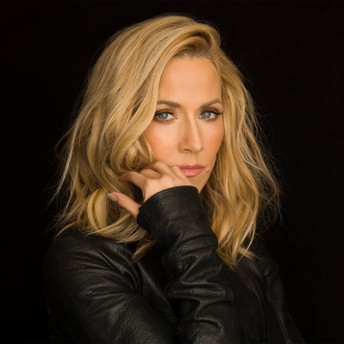
Furthermore, the participation of high-profile figures like Sheryl Crow in the debate highlights the ongoing responsibility of cultural icons to hold power to account. Crow’s argument that “if we continue to support this kind of distraction from reality, we are no better than them” serves as a rallying cry for citizens to remain vigilant.
Conclusion: A Call to Higher Standards
The controversy surrounding “UFC Freedom 250” is unlikely to dissipate quickly. It serves as a flashpoint for a broader societal debate regarding the intersection of celebrity, politics, and the erosion of civic norms. As Sheryl Crow noted, the path forward requires a conscious decision to reject the spectacle and focus on the substantive issues affecting the nation—from economic inequality to the integrity of public discourse.
“Let’s be better, America,” Crow urged. It is a sentiment that reverberates beyond the world of music and into the halls of government, challenging both the leaders and the led to re-evaluate the cost of the “new normal” and to determine if the price of such distractions is one the nation can afford to pay.