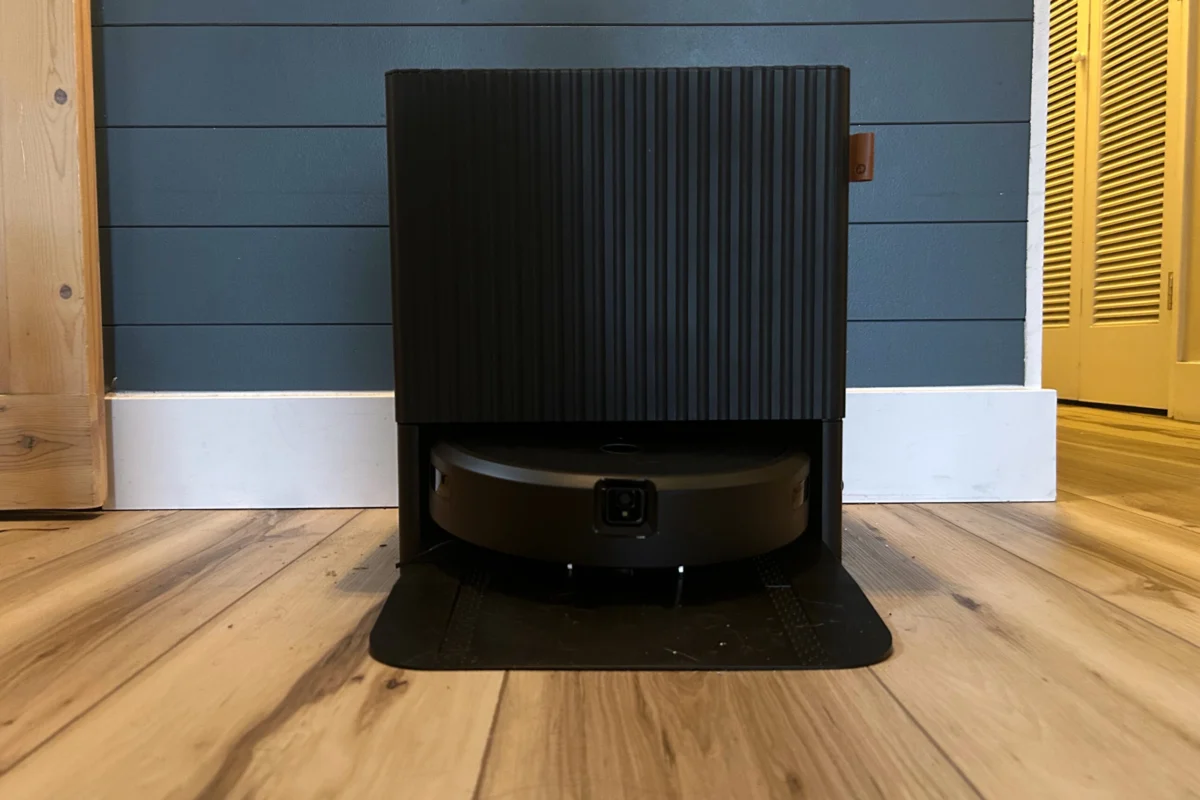
In the rapidly evolving landscape of home robotics, iRobot has long been the titan to beat. With the release of the Roomba Combo 10 Max + AutoWash dock, the company attempts to bridge the final gap in its hybrid cleaning ecosystem: the autonomous maintenance of the mop pad. By introducing a docking station that washes and dries the mop, iRobot is finally playing catch-up with rivals like Roborock and Ecovacs. However, as our testing reveals, this newfound convenience comes with a trade-off in core cleaning efficacy that may leave long-time fans questioning the premium $1,399.99 price tag.
Main Facts: A New Chapter in iRobot’s Hybrid Evolution
The Roomba Combo 10 Max+ is a significant pivot for the brand. For years, iRobot maintained a philosophical stance against self-cleaning mop docks, citing concerns over odors, bacterial buildup in internal reservoirs, and the sheer complexity of maintaining "self-cleaning" water systems. With the 10 Max+, the company has conceded that the modern consumer demands a truly "hands-off" experience.
Key Technical Specifications:
- Cleaning Modes: Vacuum-only, Mop-only, and Hybrid Vacuum/Mop.
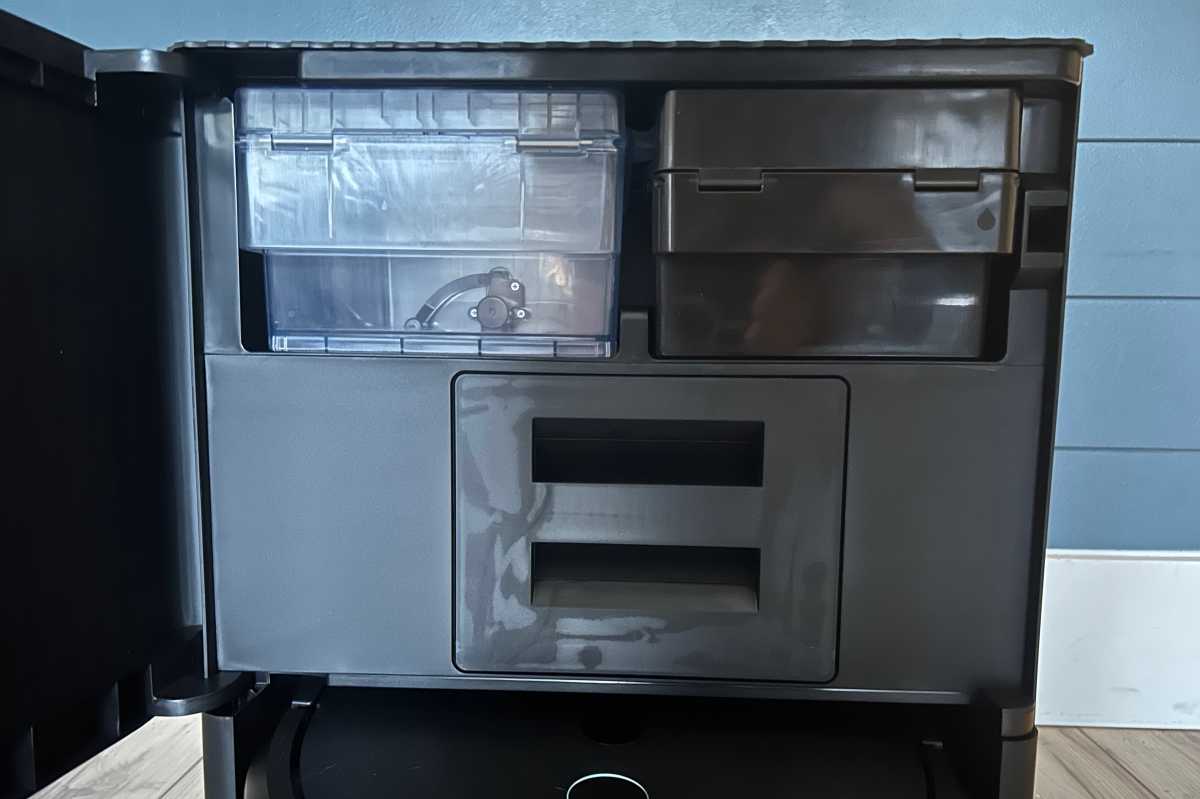
- Docking Station: The AutoWash Dock features a 3-liter clean-water tank and a 2.5-liter dirty-water reservoir, alongside an automated dust bag that lasts up to 60 days.
- Navigation: Advanced vision-based obstacle avoidance with a front-facing camera and headlight.
- Signature Tech: The proprietary retractable mopping arm, which lifts the pad to the top of the robot to prevent cross-contamination on carpets.
- Pet Security: The "Pet Owners Official Promise," offering a free unit replacement if the robot manages to smear pet waste within the first year of ownership.
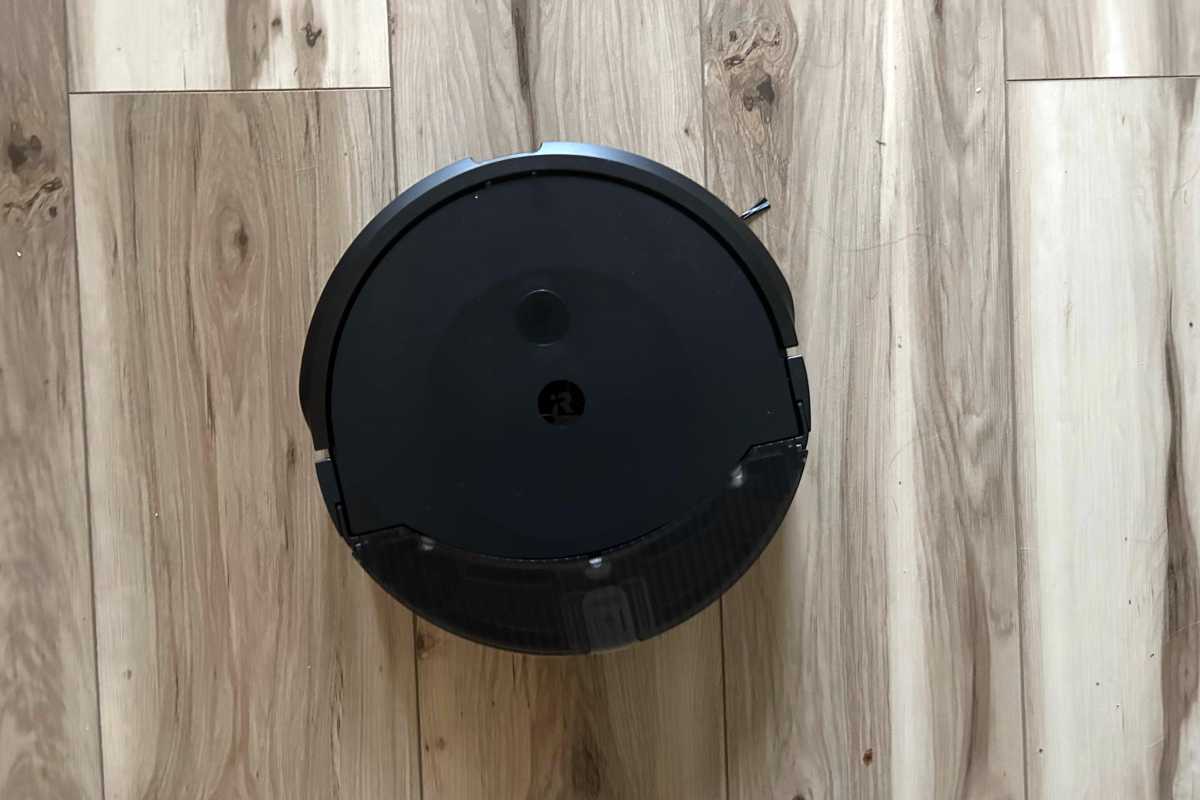
The device features a sleeker, all-black aesthetic, moving away from the metallic accents of the J-series to a more monolithic, understated design that blends into contemporary home decor.

Chronology: The Journey to the AutoWash Dock
The evolution of the Roomba Combo line is a study in incremental, albeit cautious, innovation.
- The Roomba Combo J7+ Era: This model introduced the industry-standard retractable mopping arm. It solved the "wet carpet" dilemma but required manual pad removal and laundering.
- The J9+ Refinement: iRobot doubled down on cleaning power and mapping intelligence but still resisted the "AutoWash" trend, sticking to the manual maintenance model.
- The Present Day: With the Combo 10 Max+, iRobot has fully embraced the "all-in-one" concept. The chronology of this development shows a company that has spent years refining the software and mapping (Dirt Detective, etc.) before finally integrating the hardware-heavy docking station.
The transition from a manual-maintenance system to the current AutoWash system represents a shift in market strategy: iRobot is no longer just selling a vacuum; it is selling a maintenance-free lifestyle.
Supporting Data: Performance Under the Microscope
While the AutoWash dock is a triumph of convenience, the actual floor-cleaning metrics suggest that the robot’s performance has plateaued—or in some specific scenarios, declined.
Vacuuming Efficiency
In controlled testing, the Combo 10 Max+ managed to recover approximately 95% of loose particulate matter (such as half a cup of rice) from area rugs. This is commendable. However, on hardwood surfaces, performance dipped to roughly 75%. The vacuum occasionally exhibited a tendency to scatter debris during its initial passes, likely due to side-brush velocity and air-intake adjustments.
Mopping Capability
The mopping function is where the 10 Max+ faces its steepest challenge. While it is highly capable of light maintenance—removing surface dust and restoring a sheen to tile and hardwood—it struggles with heavy-duty cleaning. During a "jelly test," designed to mimic dried, sticky spills, the robot spent considerable time scrubbing the area. While the visible mess was removed, a sticky residue remained, suggesting that the pressure applied by the mop pad is insufficient for truly stubborn, caked-on stains.
Comparison with Competitors
When placed alongside the Ecovacs Deebot X2 Omni, the iRobot falls short in water capacity. The Deebot offers 4 liters of clean water and 3.5 liters of dirty water, allowing for longer intervals between manual tank refills. The iRobot’s 3-liter/2.5-liter configuration is adequate for smaller homes but may require more frequent human intervention in larger floor plans.
Official Responses and Engineering Philosophy
iRobot representatives have consistently emphasized that their engineering decisions are driven by reliability. Regarding the late arrival of the pad-washing dock, the company has historically argued that it prioritized the "retractable mop arm" technology first to solve the cross-contamination issue.
Their stance is that while other manufacturers rushed to add washing docks that often suffered from clogged pumps and moldy water lines, iRobot spent the development cycle perfecting the internal fluid dynamics of their AutoWash system. They claim their "scrub and squeegee" mechanism for the mop pad is more robust than the standard brush-roll-style washers found on competing devices, which the company claims can harbor bacteria over time.
Implications: Is it Worth the Investment?
The Roomba Combo 10 Max+ sits at a precarious price point of $1,399.99. For that investment, the consumer is paying for the brand’s legendary navigation, the highly reliable obstacle avoidance (the best in the business for pet owners), and the convenience of a self-cleaning mop.
The Verdict
The implications for the consumer are clear:
- Buy it if: You prioritize obstacle avoidance above all else, you have pets, and you are already deeply invested in the iRobot ecosystem. The mapping and navigation remain best-in-class, and the "Pet Owners Official Promise" provides genuine peace of mind.
- Skip it if: You are looking for the absolute best vacuuming and mopping power on the market. If you are dealing with high-traffic areas, pet stains, and heavy cleaning needs, you may find better performance at a lower price point elsewhere.
The Roomba Combo 10 Max+ is a beautiful, highly intelligent machine that successfully solves the "maintenance problem" for the Roomba line. However, it serves as a reminder that adding a complex washing dock does not automatically translate to a better clean. For those currently using a Roomba Combo J9+, the jump to the 10 Max+ is an upgrade in convenience, but a lateral move in cleaning quality.
As iRobot moves forward, the pressure will be on them to iterate on their suction and mopping pressure to match their superior software navigation. Until then, the 10 Max+ remains a "luxury convenience" item rather than a revolutionary leap in home hygiene.