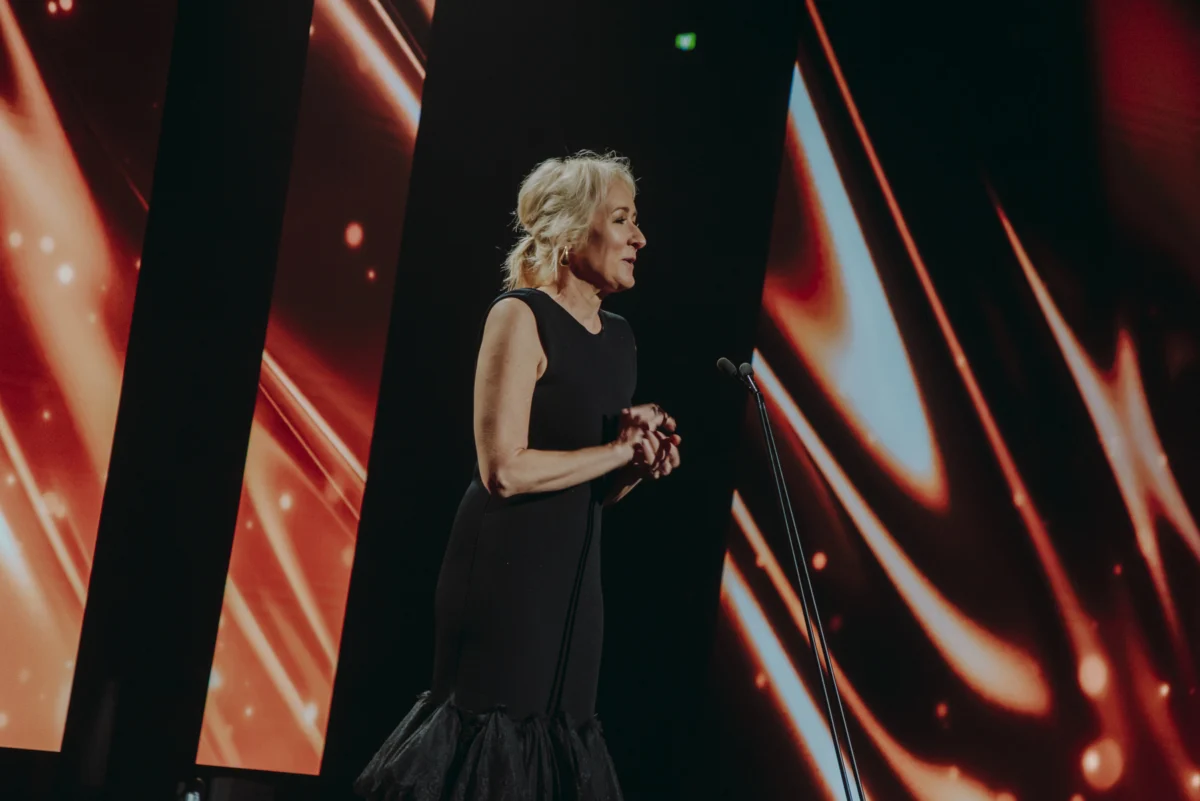
The 2026 ARIA Hall of Fame ceremony, held on Thursday, June 11, was intended to be a nostalgic celebration of four decades of Australian musical excellence. Yet, amidst the induction of six iconic acts—Gurrumul, Jenny Morris, Kate Ceberano, Spiderbait, The Living End, and Vika and Linda—the event transformed into something far more urgent. As the industry gathered to honor the past, the dominant narrative was a fierce, forward-looking defense of human creativity against the encroaching tide of artificial intelligence.
The evening served as a stark reminder that the music industry is currently embroiled in a high-stakes legislative war. With tech giants lobbying for “tiny tweaks” to copyright law that would facilitate the training of generative AI models on protected creative works, Australian artists and industry leaders are drawing a firm line in the sand.
A Legacy Honored, A Future Defended: The Chronology of the 2026 Induction
The 2026 ARIA Hall of Fame marked a significant milestone, being the first standalone event of its kind since 2010. The occasion coincided with the 40th anniversary of the ARIA Awards, prompting a collective reflection on the architects of the Australian soundscape.
The ceremony began with a solemn and celebratory atmosphere, honoring the inductees who have defined the cultural fabric of the nation. From the profound, ethereal legacy of the late Gurrumul to the punk-infused energy of The Living End, the night was a testament to the power of human storytelling. However, ARIA CEO Annabelle Herd used the platform to pivot the conversation toward the existential threats facing these very creators.
This event did not happen in a vacuum. It followed a tumultuous year of policy debate. In late 2025, Australia’s Productivity Commission published its final report, Harnessing data and digital technology. While the report stopped short of recommending immediate, sweeping changes to copyright law—a minor victory for creators—the industry remains on high alert. The government, led by Attorney-General Michelle Rowland, has so far resisted industry-wide pressure to create broad copyright exemptions for text and data mining (TDM), but the music sector is aware that the lobbying efforts from Big Tech are far from over.
The Regulatory Tug-of-War: Data and Copyright
At the heart of the conflict is the concept of "fair use" and the right to control one’s intellectual property. As tech companies continue to pour investment into Australia, they are simultaneously pressuring Canberra to weaken the copyright protections that currently prevent the unauthorized scraping of music for AI training sets.
The Australian music industry, bolstered by high-profile advocates like Midnight Oil’s Peter Garrett, Missy Higgins, and Julian Hamilton of The Presets, has mounted a sophisticated counter-offensive. They argue that if AI is allowed to ingest music without consent, compensation, or credit, it will effectively cannibalize the very artists it relies on to function.
The government’s current stance—a refusal to "water down" existing protections—has been applauded by ARIA. However, industry insiders recognize that the "regulatory and political moment" is fluid. The constant stream of tech executives visiting Canberra, "waving large cheques" and promising innovation, places immense pressure on the Australian government to prioritize economic expediency over the rights of the creative class.
Setting the Standard: New AI Guidelines for the ARIAs
Demonstrating that they are not content with mere protest, ARIA has taken proactive steps to define the role of AI within the industry. Ahead of the 2026 ARIA Awards, the trade body released updated submission guidelines that draw a clear boundary between human-centric art and machine-assisted output.
Under the new rules, recordings that incorporate AI elements are eligible for submission, provided that:

- Human Primacy: A human must be the primary creator, and the human contribution must be "substantial and meaningful."
- Prohibition of AI Sole-Authorship: AI cannot serve as the sole or central element of any submission.
- Lawfulness: Any AI services or tools used in the creative process must be "properly authorized and lawful."
These guidelines reflect a growing consensus in the industry: AI is a tool, not a replacement. By formalizing these requirements, ARIA is attempting to safeguard the value of human authorship while acknowledging the reality of modern production techniques.
The Economic and Cultural Implications
The implications of this debate extend far beyond the recording studio. As Annabelle Herd noted in her keynote address, "Getting this right means everyone wins." If the regulatory framework is balanced, it could foster a symbiotic relationship where tech platforms and creators coexist. Conversely, if copyright is dismantled, the damage could be generational.
The Threat to First Nations Culture
One of the most profound concerns raised during the event was the impact of AI on Indigenous storytelling. If AI is granted "unfettered access" to extract and exploit thousands of years of First Nations culture, the risk of cultural misappropriation and erasure becomes acute. The industry is calling for specific safeguards to ensure that ancient, communal knowledge is not treated as mere data to be scraped and monetized by private corporations.
The Economic Value of Human Labor
The industry’s argument is fundamentally economic: the value of music is derived from the human experience, the risk taken by the artist, and the emotional resonance of the performance. If AI products are allowed to flood the market with "cheap" alternatives—generated from the labor of those they replace—the market for professional musicians could collapse. The argument presented by the industry is that tech companies should not be the arbiters of how music is valued or used.
An Industry "Like a Dog with a Bone"
The tone of the 2026 Hall of Fame was one of resolute defiance. Despite the festive nature of the inductions, the subtext was clear: the Australian music industry is prepared for a long-term fight.
"Our opportunity to shape how AI influences music and what Australian music looks like for generations to come relies on us all getting it right in this regulatory and political moment," Herd stated. Her message to the government—and to the tech sector—was emphatic: "Hold firm."
As the evening concluded, the industry was left with a dual mandate: to continue honoring the monumental contributions of artists like Kate Ceberano and Spiderbait, and to ensure that the path remains open for the next generation of human artists. By moving the conversation from the boardroom to the stage, the ARIA Hall of Fame 2026 succeeded in galvanizing public opinion and political will.
Whether the government will continue to withstand the immense lobbying pressure from the tech sector remains the primary question for the coming year. However, if the resolve shown at the Hall of Fame is any indication, the creative community will not be going quietly into the age of automation. The music industry, as Herd famously noted, will be "like a dog with a bone" when it comes to defending the sanctity of the song.
In the final assessment, the 2026 event was more than an awards ceremony; it was a rallying cry. It signaled that while technology may evolve, the fundamental right of an artist to own their life’s work is a battleground upon which the future of Australian culture will be decided. The industry is no longer just asking for a seat at the table—they are demanding that the table be built on a foundation of respect, consent, and human value.