Counting Crows Elevate Live Sound with Advanced IEM Technology: Inside Their Custom JH Audio Touring Rig
017 mins
LIVE SOUND
Supported by Allen & Heath
Main Facts
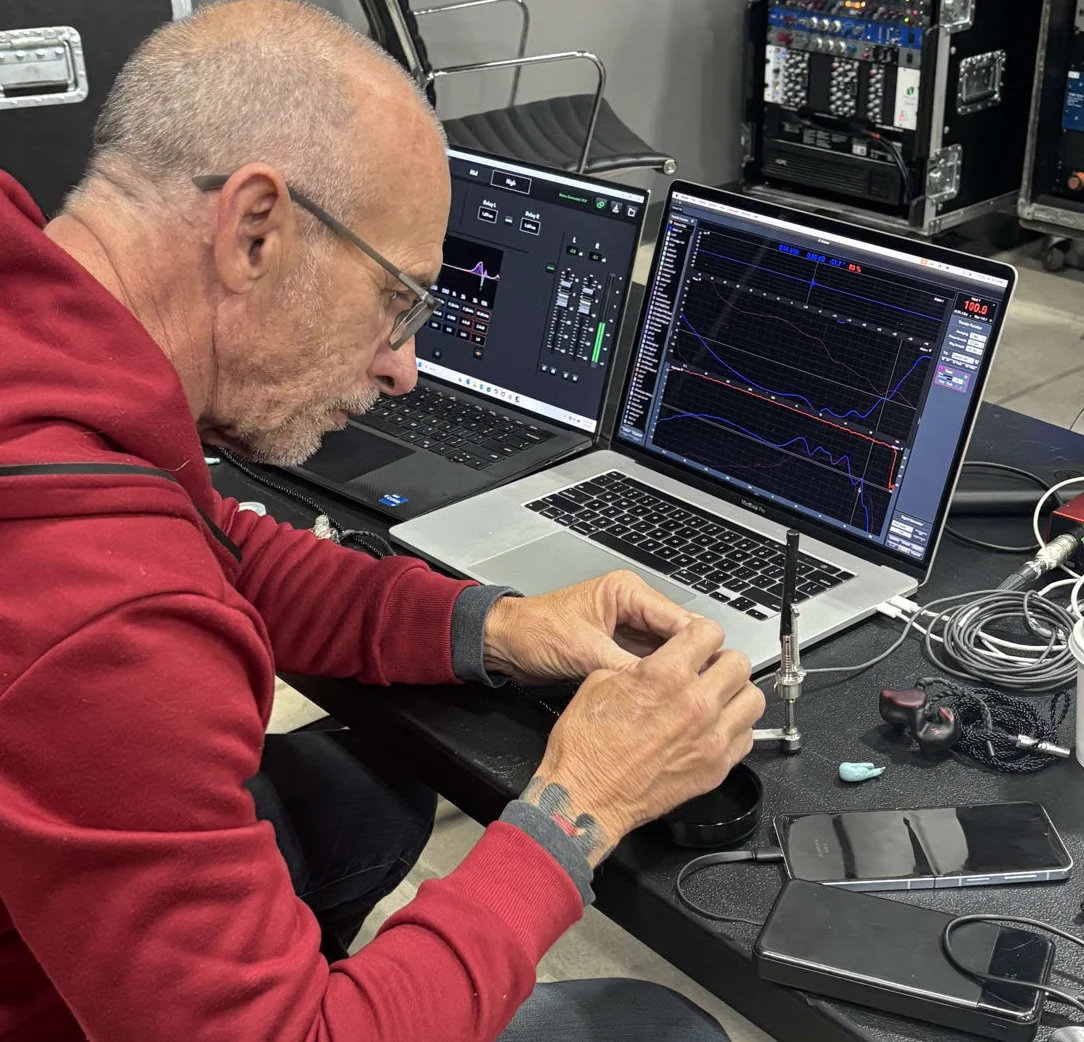
On their latest North American and international touring cycle, veteran alternative rock band Counting Crows has tackled some of the most persistent hurdles in live audio—complex phase cancellation, timing discrepancies, and mix clarity—through a high-end, highly customized In-Ear Monitoring (IEM) ecosystem. Headed by longtime monitor engineer Shawn London, the touring production has integrated custom-built JH Audio in-ear monitors, anchored by the Pearl/Ruby2 and Layla systems, alongside a top-tier DiGiCo digital infrastructure.
The initiative, originally sparked by former monitor engineer Kory in direct collaboration with JH Audio founder and president Jerry Harvey, is designed to give every member of the band a meticulously tailored, discrete mix. Rather than relying on traditional, blanket stage monitoring or standard digital setups, the Counting Crows production team has embraced a boutique, studio-grade signal chain on stage.
The lineup is divided across specific earphone models optimized for individual roles:
Charlie Gillingham (Keyboards)
Millard Powers (Bass)
Dave Bryson (Guitar)
Jim Bogios (Drums)
All utilize JH Audio Pearl/Ruby2 IEMs.
Adam Duritz (Lead Vocals)
Dan Vickrey (Guitar)
Both utilize JH Audio Layla IEMs.
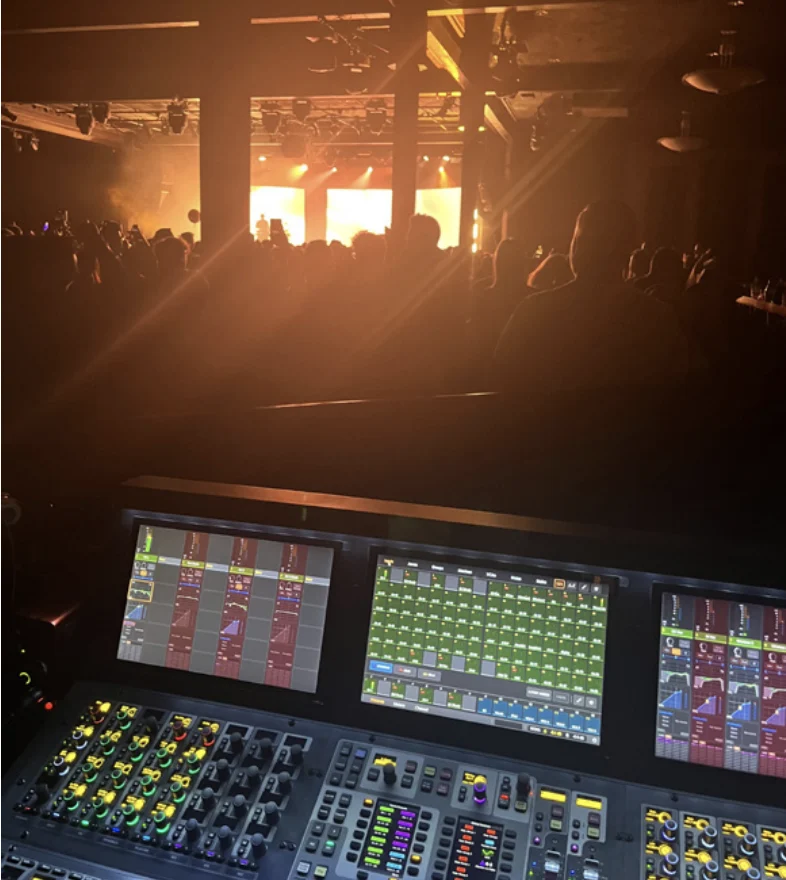
Driving this intricate setup is a DiGiCo Quantum 338 mixing console coupled with heavily modified wireless transmission hardware, ensuring that the organic warmth of a roots-rock and alt-rock stage is preserved without sacrificing modern digital precision.
Chronology: The Evolution of the Counting Crows Monitoring Rig
The journey toward this advanced monitoring architecture did not happen overnight; it was born out of years of searching for solutions to acoustic challenges inherent in live rock-and-roll configurations.
Pre-2023: Identifying the Bottlenecks
For years, touring engineers working with Counting Crows faced a familiar dilemma. While the band relies heavily on organic, real-world instruments—acoustic and electric guitars, authentic drum kits, and grand pianos—the scale of modern venues and the density of the arrangements frequently created muddy acoustic environments on stage. Previous monitor engineer Kory recognized that older, all-analog systems and standard digital routing simply lacked the surgical precision required to untangle complex phase and timing issues. Standard gear could not provide the transient response and instrument separation the musicians needed to perform at their highest level night after night.
Early 2023: The Introduction of JH Audio Pearl
The turning point arrived in early 2023 when the production team began experimenting with JH Audio’s advanced earpiece technology. Recognizing the capabilities of the Pearl system—particularly its active crossover capabilities and digital time-alignment features—the crew integrated the monitors into the live signal chain. The improvement in audio fidelity, headroom, and overall controllability was immediate.
The Current Tour: Dialing in the Active Ecosystem
On the band’s current outings, Shawn London has fully optimized the framework laid down by his predecessor and Jerry Harvey. Working side-by-side with Harvey, who personally dials in the band’s IEM curves, London runs a sophisticated matrix of gain, phase, time, and equalization parameters for every single input. The result is a seamless live experience where the band hears a studio-quality representation of the music without losing the raw energy of a live performance.
Supporting Data & Technical Breakdown
To fully appreciate the technical depth of the Counting Crows monitor world, one must examine the specific hardware, software, and acoustic engineering principles driving the rig.
The Console and RF Infrastructure
At the heart of the operation sits a DiGiCo Quantum 338 mixing console. Known for its immense processing power, mustard processing channels, and robust FPGA architecture, the Quantum 338 gives London the canvas required to handle the dense channel counts and exacting routing demands of the band.
Feeding the IEMs are wireless transmitters and receivers that have been custom-modified to interface cleanly with the specialized JH Audio architecture. This modification is crucial; standard off-the-shelf wireless systems can introduce compression artifacts or frequency roll-offs that degrade the performance of high-end custom IEMs.
JH Audio Pearl/Ruby2 and Layla Specifications
Pearl/Ruby2 (Gillingham, Powers, Bryson, Bogios): These units feature advanced active crossovers that allow London to digitally adjust the time alignment between individual internal drivers down to an astonishing 0.01 milliseconds. This eliminates micro-phase cancellations inside the ear canal, yielding unprecedented clarity. Furthermore, the exceptional dynamic range of the Ruby2 platform preserves the natural, organic dynamics of a live rhythm section.
Layla (Duritz, Vickrey): Tailored specifically for nuanced vocals and intricate lead guitar work, the Laylas excel at maintaining pristine separation across the frequency spectrum, ensuring that Duritz’s heavily processed vocal chain translates transparently.
Adam Duritz’s Dedicated Vocal Signal Chain
Lead vocalist Adam Duritz possesses a signature, highly polished studio vocal sound that he has cultivated over decades of recording and performing. To replicate that comfort zone on stage, London has built a dedicated outboard processing chain entirely for Duritz’s personal IEM mix:
Neve 1073 Mic Preamplifier: Imparts classic British transformer warmth and harmonic saturation.
BSS DPR 901 Dynamic EQ: Manages dynamic frequency build-ups without heavy-handed static EQ filtering.
Tube-Tech SMC 2B Multiband Compressor: Controls the vocal dynamics smoothly across distinct frequency bands, mirroring high-end studio mastering chains.
UA 1176 Peak Limiter: Adds characteristic fast-attack punch and attitude.
Neve 5059 Satellite Matrix Mixer: Sums and shapes the final elements of the vocal parallel processing.
This dedicated chain feeds exclusively into Duritz’s Layla IEMs, while a separate, cleaner mix is routed to the front-of-house (FOH) engineers and his fellow bandmates.
Official Responses and Perspectives
The synergy between the artist, the engineer, and the equipment manufacturer has been the cornerstone of this touring success story.
Monitor engineer Shawn London emphasizes that the primary goal was never to sterilize the performance, but rather to give the musicians a clearer window into what they are creating.
"The stage setup is mainly real instruments aside from the piano, but we utilize a digital footprint to control everything," London explains. "The issue that Kory, and by extension myself, were looking to address were complex timing and phase issues that we found couldn’t be solved with older all-analog or standard digital setups. The level of precision simply wasn’t there with the existing equipment."
Once the Pearl system entered the picture, London noted that the workflow completely transformed:
"Once we realized what Pearl was capable of, it became clear that we’d be able to tackle all this while also providing an enhanced level of clarity and separation. We began integrating Pearl into our signal chain by early 2023 and the difference in controllability and audio quality was immediately evident."
Discussing the baseline acoustic profiles provided by the manufacturer, London praises the collaborative approach taken by JH Audio’s founder:
"Jerry’s curves serve as an excellent baseline and sound exceptional on their own, which is a great place to start. For the band members using the Ruby2/Pearl system, we can use its active crossover to adjust the time between components digitally, which allows us to get the time within .01mS. The excellent dynamic range of Ruby2 is a real advantage when you are mixing a band whose identity revolves around real instruments. It helps to preserve the organic nature of the live mix while still providing them with precise information to ensure everything sounds right."
Addressing the bespoke vocal setup for Adam Duritz, London highlights the importance of psychological comfort during a high-stakes performance:
"There is a studio vocal sound that Adam has developed and become very comfortable with in terms of his own performances. We’re able to route that sound directly into his IEMs while giving his bandmates and FOH a ‘clean’ mix that is more suitable for those purposes. The JH Layla’s preserve the clarity and character of that very well, which enables him to perform at his best without any compromises. Ultimately, there haven’t been any complaints so that’s a good sign that it’s working exactly as intended."
Implications for the Live Sound Industry
The monitoring strategies deployed on the current Counting Crows tour point to a broader, highly influential trend in modern live concert production: the blurring of lines between studio-grade signal processing and live stage monitoring.
1. The Rise of Micro-Timing and Phase Alignment in IEMs
For decades, stage monitoring discussions focused primarily on mix balance, limiter safety, and ambient bleed. However, as multi-driver custom in-ear monitors have grown more sophisticated, phase coherence across internal crossover points has emerged as a major frontier. By leveraging digital active crossovers to dial in driver timing down to hundredths of a millisecond, engineers like Shawn London are eradicating the subtle ear fatigue that musicians often experience during long tours. This sets a new benchmark for what touring artists can expect from their personal ear systems.
2. Tailored Environments for Organic Bands
There is a common misconception that ultra-detailed digital monitoring rigs are only useful for pop, electronic, or heavily tracked touring acts that rely heavily on backing tracks and clicks. The Counting Crows tour proves the exact opposite. For a roots-driven, organic rock band where dynamics fluctuate naturally from song to song, having precise separation and custom time-alignment actually protects the organic feel of the music. It allows musicians to hear each other cleanly without needing dangerously high stage volumes from wedge monitors or over-compressed wireless mixes.
3. The Studio-on-Stage Philosophy
Adam Duritz’s dedicated vocal chain—utilizing legendary outboard gear like the Neve 1073 and Tube-Tech multiband compression routed straight to his ears—illustrates a growing demand for psychological and sonic continuity between an artist’s recorded output and their live reality. When vocalists hear a familiar, studio-treated version of their voice in their ears rather than a raw, dry stage mic feed, their confidence, pitch control, and vocal health are profoundly supported.
As live audio technology continues to advance, the methods pioneered by JH Audio, Shawn London, and the Counting Crows production team will undoubtedly serve as a masterclass for monitor engineers striving to conquer the acoustic chaos of the modern concert stage.
About the Industry: Allen & Heath is a leading designer and manufacturer of mixing desks for live sound, permanent installation, DJs, broadcast, and recording studios, continuously supporting innovations in professional audio engineering.