May 12, 2026 – Over four decades after its initial release, Van Halen’s fifth studio album, "Diver Down," continues to spark discussion and critical re-evaluation. Initially met with a mixed reception, characterized by its heavy reliance on cover songs, the album, released in 1982, has transcended its divisive origins to become a fascinating case study in artistic evolution and an audiophile’s delight. This deep dive explores the album’s surprising resilience, its sonic journey through various pressings, and the meticulous craftsmanship that has brought its unique sound to a new generation of listeners.
The Enigmatic "Diver Down": A Departure from the Expected
Van Halen’s discography is a tapestry woven with groundbreaking innovation and unapologetic rock and roll swagger. While albums like "Van Halen" and "1984" are universally lauded as cornerstones of the genre, "Diver Down" occupies a more peculiar, yet ultimately significant, space. The album’s most striking characteristic was its audacious embrace of cover versions, a bold move for a band that had built its reputation on original, high-octane material.
The tracklist featured a substantial portion dedicated to reinterpreting classics from artists like The Kinks, The Beach Boys, and Little Richard. This decision, largely orchestrated by the band themselves, represented a departure from the more song-driven approach of their earlier work. While their initial breakthrough success had been partly propelled by a spirited cover of The Kinks’ "You Really Got Me," the sheer volume of covers on "Diver Down" proved to be a challenging proposition for some fans and critics accustomed to the band’s original compositions.
Tracks like "Pretty Woman" and the ambitious medley "Happy Trails" (a medley of Roy Rogers’ "Happy Trails" and "The Thrill Is Gone") were sonic experiments that demanded a certain level of devotion from the listener. These were not the anthems that had previously defined Van Halen; they were more eclectic, at times whimsical, and undeniably a reflection of the band’s evolving musical palette. However, what might have seemed like a risk or even an indulgence at the time has, over the years, revealed itself as a compelling artistic statement. "Diver Down," in its oddity, stands as an interesting exercise for a band that was, in many ways, still on the run – exploring new sonic territories and pushing the boundaries of their established sound.
A Sonic Odyssey: From Compressed Originals to Audiophile Perfection
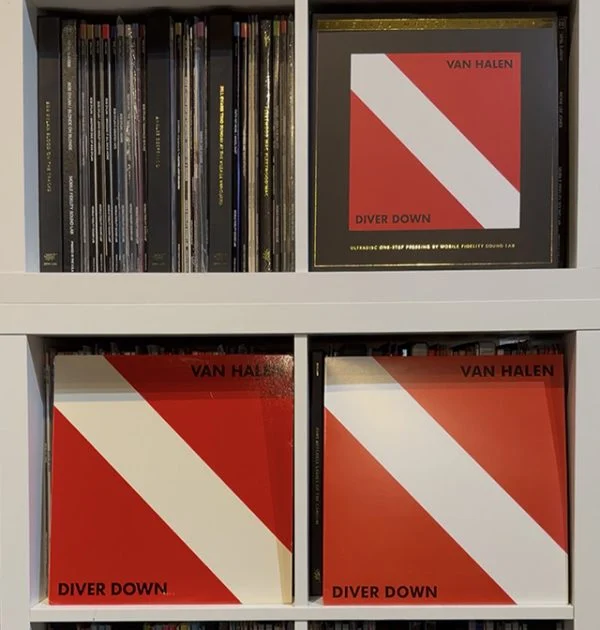
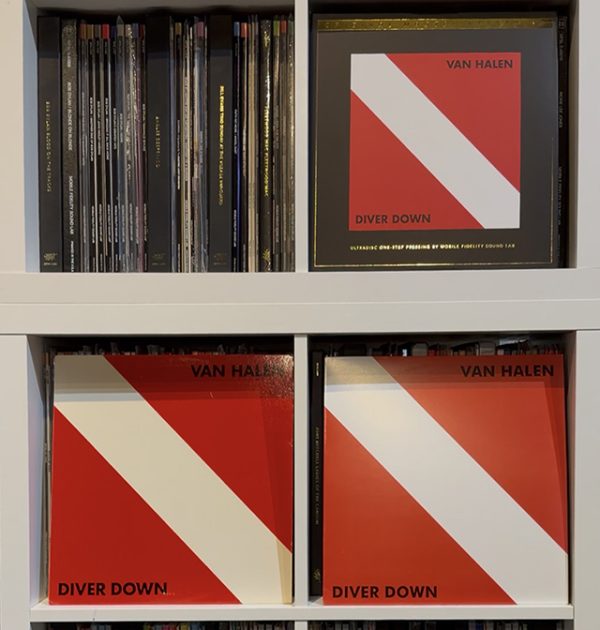
The listening experience of "Diver Down" has been a journey in itself, particularly for those who have sought to capture its essence through various vinyl pressings. Comparing the original pressing, purchased by dedicated fans on its release day, to later reissues, including the notable Chris Bellman mastering and the current Mobile Fidelity Sound Lab (MoFi) ONE-Step release, reveals a stark evolution in sonic fidelity.
H2: The Original Pressing: A Glimpse of the Past, A Shadow of Potential
The initial pressing of "Diver Down," like many original Van Halen records, suffered from inherent limitations in its sonic presentation. Characterized by a compressed dynamic range and a truncated low-end, it offered a glimpse into the band’s intentions but fell short of realizing their full sonic potential. This sonic characteristic has led to much speculation over the years. Was this a deliberate choice to enhance radio play, ensuring the tracks would cut through the static of AM and FM broadcasts? Or was it an oversight, a consequence of the recording and mastering techniques prevalent in the early 1980s?
Some have posited theories, ranging from passive-aggressive intentions towards bassist Michael Anthony, whose contributions might have been less prominent in a bass-light mix, to simply prioritizing an accessible, radio-friendly sound. Regardless of the precise motivations, the original pressing, while historically significant, often left listeners yearning for a more robust and immersive audio experience. The compressed nature meant that subtle nuances were lost, and the overall impact of the music, particularly the driving rhythms and Eddie Van Halen’s intricate guitar work, was somewhat diminished.
H3: The Chris Bellman Restoration: A Significant Step Forward
The mastering efforts of Chris Bellman marked a significant turning point in the sonic rehabilitation of "Diver Down." Bellman’s work is widely recognized for its ability to breathe new life into classic recordings, and his mastering of "Diver Down" was no exception. This version demonstrably brought back a substantial amount of the detail and sonic information that had been lost in the original pressing. The low-end, often the victim of early mastering techniques, was notably improved, providing a more solid foundation for the music.
The Bellman version represented a major step in the right direction, offering listeners a clearer, more defined rendition of the album. It allowed the intricacies of Eddie Van Halen’s guitar solos to shine through with greater clarity, and the rhythm section regained some of its lost punch. However, as audiophiles and dedicated fans have discovered, there was still more sonic magic lurking within the master tapes, waiting to be fully unleashed.
H3: The MoFi ONE-Step: Unveiling the Album’s True Brilliance
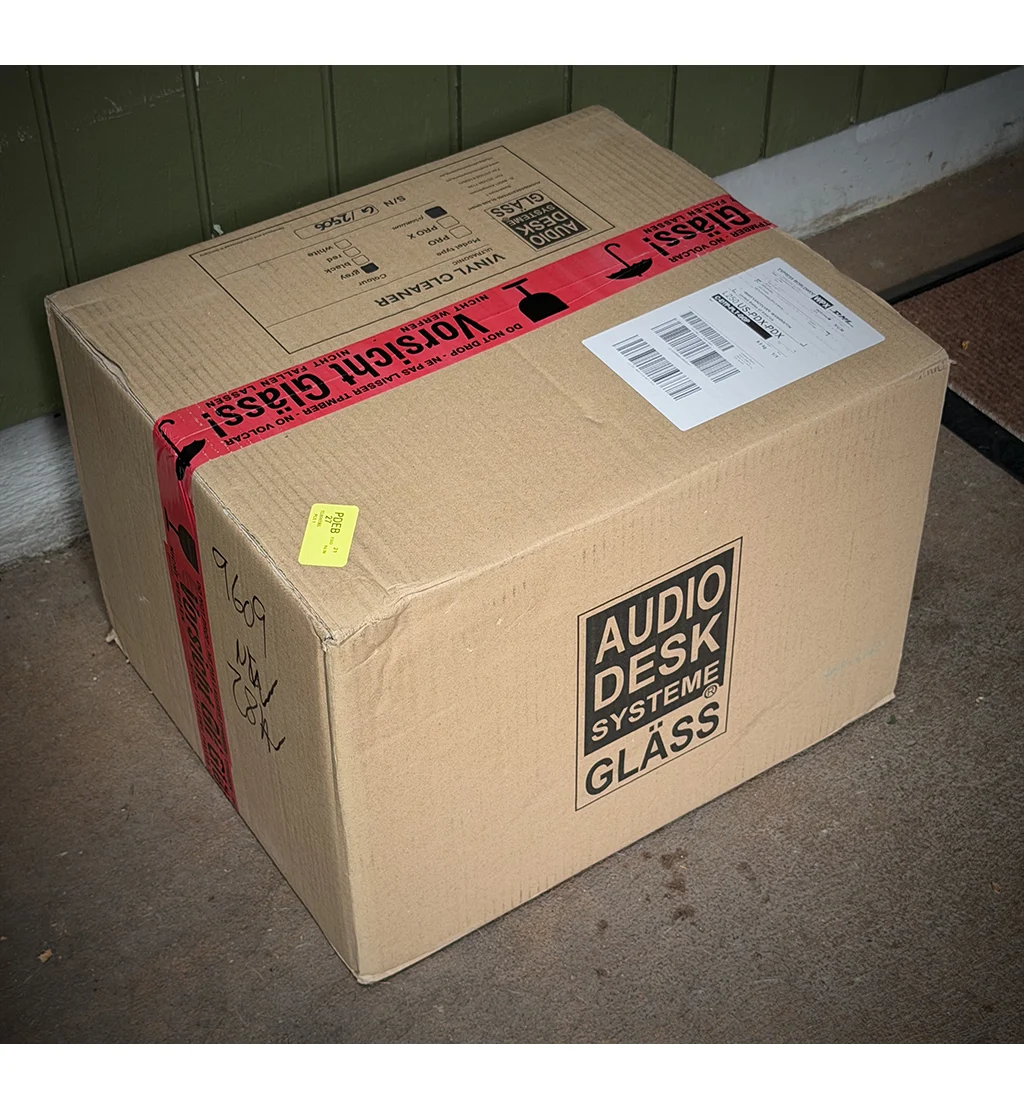
The recent release of "Diver Down" as part of Mobile Fidelity Sound Lab’s acclaimed ONE-Step series has, for many, represented the definitive sonic experience of the album. The MoFi ONE-Step process is renowned for its meticulous approach to mastering and pressing, aiming to capture the purest possible representation of the original master tape. The results for "Diver Down" are nothing short of revelatory.
The MoFi version doesn’t just restore what was lost; it elevates the entire listening experience. The dynamic range is expanded, allowing for a much greater sense of impact and subtlety. The low-end is not merely restored but is rendered with a depth and definition that was previously unimaginable. This is particularly evident on tracks like "Big Bad Bill (Is Sweet William Now)."
The genius in the execution of the MoFi version is most profoundly showcased on this particular cut. The track doesn’t just rock harder in every conceivable way; the restored bottom end is delivered with absolute perfection. But beyond the sheer power and clarity, it is the smoothness and richness of the tone in Eddie Van Halen Sr.’s (Edward Van Halen’s father) clarinet solo that truly astounds. This is a level of detail and sonic texture that was simply not audible on previous pressings. The warmth, the subtle breath control, and the character of the instrument are brought to the fore with an almost holographic presence.
It’s in instances like this that the enduring magic of vinyl truly rules the day. While MoFi also offers the album on SACD (Super Audio CD), a format known for its high-fidelity digital audio, the vinyl version of "Diver Down" in this ONE-Step iteration provides a tactile and immersive experience that many believe surpasses even its digital counterpart. The warmth, the depth, and the sheer organic sound that vinyl can offer, when mastered and pressed to this level of quality, create a listening environment that is both engaging and emotionally resonant.
Chronological Context: The Band on the Cusp of Change
To fully appreciate "Diver Down," it’s essential to place it within the broader context of Van Halen’s career trajectory. Released in 1982, the album arrived at a pivotal moment. The band had already established themselves as titans of hard rock, with a string of successful albums and a reputation for electrifying live performances. However, the music landscape was beginning to shift, with the rise of new wave, synth-pop, and a broader acceptance of more diverse musical influences.
"Diver Down" can be seen as Van Halen’s response to this evolving environment, albeit in their own idiosyncratic way. The embrace of covers, while seemingly a conservative choice, allowed them to experiment with different genres and vocal styles without deviating too far from their core identity. It was a way of engaging with the musical heritage that had inspired them, while also showcasing their own interpretive prowess.
The album was also released during a period of intense touring and recording for the band. The relentless schedule and the demands of maintaining their superstar status undoubtedly influenced their creative process. "Diver Down" might have been, in part, a way to maintain momentum and deliver new material to their eager fanbase while also allowing for some creative respite from the pressure of writing entirely original songs.
Supporting Data: Critical Reception and Sales Figures
While "Diver Down" may not have reached the stratospheric sales heights of "1984," it was still a commercially successful album, achieving platinum certification in the United States. Its charting performance, while respectable, was not as dominant as some of their earlier works.
Critically, the album garnered a mixed bag of reviews. Many praised the band’s musicianship and Eddie Van Halen’s continued innovation on the guitar. However, the heavy reliance on cover songs was a frequent point of contention, with some critics finding it to be a less cohesive and original offering compared to their previous efforts.
- Release Date: May 1982
- Certifications: Platinum (RIAA, USA)
- Notable Covers: "Pretty Woman" (Roy Orbison), "You Really Got Me" (The Kinks), "Happy Trails" (Roy Rogers)
- Chart Performance: Reached the top 5 on the Billboard 200.
Despite the critical divisions, the album’s enduring appeal lies in its ability to connect with fans on a deeper level. The "true fans" mentioned in the article are those who appreciated the band’s willingness to take risks and explore different sonic avenues, even if it meant venturing into less familiar territory.
Official Responses: A Band’s Evolving Perspective
While direct official statements from the band regarding the specific sonic qualities of different pressings are rare, the continued reissuing and remastering of their catalog by reputable labels speaks volumes. The fact that "Diver Down" has been subjected to such meticulous audiophile treatment, particularly the MoFi ONE-Step release, suggests an acknowledgment of the album’s untapped potential and a desire to present it in its best possible sonic form.
The band members themselves have, over the years, expressed varying perspectives on their catalog. While the focus often remains on their most iconic works, the re-evaluation of albums like "Diver Down" through high-quality reissues indicates a respect for their entire artistic output. The resurgence of interest in the album’s sonic fidelity can be seen as a testament to the enduring legacy of Van Halen’s musical contributions and the meticulous work of those dedicated to preserving and enhancing their sound.
Implications: A Legacy Re-Examined and Audiophile’s Triumph
The re-emergence of "Diver Down" as an audiophile darling has several significant implications. Firstly, it highlights the evolving nature of music appreciation. What was once perhaps overlooked or dismissed due to its sonic limitations is now being rediscovered and celebrated for its inherent musicality and the potential for a truly immersive listening experience.
Secondly, it underscores the crucial role of mastering and pressing in the vinyl revival. The MoFi ONE-Step process, in particular, has demonstrated that even albums with less-than-ideal original pressings can be transformed into sonic masterpieces. This benefits not only long-time fans but also introduces a new generation of listeners to the rich, detailed sound that vinyl can offer.
Finally, "Diver Down" stands as a testament to the enduring power of artistic exploration. Despite its unconventional approach, the album has found its place in the Van Halen canon, resonating with those who appreciate the band’s willingness to experiment and push boundaries. As the article aptly concludes, asking "where have all the good times gone?" in reference to the opening track, it’s a question that can be answered by rediscovering the joy and sonic brilliance that albums like "Diver Down," in their most pristine forms, continue to offer. The journey from a compressed original to a meticulously crafted MoFi ONE-Step is a journey back to the music itself, allowing its "wackiest" album to finally sing in full glory.