May 12, 2026 – Over four decades after its initial, somewhat perplexing release, Van Halen’s "Diver Down" is experiencing a significant resurgence in critical appreciation and sonic clarity. Initially met with a divided reception, this album, largely composed of cover songs, is now being re-examined not as a departure, but as a fascinating and ultimately successful experiment by a band at a pivotal point in their career. This reappraisal is further amplified by the emergence of meticulously remastered versions, most notably Mobile Fidelity Sound Lab’s (MoFi) ONE-Step vinyl pressing, which has unlocked sonic details previously lost to time and the limitations of early analog recording and mastering.
The Enigmatic "Diver Down": A Departure or a Deconstruction?
Released in the spring of 1982, "Diver Down" arrived as a curious chapter in the illustrious discography of Van Halen. Following the explosive success of their first three albums, which established them as titans of hard rock, "Diver Down" presented a collection heavily reliant on interpretations of existing material. While the band had demonstrated their prowess with covers early on, with their iconic rendition of The Kinks’ "You Really Got Me" a cornerstone of their debut, "Diver Down" took this inclination to a new level. Tracks like their energetic take on Martha and the Vandellas’ "Dancing in the Street" and the somewhat polarizing inclusion of Roy Orbison’s "Pretty Woman" alongside a medley titled "Happy Trails" left many fans and critics questioning the band’s direction.
The album’s opening track, a cover of The Kinks’ "Where Have All the Good Times Gone?", ironically set a contemplative tone that seemed at odds with the band’s established image of unadulterated rock and roll hedonism. This choice, coupled with the album’s overall eclectic nature, led to it being perceived by some as a less cohesive or even a transitional effort. However, with the passage of time and the benefit of hindsight, a more nuanced understanding of "Diver Down" has begun to take hold. Many now view the album as an audacious and surprisingly effective exploration of the band’s musical versatility and their willingness to engage with diverse sonic palettes, even within the framework of their signature sound. It represents an "oddball VH record" that, against initial expectations, "stands up" and offers an "interesting exercise for this band on the run."
A Sonic Archaeology: From Compressed Originals to MoFi’s Masterpiece
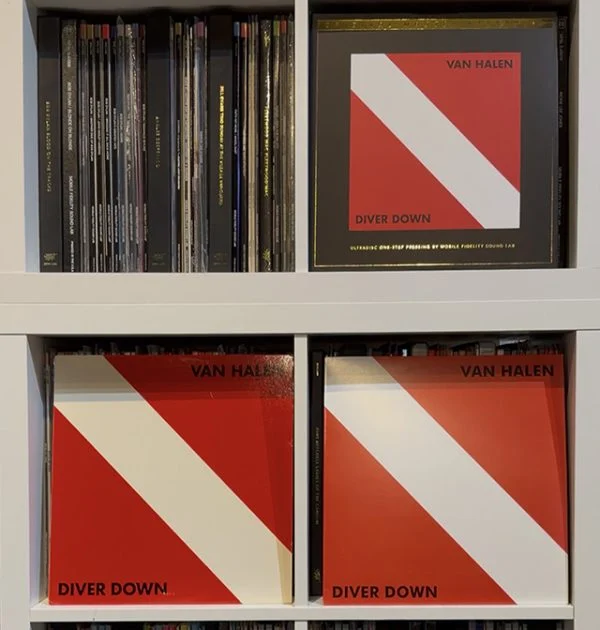
The journey of "Diver Down" from its initial vinyl release to contemporary audiophile reissues is a testament to the evolution of audio technology and mastering techniques. The author’s personal experience, comparing an original pressing purchased on release day with a later Chris Bellman remaster and the current MoFi ONE-Step, provides a compelling narrative of sonic rediscovery.
H2: The Original Pressing: A Glimpse Through a Compressed Lens
The original vinyl pressing of "Diver Down," like many records from that era, suffered from inherent limitations in its mastering. The author notes that it was "compressed, with a truncated bottom end." This compression, while often implemented to ensure better radio play and a more consistent sound across various playback systems, inevitably sacrificed dynamic range and the full richness of the low frequencies. The question of whether this was a deliberate choice or an oversight is left open, with the author playfully speculating about "passive aggressiveness towards the affable Michael Anthony" or simply a pragmatic approach to radio-friendly sound. Regardless of the intent, the original pressing, while carrying the nostalgic weight of its initial release, presented a sonic picture that was somewhat flattened and lacking in depth.
H3: The Chris Bellman Remaster: A Significant Step Forward
The Chris Bellman remaster represented a significant improvement, breathing new life into the album. Bellman, known for his meticulous work on reissues of classic rock albums, "definitely brings back a lot of what’s been lost, and is a major step in the right direction." This version offered a more open and detailed soundstage, with a noticeable restoration of clarity and a fuller frequency response. It demonstrated that "there’s more lurking in that master," hinting at the untapped potential of the original recordings that had been obscured by the initial mastering. For many listeners, the Bellman remaster served as a welcome upgrade, allowing them to appreciate "Diver Down" with renewed enthusiasm.
H3: The MoFi ONE-Step: Unveiling Sonic Brilliance
The current Mobile Fidelity Sound Lab (MoFi) ONE-Step pressing, however, represents a paradigm shift in the sonic interpretation of "Diver Down." This ultra-premium format, employing a specialized mastering and pressing process designed to capture the utmost fidelity from the original analog master tapes, has truly unlocked the album’s sonic potential. The author highlights the "Big Bad Bill (Is Sweet William Now)" cut as a prime example of the MoFi version’s superiority.
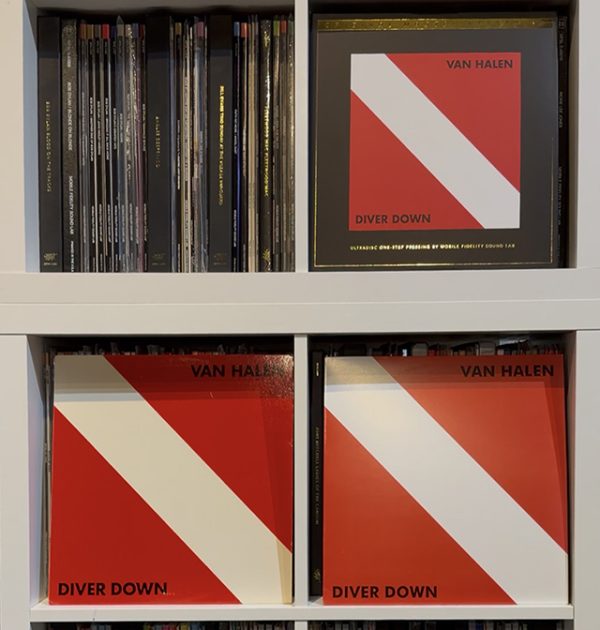
"Yes, it rocks harder in every way," the author declares, emphasizing the improved impact and energy. Crucially, "the lost bottom end is restored to perfection," revealing the deep, resonant bass that was previously absent. But the revelation extends beyond mere power. The author marvels at "the smoothness of the tone in Van Halen senior’s clarinet is incredible." This specific detail is particularly telling, as it points to the nuanced rendering of instruments and textures that the MoFi process is capable of achieving. The delicate timbres and subtle sonic characteristics of Eddie Van Halen’s father, Jan Van Halen, playing the clarinet on this track, are now presented with an astonishing level of realism and beauty. This level of detail underscores the notion that the original recordings contained a wealth of sonic information that only the most advanced mastering techniques could fully excavate.
The author’s assertion that "this is one of those instances where the magic of vinyl rules the day," even when comparing it to a high-quality MoFi SACD, further elevates the significance of the ONE-Step vinyl release. It suggests that for certain recordings and specific sonic elements, the analog warmth and tactile experience of vinyl, when mastered with such precision, can offer an unparalleled listening experience. The MoFi ONE-Step of "Diver Down" is not just a reissue; it is a sonic revelation that allows listeners to engage with the album on an entirely new level of appreciation.
Chronology of a Curious Creation
To fully appreciate "Diver Down," it’s important to place it within the context of Van Halen’s burgeoning career.
- 1978: Van Halen releases their self-titled debut album, featuring their groundbreaking sound and a surprise hit cover of The Kinks’ "You Really Got Me."
- 1979: "Van Halen II" continues their ascent, solidifying their reputation as hard rock innovators.
- 1980: "Women and Children First" sees the band further refining their signature sound, incorporating more diverse influences.
- 1981: "Fair Warning" delves into darker and more complex territory, showcasing a growing maturity in their songwriting.
- May 1982: "Diver Down" is released, presenting a largely cover-based album that sparks debate among fans and critics about the band’s artistic direction. The album features covers of songs by The Kinks, Martha and the Vandellas, and Little Richard, among others, as well as original material.
- Early 2000s: Remastering efforts, such as those by Chris Bellman, begin to address some of the sonic limitations of original pressings, offering improved clarity and dynamic range.
- May 2026: Mobile Fidelity Sound Lab releases their highly anticipated "Diver Down" ONE-Step vinyl pressing, lauded for its exceptional fidelity and ability to restore lost sonic detail, particularly the low-end frequencies and nuanced instrumental textures.
This chronological overview highlights that "Diver Down" emerged at a time when Van Halen was already a dominant force in the music industry. Their decision to largely dedicate an album to covers, while unusual, was not an act of creative bankruptcy but rather a deliberate choice that, in retrospect, allowed them to showcase their interpretive skills and their deep appreciation for a wide range of musical influences.
Supporting Data: The Album’s Impact and Legacy
Despite the initial mixed reactions, "Diver Down" achieved commercial success, peaking at number three on the Billboard 200 chart. It was certified platinum by the RIAA, demonstrating its strong performance in the marketplace. The album spawned several notable singles, including "Pretty Woman" and "Dancing in the Street," which received significant radio airplay and helped to keep Van Halen in the public consciousness.
Beyond its commercial performance, "Diver Down" holds a unique place in the band’s discography for several reasons:
- Musical Exploration: The album provided a platform for the band to experiment with different genres and styles, demonstrating their versatility beyond pure hard rock. Their interpretations of existing songs were often infused with their signature energy and Eddie Van Halen’s innovative guitar work.
- Eddie Van Halen’s Father’s Contribution: The inclusion of Jan Van Halen’s clarinet performance on "Big Bad Bill (Is Sweet William Now)" is a poignant and cherished detail, adding a personal and familial dimension to the album’s production. The MoFi remaster’s ability to highlight the "smoothness of the tone" of this performance is a testament to its sonic clarity.
- Early Indicator of Future Directions: While "Diver Down" was largely covers, the band would continue to incorporate diverse influences and explore different sonic landscapes in their subsequent albums, particularly with David Lee Roth’s departure and Sammy Hagar’s arrival. "Diver Down" can be seen as an early, albeit unconventional, step in this ongoing evolution.
Official Responses and Industry Perspectives
While direct "official responses" to the re-evaluation of "Diver Down" are typically found within reviews and critical essays rather than formal statements from the band or their label, the industry’s embrace of high-fidelity reissues speaks volumes. The continued investment by labels like Mobile Fidelity Sound Lab in meticulously remastering catalog titles indicates a belief in the enduring appeal and sonic potential of these classic recordings.
Music critics and audiophile publications have widely praised the MoFi ONE-Step release of "Diver Down." Reviews consistently laud the meticulous attention to detail, the restoration of dynamic range, and the overall immersive listening experience. These accolades suggest a consensus within the music industry that "Diver Down," when presented with the fidelity it deserves, is a far more compelling and artistically significant album than it was once perceived to be. The fact that such an esteemed label would dedicate its premium ONE-Step process to this particular album underscores its recognized value and the potential for sonic discovery within its grooves.
Implications: A Renewed Appreciation for a "Wackiest Album"
The critical and sonic re-evaluation of "Diver Down" carries several important implications:
- The Enduring Power of Reinterpretation: The album serves as a powerful reminder that even established artists can find new avenues for creative expression through the art of cover songs. When executed with passion and technical prowess, covers can offer fresh perspectives on familiar material and showcase the interpretive abilities of musicians.
- The Importance of Mastering and Reissue Quality: The stark contrast between the original pressing and the MoFi ONE-Step highlights the profound impact that mastering and pressing quality can have on the perception of an album. It underscores the value of dedicated audiophile reissues in allowing listeners to experience music as the artists and engineers originally intended, or even better, by leveraging advancements in technology.
- A Deeper Understanding of Van Halen’s Artistic Trajectory: "Diver Down" is no longer just an outlier in Van Halen’s catalog. It is now increasingly viewed as a deliberate and intriguing phase, demonstrating the band’s willingness to experiment and their deep respect for musical heritage. The album’s current standing allows for a more holistic understanding of Van Halen’s artistic journey, acknowledging their ability to surprise and innovate even within familiar structures.
In conclusion, "Diver Down," once perhaps a curious footnote, is now emerging as a critically acclaimed and sonically revitalized gem in the Van Halen legacy. The meticulous efforts of audiophile labels like MoFi have not only resurrected the album’s sonic brilliance but have also contributed to a profound shift in its critical reception, allowing a new generation, and long-time fans alike, to fully appreciate the unique charm and artistic merit of Van Halen’s "wackiest album."