Executive Summary
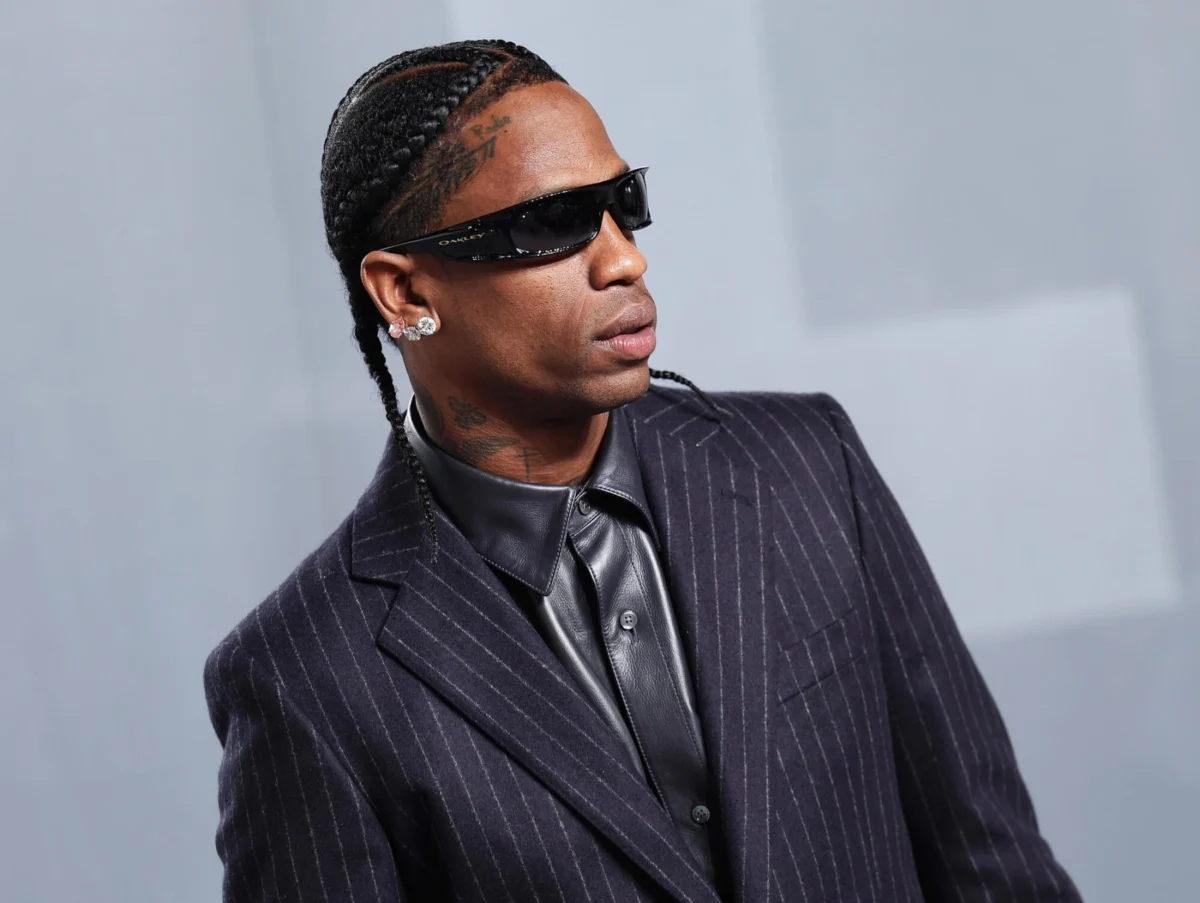
Rapper Travis Scott, born Jacques Webster, is currently embroiled in a high-stakes civil lawsuit filed by the crew of a 105-foot chartered yacht. The litigation, filed on July 11, 2026, alleges that the multi-platinum recording artist engaged in a violent physical and verbal assault against the vessel’s captain and charter management staff during a June 2024 excursion in Miami.
While the incident previously made headlines when local law enforcement arrested the artist for disorderly intoxication and trespassing, this new legal action shifts the focus from criminal procedural matters to civil liability. The plaintiffs—Captain Adrian Frometa and charter managers John Steve Holguin and Mirnesa Hasanovic—are seeking unspecified financial damages, citing physical trauma, emotional distress, and false imprisonment.
A Chronology of the Incident: The "Carpe Diem" Charter
The dispute centers on a luxury charter excursion that took place on June 19, 2024. According to the court filing obtained by Billboard, Scott had secured the 105-foot vessel, named Carpe Diem, to host a private cruise along the Miami coastline for himself and three female guests.
The Escalation
The situation reportedly began as a standard high-end charter but devolved rapidly as the evening progressed. According to the lawsuit, Captain Adrian Frometa, who was the sole crew member on deck for the initial portion of the trip, observed Scott’s behavior deteriorating. The legal complaint alleges that the rapper became increasingly intoxicated and aggressive toward those on board.
Observing the volatile environment, Frometa made the executive decision to terminate the charter early, steering the vessel back to the Miami Beach Marina. However, the situation reached a breaking point upon docking. When the captain signaled for the guests to disembark, Scott allegedly refused to comply.
The Alleged Assault
The narrative presented by the plaintiffs is one of sudden, unprovoked violence. The lawsuit claims: "Without any warning, Scott pushed Frometa from behind and then struck him with a closed fist to his neck and upper chest."
Beyond the physical battery, the plaintiffs allege a sustained campaign of verbal intimidation. The suit claims that Scott repeatedly threatened the captain’s life, explicitly stating that Frometa was "dead" and that the rapper was "going to kill" him. Fearful for his safety, Frometa contacted his management team—John Steve Holguin and Mirnesa Hasanovic—for immediate assistance.

The Marina Confrontation
The arrival of the management team ten minutes later did not serve to de-escalate the situation. The lawsuit details a second physical altercation in which Holguin was allegedly knocked to the ground. Seeking refuge from the rapper’s erratic behavior, Hasanovic and Holguin retreated into the vessel’s interior, barricading themselves behind a glass door.
The complaint alleges that Scott continued his assault on the crew’s sense of security, physically attempting to force open the glass partition while shouting death threats at the individuals trapped inside. The ordeal only concluded when law enforcement officials arrived at the marina, intervened, and took Scott into custody.
The Legal Context: From Arrest to Civil Suit
Following the June 2024 incident, the Miami Police Department processed the rapper for disorderly intoxication and trespassing. Despite the arrest, the legal system did not move forward with criminal charges at the time. This lack of criminal prosecution has now cleared the way for the plaintiffs to pursue justice through civil litigation.
The "Mug Shot" Controversy
A significant component of the lawsuit addresses the aftermath of the arrest. Following the incident, Scott’s team utilized the official police booking photograph (mug shot) as part of a marketing campaign for his merchandise. The plaintiffs argue that this decision was not merely a business move but a calculated effort to "make light of the incident and the harm caused" to the crew members who were involved in the altercation.
This detail suggests that the plaintiffs intend to use the rapper’s post-arrest behavior as evidence of a lack of remorse, which could be a pivotal factor in the jury’s determination of punitive damages.
Claims and Financial Implications
The legal action is comprehensive, targeting the rapper on four distinct counts:
- Assault: Alleging that Scott created a reasonable apprehension of harmful contact.
- Battery: Asserting that the physical contact (the punch and the shove) occurred without consent.
- False Imprisonment: Claiming that the crew was held against their will during the standoff.
- Intentional Infliction of Emotional Distress: Arguing that the terror caused by the verbal threats and physical threats exceeded the bounds of civilized social conduct.
While the lawsuit does not specify a dollar amount, the inclusion of "intentional infliction of emotional distress" often opens the door for significant punitive damages, intended to punish the defendant for particularly egregious conduct rather than just compensating for medical bills or lost wages.

Official Responses and Industry Impact
As of the latest reports, a representative for Travis Scott has declined to provide a formal comment regarding the lawsuit. This silence is typical for high-profile litigation, where legal teams usually prefer to address allegations exclusively within the framework of court filings and pre-trial motions.
The Implications for Public Perception
For a global superstar like Travis Scott, whose brand is built on high-energy, immersive live performances, legal allegations of this nature pose a unique threat to his public image. The entertainment industry has become increasingly sensitive to the conduct of artists, particularly in the wake of the Astroworld tragedy, which also involved significant litigation.
While the civil lawsuit is distinct from the criminal matters of the past, the court of public opinion remains a powerful force. If the allegations of unprovoked violence against service industry workers are proven in a court of law, it could lead to long-term repercussions for the artist’s corporate partnerships and sponsorship deals.
Looking Ahead
The case is currently in its nascent stages. The burden of proof lies with Captain Frometa, Holguin, and Hasanovic to demonstrate that the physical and emotional damages they suffered are directly attributable to Scott’s actions.
Legal analysts following the case note that the outcome will likely depend on:
- Video Evidence: The availability of security footage from the Miami Beach Marina or the yacht’s own internal security cameras.
- Witness Testimony: The accounts of the three female guests who were present on the yacht at the time of the incident.
- Documentation of Injuries: Medical records submitted by the plaintiffs to substantiate their claims of physical and psychological trauma.
As the legal proceedings unfold, the entertainment world will be watching closely. This case underscores the increasing accountability placed on public figures when interacting with service professionals. Whether this leads to a private settlement or a high-profile trial, the Carpe Diem incident serves as a stark reminder of the complexities of fame and the reach of the civil justice system.
The litigation is scheduled to continue through the upcoming months, and further filings are expected as the discovery process begins. For now, the narrative remains a contest between the allegations of the aggrieved crew and the defense that the rapper’s legal team will inevitably mount.