For decades, the field of thermal management was defined by a clear, bifurcated hierarchy. On one side sat the data centers—vast, cathedral-like halls housing racks of processors that required industrial-scale liquid cooling and hurricane-force airflow to stave off catastrophic failure. On the other side were consumer electronics: smartphones, tablets, and wearables, which relied on the elegant, silent simplicity of passive cooling.
However, the rapid migration of Artificial Intelligence (AI) workloads from the cloud to "the edge" is shattering this divide. As mobile devices are tasked with running complex, power-hungry AI models locally, the physical limits of passive heat dissipation are being tested. We are witnessing a paradigm shift where the high-performance thermal architectures of the server room are being miniaturized to fit into the sleek chassis of the devices we carry every day.
A Chronology of Cooling: From Mainframes to Modern AI
To understand the magnitude of this transition, one must look back at the history of electronic cooling. In the early days of computing, thermal management was an afterthought. Designers of 1980s-era mainframes often treated cooling as a brute-force problem.
The author recalls a harrowing experience in the early 80s when a miscalculation in airflow for a mainframe system led to the interior of the cabinets reaching the dew point. The result was a "tropical rainstorm" inside the hardware, leading to a rusting, useless monument to the fallibility of early thermodynamic engineering. At the time, if a system hummed or whirred, it was considered a sign of power. Noise was the sound of progress.
Fast forward to the era of the smartphone, and the philosophy changed entirely. Silence became a premium. Passive cooling—utilizing heat spreaders, thermal interface materials, and heat pipes—became the gold standard. These methods are reliable, inexpensive, and consume zero power. For years, as long as the processor’s thermal design power (TDP) remained modest, passive cooling was more than sufficient.
Today, that comfort zone has evaporated. Modern smartphones, tasked with real-time image processing, large language model (LLM) inference, and augmented reality, are generating unprecedented heat loads. The "hot phone" syndrome—a common complaint for users engaged in long-duration tasks—is no longer just an annoyance; it is a bottleneck to technological advancement.
The Technical Breakdown: Active vs. Passive
To navigate the current landscape, it is essential to distinguish between the two primary cooling methodologies:
Passive Cooling
Passive cooling relies entirely on natural thermodynamics. Heat is conducted away from a component (the source) through a material—often copper or vapor chambers—and dissipated into the air or the device’s chassis. Because it lacks moving parts, it is inherently robust. However, passive cooling is governed by the laws of surface area and ambient temperature; it cannot actively "pump" heat away from a localized hotspot, leaving it prone to saturation during intense computational bursts.
Active Cooling
Active cooling introduces powered elements to move heat. Traditionally, this meant fans. In data centers, this has evolved into sophisticated liquid-cooling loops. By circulating a coolant, these systems can move heat from a processor to a remote radiator, allowing for significantly higher power densities. The trade-off has always been the "cost of cooling"—the weight, volume, and energy required to run the pumps and fans.
Boréas Technologies and the Microfluidic Revolution
The bridge between these two worlds is currently being built by companies like Boréas Technologies. Known primarily for their high-efficiency piezoelectric driver technology, Boréas has recently pivoted toward a breakthrough in active microfluidic cooling, aiming to deliver "data center cooling in your pocket."
The company’s approach is a three-pronged solution designed for the space-constrained environment of handheld electronics:
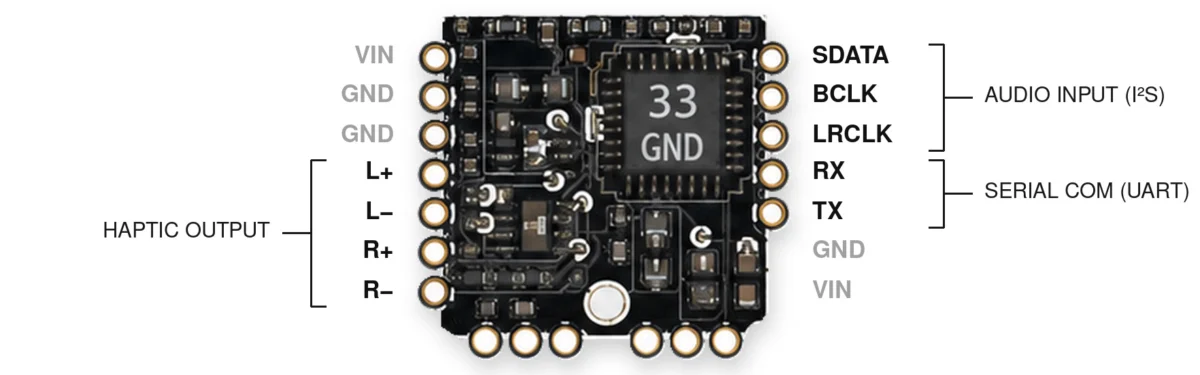
- The BOS1931 Piezoelectric Driver: Leveraging Boréas’s expertise in piezo-actuators, this IC provides the power efficiency required to run a cooling system without generating significant self-heat—a common failure point in previous micro-cooling attempts.
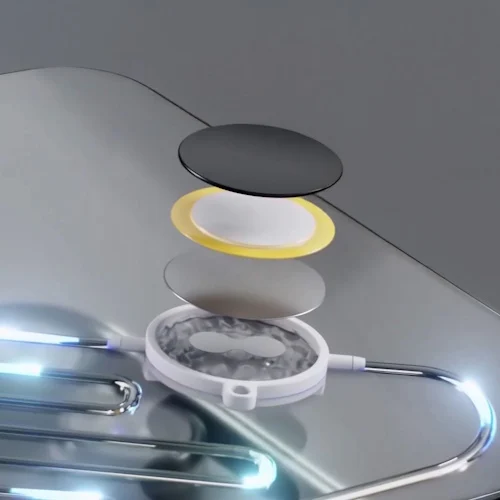
- Piezoelectric Micropumps: These miniature devices, measuring only a few millimeters, act as the heart of the system. They are small enough to be integrated into a smartphone chassis while providing the pressure required to circulate coolant.
- Microchannel Liquid-Cooling Plates: These plates, often thinner than a millimeter, are engineered with microscopic channels that allow liquid to circulate directly over the hottest points of the processor.
By utilizing microchannels, the surface area contact between the heat source and the liquid is maximized, vastly increasing the efficiency of heat transfer. This is a direct technological descendant of the cold plates found in enterprise-grade AI servers.
Official Insights: The Logic of Distribution
In discussions with the leadership at Boréas Technologies—Founder and President Simon Chaput, VP of Products and Strategy Nicholas Duchesne-Laforest, and Marketing and Operations lead Marc-André Morin—the core philosophy becomes clear: the goal is not merely to "cool" the device, but to manage thermal equilibrium.
"The objective is to eliminate localized hotspots," the team notes. A smartphone that is uniformly warm across its entire surface is significantly more comfortable for a user to hold than one with a concentrated, scorching heat spot near the camera module or the processor. By actively circulating fluid, the Boréas system redistributes thermal energy across the entire device chassis, effectively using the phone’s entire surface area as a radiator.
Furthermore, the system uses a water-glycol mixture as a coolant, ensuring that the device remains functional even in sub-freezing temperatures—a critical consideration for the next generation of industrial and automotive edge-computing devices.
The Broader Implications for Industry
The implications of this shift are profound for several sectors:
- Consumer Electronics: Users will experience consistent performance. When a phone no longer has to throttle its CPU speed to prevent overheating, the user experience becomes smoother, especially during gaming or heavy multitasking.
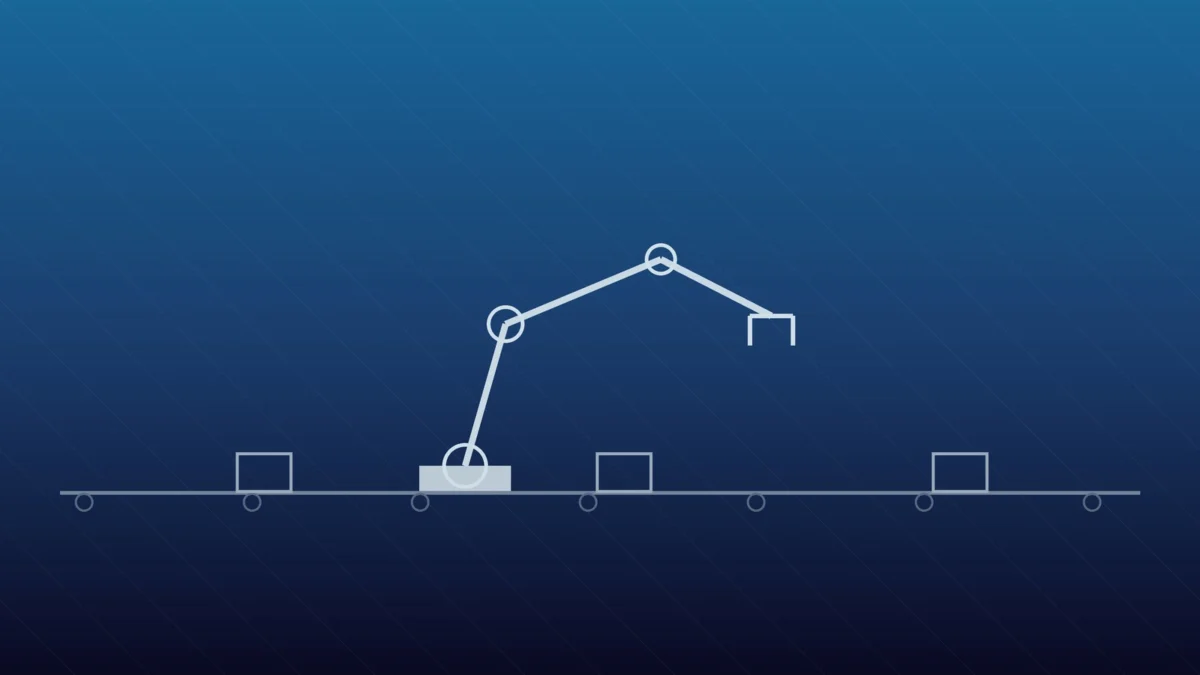
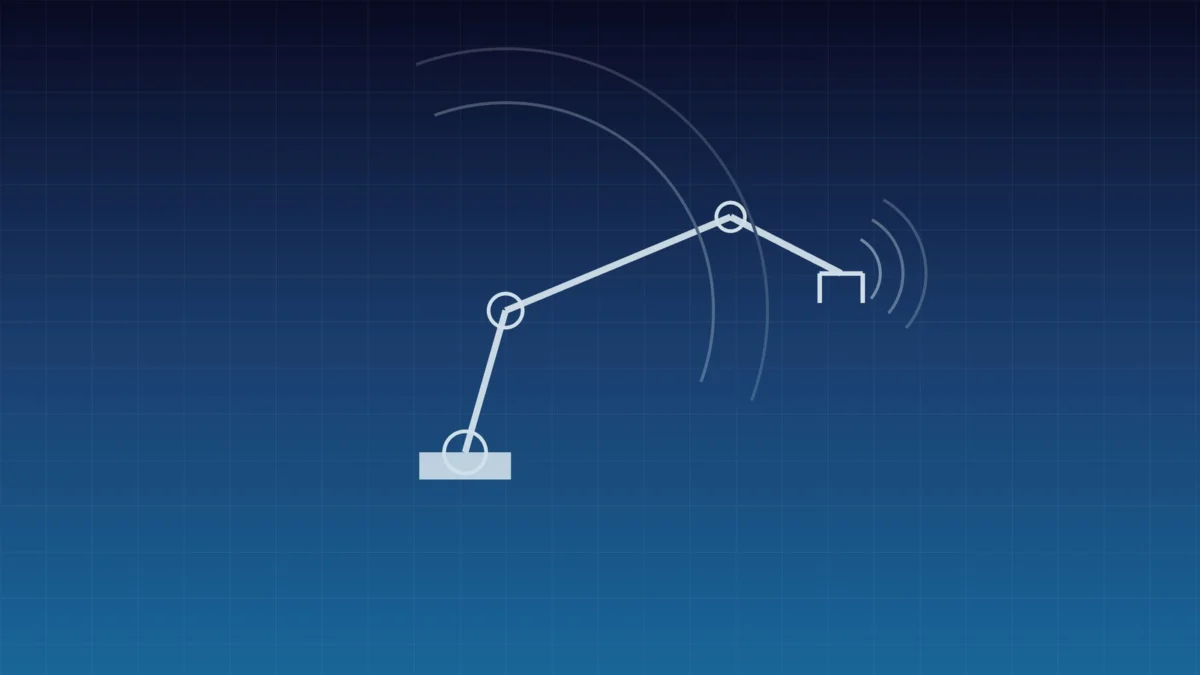
- Robotics and Automation: Small-form-factor robots, which often operate in confined spaces where airflow is non-existent, will finally be able to harness the computational power of modern AI chips.
- Augmented and Virtual Reality: AR/VR headsets are notoriously sensitive to thermal buildup. Integrating microfluidic cooling can lead to lighter, more comfortable headsets that can run for longer durations without the risk of skin burns or thermal throttling.
Conclusion: A Silent, Invisible Upgrade
Looking toward the future, we are witnessing the transition of active cooling from a "data center privilege" to a "consumer standard." Much like the shift from noisy, air-cooled mainframes to the silent, efficient servers of today, the transition in mobile devices will be largely invisible to the end user.
The average consumer will never need to understand the nuances of piezoelectric driver efficiency, the fluid dynamics of a microchannel plate, or the pressure requirements of a micropump. They will simply experience devices that are faster, more capable, and miraculously cool to the touch.
As AI continues its relentless migration to the edge, our pockets will become the new front line of thermodynamics. We are moving toward a future where our devices are smarter than ever, yet paradoxically, they will be the most comfortable companions we have ever held. The era of the "thermal wall" is ending, and the age of intelligent, active thermal management is just beginning.