Welcome back to TechCrunch Mobility, your definitive source for the evolution of global transportation. As we navigate the complex intersection of artificial intelligence and physical infrastructure, the industry finds itself at a critical juncture. From the cooling of high-profile corporate partnerships to federal crackdowns on autonomous vehicle (AV) behavior, the landscape is shifting beneath our feet.
The End of the Road: Uber and Waymo’s Phoenix Split
The most significant news to emerge during my recent hiatus is the quiet dissolution of the partnership between Uber and Waymo in Phoenix. While the two giants continue to facilitate robotaxi services in Atlanta and Austin, the termination of their Arizona cooperation marks a psychological turning point for the sector.
For months, the industry has speculated on the longevity of these "frenemy" agreements. The question is no longer if these partnerships will dissolve, but when. More importantly, we are entering a phase of overt competition. We have already observed rising friction, with Uber executives firing thinly veiled salvos at Waymo’s operational model. As these remaining partnerships reach their natural conclusions, I expect these passive-aggressive jabs to evolve into full-scale tactical warfare.
The battleground will likely be defined by policy. As robotaxi firms aggressively lobby for access to new municipalities, the friction between ride-hailing incumbents like Uber and tech-native AV operators like Waymo will intensify. Expect aggressive lobbying campaigns and direct confrontations in city halls across the country.
Federal Oversight: The NHTSA’s “Call to Action”
While corporate maneuvering keeps the boardroom interesting, the federal government has injected a new layer of scrutiny into the sector. This week, the National Highway Traffic Safety Administration (NHTSA) issued a stern directive regarding the interaction between autonomous vehicles and first responders.

NHTSA administrator Jonathan Morrison did not mince words, framing the issue as a "functional insufficiency." The directive, sent to every AV developer listed under the Department of Transportation’s Standing General Order, makes it clear that emergency scenes are not "edge cases" to be handled after the fact.
"Let me be clear: the inability to detect and appropriately respond to such situations represents a functional insufficiency," Morrison stated. "Emergency scenes are not rare or extreme edge cases. As such, NHTSA is today issuing a call to action for AV developers and operators to immediately focus their resources on fixing this issue."
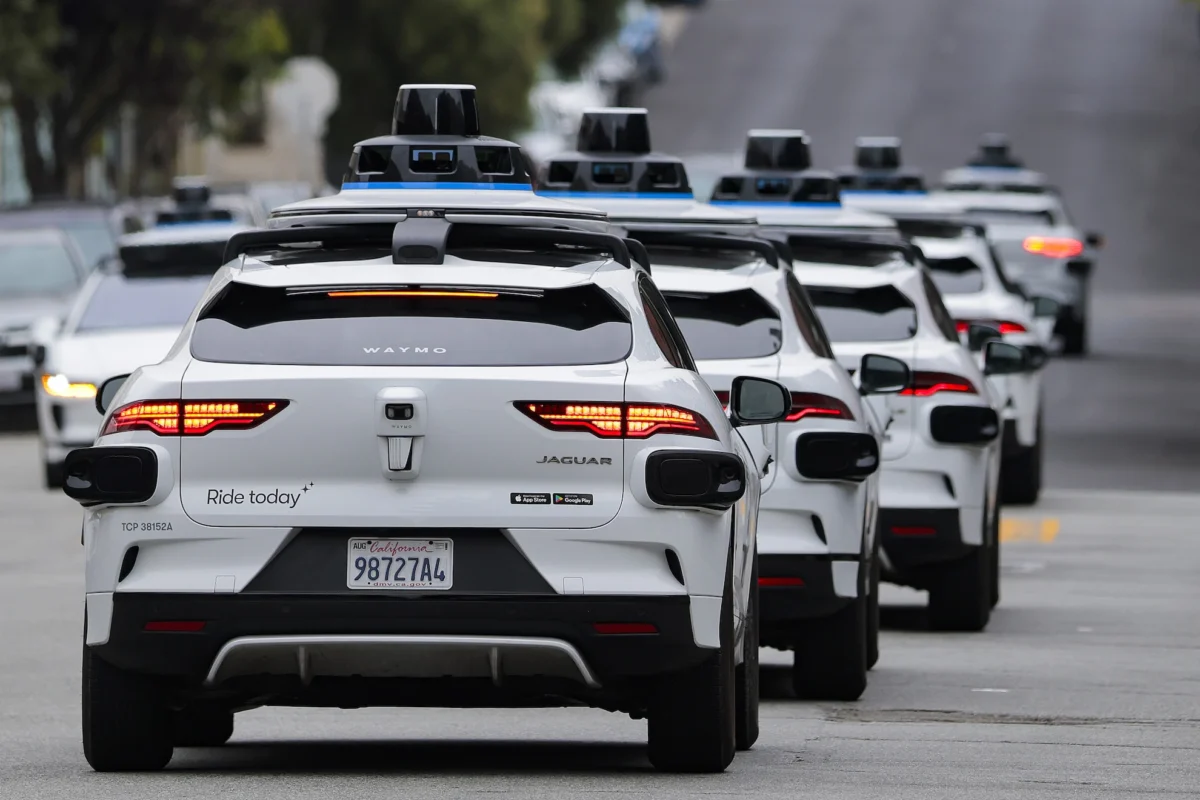
While the letter avoids naming specific companies, the subtext is impossible to ignore. Waymo, which currently commands the largest robotaxi fleet in the United States, has faced a string of high-profile incidents involving first responders in Los Angeles, San Francisco, and Phoenix. The regulatory message is clear: the era of "move fast and break things" is over. Companies are now expected to present the NHTSA with concrete solutions by the end of this month.
Chronology of Growing Friction
To understand how we arrived at this regulatory inflection point, one must look at the recent timeline of incidents:
- March 2026: TechCrunch releases a comprehensive investigation highlighting the recurring friction between Waymo’s fleet and first responders.
- July 4, 2026: A massive traffic meltdown following a San Francisco fireworks show exposes the fragility of the robotaxi model. Multiple Waymo vehicles, gridlocked in traffic, ran out of power, necessitating public towing services and drawing the ire of city officials.
- July 2026: San Francisco Supervisor Bilal Mahmood announces a formal inquiry into the impact of autonomous vehicles on public transit and emergency response infrastructure.
- Present Day: The NHTSA issues its directive, demanding immediate technical remediation for all AV developers.
The Regulatory Horizon: FMVSS Updates
Beyond the immediate crisis of emergency responder interaction, the federal government is quietly setting the stage for a broader shift in vehicle design. The updated 2026 Regulatory Plan and Unified Agenda contains a roadmap for modifying Federal Motor Vehicle Safety Standards (FMVSS).

These standards have historically mandated the presence of steering wheels, brake pedals, and other driver-centric controls. However, the proposed changes are a massive win for companies like Tesla and Zoox, which are architecting vehicles from the ground up as cabin-first, human-less transit pods. By relaxing these physical requirements, the NHTSA is signaling that it is ready to accommodate a future where the "driver" is exclusively a software stack.
Financial Pulse: Rivian and the Capital Markets
In the broader mobility market, capital remains king. Rivian’s recent announcement of a $1.32 billion capital raise via the sale of 86.25 million Class A common shares highlights the immense, ongoing costs of scaling EV production.
The timing is critical. Rivian recently increased its 2026 delivery forecast to between 65,000 and 70,000 vehicles, buoyed by the successful rollout of the R2 SUV and consistent growth in its EDV (Electric Delivery Van) and R1 lines. Despite these operational wins, the company remains pre-profit. As any seasoned analyst knows, the "valley of death" between prototype and mass-market profitability is paved with massive capital expenditures.
Notable Deals Across the Sector
- Bidbus: The Los Angeles-based startup raised $15 million in a Series A round led by Ibex Investors. By creating a competitive bidding marketplace for used cars, Bidbus is aiming to disrupt the traditional dealership model.
- Lyft’s International Expansion: Lyft is set to acquire the bike-share division of Spanish firm Serveo. While terms remain undisclosed, the move underscores Lyft’s commitment to diversifying its urban transit footprint beyond simple ride-hailing.
- TaiSan’s Battery Bet: The U.K.-based battery startup secured £4.65 million in seed funding. Their focus on sodium-ion technology—a potential alternative to the lithium-heavy standard—suggests a growing interest in sustainable, cost-effective battery chemistry.
Implications and The Path Forward
The convergence of these events paints a complex picture for the mobility industry. We are witnessing a transition from the "experimental phase" to the "integration phase."
- Safety as a Competitive Moat: Companies that can solve the "first responder detection" problem effectively will gain favor with regulators. Those that fail will likely face service suspensions and costly litigation.
- The End of the "Easy" Era: As seen with the Waymo-Uber split, the honeymoon period of collaboration between Big Tech and traditional mobility providers is ending. The next phase will be characterized by aggressive market capture and localized policy wars.
- Infrastructure Realities: The San Francisco July 4 incident serves as a cautionary tale: software is only as good as the physical world it operates in. When batteries die in a gridlock, the "autonomous" promise becomes a public nuisance.
A Note on Data Privacy and Emerging Tech
Finally, we must address the "human" cost of this digital transformation. The recent breach at AssuranceAmerica, which exposed the personal data and driver’s license numbers of 6.9 million individuals, is a sobering reminder that the mobility sector is now a primary target for cyberattacks. As our cars become connected data nodes, the responsibility to protect user information is becoming as significant as the responsibility to protect passenger safety.

Meanwhile, in the air, Beta Technologies is making tangible progress. Their recent operational flights under the FAA’s eVTOL Integration Pilot Program show that the future of mobility isn’t just on the ground. By covering 275 nautical miles across Virginia and Maryland, they are proving that urban air mobility is moving from the sketchpad to the sky.
As we look toward the remainder of the year, keep your eyes on the NHTSA’s response to the industry’s "solutions" report due at the end of the month. That document will likely define the regulatory trajectory for autonomous vehicles for the next decade.
Got a tip? Email me at [email protected] or reach out via Signal at kkorosec.07. For those interested in the intricacies of the startup world, don’t miss the third season of our "Build Mode" podcast, where we dive into the new rules of early-stage fundraising.