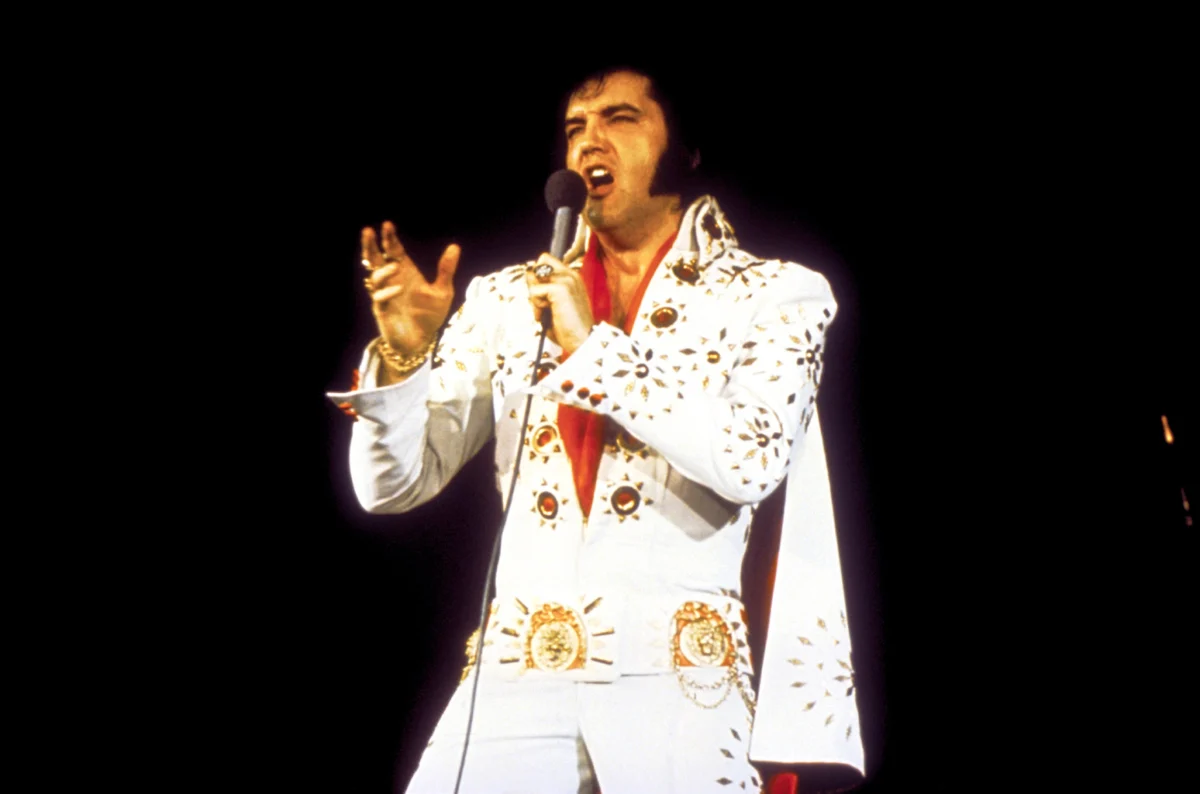
In a move that marks a significant escalation in the ongoing friction between the creative industries and the burgeoning field of generative artificial intelligence, the estate of Elvis Presley has filed a sweeping lawsuit against AI titan Anthropic. The litigation, initiated late last week, alleges that the tech firm unlawfully ingested hundreds of the rock-and-roll icon’s copyrighted musical works to train its large language models (LLMs) without authorization or compensation.
This legal challenge is not merely another entry in the crowded docket of AI-related copyright disputes; it represents a cultural and legal watershed moment. By targeting the intellectual property of arguably the most significant figure in 20th-century music, the Presley estate—represented by Authentic Brands Group—has thrust the existential debate over "fair use" versus "intellectual theft" into the highest echelons of public discourse.
The Core Allegations: A Massive Infringement
The lawsuit, filed on Friday, October 23, asserts that Anthropic, the developer behind the popular AI assistant "Claude," has systematically violated the copyrights of 274 individual songs from the Elvis Presley catalog. Among these are legendary compositions that form the bedrock of the American songbook, including "Can’t Help Falling in Love," "A Little Less Conversation," and "Don’t Be Cruel."
At the heart of the complaint is the process of "training"—the technical mechanism by which AI models are fed vast troves of data to learn patterns, language, and, in this case, musical structures. The plaintiffs argue that Anthropic’s model-building process constitutes a scale of copyright infringement never before witnessed in the entertainment sector. By ingesting these works to enable Claude to generate text or potentially replicate the stylistic nuances of the King, the plaintiffs contend that Anthropic has built a commercial empire on the backs of artists who never consented to having their life’s work commodified by silicon chips.
A Legacy of Litigation: The Counsel Behind the Case
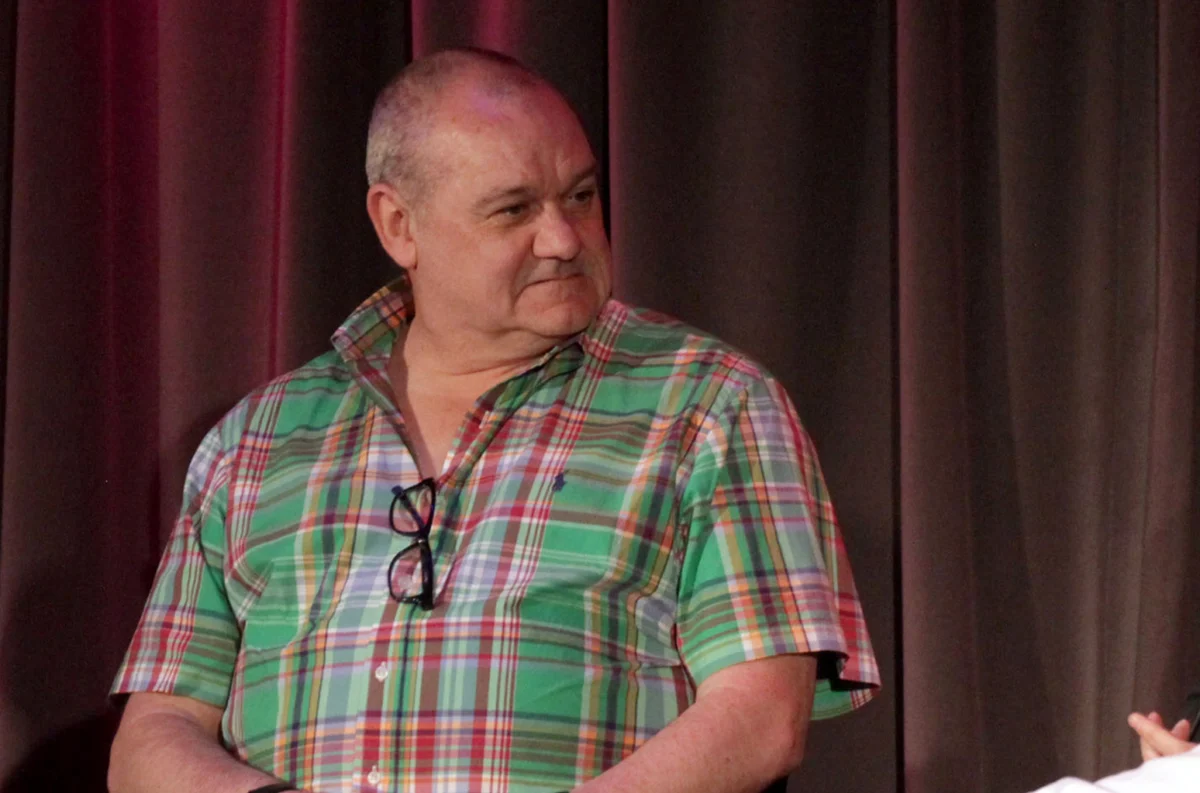
Leading the charge is Richard Busch, a seasoned litigator renowned for his tactical prowess in high-stakes music industry disputes. Busch is no stranger to the courtroom, having famously represented the estate of Marvin Gaye in the landmark Blurred Lines case, which successfully argued that Robin Thicke and Pharrell Williams had infringed upon the "feel" and composition of Gaye’s "Got to Give It Up."
Busch’s involvement signals that the Presley estate is not merely looking for a settlement, but is intent on establishing a legal precedent that could fundamentally constrain how AI companies handle copyrighted materials. His past work with the Eminem estate regarding digital downloads further underscores a career-long focus on protecting artist rights in the face of emerging, disruptive technologies.
Chronology of the Conflict
The collision between Silicon Valley and the recording industry has been accelerating since the emergence of generative AI in 2022.

- 2022–2023: Generative AI tools gain mainstream traction, with platforms like ChatGPT and Claude demonstrating the ability to compose lyrics and analyze musical styles.
- 2024: The "Big Three" record labels—Universal Music Group, Sony Music, and Warner Music Group—initiate a wave of lawsuits against AI firms, specifically targeting Suno and Udio for creating models that can generate music that mimics copyrighted vocalists and compositions.
- Late 2024: Warner Music Group reaches a landmark settlement with Suno, signaling a potential shift toward a licensing-based model for AI music generation.
- October 2026: The Presley estate files its formal complaint against Anthropic, escalating the conflict from generic model training to the specific, high-profile protection of a legendary individual’s legacy.
Supporting Data and Industry Context
The economic stakes are astronomical. The music industry is grappling with a future where the cost of creating "new" music could plummet, potentially devaluing the catalogs of legendary artists.
Anthropic, for its part, has consistently relied on the "fair use" doctrine under U.S. copyright law. Their argument posits that the process of training an AI model—transforming data into mathematical weights—is inherently transformative and does not violate the underlying rights of the source material. However, this defense has yet to be tested by a definitive Supreme Court ruling in the context of generative AI.
The Presley estate’s filing includes a list of hit songs that are not merely commercial assets but cultural touchstones. The inclusion of songs like "All Shook Up," "Return to Sender," and "(You’re The) Devil in Disguise" emphasizes the qualitative value of the infringement. The plaintiffs argue that these works are protected by exclusive rights that do not vanish simply because a machine is the entity performing the unauthorized reproduction.
Official Responses and Corporate Silence
As of this writing, Anthropic has remained conspicuously silent. A representative for the company declined to provide an immediate comment to press inquiries on the Saturday following the filing. This silence is typical of major tech firms in the early stages of litigation, as they navigate the complexities of discovery and the public relations fallout of being painted as the adversary of musical heritage.
The plaintiffs, however, have been vocal through their legal filings. "The Elvis Plaintiffs bring this action to enforce these exclusive rights against the defendant that has built its entire business model based on copyright infringement at a scale never seen before," the filing states. The estate is clearly framing the narrative: this is a David versus Goliath battle where the "David" happens to be the most iconic entertainer in history.
Broader Implications for the Future of Music
The implications of this lawsuit extend far beyond the estate of Elvis Presley. If the court finds in favor of the plaintiffs, it could force Anthropic—and by extension, the entire generative AI industry—to pay significant licensing fees for the use of training data. Such a ruling would effectively mandate a new "permission-based" ecosystem for AI development, moving away from the "scrape everything" approach that has defined the sector for the last four years.
Conversely, a win for Anthropic would embolden AI companies to continue treating public and copyrighted data as a free resource, likely leading to a decline in the value of human-authored creative works.

The Taylor Swift Precedent
The timing of this lawsuit is particularly poignant given the broader industry trends. As noted in recent reports, artists like Taylor Swift have already taken proactive steps to trademark their voice and image to protect against AI-generated deepfakes and imitations. The Presley estate’s lawsuit is the logical extension of this defensive posture. If an artist’s brand and output can be "cloned" or "ingested" by an AI, then the traditional concept of an artist’s "exclusive rights" becomes a relic of the past unless the courts intervene.
The Licensing Dilemma
The industry is currently divided on how to move forward. Some, like Warner Music Group, are opting for a "if you can’t beat them, join them" strategy, negotiating licensing deals that allow AI companies to train on their catalogs in exchange for royalties. Others, led by UMG and Sony, continue to pursue aggressive litigation, arguing that the fundamental integrity of music as a human-driven art form is at risk.
The Elvis Presley case serves as a litmus test for this divide. Because Presley is a deceased artist whose estate is managed with extreme precision, the lawsuit is stripped of the "personality" politics that sometimes surround living artists. It is a pure, cold-blooded legal argument about property rights, historical legacy, and the definition of a "derivative work" in the digital age.
Conclusion: A Turning Point
The legal war against Anthropic is set to be a defining chapter in the history of artificial intelligence and intellectual property law. By bringing one of the most beloved figures in music history into the fray, the Presley estate has signaled that no amount of technological innovation justifies the wholesale appropriation of cultural heritage.
As the case proceeds, all eyes will be on the judiciary to see how it balances the rapid progress of machine learning against the long-established protections afforded to creators. Whether this ends in a landmark settlement or a precedents-shattering trial, the battle over Elvis Presley’s digital soul will likely dictate the rules of the road for the next generation of creative expression in the age of AI. The King, it seems, is still capable of shaking up the establishment—even from the digital afterlife.