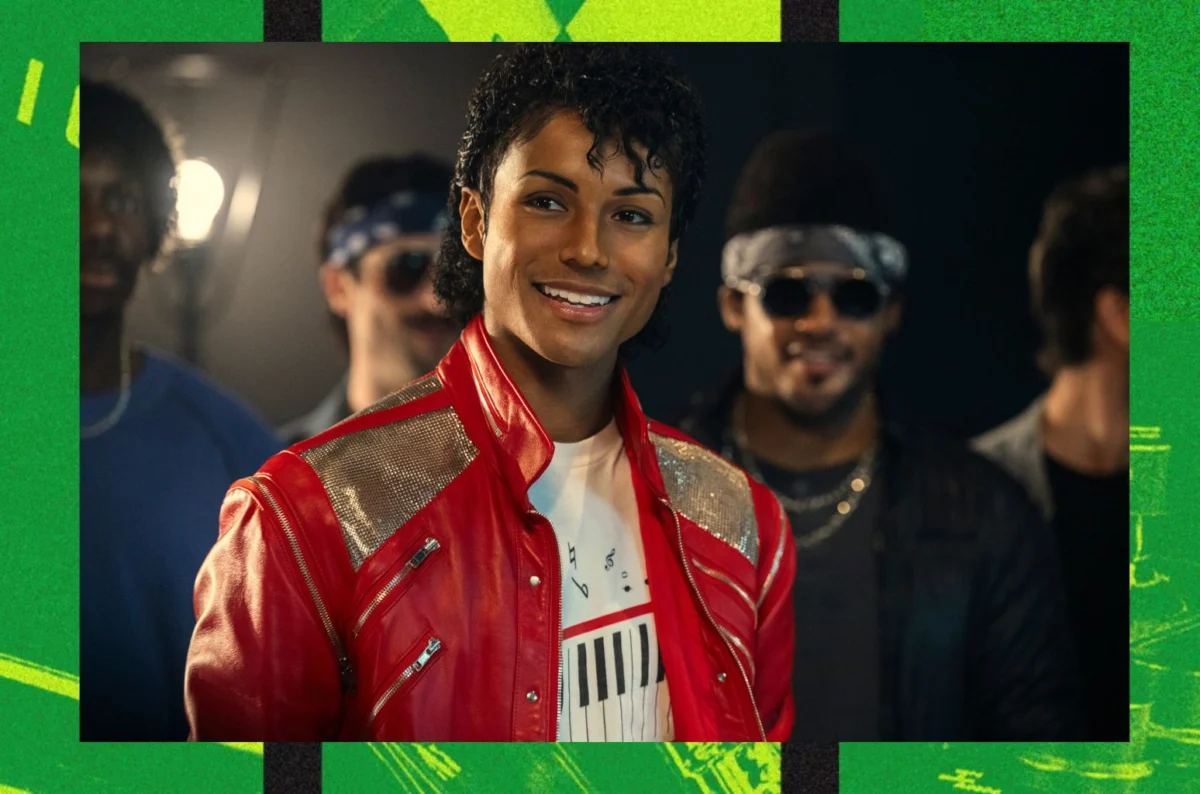
In a cinematic achievement that mirrors the unparalleled commercial dominance of its subject, the 2026 biographical drama Michael has officially ascended to the pinnacle of musical film history. By surpassing the global lifetime gross of the 2018 Freddie Mercury biopic Bohemian Rhapsody, the Lionsgate and Universal co-production has cemented itself as the highest-grossing music biopic of all time. With a staggering $911.9 million in worldwide receipts and counting, Michael is not merely a film; it is a cultural phenomenon that has redefined the commercial viability of the music-biography genre.
Main Facts: A New Global Benchmark
The metrics of Michael’s success are as profound as they are swift. The film, which features a transformative performance by Jaafar Jackson, has captivated audiences across continents. Domestically, the film has secured $358.6 million, while its international footprint—bolstered by a strategic distribution deal with Universal—has reached an impressive $553.3 million.
Universal’s involvement has been a masterclass in global distribution, with the studio generating $540.5 million of the international total after acquiring foreign theatrical and ancillary rights. As the film prepares for its theatrical debut in Japan, analysts suggest that the $1 billion milestone is well within reach. Should it cross this threshold, Michael would become only the second film in 2026 to achieve such a feat, joining the ranks of Universal’s Super Mario Galaxy Movie.
A Chronology of the Rise to Power
The journey of Michael from a high-stakes production to a record-breaking juggernaut was marked by both creative ambition and significant logistical hurdles.
The project was spearheaded by producer Graham King, the same visionary who brought Bohemian Rhapsody to the screen. By eclipsing the record previously held by his own production, King has essentially rewritten the history books for the genre. Bohemian Rhapsody, which earned $216.6 million domestically and $694.3 million internationally for a $910.9 million global total, was long considered the gold standard.
However, the road to the silver screen for Michael was far from smooth. In a move that underscored the sensitivity surrounding the life of the late pop icon, the production was forced to pivot. Lionsgate undertook an emergency $50 million investment in reshoots after the Michael Jackson estate raised concerns regarding a specific plot point in John Logan’s screenplay. The issue involved the dramatization of one of Jackson’s accusers—a narrative element that the estate argued was not intended for the film. This costly mid-production correction proved to be a pivotal moment, ultimately smoothing the path for the film’s critical and commercial reception.
Supporting Data: By the Numbers
The sheer scale of Michael‘s performance is best illustrated through its comparative records:
- Global Opening Weekend: Michael achieved the largest global opening weekend for any music biopic in history.
- Domestic Dominance: It now holds the title of the highest-grossing domestic biopic of all time.
- European Conquest: In France, the film shattered previous records, outperforming the beloved La Vie en Rose.
- Global Reach: Forty international markets, including powerhouses like Brazil and Mexico, have already seen the film surpass the total lifetime gross of Bohemian Rhapsody.
- Studio Milestone: For Lionsgate, the film stands as the most successful theatrical release in the studio’s history.
These figures are set against the backdrop of Michael Jackson’s own record-breaking musical career. With an estimated 350 million records sold worldwide and 13 No. 1 singles on the Billboard Hot 100, Jackson remains the gold standard for global superstardom. Thriller, his seminal 1982 masterpiece, remains the best-selling album of all time, with over 70 million copies moved globally and a historic 37-week run at No. 1 on the Billboard 200.

Official Responses and Creative Direction
Directed by Antoine Fuqua and penned by the acclaimed John Logan, the film was designed to be an intimate yet sweeping look at the man behind the music. The casting of Jaafar Jackson, the pop star’s nephew, brought an inherent authenticity to the production that resonated deeply with the core fanbase.
While the estate’s involvement in the production was significant, particularly regarding the reshoots, the creative team has emphasized that the goal was to capture the essence of the artist’s life and the complexity of his career. "This is not just a film about music," a studio representative noted during the film’s premiere. "It is an exploration of the pressures, the genius, and the profound, often difficult, life of a man who changed the landscape of popular culture forever."
Critics have praised Fuqua’s direction for its visual ambition, while audiences have pointed to the film’s musical sequences as a standout element. The collaboration between Lionsgate and Universal has been highlighted by industry experts as a textbook example of how to leverage global marketing to turn a biographical project into a true "event" movie.
Implications: The Future of the Music Biopic
The success of Michael carries significant implications for the future of Hollywood. First, it proves that the "Music Biopic" is perhaps the most reliable sub-genre in contemporary cinema. When executed with high production values and legitimate star power, these films have a unique ability to transcend language and cultural barriers.
Second, the film’s performance highlights the increasing importance of the international market for biographical dramas. By securing $553.3 million overseas, Michael has demonstrated that the global appeal of artists like Jackson remains undiminished by time or controversy.
Third, the "Graham King Model"—the strategy of backing high-budget, prestige-leaning biopics with massive marketing pushes—has been validated once again. Studios are likely to look at the success of Michael as a blueprint for future projects, potentially leading to a "gold rush" of biopics centered on other musical titans.
Finally, the success of the film serves as a testament to the enduring legacy of Michael Jackson himself. Despite the complexities and controversies that have followed him throughout his career and beyond, the public’s desire to engage with his story remains voracious. The film has effectively invited a new generation to discover the music, the moves, and the myth of the man who defined the 1980s and 90s.
As the film continues its run in theaters worldwide, the question is no longer whether it will succeed, but rather, just how high the ceiling is for the King of Pop’s latest box office conquest. With Japan and other remaining territories poised to contribute to the bottom line, Michael is well on its way to becoming the defining cultural event of the year, ensuring that the legacy of one of the world’s greatest entertainers remains as vibrant—and profitable—as ever.