Introduction and Main Facts
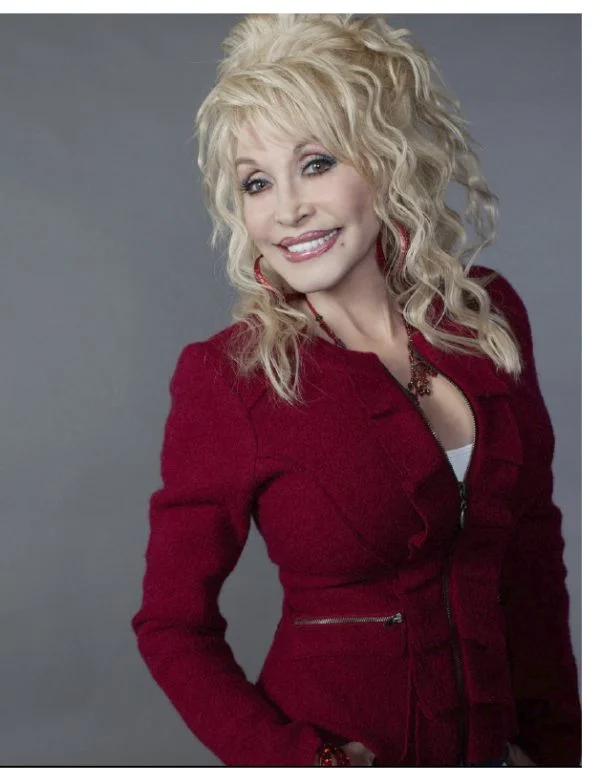
For more than half a century, Dolly Parton has occupied a rare, almost mythical space in American culture. She is simultaneously a razor-sharp businesswoman, a Grammy-winning singer-songwriter, a cinematic star, a theme park mogul, and a tireless philanthropist. Yet, despite having sold more than 100 million records and releasing a staggering 42 studio albums, Parton has managed to retain an air of profound authenticity.
In a classic, wide-ranging 2014 interview with TONEAudio’s former Music Editor Jaan Uhelszki, conducted in Nashville around the release of her bluegrass-infused album Blue Smoke, Parton revealed the foundational philosophy that has guided her legendary career. Eschewing the aloof grandeur typical of global superstars, Parton famously remarked, "I never think of myself as a star. I think of myself as a working girl, always have. That’s why I never had any ego problems. I’m thankful and grateful."
The core narrative of Parton’s enduring appeal lies in her unique gift of intimacy. Whether she is collaborating with musical royalty like Willie Nelson and Jon Bon Jovi or greeting fans in the dead of night at a Tennessee Walmart, Parton possesses an uncanny ability to make every individual she encounters feel like the only person in the room. This retrospective examines the mechanics of her legendary career, the spiritual and creative rituals behind her music, and the lesser-known facets of a cultural titan.
Chronology and Musical Evolution: From the Smokey Mountains to Blue Smoke
To understand Parton’s trajectory, one must trace her path from the humble hills of East Tennessee to the apex of global entertainment. Born into a large, musically inclined family in Sevier County, Parton’s early life was deeply colored by the landscapes of the Great Smoky Mountains—a region whose name derives from a Cherokee word, shaconage, meaning "land of blue smoke." This evocative imagery permeates her catalog, resurfacing in titles like The Grass Was Blue and Blue Smoke.
The 2014 Blue Smoke Era
When Parton sat down with TONEAudio in 2014 to promote her 42nd studio album, Blue Smoke, she was operating at the height of her creative autonomy. Rather than chasing modern pop trends, she leaned into her roots, resurrecting a track she had written years prior and performed live simply because she enjoyed it. Fan demand eventually forced her hand.
Cross-Genre Collaborations
The album also showcased her fearless approach to cross-genre collaboration. Parton transformed Jon Bon Jovi’s rock anthem "Lay Your Hands on Me" into a soaring gospel piece, securing blessings from both Bon Jovi and guitarist Richie Sambora after discovering the song’s lyrical parallels to Pentecostal traditions of "laying on hands."
Similarly, her duet with Willie Nelson on "From Here to the Moon and Back" highlighted the playful friction of two distinct musical stylists attempting to harmonize. As Parton described it: "It was like an exercise of some sort, trying to catch him with all his little phrases."
Supporting Data and Creative Process
Parton’s prolific output is no accident; it is the product of rigorous daily discipline, unconventional creative catalysts, and deep-seated spiritual convictions.
The "Wee Wisdom Hours"
Known as an early bird, Parton famously begins her day between midnight and 6:00 a.m. She attributes her clarity during these hours to a quiet world where energies have settled. "I think about God as like a farmer, and he’s always throwing stuff out," she explained. "I want to be one of those early-rising people so I get some of that stuff before it gets picked through." During these pre-dawn hours, she reads Scripture, handles correspondence, manages affirmations, and writes songs.
Fasting and Culinary Inspiration
Before entering deep writing modes—often retreating to her old mountain home for uninterrupted two-to-three-week periods—Parton employs fasting to clear her mind and humble herself. Remarkably, her creative process is also anchored in the kitchen. According to Parton, culinary and lyrical arts are deeply intertwined: "If I’m in a good creative mood, my food is spectacular. If my food is spectacular, my writing’s going to be spectacular."
The Real Dolly: 20 Surprising Facts
Parton’s larger-than-life persona is matched by a fascinating array of biographical quirks and historical footnotes:
- The Look-Alike Contest: Parton once entered a drag Dolly Parton look-alike contest in a gay bar and lost.
- Miley Cyrus: While widely reported as Cyrus’s godmother, Parton is actually her honorary godmother with no formal ceremony.
- Insurance Myths: Rumors that her 40DD breasts are insured for $600,000 are entirely false.
- Jack White: She turned down an offer from Jack White to produce her, though she did let him buy her and her friends dinner in Nashville.
- Midnight Shopping: She and her husband, Carl Dean, frequently shop for groceries at a 24-hour Walmart near Nashville in the middle of the night.
- Disguise Failures: Attempts to wear black wigs in public inevitably fail because fans instantly recognize her voice.
- Theme Park Fears: Despite co-owning Dollywood since 1986, Parton admits she is "too terrified" to ride the roller coasters.
- Cloned Sheep History: The world’s first cloned mammal, a sheep born in 1996, was named Dolly in her honor.
- Wig Lines: At one point, Parton had her own line of wigs distributed through Revlon.
- Fasting Discipline: She never makes major decisions without fasting in multiples of seven (7, 14, or 21 days).
- Cheerleading Rejection: She was rejected from the Sevier County High School cheerleading squad.
- KKK Protests: The Ku Klux Klan once picketed Dollywood due to the park’s annual Gay Day celebrations.
- Animation: She once played herself in an episode of Alvin & the Chipmunks.
- Whitney Houston: Kevin Costner personally insisted that Whitney Houston record Parton’s "I Will Always Love You" for The Bodyguard.
- Surreal Political Echoes: "I Will Always Love You" was ironically used as Saddam Hussein’s reelection theme song.
- The Elusive Carl Dean: A photograph of her rarely seen husband appears on the cover of her 1969 album My Blue Ridge Mountain Boy.
- Death Threats: She received death threats after writing "Travelin’ Thru" for the transgender-themed film Transamerica.
- Tattoos: Parton has a discreet collection of tattoos: an angel on her upper left arm, a butterfly on her chest, and a red flower between her cleavage.
- Buffy the Vampire Slayer: Her production company, Sandollar, produced the hit television series.
- Motion Sickness: Despite a life of touring, Parton hates to fly and suffers from severe motion sickness.
Official Responses and Perspectives
Throughout her career, Parton has navigated the complexities of immense fame with remarkable emotional intelligence. Responding to observations from peers like UK talk show host Graham Norton—who remarked that it is impossible to truly be friends with Parton because she is "busy being Dolly all the time"—Parton offers a grounded perspective.
Rather than viewing celebrity as an impenetrable barrier, she sees her public persona as an extension of her work ethic. She maintains strict boundaries between her public engagements and her private life with Carl Dean: "When I’m home, I’m really home. When I’m with my husband, I’m totally with him. I figured that out early."
Furthermore, Parton’s interactions with fans and colleagues are rooted in a theological humanism. When asked how she maintains her energy during endless promotional cycles and performances, she returns to the concept of connection: "Everybody I see, I relate to. I see somebody in my family in that person, somebody I love. And I try to go right to that God light in everybody, to that God spark that we all have."
Implications and Cultural Legacy
The implications of Dolly Parton’s enduring legacy stretch far beyond country music charts or box office receipts. In an era marked by manufactured celebrity and fleeting social media influence, Parton stands as a masterclass in self-determination, resilience, and empathy.
By embracing her exaggerated aesthetic—describing herself as looking "more like a cartoon character"—she neutralized the threat traditionally projected by female sex symbols, allowing both men and women to view her as a trusted sister, aunt, or confidante. She weaponized her intellect and resilience against institutional sexism in the music industry, operating with the absolute conviction that she had financial and creative value to offer any boardroom.
Ultimately, Parton’s life and work suggest that true longevity in the arts requires a rejection of ego, a deep anchor in personal faith or values, and an unwavering commitment to treating every individual interaction as meaningful. As she reflected on her staggering body of work, her astonishment remains genuine: "How in hell did I get all that done in this many years? But I did it." And in doing so, Dolly Parton permanently altered the cultural landscape, leaving a light that continues to guide millions.