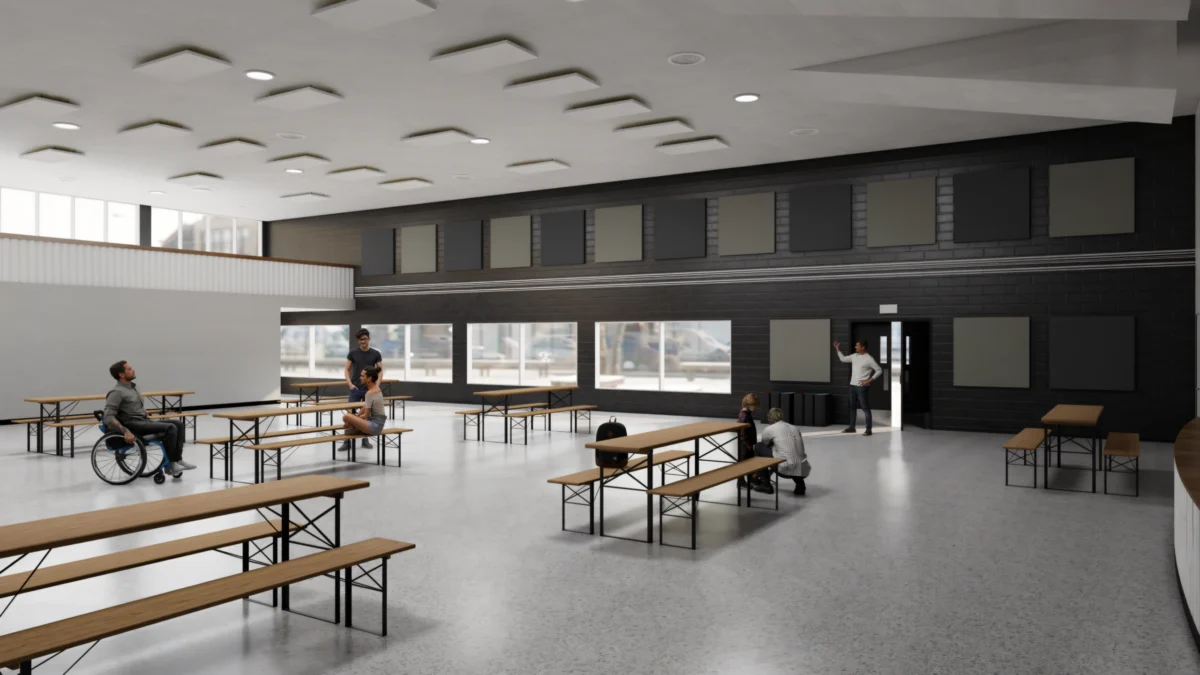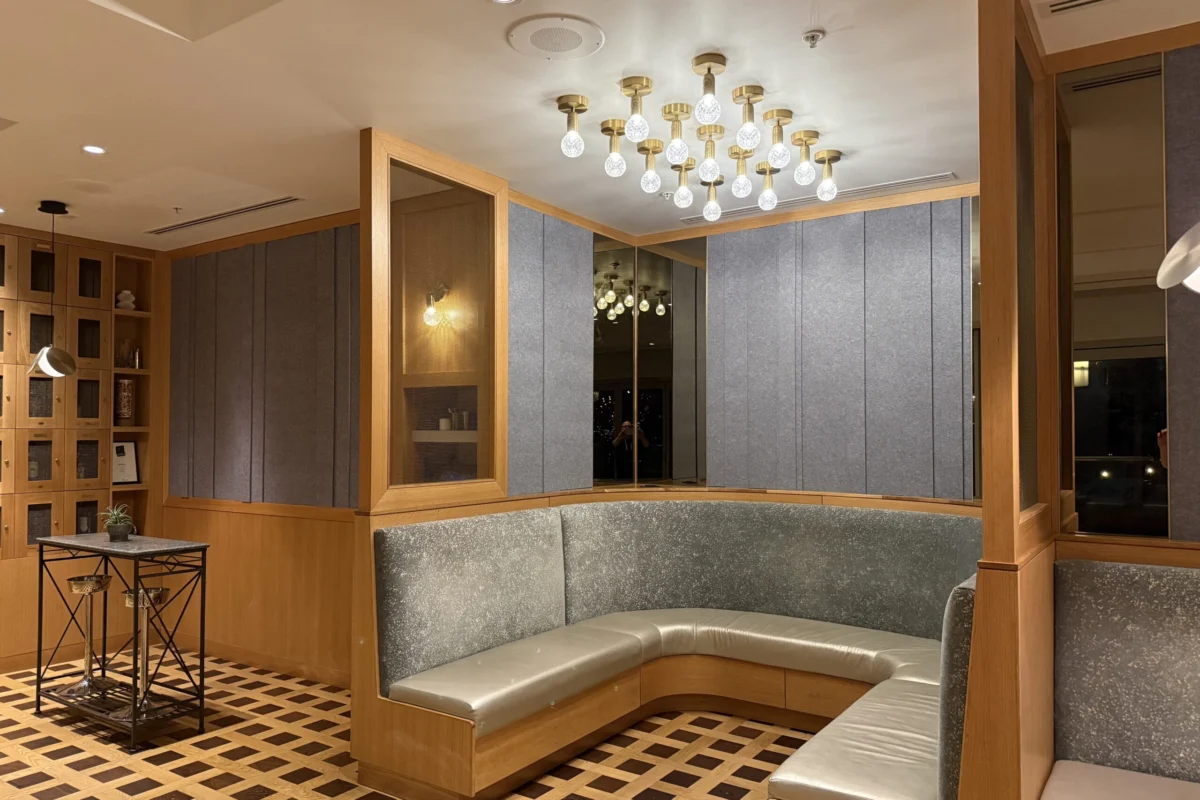
In the modern corporate landscape, transparency is more than a management philosophy—it is a design mandate. The rise of "daylighting," the architectural practice of maximizing natural light through expansive glass walls and floor-to-ceiling windows, has transformed office spaces, conference rooms, and collaborative hubs. These environments feel open, airy, and inviting, fostering a sense of connection and wellness among employees.
However, this shift toward glass-heavy architecture has ushered in a significant, often overlooked challenge: the acoustic "glass ceiling." While these surfaces are visually stunning, they are acoustically unforgiving. Hard, non-porous glass reflects sound waves with brutal efficiency, leading to a cascade of issues including excessive reverberation, flutter echoes, and a marked decline in speech intelligibility. In professional settings—particularly those relying on high-fidelity teleconferencing—these sonic disruptions can impede productivity and erode the very privacy these spaces were meant to provide.
The Convergence of Light and Sound: A Modern Architectural Challenge
The fundamental conflict lies in physics. Sound, much like light, follows the law of reflection. When sound waves hit a hard, flat, and non-porous surface like glass, they do not dissipate; they bounce back into the room. In a space defined by parallel glass walls, these reflections create "standing waves" or "flutter echoes," where sound bounces rapidly between surfaces, blurring speech and creating a chaotic audio environment.
For architects and designers, the challenge is to mitigate these sonic reflections without compromising the aesthetic benefits of glass. Traditional acoustic treatments, such as bulky foam or heavy panels, often block light or detract from the room’s minimalist design. The industry, however, is finding a sophisticated solution: advanced, sustainable materials that can be custom-fitted to glass environments.
Case Study: Solving the Boston Pharma Conundrum
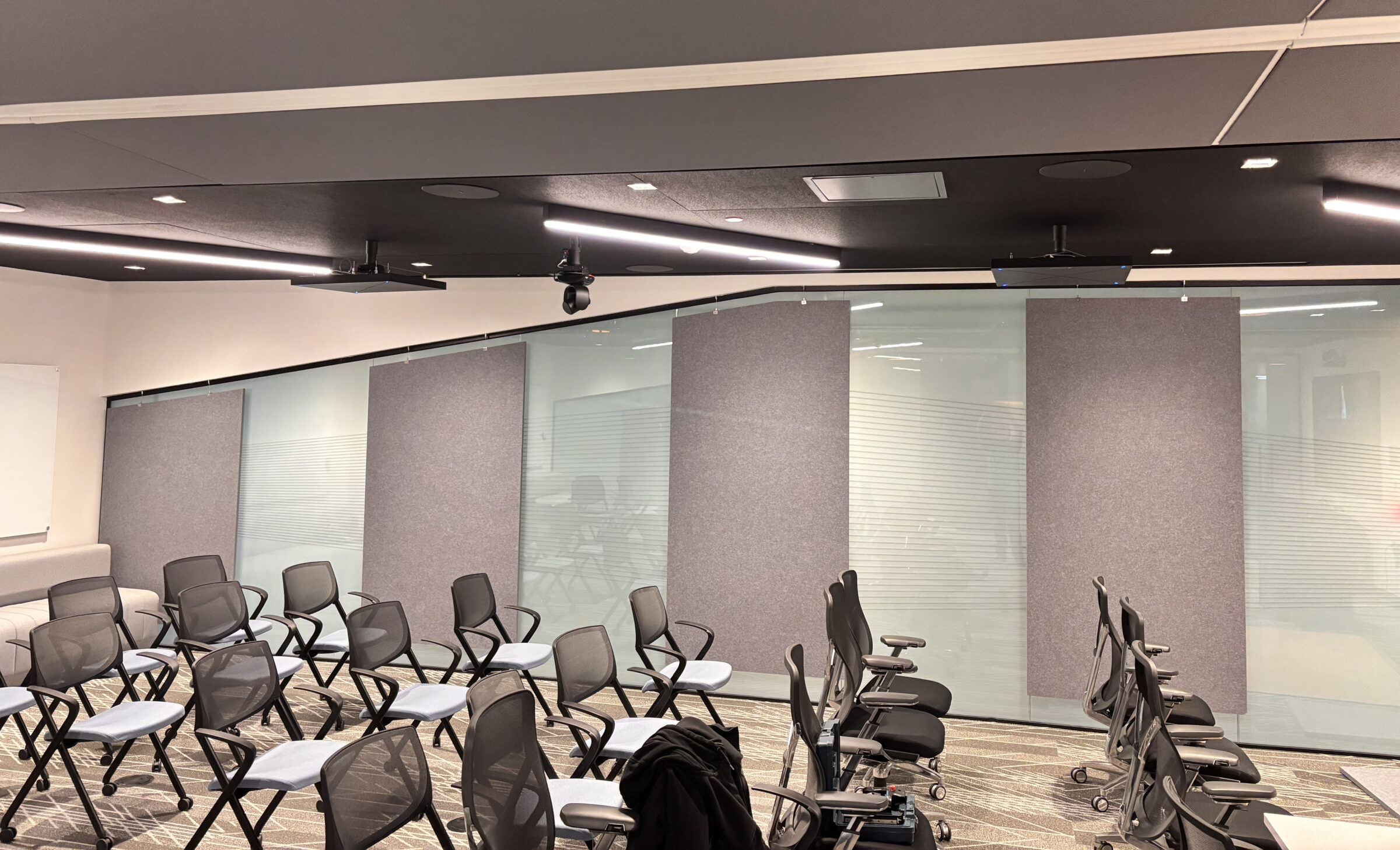
A recent project involving a Boston-based pharmaceutical firm serves as a prime example of this acoustic reconciliation. The company’s teleconferencing facility was a high-stakes environment where clarity of communication was paramount. However, the room featured two massive, parallel glass walls that ran the entire length of the space, turning the room into a sonic echo chamber.
Chronology of the Intervention
- The Assessment: The client’s AV integrator, DGI Communications, identified that the existing ceiling-based acoustic treatments were entirely insufficient to manage the reflections generated by the glass walls.
- The Constraint: The client explicitly forbade any modifications to the glass itself, and suspending additional treatments from the ceiling was deemed impractical due to existing infrastructure and design constraints.
- The Design Phase: Primacoustic engineers were brought in to devise a solution that would be "acoustically transparent" in function but visually complementary to the room’s design.
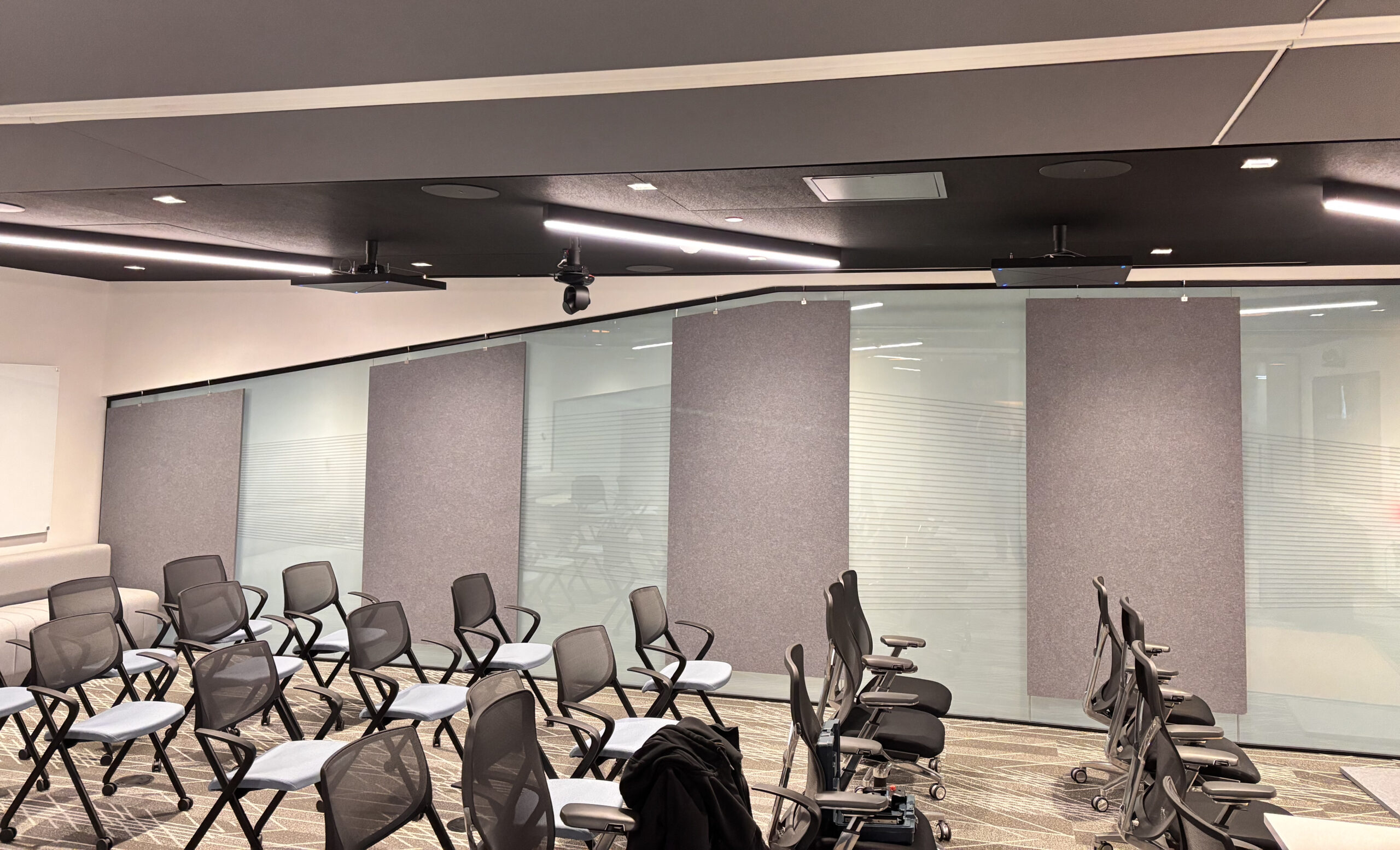
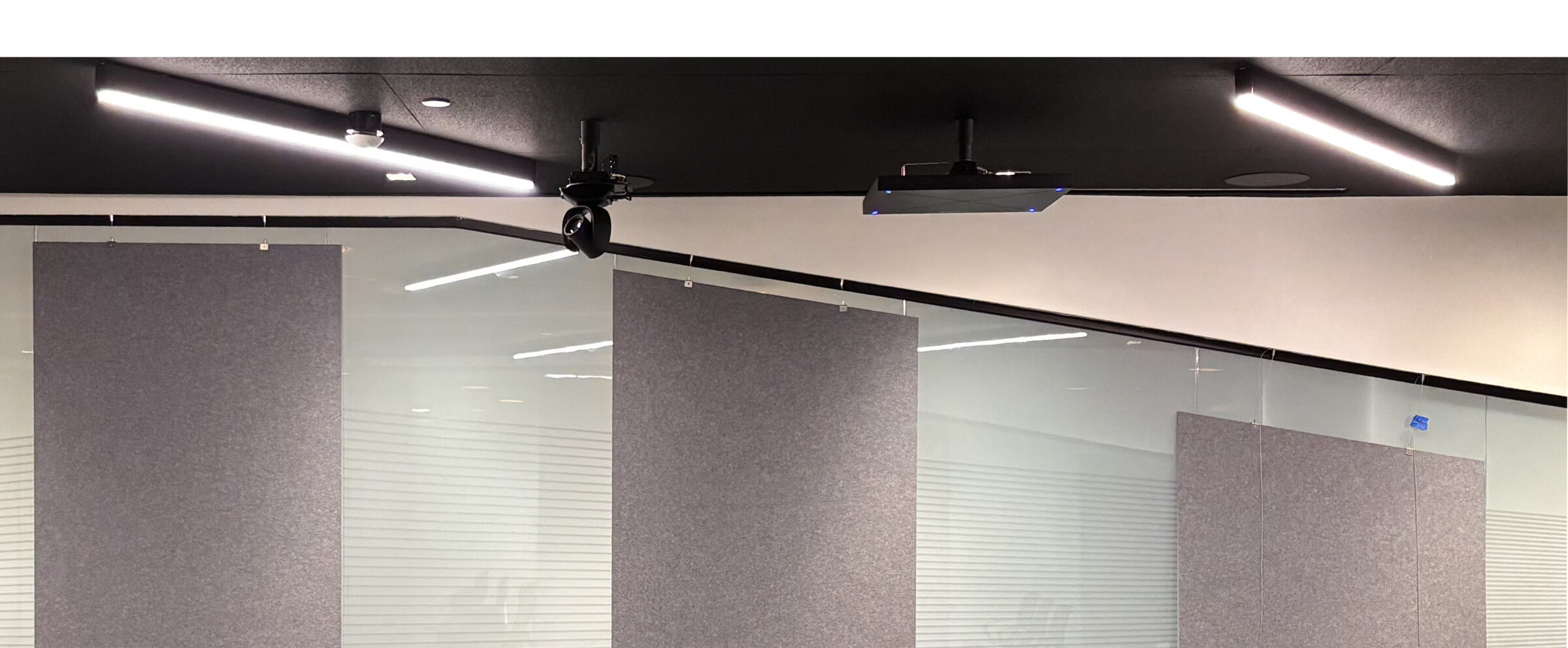
- The Execution: The team turned to the EcoScapes PET acoustic treatment line. These panels were precision-cut on-site to match the specific geometry of the glass walls.
- The Mounting Solution: Instead of attaching the panels directly to the glass, which would have obstructed the view and light flow, the panels were suspended from hardware anchored into the drywall above the glass line. By leaving a calculated air gap between the panels and the glass, the installation team significantly increased the absorption efficiency of the system.
Results and Performance Metrics
The installation involved eight 4’x8’ panels—four on each side. By creating a physical buffer that absorbed sound before it could reflect off the glass, the team achieved a dramatic reduction in reverberation. Speech intelligibility, once compromised by the room’s "live" acoustics, was restored to studio-grade clarity. This was achieved without losing the natural daylighting or the aesthetic appeal of the glass-walled design.
Supporting Data: Why PET is the Material of Choice
The shift toward Polyethylene Terephthalate (PET) as a primary acoustic material is not merely a trend; it is a response to the need for sustainable, high-performance, and versatile materials. PET, derived from recycled plastic bottles, has emerged as a powerhouse in acoustic engineering.
The Physics of PET Absorption
PET panels function through their density and porous structure. As sound waves penetrate the material, the energy is converted into low-level heat through friction within the fibers. Because PET can be manufactured at varying thicknesses and densities, it is exceptionally effective at absorbing mid- and high-frequency sounds—the exact frequencies where human speech resides.
Environmental and Structural Benefits
Beyond acoustics, PET offers several distinct advantages for commercial integrators:
- Sustainability: By utilizing recycled plastics, these products contribute directly to LEED (Leadership in Energy and Environmental Design) certification, helping firms meet corporate ESG (Environmental, Social, and Governance) goals.
- Weight-to-Rigidity Ratio: PET is remarkably lightweight, making it safe for wall-mounting or ceiling suspension in environments where heavy structural load-bearing is not an option.
- Fire Safety and Toxicity: Modern PET acoustic panels are rigorously tested for fire resistance and are non-toxic, ensuring they meet the stringent safety codes required for high-occupancy office buildings.
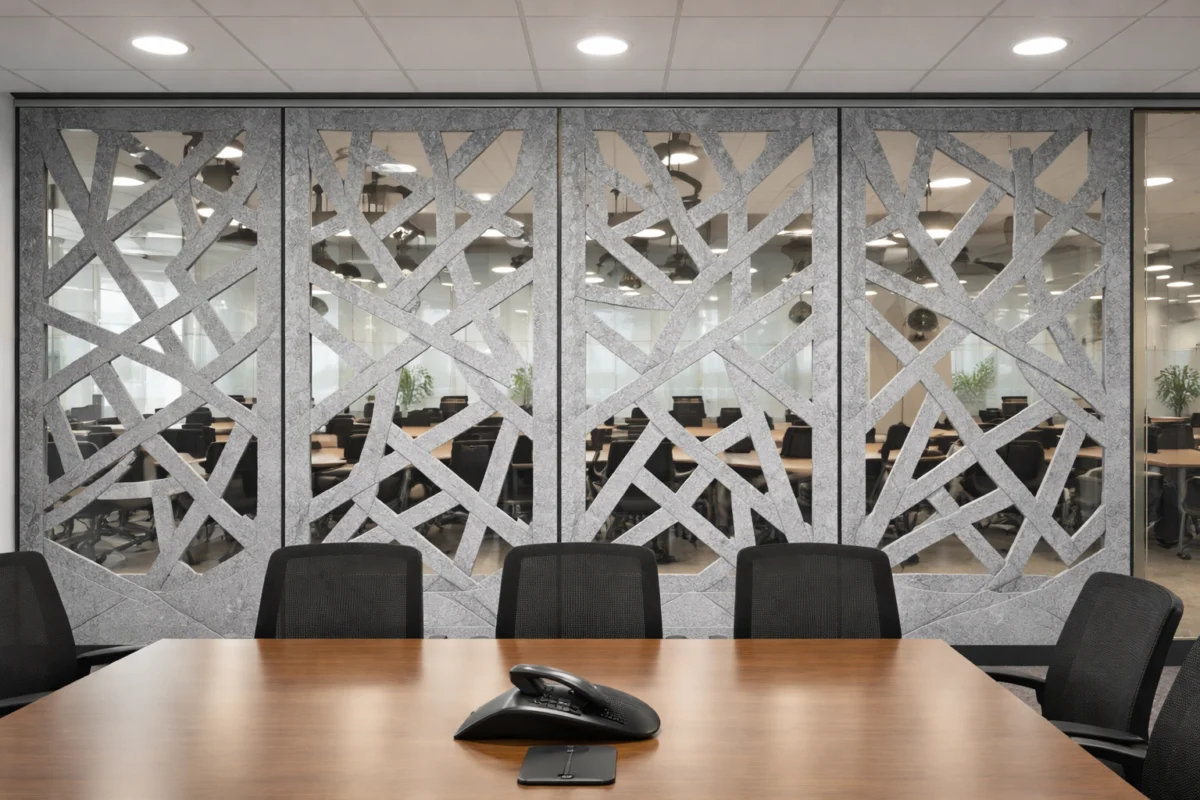
- Design Flexibility: Unlike traditional acoustic foam, PET can be precision-cut using CNC technology to create intricate patterns, logos, or geometric shapes. This allows acoustic treatments to double as architectural art, effectively turning a functional fix into a design feature.
Implications for Modern Office Design
The success of the Boston project highlights a broader shift in how we approach office acoustics. We are moving away from the "fix it later" mentality—where acoustic panels are slapped on walls as an afterthought—to an integrated design philosophy where acoustics are considered during the initial planning stages.
The Rise of the "Flexible Acoustic"
The future of commercial design lies in "non-destructive" mounting solutions. As office layouts become more fluid, the ability to install, adjust, or remove acoustic treatments without damaging original architecture is becoming a high-value commodity. The use of suspended PET panels in front of glass represents the pinnacle of this flexibility. It respects the integrity of the architecture while solving the fundamental physics of sound.
The Human Element: Well-being and Productivity
Acoustic comfort is not just about clear phone calls; it is about cognitive load. High-reverberation spaces force the brain to work harder to filter out ambient noise, leading to what researchers call "auditory fatigue." By creating acoustically controlled environments, companies are not just buying panels; they are investing in the cognitive health of their workforce. Clearer communication reduces the stress of meetings, allows for more focused collaborative work, and ultimately fosters a more inclusive environment for those with hearing sensitivities.

Expert Perspectives on Future-Proofing Spaces
Primacoustic, with over two decades of experience in the recording studio and professional audio industry, has seen the lines blur between "critical listening spaces" and the "modern office." According to their technical team, the primary mistake most businesses make is treating a boardroom like a warehouse—using generic products that don’t address the specific frequency challenges of the room.
"We pride ourselves on providing personalized support from the initial sketch to final installation," notes a representative from the Primacoustic engineering team. "The goal is to enable customers to achieve their acoustic and aesthetic goals fluidly. Our expertise is rooted in the fact that we treat a corporate boardroom with the same level of sonic scrutiny as we would a high-end recording studio."
Innovation in the Pipeline: The Signature Suite
As the demand for custom solutions grows, manufacturers are responding with more than just standard-sized boards. Primacoustic’s "Signature Suite," for instance, now offers designer-grade fabrics and custom color finishes. This allows firms to align their acoustic panels with their corporate branding, turning sound control into a marketing asset.

Conclusion: A New Standard for Workplace Acoustics
The challenge of glass-heavy architecture is not going away. As we continue to prioritize natural light and open, airy environments, the need for intelligent, non-invasive acoustic solutions will only increase. The integration of PET-based solutions like the EcoScapes line proves that we no longer need to sacrifice aesthetics for sound.
By leveraging the inherent properties of recycled materials, the precision of modern manufacturing, and the science of sound absorption, businesses can create environments that are as quiet as they are beautiful. The ultimate goal—to be heard clearly in a space that invites the light in—is no longer a design contradiction. It is a standard, achievable reality.
For those currently struggling with "noisy" glass spaces, the path forward is clear: integrate acoustic control early, choose materials that align with your sustainability goals, and work with experts who understand the physics of sound. As the industry mantra suggests: We’re listening—be heard.