The landscape of digital audio is undergoing a profound transformation. As podcasting matures from a niche medium into a dominant pillar of global entertainment, the battle for listener attention has intensified. Recent developments, centered primarily on platform innovation and the diversification of content delivery, signal a pivot toward a more integrated, multimedia-focused experience. Central to this shift is Apple’s recent expansion of its video capabilities within the Apple Podcasts ecosystem, a move that promises to redefine how audiences engage with their favorite creators.
Main Facts: The New Face of Apple Podcasts
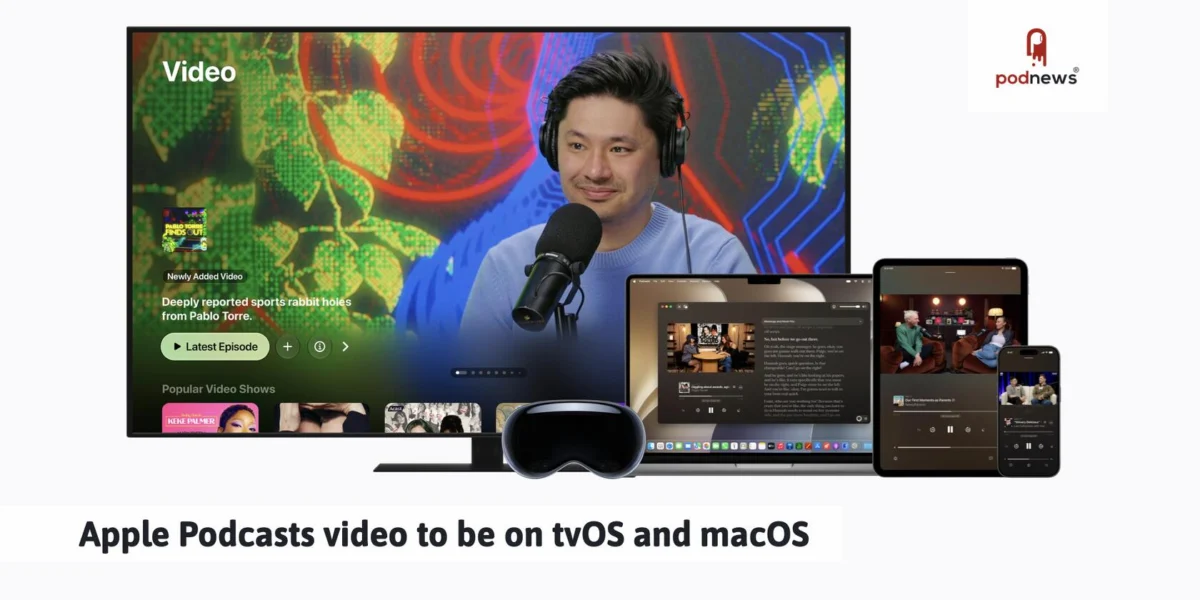
Apple has officially unveiled an expansion of its video capabilities, marking a significant evolution for the Apple Podcasts platform. By integrating video directly across its primary user interfaces, Apple is moving to bridge the gap between traditional audio-only consumption and the rising demand for visual content—often referred to as "vodcasting."
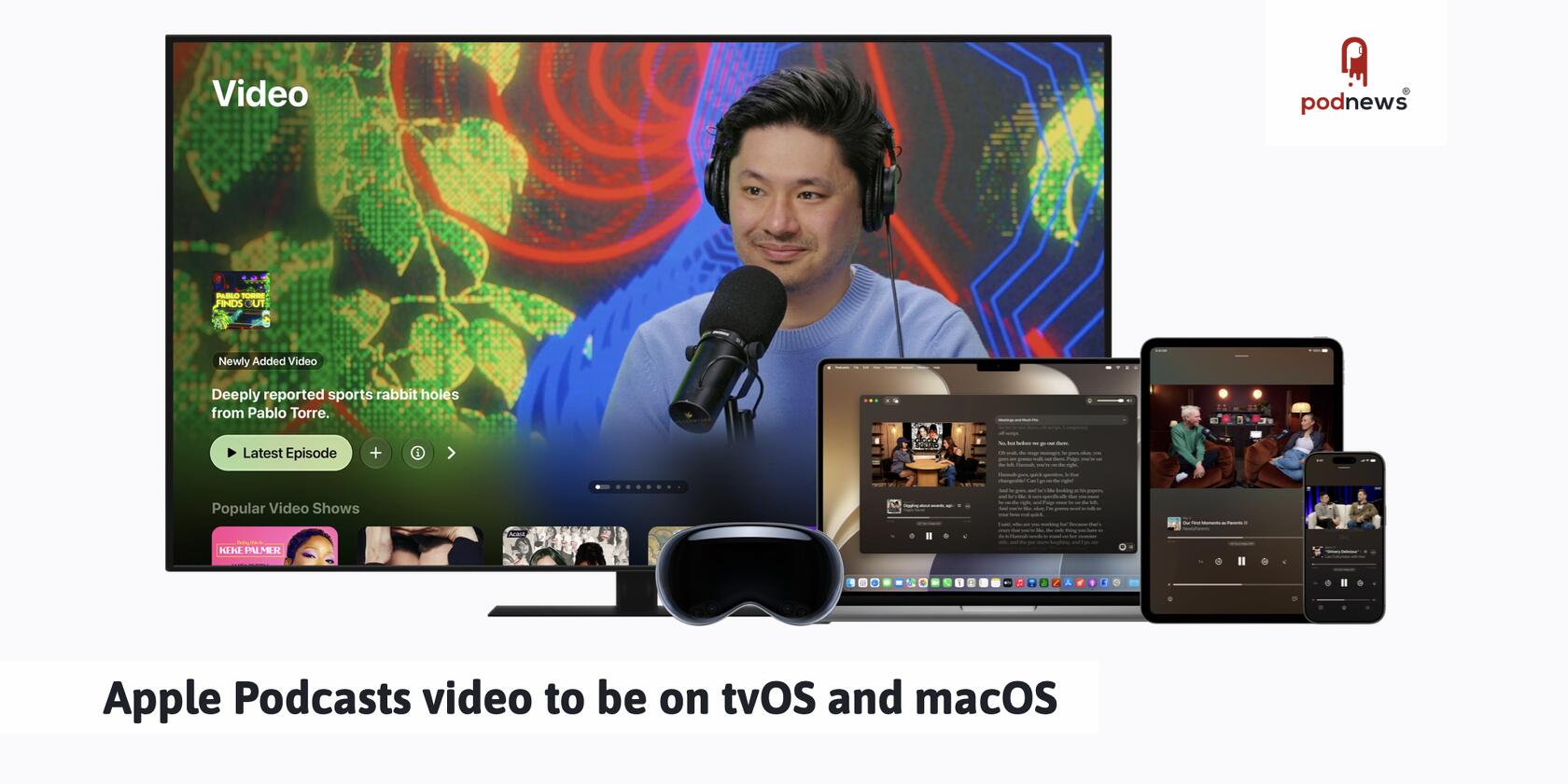
For years, platforms like YouTube have dominated the visual podcasting space. Apple’s decision to elevate video to a primary "surface" within its own app suggests that the company is no longer willing to cede this territory to its competitors. This update is not merely cosmetic; it represents a fundamental change in how the app handles metadata, streaming, and user interaction. By prioritizing video-ready content, Apple is incentivizing creators to produce dual-format episodes, thereby enriching the user experience and increasing the "stickiness" of the platform.
The implications for discovery are substantial. With video integrated into the main feed, users are more likely to encounter, sample, and commit to long-form visual content without leaving the ecosystem. This move positions Apple to capture a demographic that has become accustomed to the algorithmic recommendation engines of video-first platforms, effectively challenging the current market hierarchy.

Chronology: The Road to Multimedia Integration
The journey toward this integration did not happen overnight. It is the result of years of market pressure and technological refinement:
- 2020–2021: The Rise of the "Video Podcast." The global pandemic accelerated the adoption of video streaming for podcasts. Creators began utilizing platforms like Zoom and StreamYard to record conversations, leading to a surge in YouTube-hosted content.
- 2022: Industry Consolidation. Major players, including Spotify, began aggressively courting video podcasters, offering exclusive deals to ensure that video content remained on their proprietary platforms rather than relying on standard RSS feeds.
- 2023: Apple’s Incremental Updates. Throughout the year, Apple quietly optimized its backend to better handle larger file sizes and varying media formats, laying the groundwork for a more robust visual experience.
- 2024: The Full Rollout. The current expansion marks the culmination of these efforts. Apple has officially pushed these updates across all devices, ensuring that video is no longer a peripheral feature but a core component of the user experience.
Supporting Data: The Current Podcast Landscape
The podcasting industry remains a battleground of metrics, with platforms vying for the #1 spot in various categories. According to the latest data, the top-tier competition remains fierce:

The U.S. Leaderboard
- Apple Podcasts: The Daily continues to command the top position, proving that high-quality investigative journalism remains the cornerstone of the platform’s success.
- Spotify: The Joe Rogan Experience maintains its stronghold as the #1 podcast, demonstrating the continued power of personality-driven, long-form content.
Emerging Trends and Niche Growth
Data from the last quarter highlights significant shifts in audience interest:
- Visual Arts: The podcast Battle Of The Atom: An X-Men Podcast saw the largest gains in the Visual Arts category, suggesting that pop-culture deep dives remain a primary driver of new user growth.
- Non-Profit & Sustainability: The Sustainability Options Podcast emerged as the highest new entry in the Non-Profit category in Ireland, reflecting a growing listener appetite for mission-driven, educational content.
- Film History: WHAT WENT WRONG currently holds the #1 spot for Film History in Ireland, showcasing the enduring appeal of niche historical analysis.
- International Reach: In the United Kingdom, We Need To Talk with Paul C. Brunson dominates the Society & Culture category, highlighting the platform’s ability to maintain regional authority.
Official Responses and Industry Outlook
While Apple has been characteristically tight-lipped regarding specific algorithmic changes, industry analysts have been quick to weigh in.

"The shift to video is a natural evolution," says Sarah Jenkins, a lead analyst at MediaFlow Insights. "Podcasters have been building visual audiences on YouTube for a decade. By bringing that functionality to the native Apple app, Apple is finally acknowledging that the definition of a ‘podcast’ has evolved. It’s no longer just about the audio—it’s about the intimacy of the visual connection."
Independent creators have responded with cautious optimism. For many, the ability to serve their audience through Apple’s native player—without forcing them to jump to a different app—is a massive win for user retention. However, some raise concerns about the technical hurdles of producing high-quality video for a medium that was, until recently, optimized exclusively for audio.

Implications for the Future of Content
The integration of video into Apple Podcasts has wide-reaching implications for the industry at large.
1. The Death of the "Audio-Only" Standard
The standard RSS feed for podcasts has traditionally been text and audio. With video becoming a first-class citizen, we may soon see a move toward a new industry standard that mandates visual metadata, thumbnail optimization, and synchronized video-audio streaming. This will force smaller production houses to invest in video infrastructure, potentially creating a "quality divide" between professional and hobbyist creators.

2. Algorithmic Discovery
Apple’s algorithm, which has long relied on listener behavior, download volume, and subscriber retention, will likely incorporate "watch time" as a primary metric. This mirrors the YouTube model, where engagement is measured by how long a user stays with the content. This shift will favor creators who can master the art of visual storytelling.
3. Monetization Strategies
For advertisers, the integration of video opens new avenues for dynamic ad insertion. Beyond simple audio reads, we are likely to see the rise of visual product placement and interactive ad overlays, which are significantly more lucrative for both the creator and the platform.

4. Niche Content Flourishing
As seen in the recent success of niche podcasts like Travel Tales by AFAR or We Choose To Go To Kennedy, the platform is becoming increasingly adept at surfacing specialized content. Travel Tales by AFAR continues to offer a transformative look at the world, while the new We Choose To Go To Kennedy provides an insider’s perspective on human spaceflight—exactly the kind of high-production, high-value content that benefits from a visual component.
Additionally, the rise of specialized discourse—such as the recent bonus episode of Not a Climate Scientist, which explores the intersection of disease and deforestation—proves that audiences are hungry for deep, complex topics. When these conversations are paired with compelling video, the potential for audience engagement and education grows exponentially.

Conclusion: A New Era of Listening (and Watching)
The digital audio industry is moving beyond the era of the "podcast as a radio substitute." We are entering a period where the podcast is a multimedia experience—a destination for deep, long-form content that can be consumed on the go, in the gym, or from the comfort of a couch.
Apple’s decision to embrace video is a clear signal that the company intends to remain the primary hub for this evolution. For creators, this is an invitation to innovate. For listeners, it is an invitation to see their favorite stories in a new light. As we look toward the future of the medium, the line between "podcasting" and "streaming" will continue to blur, ultimately benefiting the consumer by providing a richer, more diverse, and more immersive experience than ever before.

The industry is not just changing; it is expanding, and those who adapt to this new visual reality will be the ones who define the next decade of digital storytelling. Whether it is through the lens of a soccer nation’s fan culture in An American Game or the scientific rigor of Not a Climate Scientist, the power of the medium remains rooted in connection—a connection that is now stronger, clearer, and more visible than ever.