In the rapidly evolving landscape of high-end audio, few components have managed to bridge the gap between traditional audiophile sensibilities and the demands of the modern digital consumer as effectively as NAD’s Masters Series. With the release of the NAD M33 V2, the legendary audio manufacturer has once again raised the bar, refining its flagship streaming amplifier to offer a more potent, precise, and future-proof listening experience. By integrating cutting-edge Class D amplification, advanced digital-to-analog conversion, and the robust BluOS ecosystem, the M33 V2 stands as a testament to the idea that an all-in-one hub need not compromise on performance.
Main Facts: The Anatomy of a Flagship
The NAD M33 V2 is far more than an integrated amplifier; it is a comprehensive, audiophile-grade media center designed for the 21st century. At its core, the device utilizes the second-generation Eigentakt amplifier technology, licensed from PuriFi. This design delivers a staggering 200 watts per channel into 8 ohms, with dynamic power output reaching 560 watts into 4 ohms.

The digital engine of the M33 V2 is anchored by the ESS ES9039PRO SABRE DAC, a top-tier chip known for its industry-leading clarity and detail. To address the inherent challenges of digital playback, NAD has implemented proprietary technologies—QRONO for the DAC and FOQUS for the ADC—which work in tandem to minimize timing errors and temporal smearing. These innovations, developed following Lenbrook’s acquisition of MQA, ensure that the transition from digital signal to analog output is as faithful to the original recording as possible.
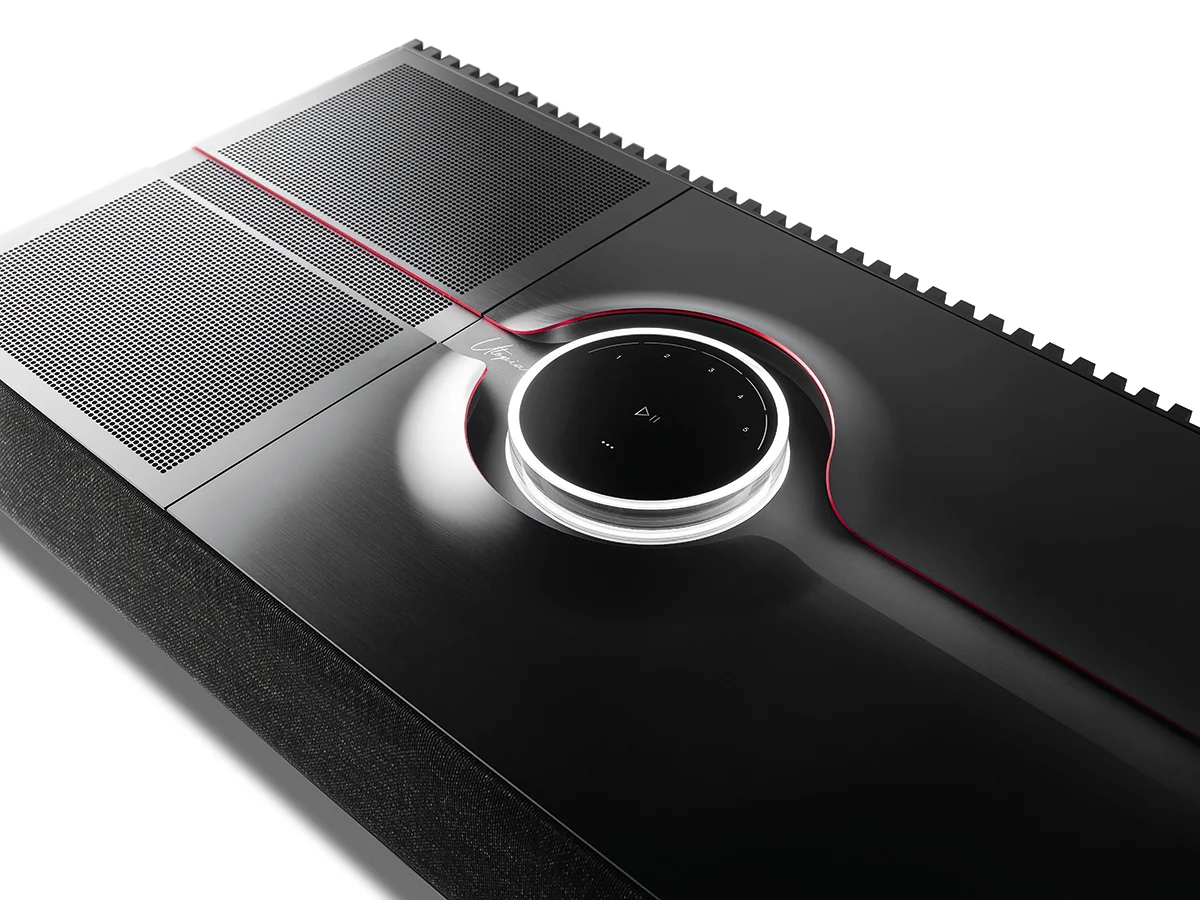
Beyond the internal circuitry, the M33 V2 features a full-color touchscreen interface, a high-current headphone amplifier, and a reference-grade phono stage supporting both Moving Magnet (MM) and Moving Coil (MC) cartridges. Its physical build is equally impressive, featuring a minimalist metal and glass aesthetic, complemented by unique magnetic isolation feet that provide both structural stability and a premium tactile experience.

Chronology: From Olive Green to Modern Minimalism
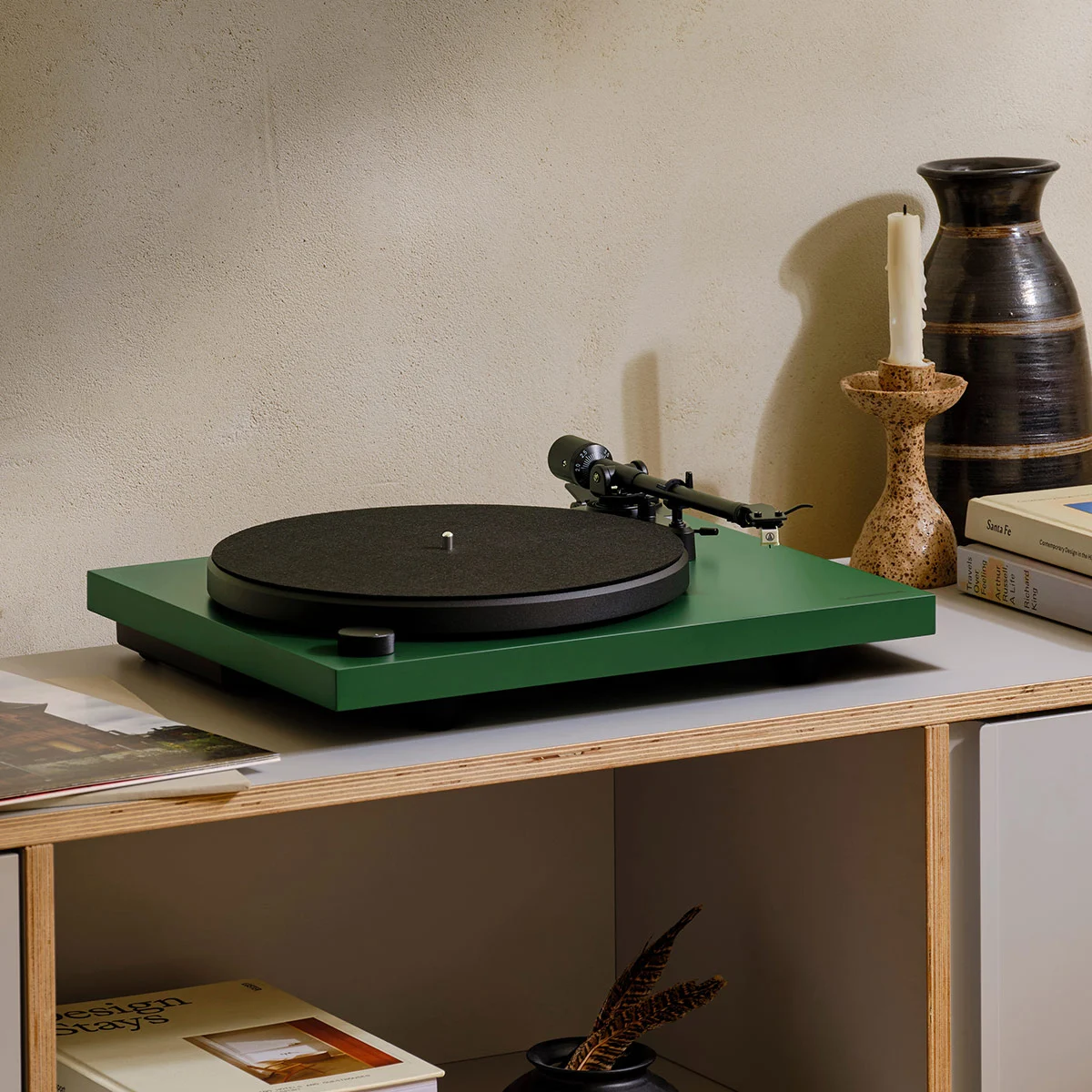
The journey of the NAD M33 V2 is rooted in a fifty-year heritage of audio engineering. In the 1980s, NAD was the go-to brand for the "budding audiophile," providing high-value, high-performance gear in their iconic dark olive green chassis. While the aesthetic has shifted toward the sleek, modern lines of the Masters Series, the brand’s core philosophy remains unchanged.
The progression from the original M33 to the V2 represents a strategic refinement of an already successful platform. By observing user feedback and technological advancements, NAD has optimized the signal path and bolstered the digital conversion capabilities. The transition from Class A/B amplification—once considered the undisputed king of hi-fi—to the high-efficiency, low-distortion Class D Eigentakt architecture signifies NAD’s commitment to the future. This evolution allows the M33 V2 to deliver performance that rivals heavy-duty, analog-only amplifiers like the Musical Fidelity Nu-Vista 600.2, but within a significantly smaller and more versatile footprint.

Supporting Data: Technical Specifications and Room Correction
The performance metrics of the M33 V2 are nothing short of impressive. With a signal-to-noise ratio exceeding 120 dB and a frequency response of 20–20,000 Hz (±0.2 dB), the amplifier provides a remarkably quiet background and wide dynamic range.
Dirac Live Integration
Perhaps the most significant value-add for the modern user is the inclusion of Dirac Live room correction. The M33 V2 comes with a Limited Bandwidth license (20–500 Hz), allowing users to tame bass peaks and room modes—the most common culprits in compromised sound quality. For those seeking total perfection, the system is fully compatible with optional full-bandwidth licenses and Dirac Live Bass Control, which leverages the unit’s dual subwoofer outputs with adjustable crossovers to create a seamless, integrated low-end performance.

Connectivity and Expansion
The M33 V2 is designed to be the "brain" of a home audio system. Its connectivity suite includes:
- Analog Inputs: RCA line-level, balanced XLR, and dedicated Phono (MM/MC).
- Digital Inputs: 2 Toslink, 2 Coaxial, AES/EBU, and HDMI eARC for seamless integration with television audio.
- Expansion: Two Modular Design Construction (MDC) slots. This is a critical feature; as technology advances—whether it be new video standards or future audio formats—users can replace individual modules rather than discarding the entire unit.
Official Perspectives: The User Experience
In hands-on testing, the M33 V2 proves that modern convenience does not necessitate a sacrifice in emotional engagement. Listening sessions featuring diverse genres—from the acoustic warmth of Tom Petty’s Full Moon Fever to the complex, sweeping orchestrations of Dvorak’s Slavonic Dances—reveal an amplifier that is as capable of handling delicate transients as it is of delivering gut-punching dynamic power.

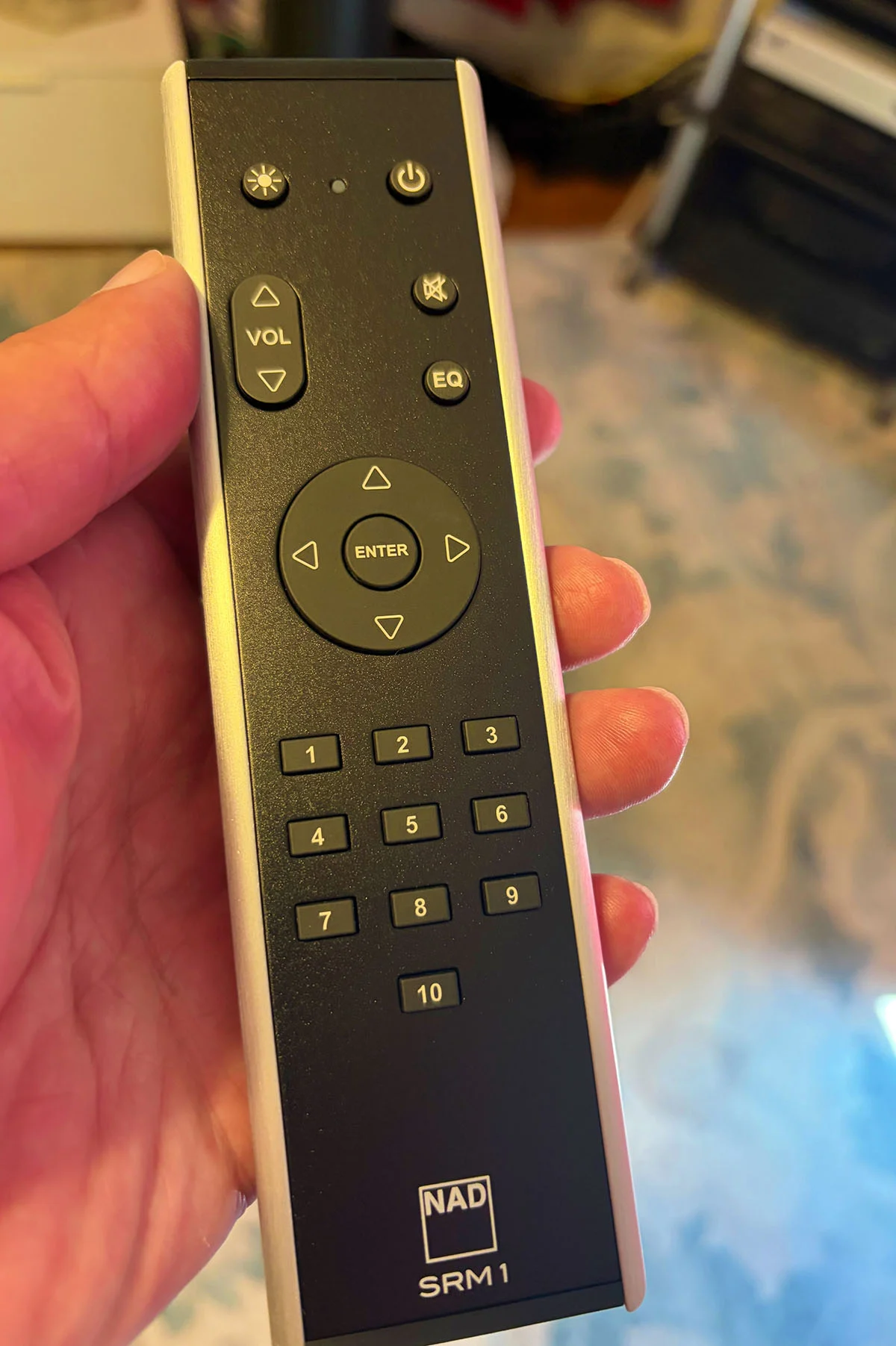
However, the user experience is not entirely without friction. While the BluOS platform is arguably the most stable and feature-rich multi-room streaming ecosystem available, some users may find the occasional timeout error or the inability to change display settings on-the-fly via the app slightly frustrating. Despite these minor software quirks, the core functionality—streaming high-resolution audio from Qobuz, Tidal, or Roon—remains fluid and intuitive. The ability to toggle Dirac Live on and off via the metal remote provides a clear demonstration of the software’s effectiveness, transforming the soundstage from "good" to "reference-grade" with a single click.
Implications for the Future of Hi-Fi
The NAD M33 V2 serves as a bellwether for the high-end audio industry. It suggests that the future of the hobby is not necessarily found in sprawling, 80-pound mono-blocks, but in sophisticated, all-in-one integrated units that prioritize signal integrity and computational power.

The inclusion of the MDC modular slots is a particularly important development. In an era where electronics often become "obsolete" within a few years due to changing digital standards, NAD’s modular approach offers a sustainable path for consumers. It acknowledges that an investment of this magnitude should be protected.
Furthermore, the M33 V2 challenges the lingering stigma surrounding Class D amplification. By pairing PuriFi’s Eigentakt technology with high-resolution digital processing, NAD has silenced the critics who once claimed that digital-leaning amplifiers lacked the "soul" of their Class A/B counterparts. The result is an amplifier that runs cool, consumes less power, and performs with a level of transparency and control that is difficult to ignore.

Conclusion: Is the M33 V2 Your Next Upgrade?
For the listener who demands a clean, powerful, and technologically advanced hub for their home system, the NAD M33 V2 is a compelling choice. It successfully consolidates the functions of a pre-amplifier, power amplifier, high-resolution DAC, and multi-room streamer into one cohesive package. While the price point places it firmly in the premium category, the value is justified by its top-tier build quality, the inclusion of industry-leading room correction, and the inherent longevity provided by its modular architecture.
As we look toward the future of home audio, the M33 V2 stands as a benchmark of efficiency and musicality, proving that in the right hands, modern technology can provide an listening experience that is both technologically profound and deeply, undeniably musical. Whether you are a vinyl enthusiast, a streaming power-user, or a fan of high-resolution digital files, the M33 V2 is a versatile command center designed to serve the music first and foremost.