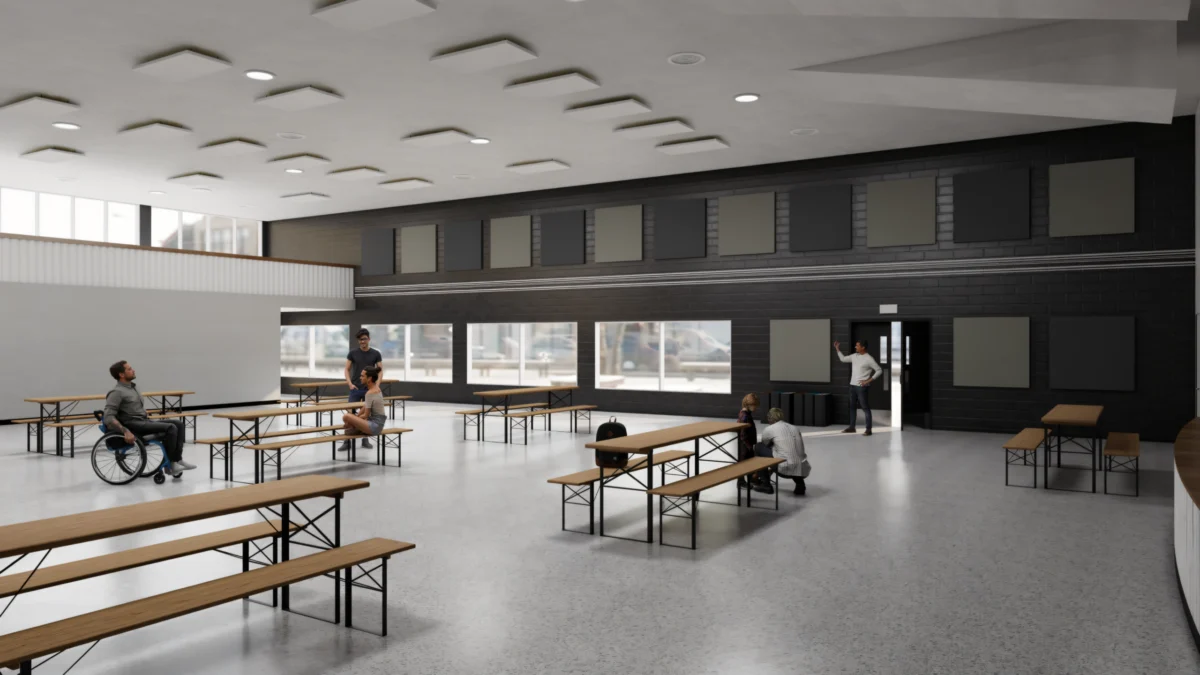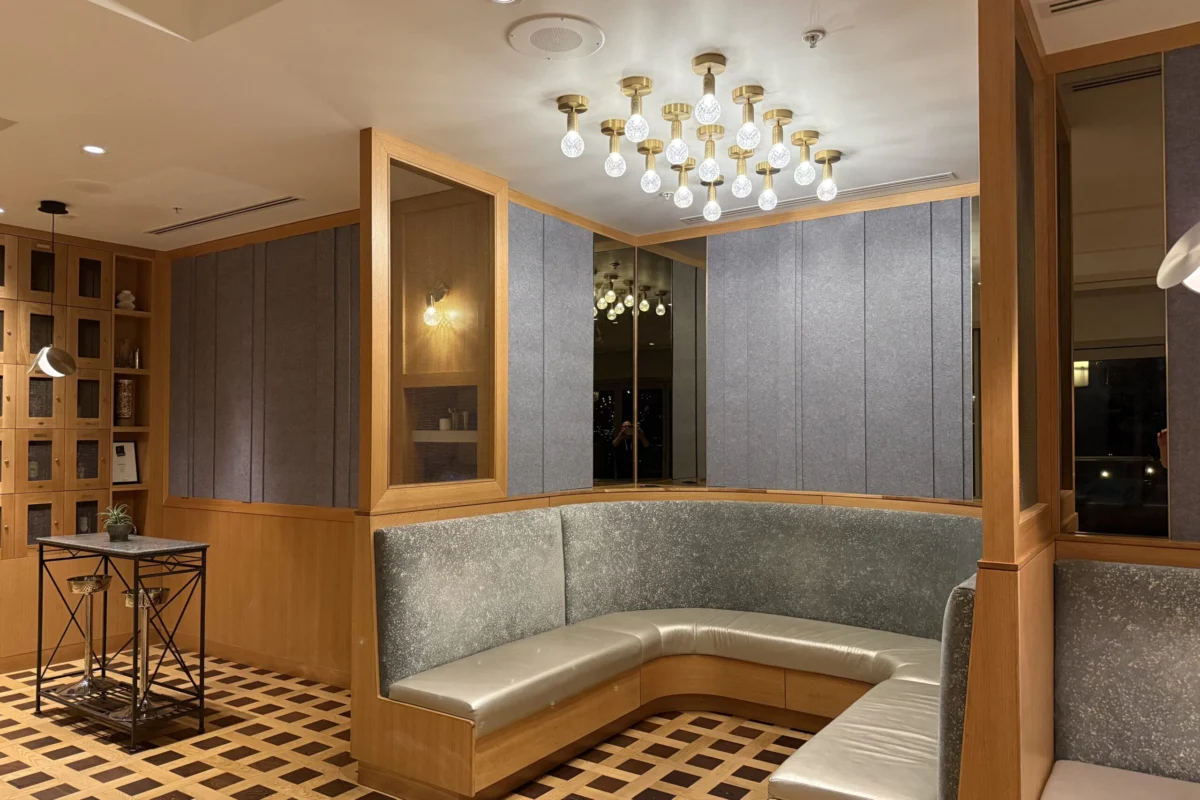
INDUSTRY INSIGHT — In the contemporary architectural landscape, the old paradigm of treating sound as an afterthought is rapidly vanishing. Functionality, aesthetics, and sustainability are now inextricably entwined, demanding a sophisticated, system-level approach to acoustic control. Designers, architects, and system integrators are no longer satisfied with piecemeal fixes or rigid, one-size-fits-all product lines. Instead, the modern built environment requires adaptable, modular acoustic treatments that integrate seamlessly into a space, promote occupant wellness, support green-building certifications like WELL and LEED, and double as artful architectural expressions.
This paradigm shift is driving substantial innovation across the manufacturing sector. Leading acoustic solutions provider Primacoustic is at the forefront of this movement, highlighted by the ongoing expansion of its sustainably sourced EcoScapes PET acoustic treatment system and the introduction of the Waypoint Colour Collection—a curated series of custom shades for the company’s studio-grade Broadway line of glass wool panels.

1. Main Facts: The Shift Toward Integrated Architectural Sound Control
Modern architectural spaces—ranging from expansive open-plan corporate offices and hybrid collaboration hubs to multi-use cultural facilities—face unprecedented acoustic challenges. Noise in these environments rarely originates from a single source; rather, occupants contend with overlapping waves of ambient chatter, video conference audio, presentations, foot traffic, and mechanical HVAC hums.
- The System-Level Approach: Effective acoustic mitigation requires a suite of flexible treatments engineered to address multiple sonic frequencies. These products must be applicable across any surface—walls, ceilings, and specialized architectural elements—without disrupting the interior design.
- Sustainability and Certification: Modern developments must meet rigorous ecological standards. Products utilizing recycled materials, such as Primacoustic’s EcoScapes PET line, directly support sustainable design goals and contribute points toward LEED and WELL building certifications.
- Material Versatility: Combining high-performance glass wool panels (like the Broadway series with the new Waypoint Colour Collection) with versatile PET felt materials provides a comprehensive toolkit for managing both sound absorption and diffusion.
2. Chronology: How Acoustics Evolved from Remediation to Core Design
Understanding the current demand for design-forward acoustics requires looking at how the discipline has matured over recent decades:

- The Era of Remediation (Late 20th Century): Historically, acoustic treatment was reactive. Designers completed a building first, and if an office proved too echoey or a conference room suffered from poor speech intelligibility, unsightly foam panels or industrial baffles were bolted on as corrective measures.
- The Rise of Open-Plan Workspaces (2000s–2010s): The corporate push toward open-office layouts dramatically increased ambient noise levels. While collaborative spaces fostered teamwork, they crippled productivity by eliminating privacy and causing auditory fatigue. Architects began realizing that acoustic planning needed to enter the design phase earlier.
- The Convergence of Wellness and Aesthetics (2020s–Present): Post-pandemic workplace shifts, hybrid schedules, and multi-use facilities accelerated the need for flexible environments. Acoustic treatments evolved into interior design elements. Manufacturers introduced customizable shapes, printed finishes, and specialized color palettes, transforming sound dampening panels into feature walls, architectural beams, and integrated artistic statements.
3. Supporting Data and Industry Insights: The Limitations of "One-Size-Fits-All"
Industry data consistently shows that workspace acoustics directly impact human well-being, concentration, and productivity. Uncontrolled reverberation times lead to the "Lombard effect," where people unconsciously raise their voices to be heard over background noise, escalating decibel levels exponentially.
Why Standardized Solutions Fail
Every interior space possesses unique spatial geometry, thermal properties, and surface materials (such as expansive glass curtain walls, polished concrete floors, and steel beams). Standardized, off-the-shelf acoustic treatments frequently fall short for several reasons:
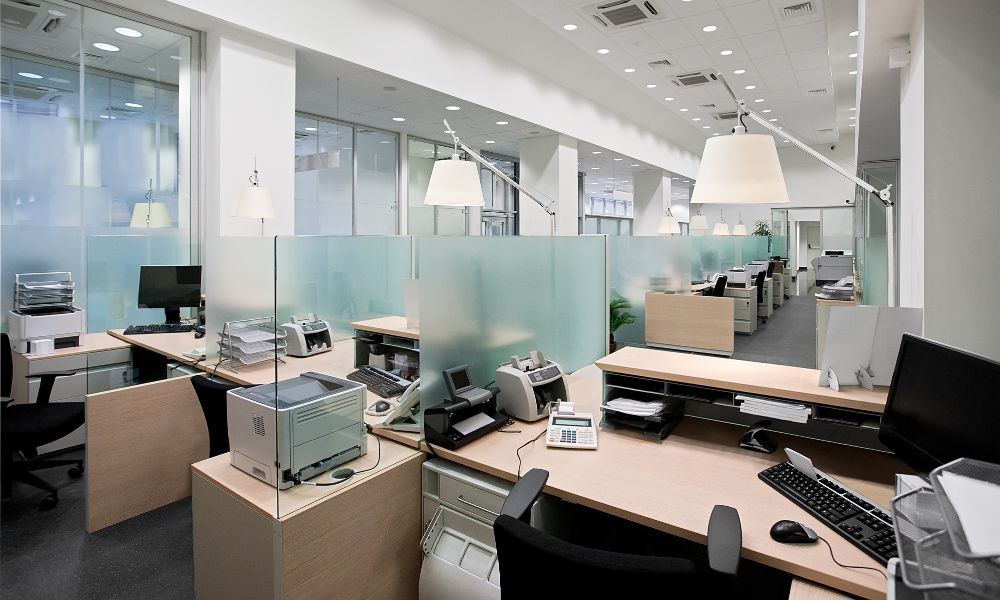
- Inflexible Form Factors: Limited sizing options prevent treatments from aligning cleanly with architectural lines, joints, or lighting fixtures.
- Frequency Blind Spots: A single panel type rarely addresses both low-frequency rumble and high-frequency flutter echoes across complex room geometries.
- Multi-Use Volatility: Spaces that alternate between quiet focus zones, packed lectures, and social events require variable acoustic responses that static solutions cannot provide.
By deploying a cohesive family of modular products—such as Primacoustic’s scalable EcoScapes system—designers can tailor coverage precisely to spatial constraints. Whether wrapping around support pillars, suspending acoustic beams from exposed ceilings, or mounting panels directly onto glass partitions, scalable systems maintain predictive acoustic performance while preserving architectural integrity.
4. Official Responses and Industry Perspectives
Design professionals and acoustic engineers emphasize that the future belongs to products offering total design freedom without compromising performance specifications.

"An acoustically balanced environment is no longer a luxury or an afterthought," notes an industry briefing from Primacoustic’s design resources. "The sound of a space shapes user experience: enhancing wellness, maximizing productivity, creating zones tailored for specific uses in open-plan spaces, and meeting the growing demand for functional, aesthetically pleasing installations."
According to architectural consultants, the ability to specify products that blend invisibly into a room or stand out as branded statement pieces is paramount. When acoustic elements can be sized, shaped, carved, and colored to match a client’s specific branding or interior motif, resistance from interior designers evaporates.
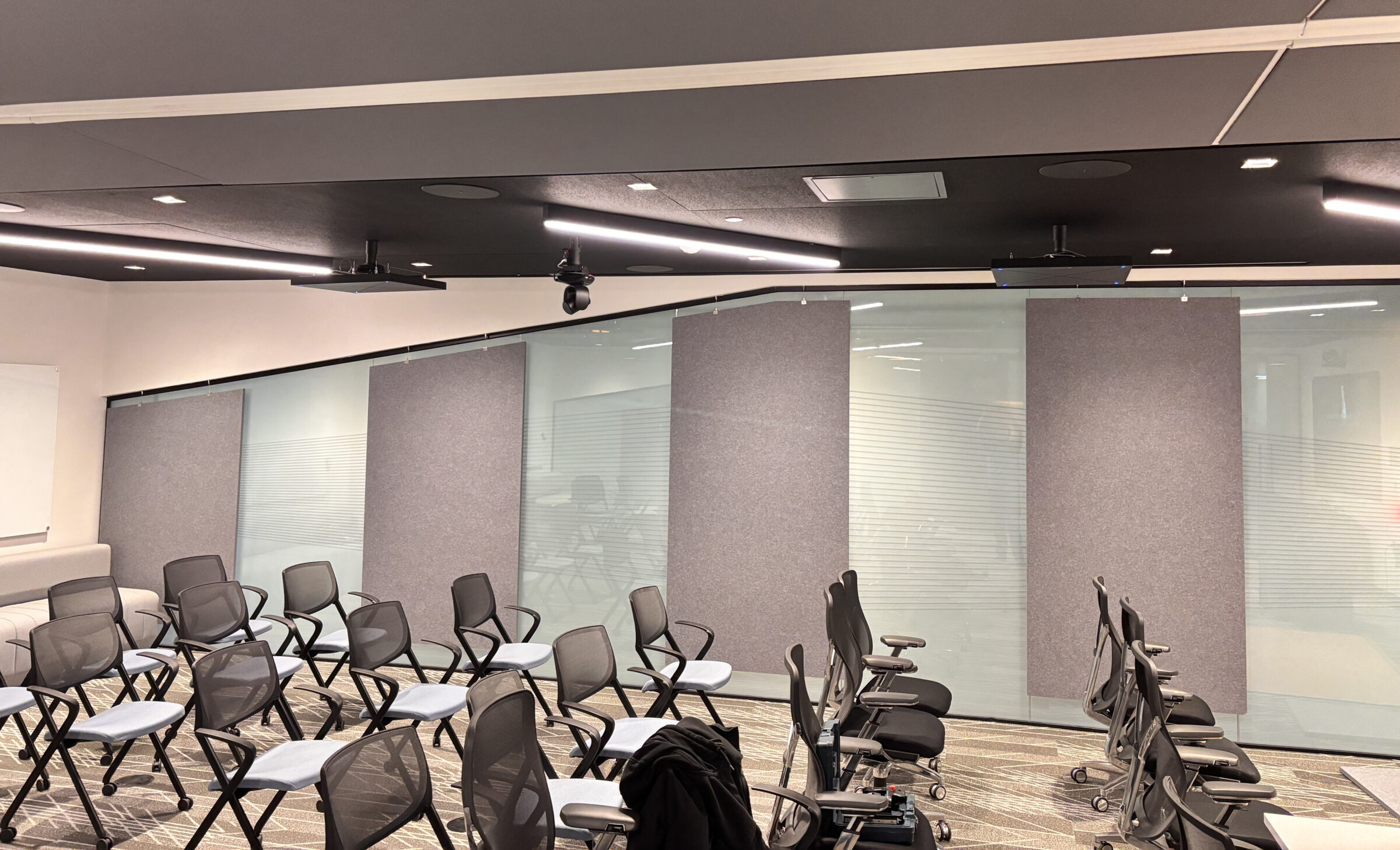
Furthermore, the expansion of custom colorways—exemplified by the Waypoint Colour Collection for Broadway glass wool panels—allows specifiers to achieve color continuity across completely different acoustic media (such as matching fabric-wrapped fiberglass panels to rigid PET felt structures).
5. Implications for Architects, Designers, and Facilities Managers
The widespread adoption of modular, sustainable, and aesthetically integrated acoustic systems carries profound implications for the commercial real estate and interior design sectors:

- Future-Proofing Spaces: Modular systems like EcoScapes are inherently retrofit-friendly. As tenant needs shift or corporate branding evolves over a building’s lifecycle, facilities managers can seamlessly add, relocate, or reconfigure acoustic treatments without overhauling the entire room layout.
- Holistic Surface Integration: The modern mandate dictates that walls and ceilings must work in tandem. Distributing sound absorption across multiple planes prevents hot spots of acoustic reflection, ensuring uniform sound pressure levels throughout large rooms.
- Elevated Occupant Wellness: By lowering background noise and controlling reverberation, companies using advanced acoustic systems report reductions in employee stress, fewer communication errors during hybrid video conferences, and higher overall satisfaction scores in post-occupancy evaluations.
Conclusion
The transformation of acoustic treatments from industrial necessities into high-design interior finishes represents a maturation of the architectural field. As demonstrated by innovative systems like Primacoustic’s EcoScapes and the Broadway Waypoint Colour Collection, modern spaces no longer need to sacrifice acoustic comfort for visual beauty—nor must they compromise design vision for noise control. By embracing a flexible, system-level approach, architects can craft signature spaces where form, function, and acoustic excellence exist in perfect harmony.