
In the specialized world of competitive car audio, the transition from one vehicle platform to another is never merely a matter of moving hardware. It is an exercise in engineering, spatial geometry, and electrical architecture. The recent build thread titled "The Equinox That Rocks," documenting the migration of a high-output audio system into a Chevrolet Equinox, serves as a masterclass in the iterative process of custom automotive audio design.
This article explores the technical challenges, electrical considerations, and strategic planning involved in transforming a stock SUV into a high-performance sound environment.

I. Main Facts: The Scope of the Transformation
At the heart of the "Equinox That Rocks" project is the relocation of a sophisticated audio setup from a previous vehicle (a Hyundai Elantra) into a Chevrolet Equinox. The project lead, known by the handle ThxOne, has embarked on a systematic upgrade path that prioritizes both cosmetic refinement and raw acoustic output.
The build encompasses three primary pillars of automotive audio customization:

- Cosmetic and Utility Upgrades: Modernizing the vehicle’s lighting infrastructure for better aesthetics and efficiency.
- Structural Audio Integration: Engineering an enclosure layout that maximizes the limited cargo space of the Equinox while optimizing for pressure gain.
- Electrical Infrastructure: Addressing the power requirements of high-wattage amplifiers through significant upgrades to the vehicle’s charging system.
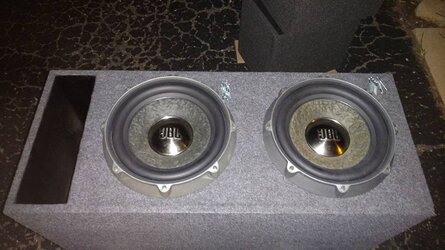
Unlike casual audio upgrades, this project aims to achieve performance levels similar to the builder’s previous success in a Jeep Grand Cherokee, where a 1,000-watt Alpine amplifier and dual 12-inch JBL subwoofers achieved a verified 145dB output at 37Hz—a level of pressure that requires significant structural reinforcement and electrical stability.
II. Chronology of the Build
The development of the Equinox project has followed a logical, modular progression, allowing for testing and adjustments at every phase.
Phase 1: Cosmetic Standardization
In late November 2024, the build commenced with a focus on lighting. The builder identified that the Chevrolet Equinox utilizes a uniform 194-bulb standard for both its five overhead interior lights and its two license plate/tag lights. By sourcing a cost-effective 10-pack of high-intensity white LEDs, the builder established a clean, modern aesthetic baseline before moving on to the more complex audio hardware.
Phase 2: Spatial Planning and Enclosure Design
By late November, the focus shifted to the cargo area. The builder established a design utilizing dual 12-inch subwoofers. The proposed configuration features the enclosure pushed against the rear seat, with the subwoofers facing upward and the ports facing the rear hatch. This "up-sub, rear-port" design is a classic strategy in hatchback and SUV audio to utilize the cabin’s natural acoustic loading.

Phase 3: Hardware Migration and Mounting
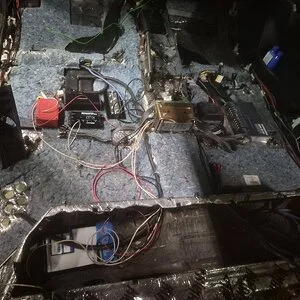
By November 25, 2024, the equipment—previously housed in the Hyundai Elantra—was successfully transferred. The builder utilized a custom board mounted to the top of the subwoofer enclosure, secured with L-brackets and heavy-duty screws. This integration demonstrates a practical approach to space management, keeping the center of gravity low and the wiring paths short.
III. Supporting Data: The Electrical Challenge
One of the most critical discussions within the project community involves the electrical demands of the system. The builder plans to utilize multiple amplifiers, including the JP630 series, which are known for high current draw.

The Alternator and Power Distribution
The stock alternator of the Equinox, rated at approximately 125–130 amperes, is insufficient for a competition-grade audio system. The project team has identified an upgrade path to high-output alternators capable of 220+ amperes.
A significant point of technical debate centered on the wiring configuration. The builder initially proposed a direct run from the alternator to the rear of the vehicle, bypassing the primary battery for the main power feed. This prompted a technical clarification from community experts, such as user deez283, who noted that standard practice involves running power from the alternator to the main battery, then to the rear distribution blocks. This "Big 3" upgrade—upgrading the battery-to-chassis, engine-to-chassis, and alternator-to-positive-battery-terminal cables—is essential for mitigating voltage drop in systems exceeding 2,000 watts.

Enclosure and Driver Geometry
With a restricted cargo width of only 37.5 inches, the builder is currently weighing the pros and cons of driver size. While 12-inch drivers are the current plan, the possibility of installing a high-excursion 15-inch or 18-inch driver in the spare tire well—by removing subfloor foam—remains an attractive alternative for low-frequency extension.
IV. Expert Insights and Community Feedback
The collaborative nature of this build is facilitated by forums where seasoned installers provide peer review.
The "Big 3" Debate
The debate regarding power distribution is a recurring theme in high-end builds. The consensus reached by the group is that while distribution blocks for alternators exist, they are typically reserved for systems utilizing dual-alternator setups or dedicated secondary battery banks. For a single-alternator, high-power build, maintaining the integrity of the main battery connection is the most reliable method to prevent electrical noise and ensure consistent voltage delivery to the amplifiers.
Driver Selection and Midbass Performance
The discussion has recently shifted toward midbass frequency response, with the builder inquiring about Def Bonce 6.5-inch midbass drivers. The community response, particularly from experienced members like spokey9, emphasizes the importance of verifying the "true" midbass capability of drivers, as many marketing labels are applied to standard midrange speakers that lack the excursion required for authoritative midbass punch.

V. Implications for the Future of the Build
As the "Equinox That Rocks" project moves into its final installation and tuning phase, the implications for the builder’s future audio goals are clear.
Potential for Competition
The builder’s historical success—hitting 145dB on a Term-Lab style meter—suggests that this project will not be a "daily driver" setup for long. The integration of 2/0-gauge cabling and the consideration of an upfront battery upgrade indicate a long-term goal of stability at high volumes.

Engineering Considerations
The project highlights several key lessons for the aspiring mobile audio engineer:
- Space Optimization: Measuring the absolute narrowest point of the cargo area (37.5 inches) before building an enclosure is a critical step that prevents costly rework.
- Safety First: The plan to include fuses and relays in the primary power line from the battery to the rear is a non-negotiable safety standard that separates professional-grade installations from amateur attempts.
- Modularity: By keeping the amplifier rack attached to the enclosure, the builder ensures that the system can be removed or serviced as a single unit, which is vital for a vehicle that must remain functional for daily transport.
Conclusion
The "Equinox That Rocks" is more than just a subwoofer box in the back of a grocery-getter; it is a carefully calculated balancing act between electrical capacity, spatial limitations, and acoustic goals. By meticulously planning the electrical upgrades and debating the merits of different driver configurations, the builder is setting the stage for an audio system that will likely exceed the performance of their previous builds.
As the installation of the Def Bonce midbass speakers and the final wiring of the amplifiers proceed, the community remains focused on the results. Whether the builder chooses to stay with 10-inch or 12-inch subwoofers, or eventually ventures into the modification of the spare tire well for a single 15-inch driver, the foundation laid during this phase of the project ensures that the final result will be both reliable and highly capable of reproducing high-pressure, high-fidelity sound.